1.The Brilliance of French Literature
French literature is distinguished by its clarity, precision, and style, making it one of the most interesting bodies of work in the world. Unlike other literary traditions that may prioritize moral weight or philosophical depth, French literature shines in its eloquence and wit. It encompasses a wide range of genres, from philosophy and history to comedy and epistolary writing, showcasing a remarkable diversity that few other national literatures can claim. Despite its strengths, French literature is noted for its relative weakness in poetry, which contrasts with its achievements in other forms. The charm of French literature lies not just in its content but in its exquisite style, which emphasizes neatness and artistry, allowing readers to experience the vivacity and sparkle that characterize much of its output.
2.Froissart: The Medieval Chronicler
Jehan Froissart is often viewed as the starting point of French literature, likened to a medieval Herodotus for his narrative style and spirit. His chronicles provide a vivid account of his time, reflecting both French and English perspectives with equal enthusiasm. Froissart's work is marked by a romantic idealization of chivalry, capturing the essence of a dying era with his lush descriptions and courtly focus. His Chronicles are not just historical records; they are rich narratives filled with adventure and character, showcasing the splendor of noble life. This picturesque storytelling makes Froissart a crucial figure in understanding the transition from medieval to modern literature in France, as he laid the groundwork for the historical narrative tradition.
3.Rabelais: The Coarse Humorist
Francois Rabelais stands out as one of the most important yet controversial figures in French literature. Known for his coarse humor and satirical style, Rabelais's major work, 'The Life of Gargantua and Pantagruel,' is a chaotic tapestry of adventures filled with grotesque characters and absurd situations. While Rabelais’s writing can be perplexing due to its lack of structure and logic, it serves as a vehicle for deeper reflections on society and human nature. His educational background in monastic orders and his voracious appetite for knowledge enabled him to blend learned discourse with ribald comedy, creating a unique literary voice. Rabelais's work challenges readers to consider the nature of truth and the absurdities of life, making him a precursor to modern satire.
4.Montaigne: The Father of the Essay
Michel de Montaigne revolutionized literature with his 'Essays,' a collection that explores a variety of topics through a deeply personal lens. Montaigne's writing is characterized by its introspective style, where he reflects on human experience, morality, and the nature of knowledge. His essays are not bound by strict logical structures, allowing for a free-flowing exploration of ideas that often return to the self. This personal engagement with diverse subjects, from cannibalism to the management of the will, creates a unique narrative that is both intimate and universal. Montaigne's emphasis on the individual perspective has made him a significant figure in the development of modern thought, and he is often regarded as the first true essayist, paving the way for future writers to explore personal reflection as a literary form.
5.La Rochefoucauld: The Master of Maxims
François de La Rochefoucauld is best known for his 'Maxims,' which offer sharp insights into human nature and social conduct. His work is characterized by brevity and precision, with each maxim serving as a distilled observation of life, often revolving around the theme of self-love as a driving force behind human actions. La Rochefoucauld's ability to capture complex truths in just a few lines demonstrates his keen understanding of psychology and society. His writing reflects the moral and philosophical concerns of his time, while also maintaining a timeless quality that resonates with readers across generations. The depth of his reflections challenges readers to examine their own motivations and behaviors, making his 'Maxims' a foundational text in the study of ethics and human relations.
6.La Fontaine: The Poet of Fables
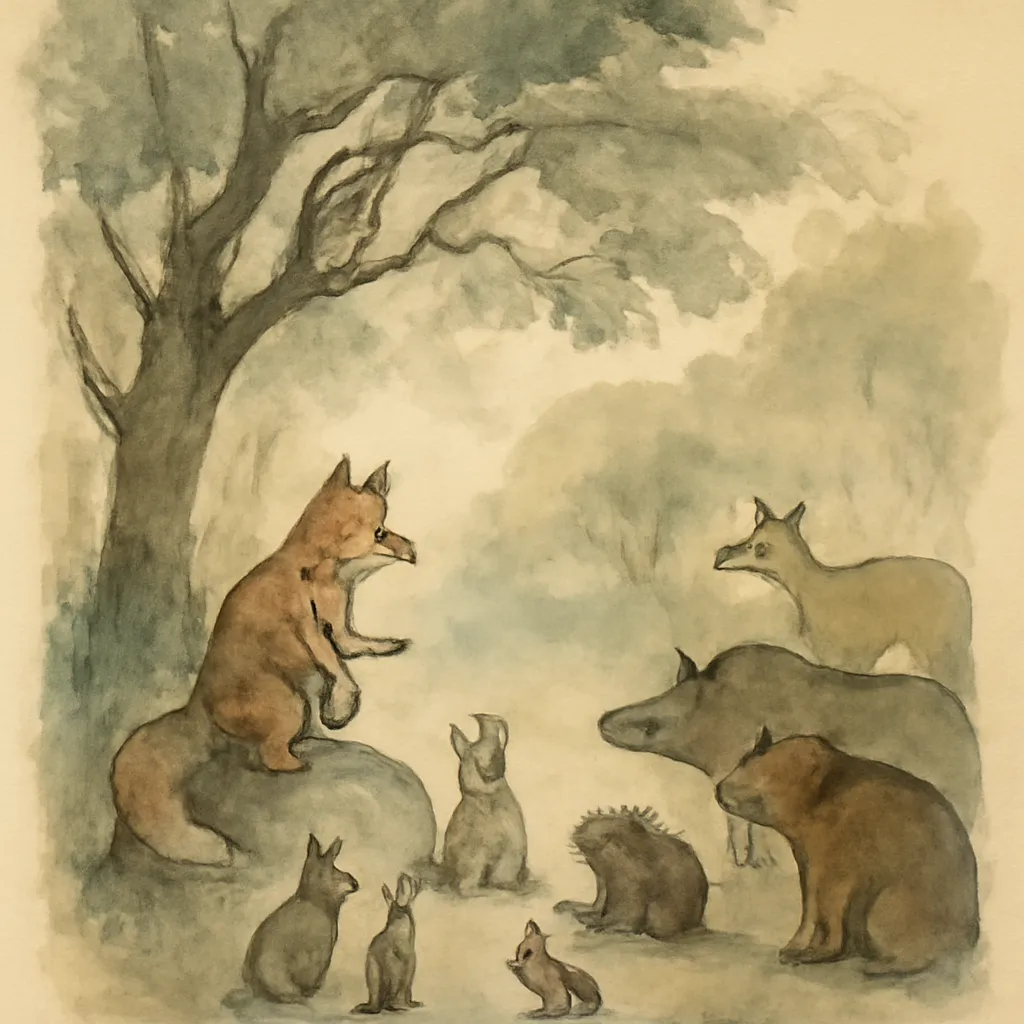
Jean de La Fontaine is celebrated for his fables, which blend moral lessons with delightful storytelling, making him a unique figure in French literature. His fables are not only entertaining but also rich in poetic quality, allowing him to transcend the conventional boundaries of the genre. La Fontaine's characters often embody human vices and virtues, providing insightful commentary on society and human behavior. His ability to weave complex themes into simple narratives has earned him a lasting place in literary history. La Fontaine's work reflects the cultural and intellectual currents of his time, demonstrating how literature can serve both as a form of entertainment and as a vehicle for moral reflection.
7.Molière: The Quintessential Comic Genius
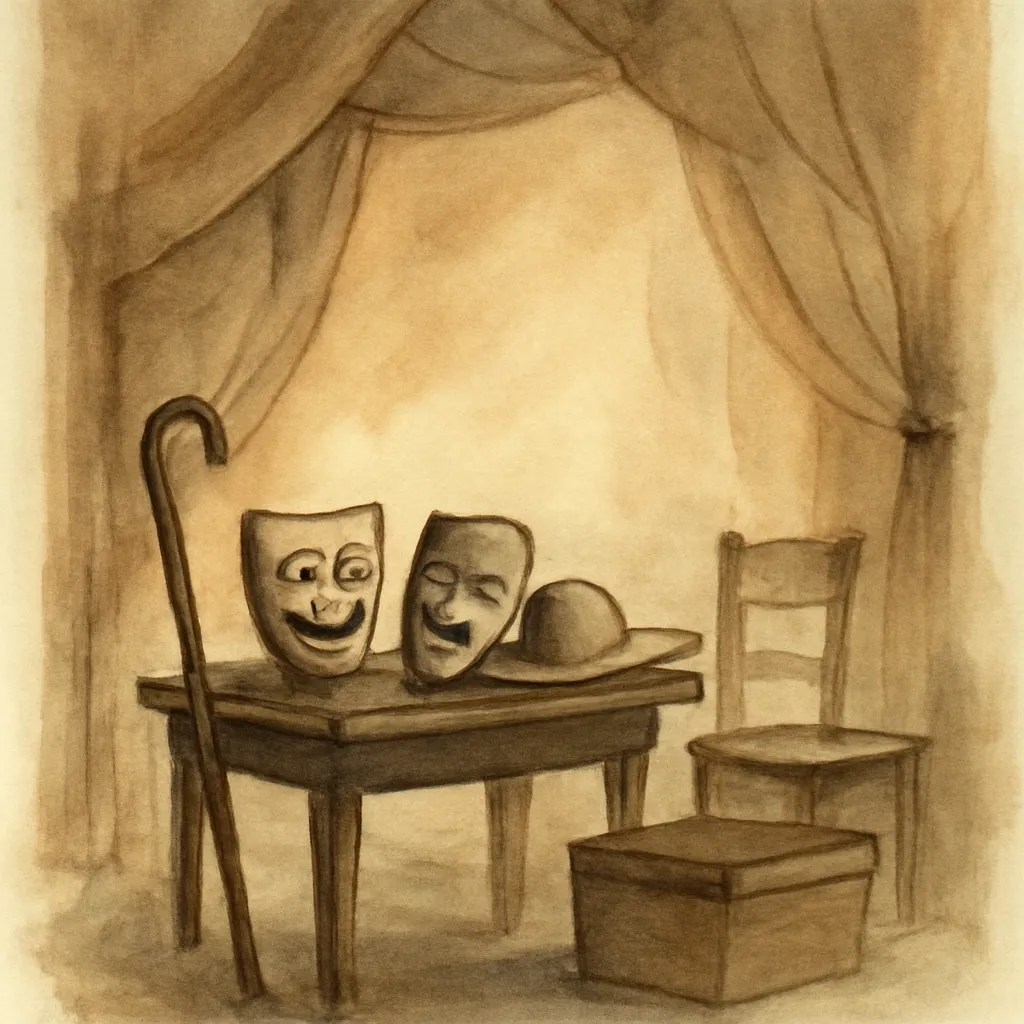
Molière is regarded as one of the greatest comic playwrights, whose works explore the complexities of human nature through humor. His comedies, while often lighthearted, delve into serious themes, revealing the follies and absurdities of society. Molière's ability to provoke laughter while simultaneously critiquing social norms set him apart from his contemporaries. His characters are vivid representations of various societal archetypes, making his commentary on human behavior both relevant and relatable. Molière's legacy lies not only in his mastery of comedic form but also in his profound understanding of the human condition, which continues to resonate with audiences today.
8.Pascal: The Thinker and the Writer
Blaise Pascal is a multifaceted figure whose contributions to literature and philosophy are profound. His works, particularly the 'Provincial Letters' and 'Thoughts,' reflect a deep engagement with issues of faith, morality, and the human condition. Pascal's sharp intellect and eloquent style allow him to address complex theological and philosophical questions with clarity and wit. His writing is marked by a tension between reason and faith, showcasing his struggles with religious conviction and the nature of existence. Pascal's insights into human psychology and ethics have left a lasting impact on both literature and philosophy, making him a crucial figure in the intellectual history of France.
9.Madame de Sévigné: The Art of Letter Writing
Madame de Sévigné is renowned for her letters, which capture the essence of 17th-century French society. Her correspondence, particularly with her daughter, offers a vivid glimpse into her life and the cultural milieu of her time. De Sévigné's letters are not merely personal reflections; they are also rich historical documents that provide insights into the social dynamics, politics, and everyday life of the period. Her writing is characterized by its charm, wit, and emotional depth, making her one of the most beloved epistolary writers in French literature. Madame de Sévigné's ability to convey complex emotions and observations through the medium of letters highlights the power of personal correspondence as a literary form.
10.The Tragic Masters: Corneille and Racine
The landscape of French tragedy is dominated by the works of Pierre Corneille and Jean Racine, whose plays explore themes of fate, honor, and human emotion. Corneille's tragedies, such as 'Le Cid,' are marked by their grand themes and heroic characters, often grappling with moral dilemmas that reflect the complexities of human nature. In contrast, Racine's work is characterized by its psychological depth and emotional intensity, focusing on the inner lives of his characters. Both playwrights exemplify the conventions of French tragedy, which emphasizes elevated language and moral grandeur. Their works have shaped the trajectory of dramatic literature, influencing countless writers and establishing a standard for the tragic form that endures to this day.
11.Montesquieu and the Philosophy of History
Montesquieu is credited with founding the philosophy of history, offering innovative perspectives on societal development and governance. His key works, including 'The Persian Letters' and 'The Spirit of Laws,' present a critical examination of political systems and cultural practices through a comparative lens. Montesquieu's use of fictional correspondence in 'The Persian Letters' allows him to satirize contemporary French society while exploring themes of tolerance and human rights. His philosophical inquiries into the nature of laws and their relation to social conditions laid the groundwork for modern political thought. Montesquieu's insights continue to resonate in discussions about governance, liberty, and the role of culture in shaping human behavior.