1.Interconnectedness Across Time
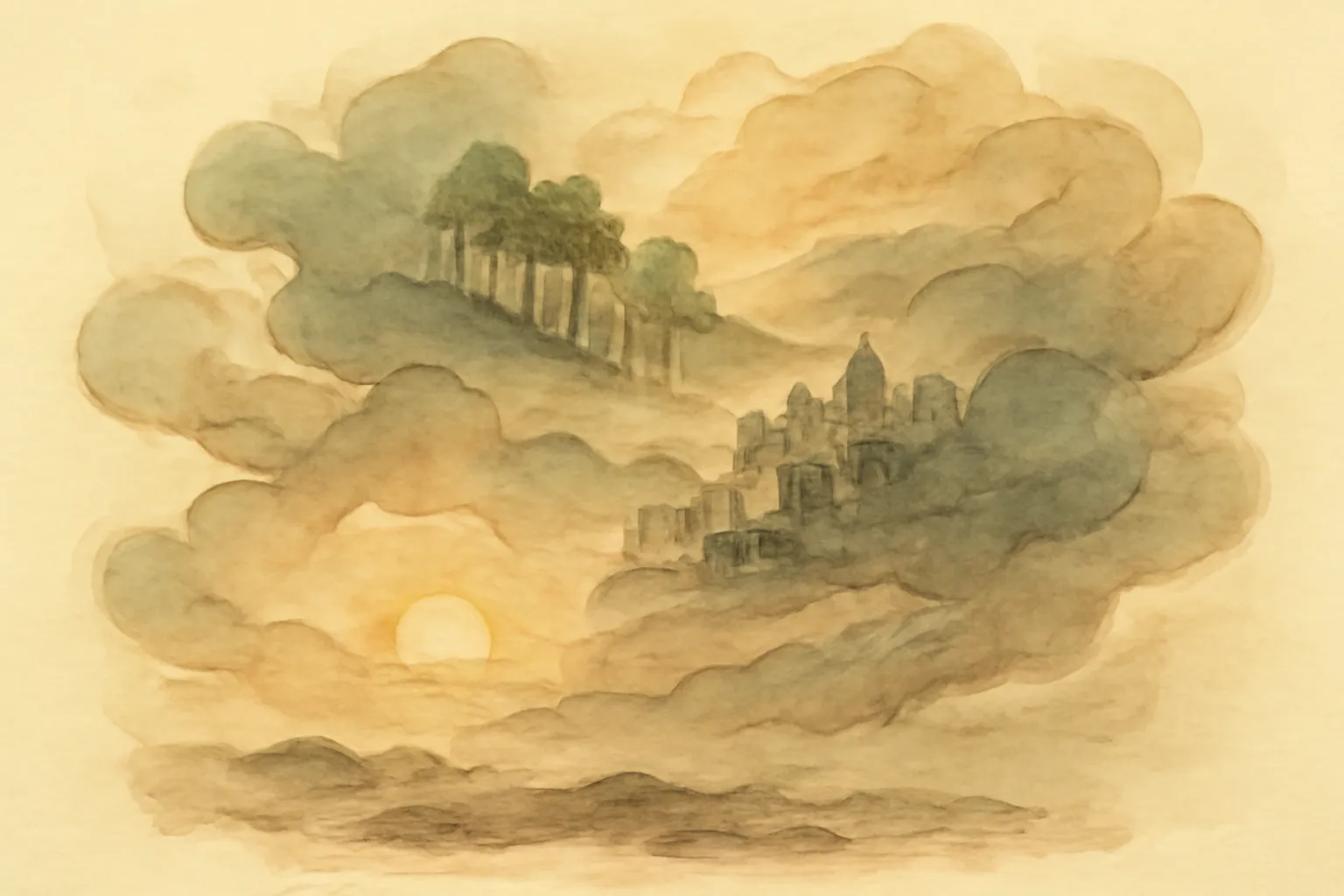
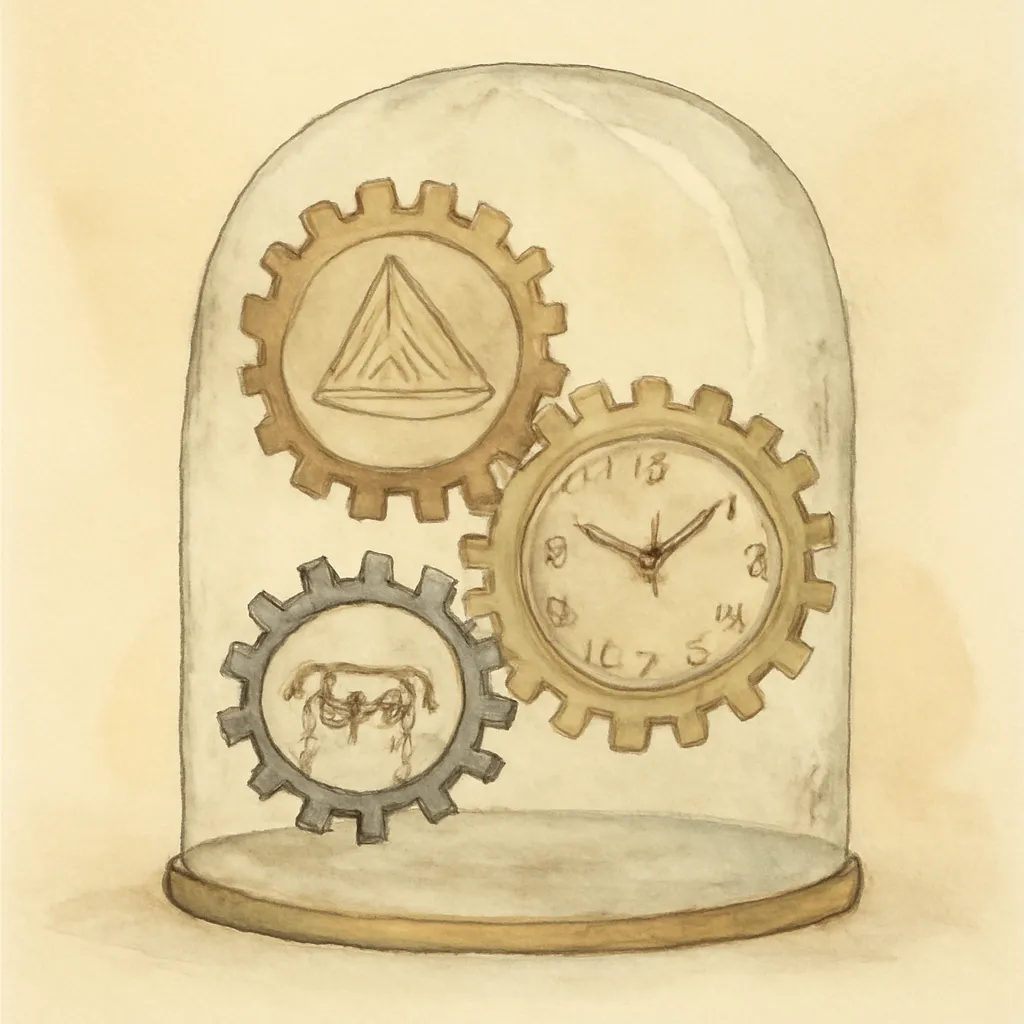
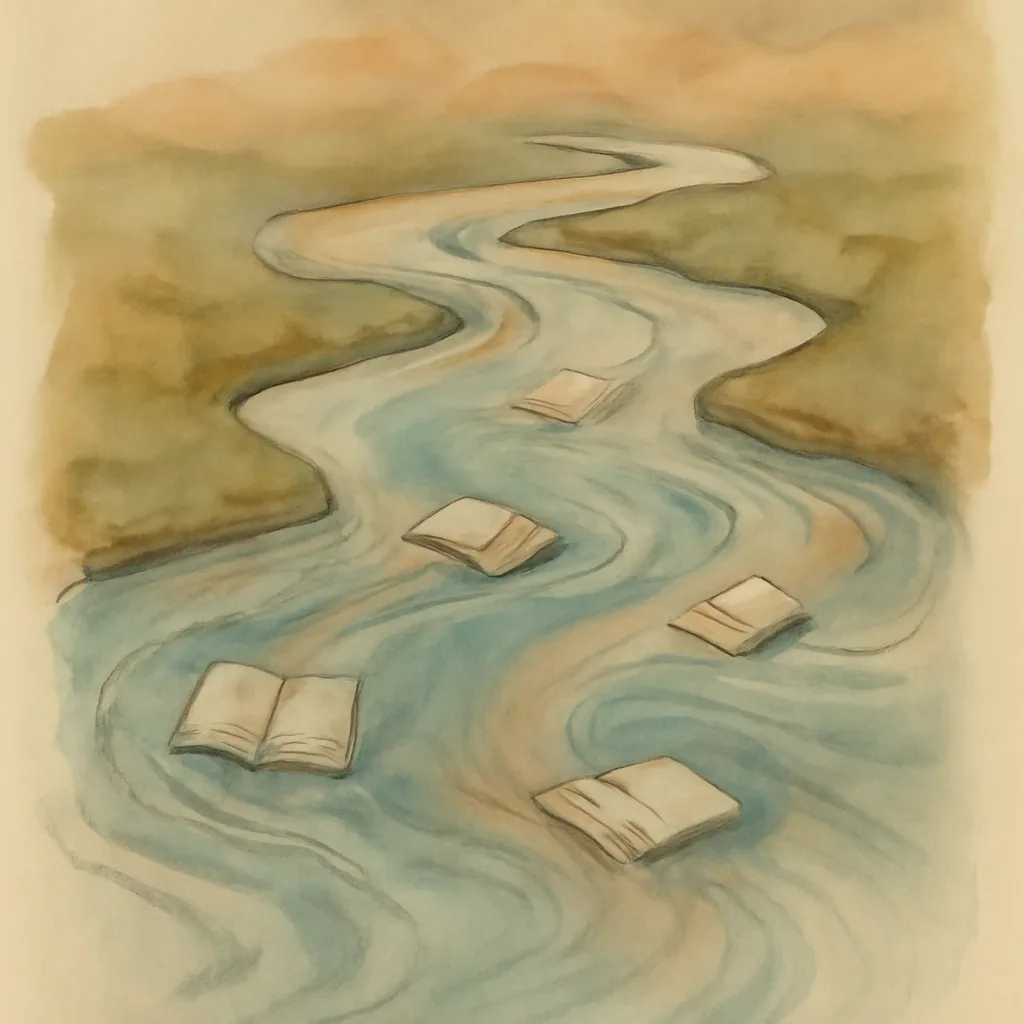
Mitchell’s novel is structured as a series of stories nested within one another, each set in a different era and genre, but all subtly linked. Characters encounter echoes of the past and hints of the future, suggesting that individual actions reverberate far beyond their own lifetimes. The recurring motifs, such as the comet-shaped birthmark, reinforce the idea that lives and choices are interconnected, forming a vast, intricate web across history.
2.The Will to Power and Its Consequences
A central theme in Cloud Atlas is humanity’s recurring drive for dominance—over others, over nature, and over fate itself. Each narrative explores how individuals and societies seek power, often at great moral cost. From colonial exploitation to corporate greed to post-apocalyptic tribalism, the novel warns of the destructive cycles that result when ambition goes unchecked.
3.Cycles of Oppression and Resistance
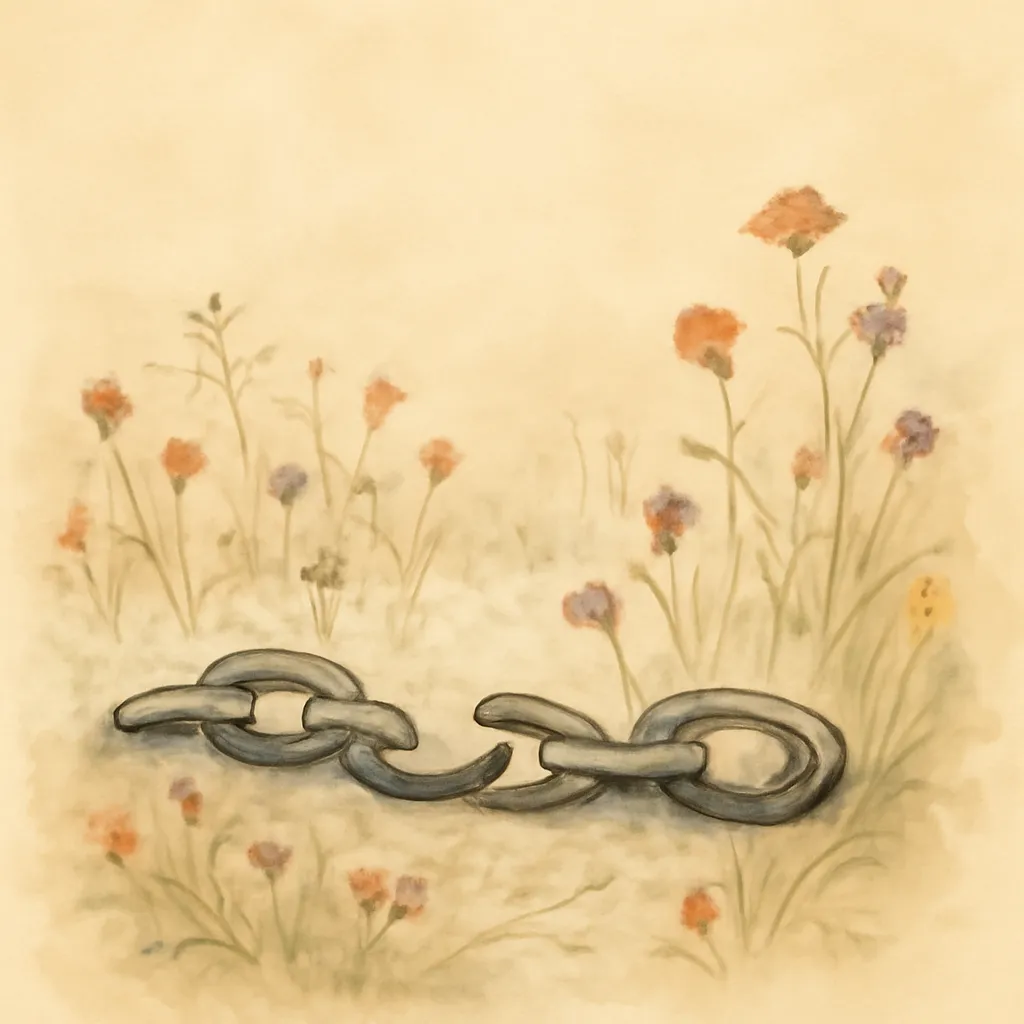
Mitchell traces patterns of oppression—slavery, corporate exploitation, authoritarian control—across his six stories. Yet, he also highlights the enduring spirit of resistance: characters risk everything for freedom, truth, or justice. The novel suggests that while history repeats itself, so too does the possibility for rebellion and hope.
4.Fluidity of Identity and Storytelling
Cloud Atlas blurs boundaries between genres, voices, and even the self. Narratives are interrupted, retold, or reframed by later characters, questioning the reliability of storytelling and the permanence of identity. This fluidity invites readers to reflect on how stories shape our understanding of ourselves and others, and how identity is both constructed and inherited.
5.The Search for Meaning in a Vast Universe
Amid the grand sweep of time, Mitchell’s characters grapple with existential questions: What gives life meaning? Can kindness endure in a world marked by cruelty? Through their struggles, the novel posits that even small acts of compassion or courage can ripple outward, giving hope and purpose against the enormity of history.
6.The Power and Fragility of Civilization
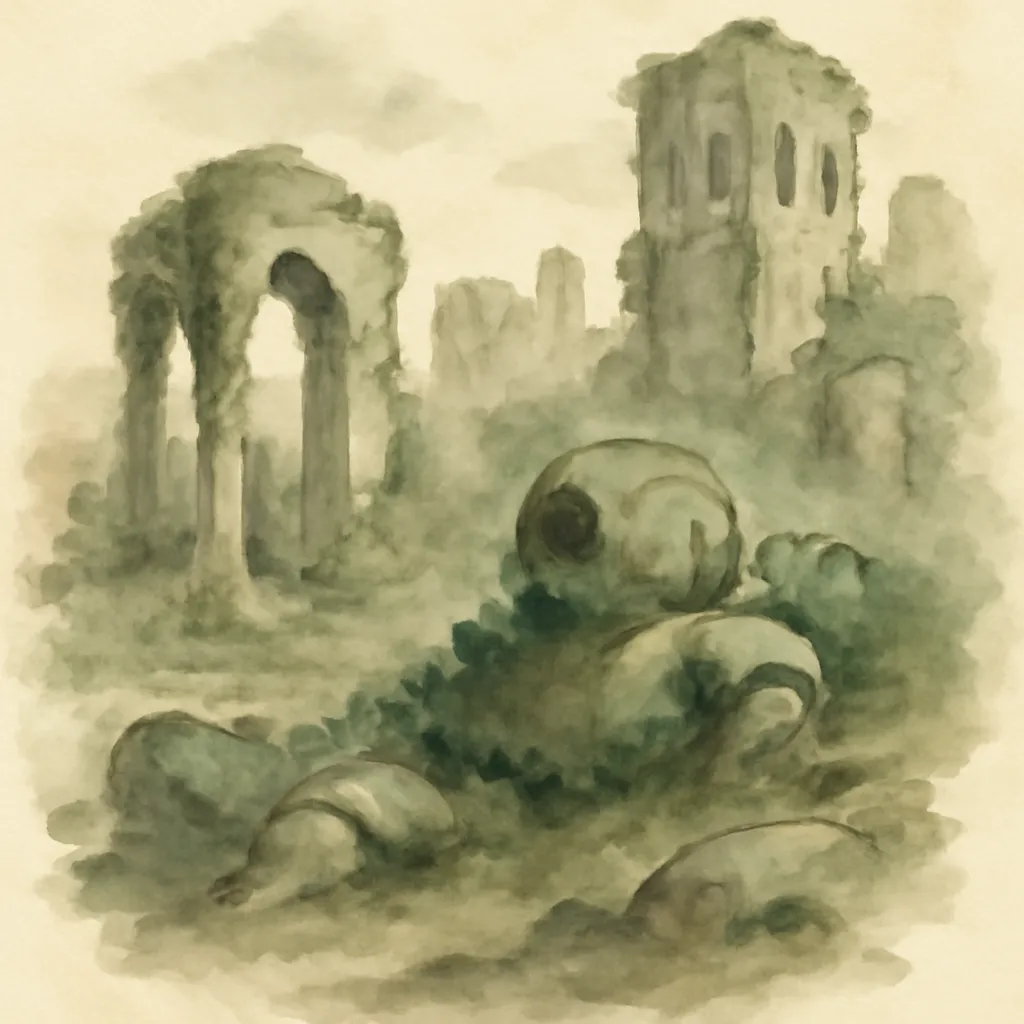
The novel’s structure—from the 19th-century past to a post-apocalyptic future—traces the rise and fall of civilizations. Mitchell explores how technological progress can both elevate and endanger humanity, and how fragile the veneer of civilization can be. The cyclical collapse and rebirth of societies serve as both warning and call to responsibility.