1.The Personal and the Universal
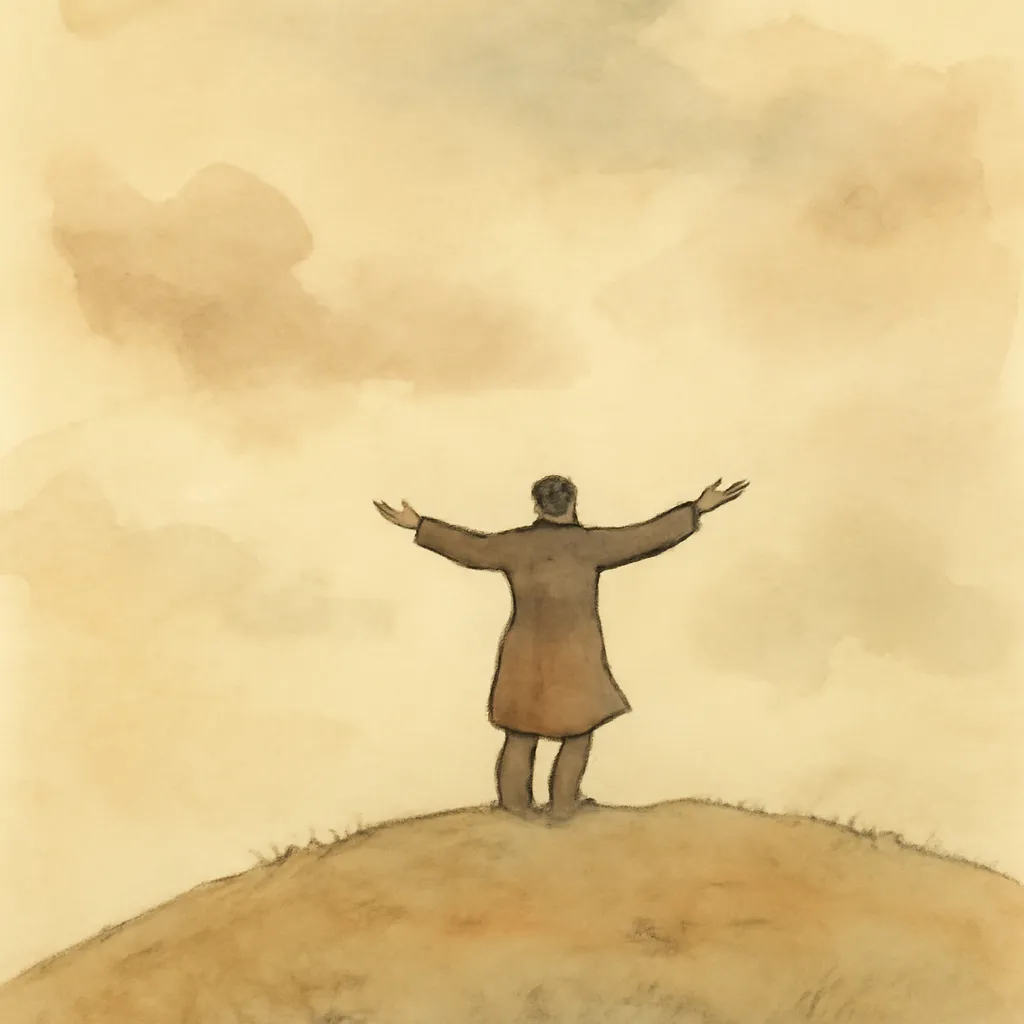
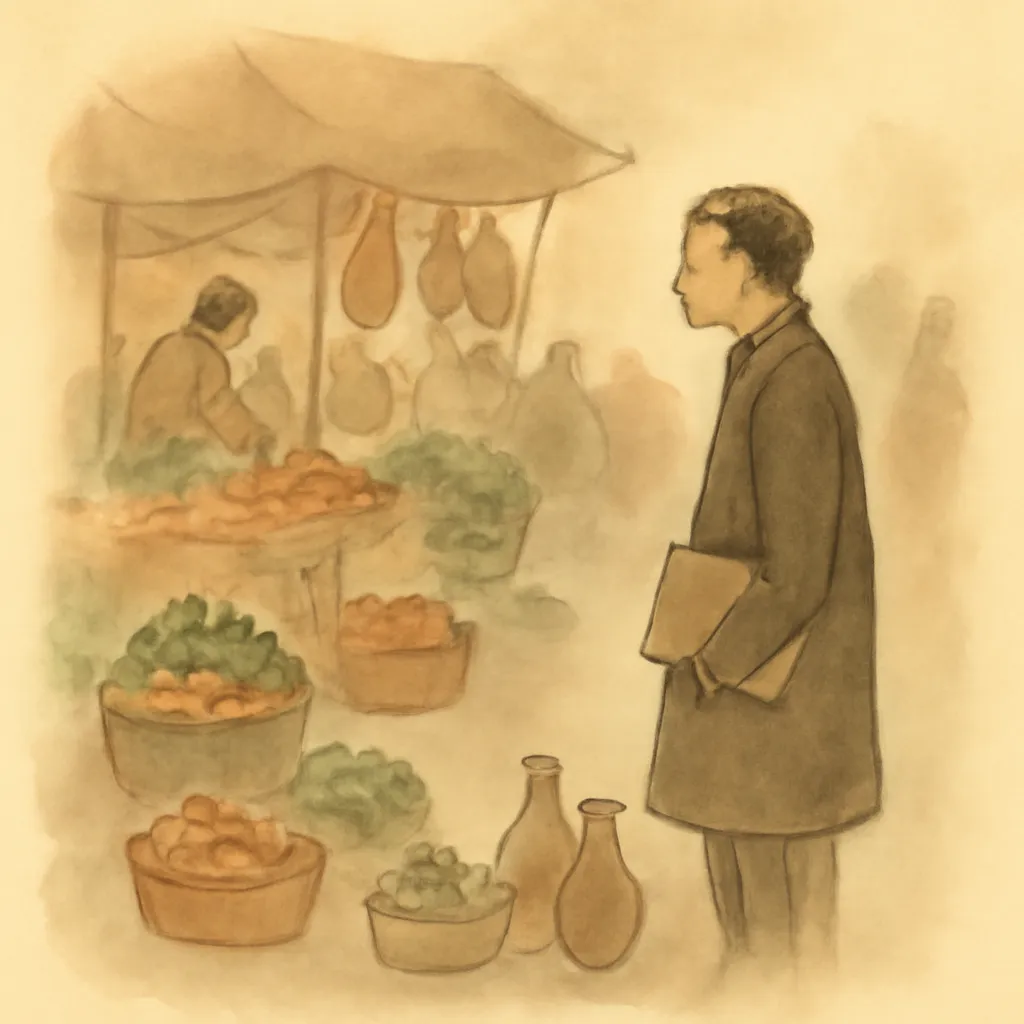
In his prose, Whitman effortlessly merges personal anecdotes with broader societal observations, demonstrating how individual experiences can illuminate universal truths. His recollections of childhood in Paumanok and his formative years in Brooklyn serve as foundational experiences that inform his understanding of America and its people. For instance, his passion for ferries becomes a metaphor for transition and movement, reflecting the dynamism of American life. These personal narratives resonate deeply, as they encapsulate a sense of nostalgia while simultaneously connecting to the collective memory of a nation. By emphasizing the interconnectedness of personal and public experiences, Whitman encourages readers to find their own narratives within the grand tapestry of history.
2.The Impact of War on the Human Spirit
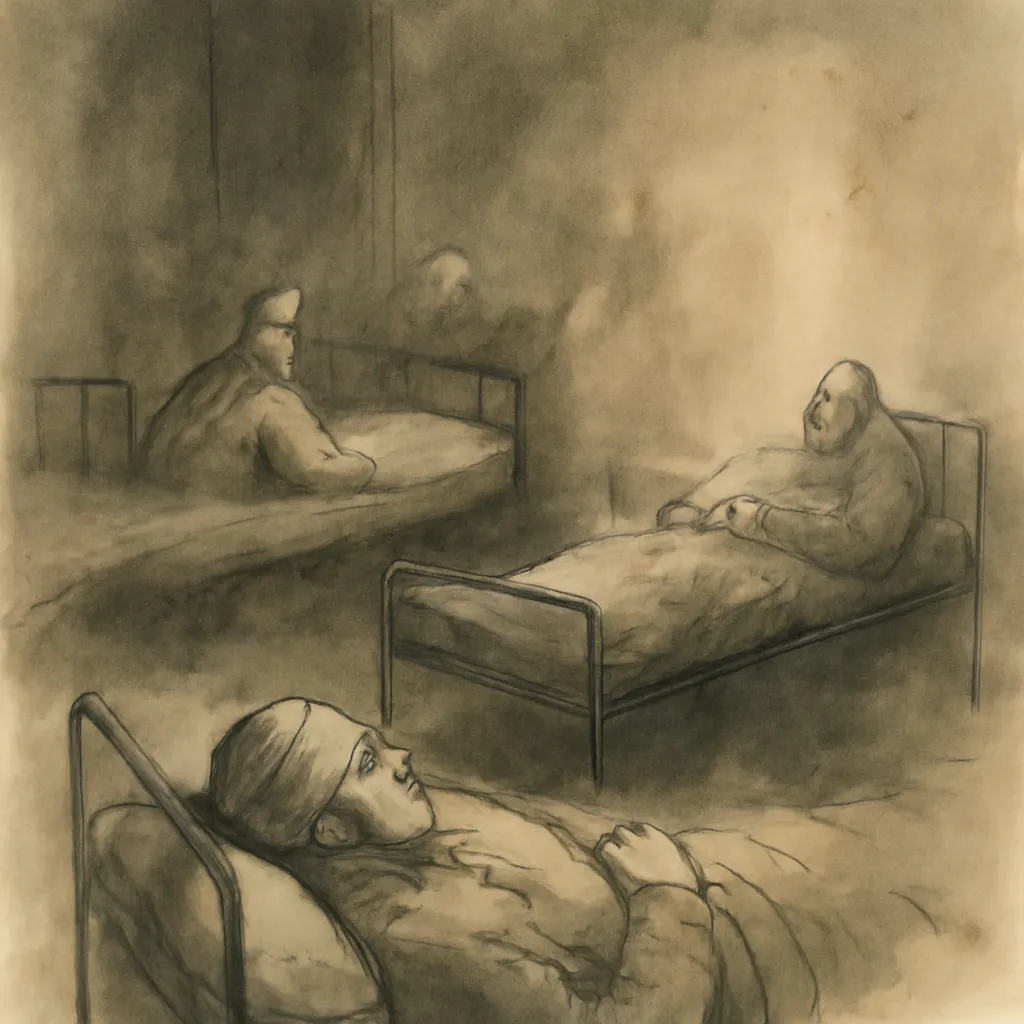
Whitman's reflections on the Civil War in 'Specimen Days' encapsulate a profound exploration of the human spirit in times of crisis. His vivid depictions of hospital scenes, where he cared for wounded soldiers, reveal both the physical and emotional scars left by conflict. He portrays the soldiers not merely as casualties but as embodiments of courage and resilience, giving voice to their pain and struggles. For example, his accounts of the Battle of Gettysburg showcase the horror of war alongside the emerging sense of brotherhood among the soldiers. This duality in his writing highlights an essential truth: that amidst suffering, there exists a profound capacity for compassion and connection. Whitman's portrayal of war ultimately serves as a reflection on the shared humanity that transcends the battlefield.
3.A Celebration of Democracy and Community
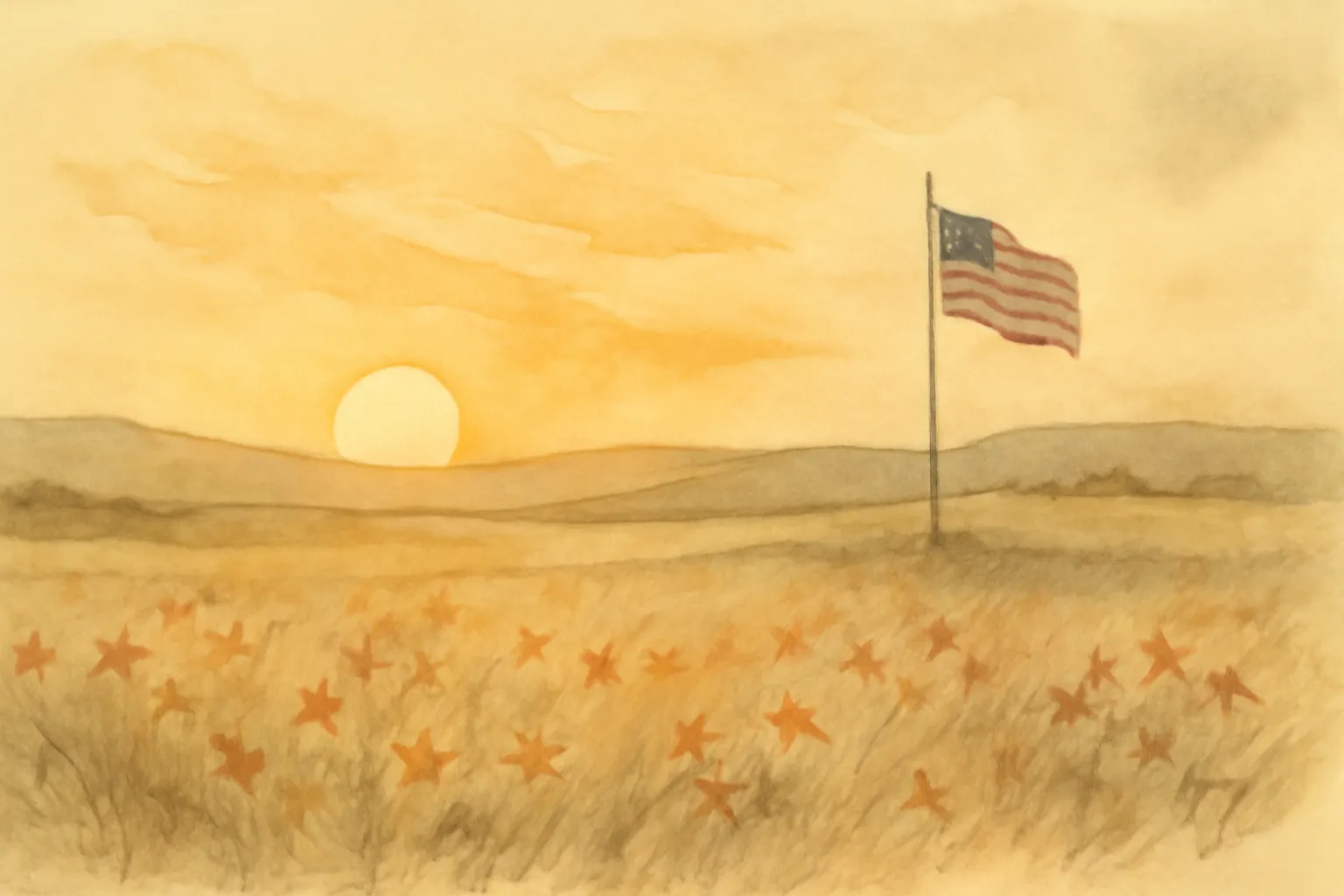
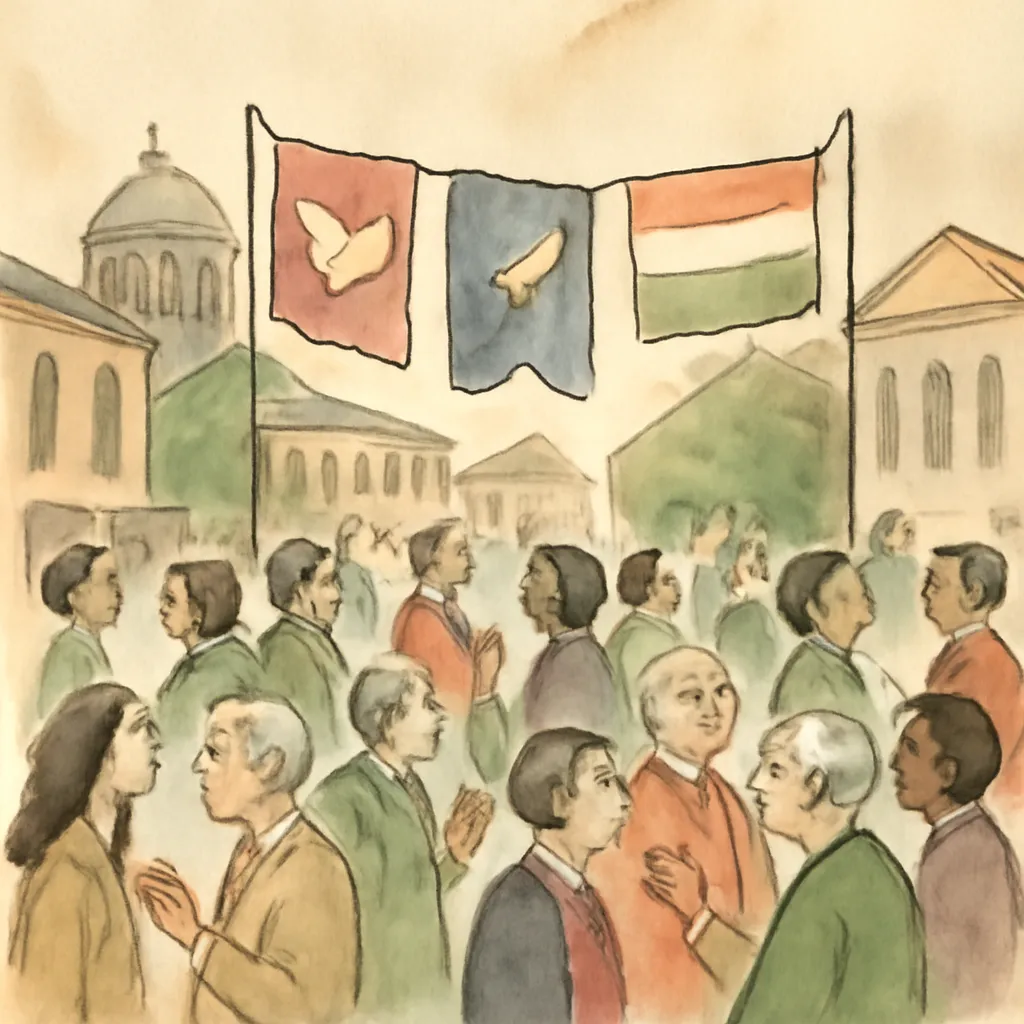
At the heart of Whitman's prose lies a fervent celebration of democracy and the diverse tapestry of American life. He views democracy as a living entity that thrives on the contributions of all individuals, regardless of their background or status. Through his letters and essays, Whitman articulates a vision of a united America, where every voice matters. He passionately engages with the idea that true democracy requires active participation and empathy from its citizens. His reflections on the Civil War underscore this belief, as he advocates for unity and healing in a divided nation. By emphasizing the importance of community and collective action, Whitman urges readers to recognize their role in shaping a more just society, fostering a sense of responsibility that extends beyond individualism.
4.Nature as a Source of Healing and Reflection
Whitman's deep connection to nature is a recurring theme throughout his prose, highlighting its role as a source of inspiration, healing, and self-discovery. In 'Goodbye My Fancy', he evokes the beauty of the American landscape, using rich imagery to illustrate the intricate relationships between people and the natural world. He often draws parallels between the cycles of nature and the human experience, suggesting that both are intertwined in a complex dance of life. For instance, his descriptions of the Mississippi River convey a sense of timelessness and continuity, reflecting the ebb and flow of existence. This appreciation for nature serves as a reminder of the importance of grounding oneself in the present, finding solace in the natural world, and recognizing its lessons about resilience and renewal.
5.The Complexity of Human Relationships
Whitman's exploration of human relationships is multi-faceted, capturing the depth and intricacies of connections between individuals. He often reflects on the bonds formed during times of adversity, such as his experiences with soldiers during the Civil War. His accounts of camaraderie and mutual support reveal the strength that arises from shared struggles. Moreover, Whitman's reflections on love extend beyond romantic relationships, encompassing friendships and communal ties, portraying them as essential to the human experience. His candid discussions about loss and grief highlight the fragility of these connections, urging readers to cherish their relationships and recognize their transformative power. By celebrating the beauty of human interaction, Whitman fosters a sense of empathy and understanding that resonates deeply with readers.
6.The Quest for Individual Freedom and Authenticity
A central theme in Whitman's prose is the quest for individual freedom and the pursuit of authenticity. He champions the idea that each person should embrace their true self, free from societal constraints and expectations. Throughout his writings, he reflects on the transformative power of creative expression, asserting that art and literature can serve as vehicles for liberation. His insistence on authenticity resonates strongly, as he navigates the complexities of identity and the struggle for self-definition. In a world that often demands conformity, Whitman's call to embrace individuality becomes a powerful message for readers seeking to forge their own paths. This quest for freedom is not solely personal; it extends to a collective aspiration for a society that values diversity and encourages self-discovery.
7.The Poet's Role in Society
Whitman positions himself as a poet of the people, emphasizing the importance of capturing the essence of everyday life in his work. He believes that poetry should reflect the realities of existence, encompassing both the mundane and the profound. In 'Specimen Days', he articulates his vision for poetry as a means of connecting individuals to their shared humanity. By documenting the lives of ordinary people, he elevates their experiences, asserting that everyone has a story worth telling. This democratization of poetry challenges traditional notions of art, inviting readers to find beauty in the ordinary. Whitman's commitment to portraying the experiences of the common man creates a sense of unity, reminding readers that their stories are integral to the larger narrative of humanity.
8.Reflections on Mortality and the Human Condition
Throughout his prose, Whitman grapples with the concept of mortality and the complexities of the human condition. His reflections on death, particularly in the context of the Civil War, reveal a deep understanding of the fragility of life. He contemplates the loss of friends and the weight of grief, emphasizing the importance of embracing life fully even in the face of mortality. Whitman's acceptance of death as a natural part of existence encourages readers to confront their fears and live authentically. This perspective fosters a sense of urgency to appreciate the present moment and forge meaningful connections. By acknowledging the inevitability of death, Whitman imbues his writing with a profound sense of purpose, urging readers to seek fulfillment in their lives.
9.The Significance of Place in Identity
Place plays a significant role in Whitman's narrative, shaping his identity and informing his worldview. His descriptions of Brooklyn, the Mississippi River, and the American landscape serve as backdrops for his reflections on life and society. Whitman's connection to the land is palpable, as he draws inspiration from its beauty and diversity. His portrayal of specific locales creates a sense of intimacy, inviting readers to join him in experiencing the landscapes that have shaped his understanding of self and community. Through his vivid depictions, Whitman illustrates how our environments can influence our perceptions and experiences, reinforcing the idea that place is integral to identity. This emphasis on place encourages readers to cultivate a deeper appreciation for their surroundings and recognize the stories embedded within them.
10.The Interplay of Light and Darkness in Life
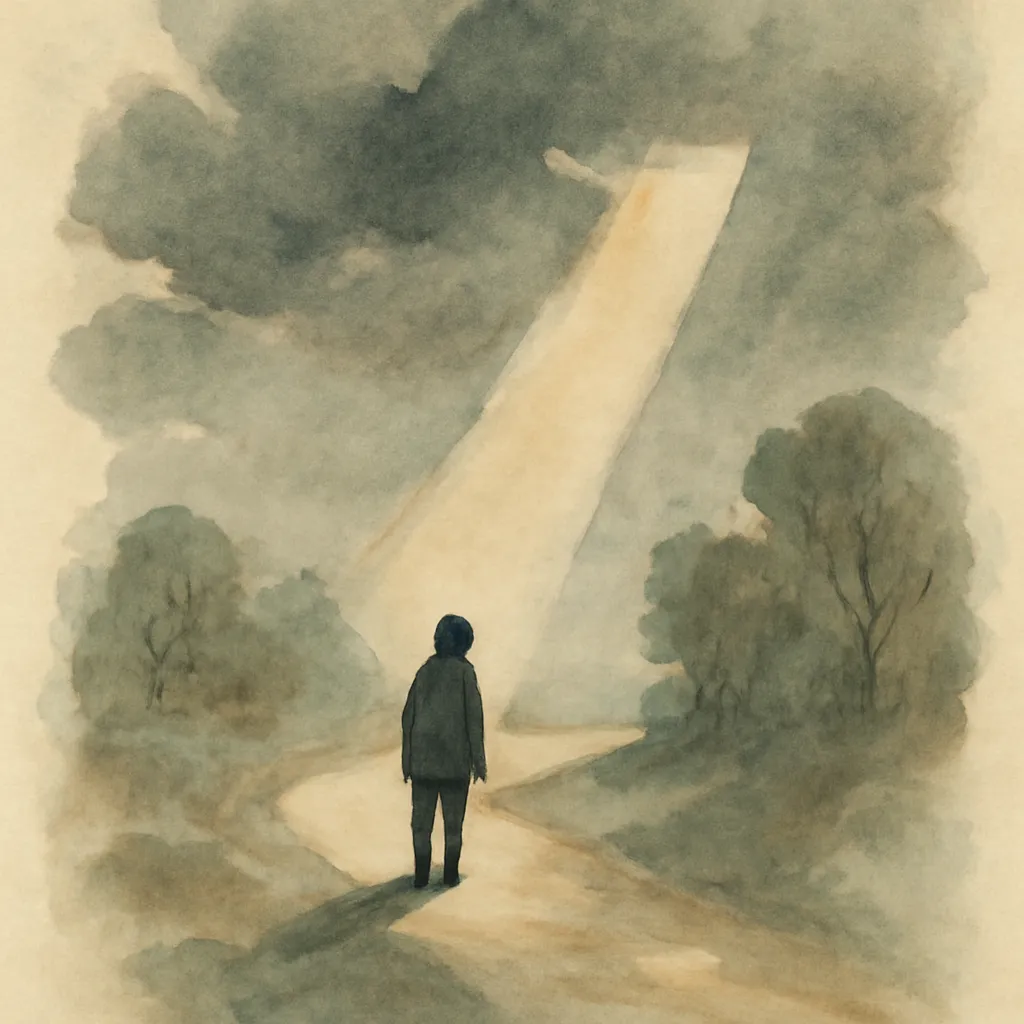
Whitman often explores the interplay of light and darkness, using these contrasts to illustrate the complexities of the human experience. He acknowledges the existence of suffering and despair, particularly within the context of war, while simultaneously celebrating joy and beauty. This duality in his writing reflects the multifaceted nature of life, where moments of darkness coexist with moments of light. By embracing both aspects, Whitman encourages readers to find meaning in their struggles and to recognize the transformative power of adversity. This nuanced understanding of life invites readers to approach their own challenges with resilience and hope, underscoring the idea that light often emerges from the shadows.