1.Time Travel as a Mirror
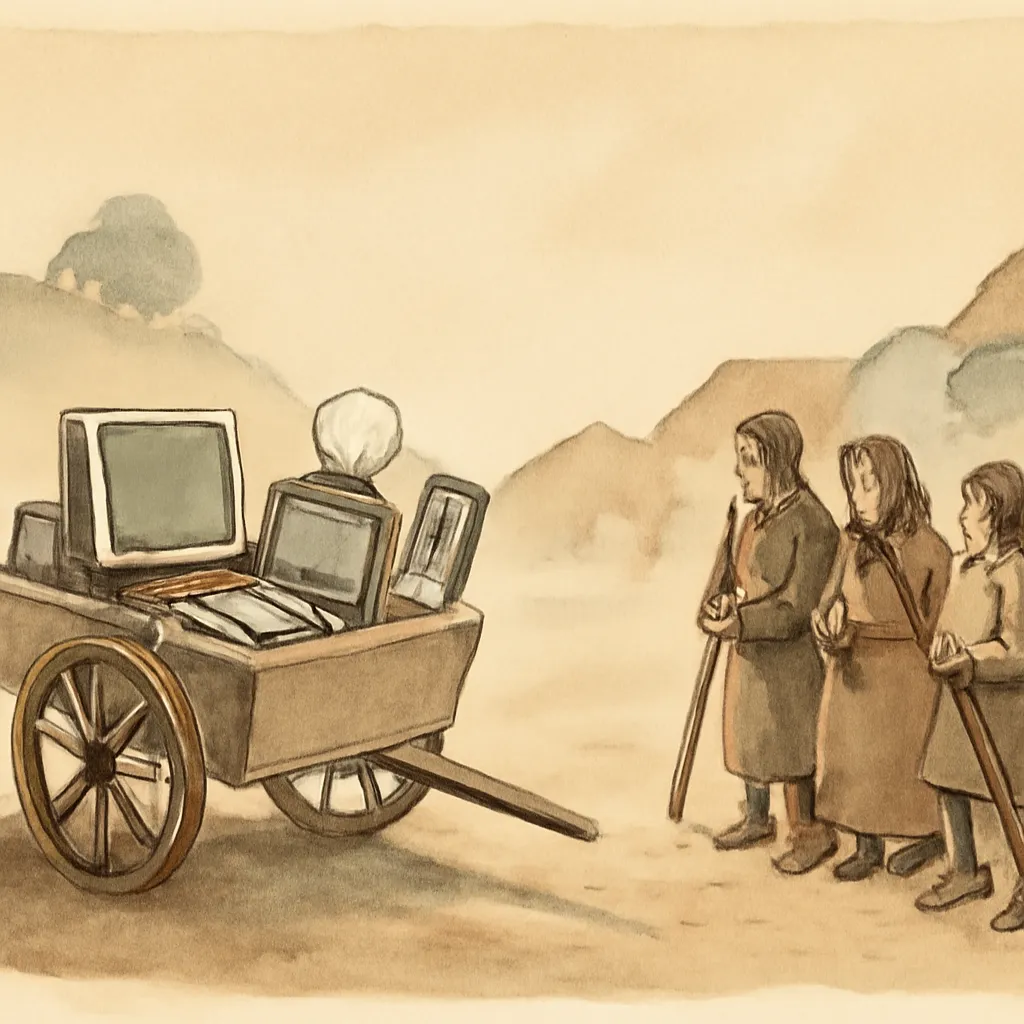
Hank Morgan's time travel serves as a vehicle for Twain to explore and critique the absurdities of both the past and present. By placing a modern man in the midst of Arthurian legends, Twain highlights the stark contrasts between contemporary American values and those of feudal society. Hank's bewilderment at the customs of Camelot—such as the arbitrary violence of knightly duels and the unquestioned authority of kings—reflects Twain's own critiques of the societal norms of his time. This juxtaposition invites readers to examine how far society has come and how much remains unchanged in terms of human folly.
2.Critique of Chivalry
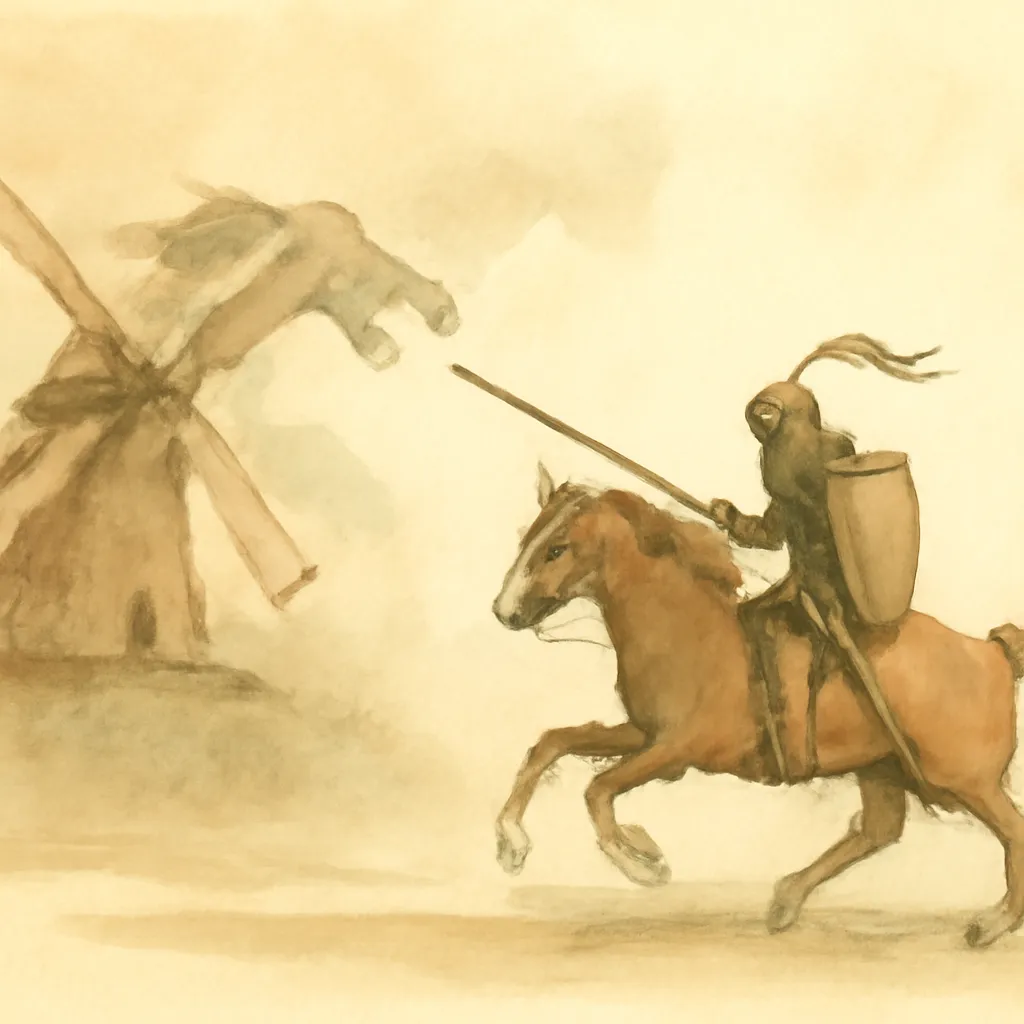
Twain uses Hank's perspective to debunk the romantic notions of chivalry that had permeated literature and culture. The knights of the Round Table, portrayed as noble and gallant, are revealed to be simple-minded brutes engaged in senseless violence and competition. Hank's observations expose the absurdity of their quests for honor, as he notes that many of their battles are fought for trivial reasons and often result in unnecessary bloodshed. Through this lens, Twain critiques not only the chivalric code but also the glorification of violence and masculinity prevalent in both his time and in the legends of Arthurian lore.
3.The Power of Knowledge
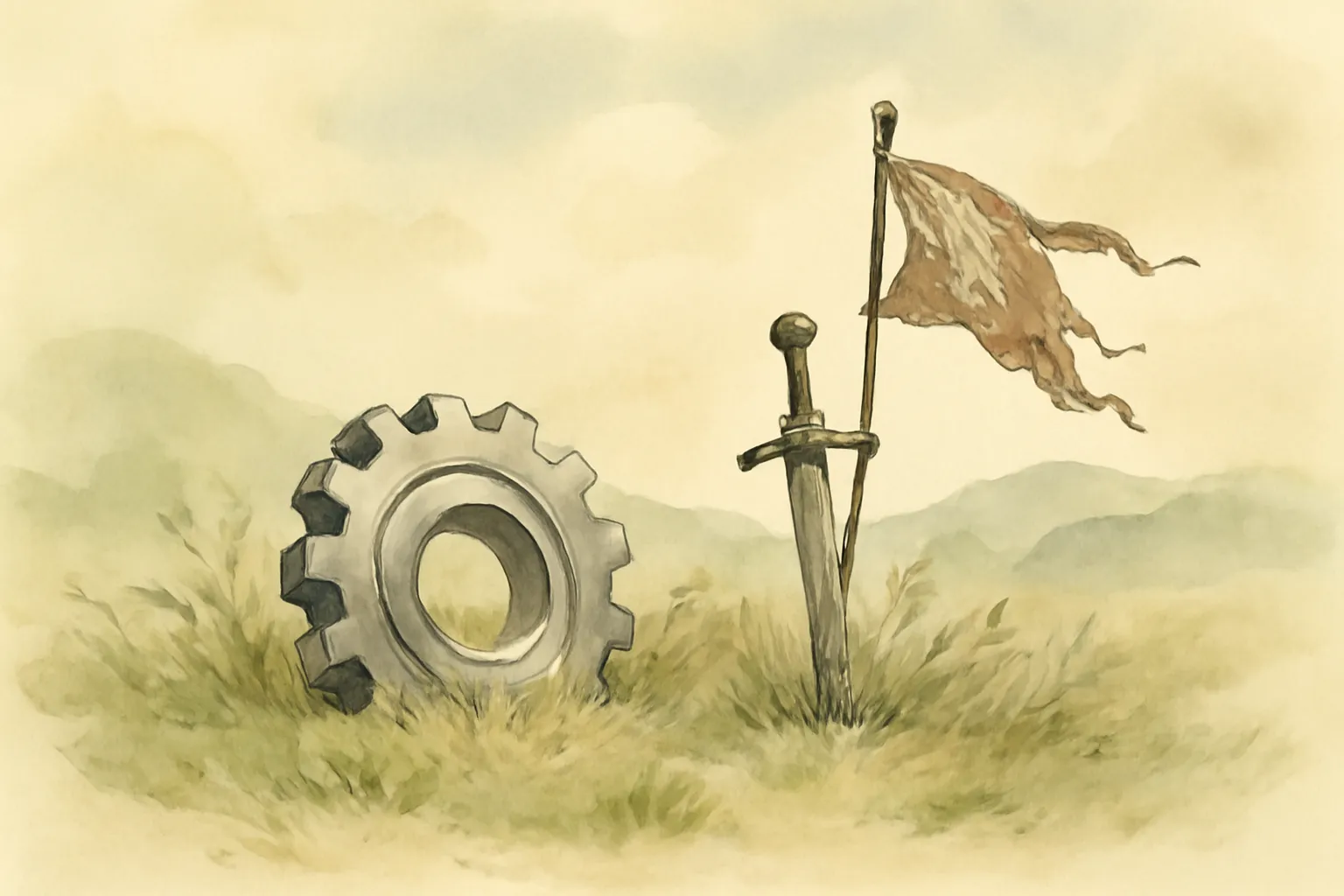
One of the central themes of the novel is the transformative power of knowledge and education. Hank, as a representative of modernity and progress, seeks to implement rational thought and technological advancements in Camelot. His efforts to introduce practical inventions—such as the printing press, factories, and even a rudimentary form of democracy—are met with skepticism and resistance from the entrenched traditions of the kingdom. Twain illustrates that while knowledge can empower individuals and societies, it often faces significant pushback from those who cling to outdated customs and beliefs, highlighting the tension between progress and tradition.
4.Divine Right of Kings Questioned
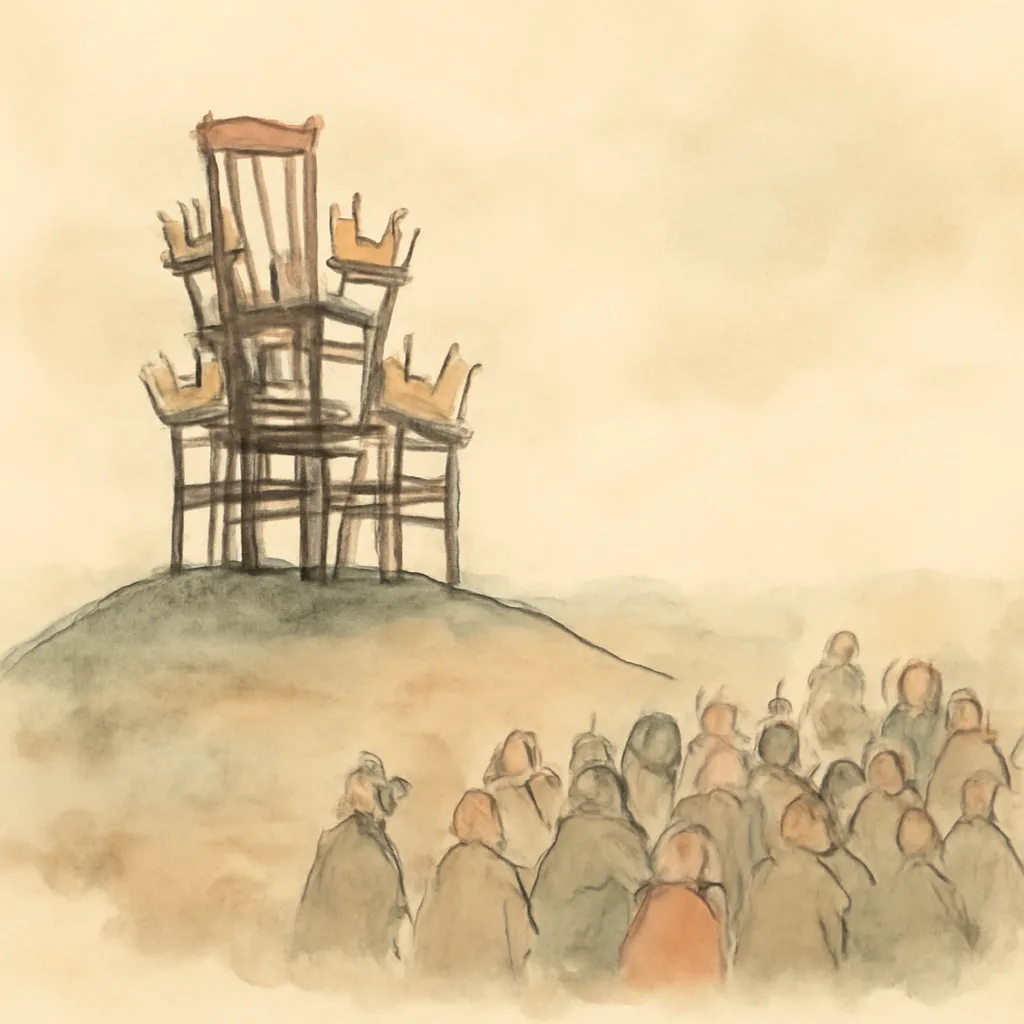
Twain engages with the concept of the divine right of kings, posing critical questions about legitimacy and authority. As Hank navigates the court, he encounters various characters who embody the absurdities of unquestioned power. The king, despite his regal title, is depicted as ineffectual and out of touch with the needs of his people. Hank's attempts to challenge this authority—by using logic and reason—serve to undermine the very foundation of feudal rule. Twain's exploration of this theme resonates with contemporary debates about governance and the nature of leadership, inviting readers to scrutinize the legitimacy of authority in their own societies.
5.The Absurdity of Superstition
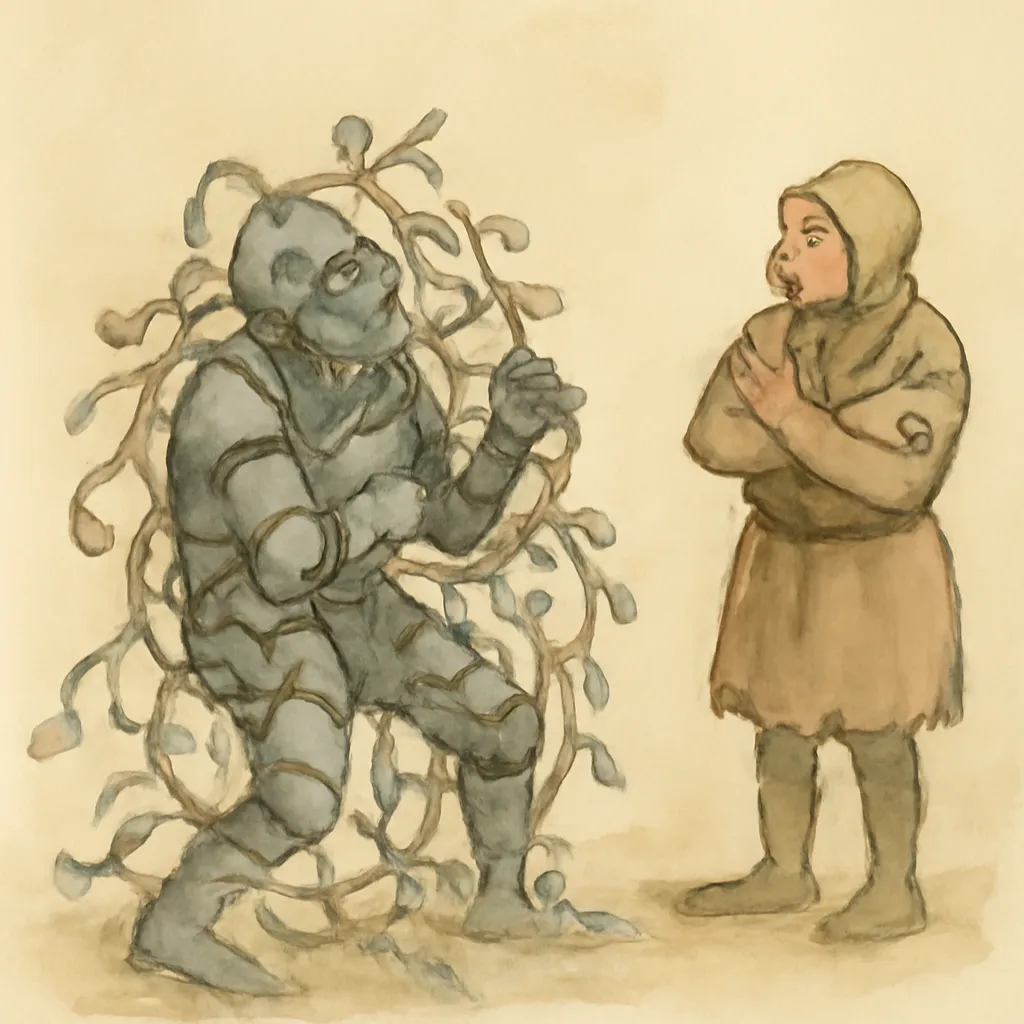
Throughout the novel, Twain contrasts Hank's rational worldview with the superstitious beliefs of the medieval populace. The characters often engage in rituals and practices that are rooted in fear and ignorance, such as witch hunts and reliance on omens. Hank's scientific approach to problem-solving stands in stark opposition to these superstitions, and he frequently finds himself frustrated by the people's unwillingness to embrace reason. This tension serves as a commentary on the dangers of superstition and the importance of critical thinking, positioning Hank as a champion of enlightenment in a dark age.
6.Social Class and Inequality
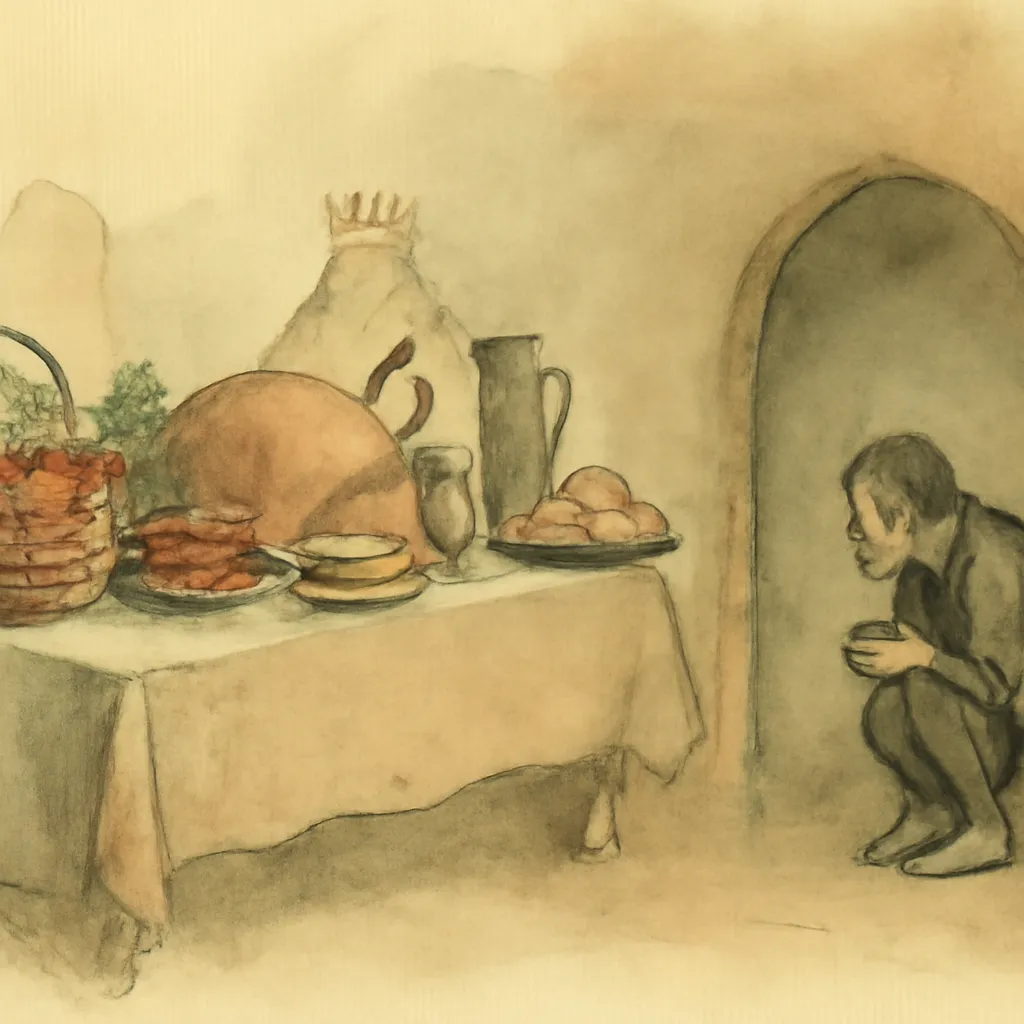
Twain deftly addresses issues of social class and inequality through the interactions between Hank and the various social strata of Camelot. The rigid class distinctions highlight the arbitrary nature of social hierarchy, with nobles enjoying privileges while peasants suffer under oppressive conditions. Hank's efforts to elevate the common people—by advocating for their rights and introducing concepts of democracy—reflect Twain's own concerns about social justice. This theme resonates with the social issues of Twain's own time, drawing parallels between the feudal system of Camelot and the class struggles of 19th-century America.
7.Romanticism vs. Realism
A significant tension in the narrative lies between romanticism and realism, with Twain employing satire to critique the idealized versions of knighthood and heroism. Hank's practical, often cynical approach contrasts sharply with the lofty ideals espoused by the knights. This clash serves to expose the folly of romanticizing the past, as Hank's experiences reveal the harsh realities of medieval life—poverty, violence, and ignorance. By grounding the narrative in realism, Twain effectively dismantles the myths surrounding chivalry and heroism, encouraging readers to embrace a more pragmatic view of history.
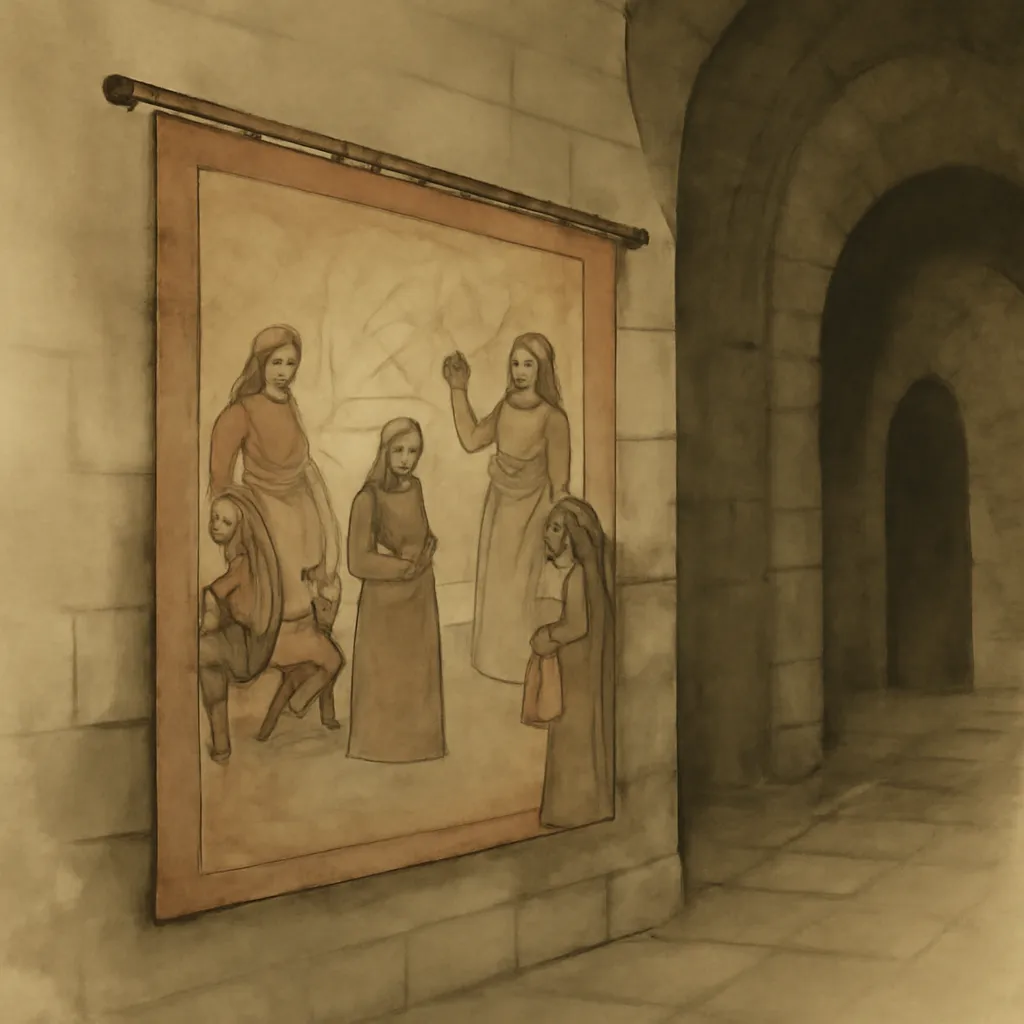
8.The Role of Women
Women in 'A Connecticut Yankee in King Arthur’s Court' are depicted in a variety of roles, from damsels in distress to powerful figures. Twain's portrayal of female characters often reflects the limitations placed upon them by the patriarchal society of Camelot. Characters like Sandy, who initially appears as a typical damsel, gradually reveal depth and agency as the story progresses. Twain critiques the societal expectations of women, suggesting that their value is often reduced to their relationships with men. Through Hank's interactions with women, Twain highlights the need for gender equality and the recognition of women's contributions to society.
9.The Burden of Progress
Hank's journey illustrates the burden of progress, as his attempts to modernize Camelot are met with significant challenges. While his innovations promise to improve the lives of the kingdom's inhabitants, they also provoke fear and resistance among those who are comfortable with the status quo. Twain explores the idea that progress often comes at a cost, as Hank faces backlash for his ideas and experiences the consequences of his actions. This theme raises important questions about the nature of change and the sacrifices necessary to achieve a better future, encouraging readers to consider the complexities of progress.
10.Satire as a Tool for Reflection
Twain's use of satire throughout the novel serves as a powerful tool for reflection, inviting readers to scrutinize their own beliefs and societal norms. By exaggerating the absurdities of both the medieval world and his contemporary society, Twain encourages a critical examination of the values that underpin civilization. The humorous tone of the narrative disarms readers, allowing them to engage with serious themes without becoming overwhelmed. Through laughter and wit, Twain compels readers to confront uncomfortable truths about human nature, governance, and the absurdities of life.