1.The Embrace of New Musical Ideas
Hughes begins by emphasizing the importance of an open-minded approach to music criticism, drawing inspiration from Robert Schumann's enthusiastic embrace of new talent, particularly Johannes Brahms. He critiques those who resist contemporary art, arguing that a true appreciation for music requires an openness to new ideas and forms. This spirit of receptiveness is essential for fostering creativity and innovation within the artistic community. Hughes points out that critics and audiences who cling to outdated standards create a stagnation that hinders the evolution of artistic expression. He believes that the best music emerges when both critics and listeners remain alert to the changing landscape of sound, allowing new compositions the chance to flourish. This openness not only benefits the composers but enriches the entire cultural fabric of American music.
2.The Challenge of Establishing a National Identity
A central theme in Hughes's exploration is the challenge of defining a distinctly American musical identity. He argues that, like individuals, nations undergo periods of imitation and learning before developing their unique expressions. Throughout history, American composers have drawn heavily from European traditions, complicating the notion of a purely 'national' music. Hughes contends that the absence of a strictly national school of music is not a flaw but rather a natural and necessary stage in the evolution of American art. He likens this process to the maturation of individuals who first learn from established masters before cultivating their style. By recognizing the influences of diverse cultural backgrounds, Hughes asserts that American music is an amalgamation of various elements, ultimately leading to an authentic voice that reflects the complexities of its society.
3.The Role of Criticism in Artistic Evolution
Hughes argues that American composers are now prepared for criticism, a crucial component for artistic growth. He highlights the importance of providing encouragement to composers while also confronting their weaknesses, asserting that this duality is essential for developing their craft. Critics, according to Hughes, should approach their role as facilitators of dialogue rather than mere judges. This critical engagement fosters a more rigorous artistic environment, where the interplay of ideas can lead to unexpected innovations. Hughes posits that by embracing constructive criticism, American composers can refine their works and navigate their artistic journeys more effectively, ultimately contributing to the formation of a national music identity. This balance between praise and critique is vital for nurturing a vibrant artistic community.
4.MacDowell's Unique Contribution to American Music
Edward Alexander MacDowell is presented as a pivotal figure in the landscape of American music, often regarded as one of the greatest composers of his time. Hughes highlights MacDowell's unique approach to composition, which combines profound scholarship with a quest for originality. His works are characterized by rich textures and innovative chord progressions, which reflect MacDowell's commitment to exploring the possibilities of sound. Hughes describes how MacDowell's ability to elevate each note within a melody showcases his understanding of musical depth, resulting in compositions that are both complex and accessible. He believes that MacDowell's artistic integrity and innovative spirit serve as a model for contemporary composers seeking to carve out their identities while remaining true to their cultural heritage.
5.Paine's Impact on American Symphonic Tradition
John Knowles Paine emerges as a significant contributor to the establishment of American symphonic music. Hughes emphasizes that Paine's symphony 'Spring' marks a turning point, as it represents one of the first serious attempts at large-scale orchestral composition by an American composer. Hughes draws intriguing parallels between Paine's work and that of his European contemporaries, particularly noting the influence of composers like Joachim Raff. However, Paine's symphony transcends mere imitation; it captures the essence of spring through evocative musical themes that stimulate the listener's imagination. By achieving a balance between classical form and emotional expression, Paine demonstrates that American composers can create works that resonate deeply while adhering to established traditions. Hughes argues that Paine's contributions paved the way for future generations of American composers, solidifying his place in the canon of American music.
6.The Vital Role of Artistic Communities
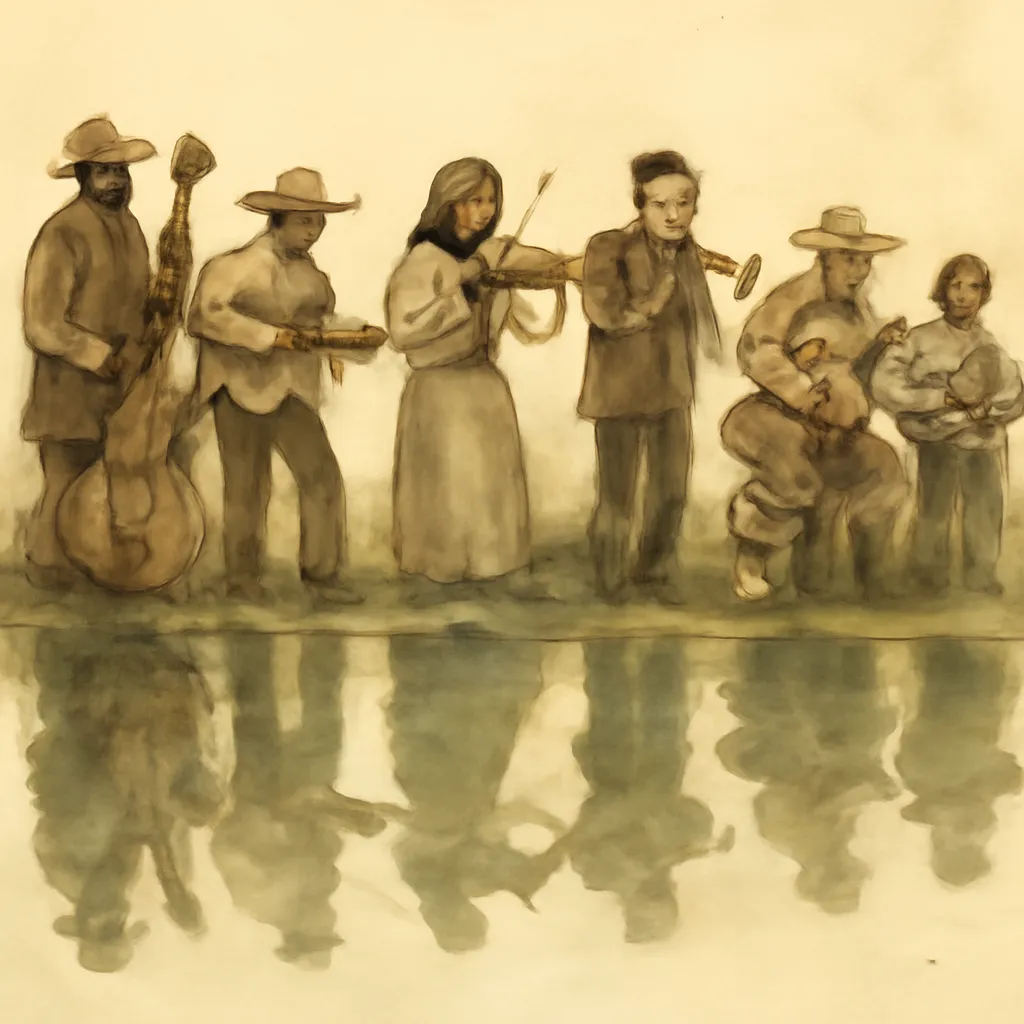
Hughes discusses the significance of artistic communities, or 'ganglia,' in the development of American music. He asserts that collaboration and dialogue among composers are essential for fostering creativity and innovation. The diverse nature of American society means that no single city can dominate the musical landscape, leading to the emergence of vibrant artistic enclaves across the country. While New York may attract many composers, other cities like Boston have made substantial contributions to American music culture. Hughes emphasizes that these artistic colonies not only provide support and inspiration but also ensure that a variety of voices are heard, enriching the overall tapestry of American music. The interdependence of these communities allows for a more dynamic exchange of ideas, which ultimately benefits the musical landscape as a whole.
7.Breaking Barriers: The Rise of Women Composers
Hughes passionately advocates for the recognition of women in the field of composition, challenging the historical narrative that has often marginalized their contributions in the arts. He firmly asserts that the quality of work produced by women composers can rival that of their male counterparts, citing notable figures like Amy Beach and Clara Schumann. Hughes argues that societal attitudes towards women in the arts are gradually shifting, leading to an increase in published works by female composers. This newfound visibility reflects a broader cultural change, as women assert their place in the creative landscape. Hughes believes that as women continue to make their mark on music, the richness of American composition will deepen, creating a more inclusive artistic environment that recognizes diverse perspectives and experiences.
8.The Impact of Immigration on Musical Evolution
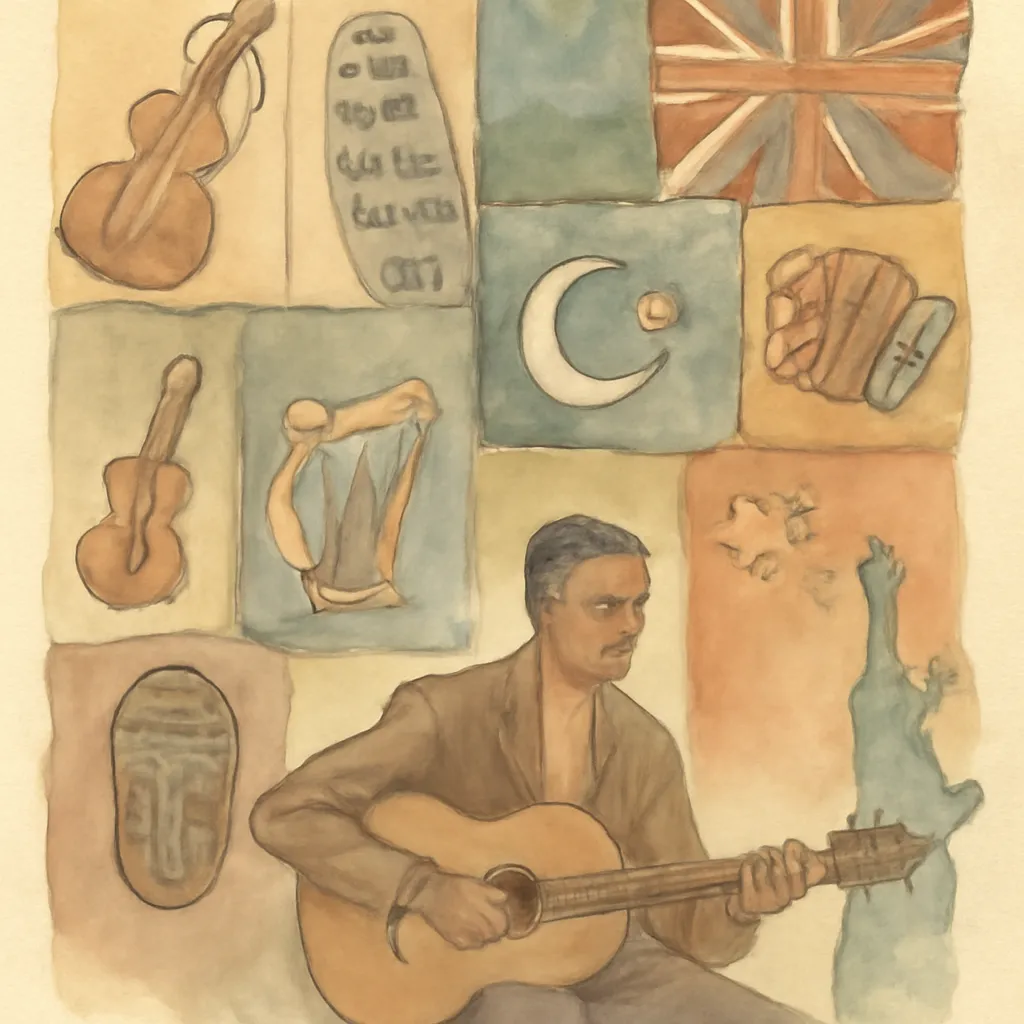
Immigration significantly shapes the evolution of American music, and Hughes highlights how the diverse population of the United States plays a crucial role in its artistic landscape. Many composers who were born abroad have made invaluable contributions to the American music scene, enriching it with their unique perspectives and experiences. Hughes argues that this blending of cultural influences creates a distinctive sound that is both eclectic and cohesive. He posits that the future of American music lies in its ability to assimilate various traditions while developing a unique identity. By acknowledging the contributions of foreign-born composers, Hughes highlights the collaborative nature of artistic expression in America. This intermingling of influences enriches the musical narrative and reflects the multifaceted character of the nation itself.
9.Modernity vs. Tradition: Finding a Harmonious Balance
Hughes emphasizes the importance of balancing modernity and tradition in music composition. He critiques the notion that embracing new styles necessitates abandoning older forms, advocating instead for a synthesis of the two. Hughes argues that the most compelling music often emerges from a dialogue between past and present, allowing composers to honor their influences while forging new paths. This approach not only enriches the music itself but also encourages a deeper appreciation for the evolution of artistic expression. By valuing both modern experimentation and classical foundations, American composers can create works that resonate with audiences on multiple levels. Hughes believes that this balance is essential for cultivating a vibrant musical culture that embraces change while respecting its roots.
10.Art as a Mirror of National Identity
Hughes posits that American music serves as a reflection of the country's national identity, capturing the complexities of its diverse cultural heritage. He argues that the struggles and triumphs of American composers mirror the broader narrative of the nation, as they navigate the challenges of establishing their unique voices amidst a cacophony of influences. Hughes emphasizes that music is not merely an art form; it is a powerful medium for expressing the collective experiences of a people. As American composers continue to explore their identities through their work, they contribute to a larger cultural conversation that defines what it means to be American in a globalized world. Hughes believes that the evolution of American music is intrinsically linked to the ongoing journey of the nation itself, making each composition a testament to the complexities of identity, belonging, and artistic expression.