1.The Isolation that Breeds Originality
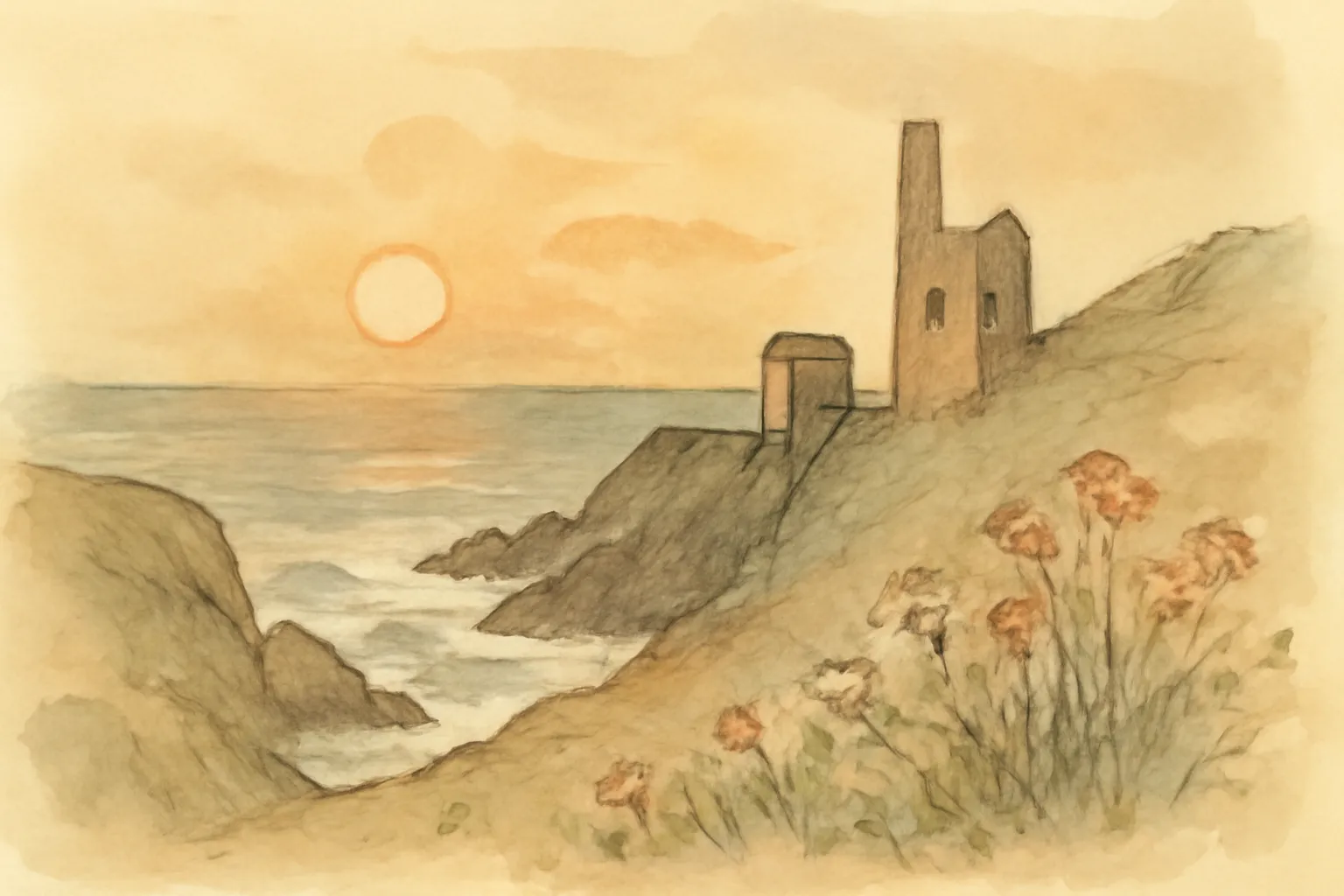
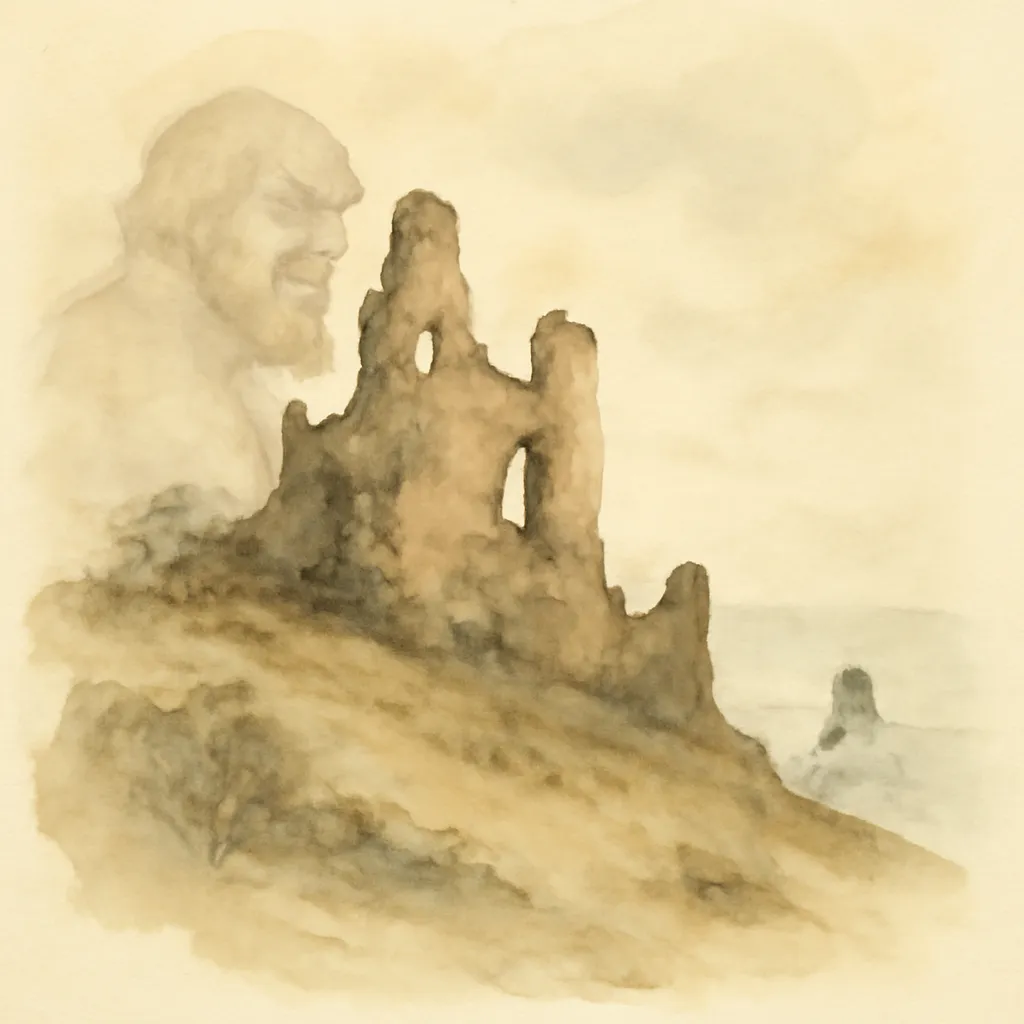
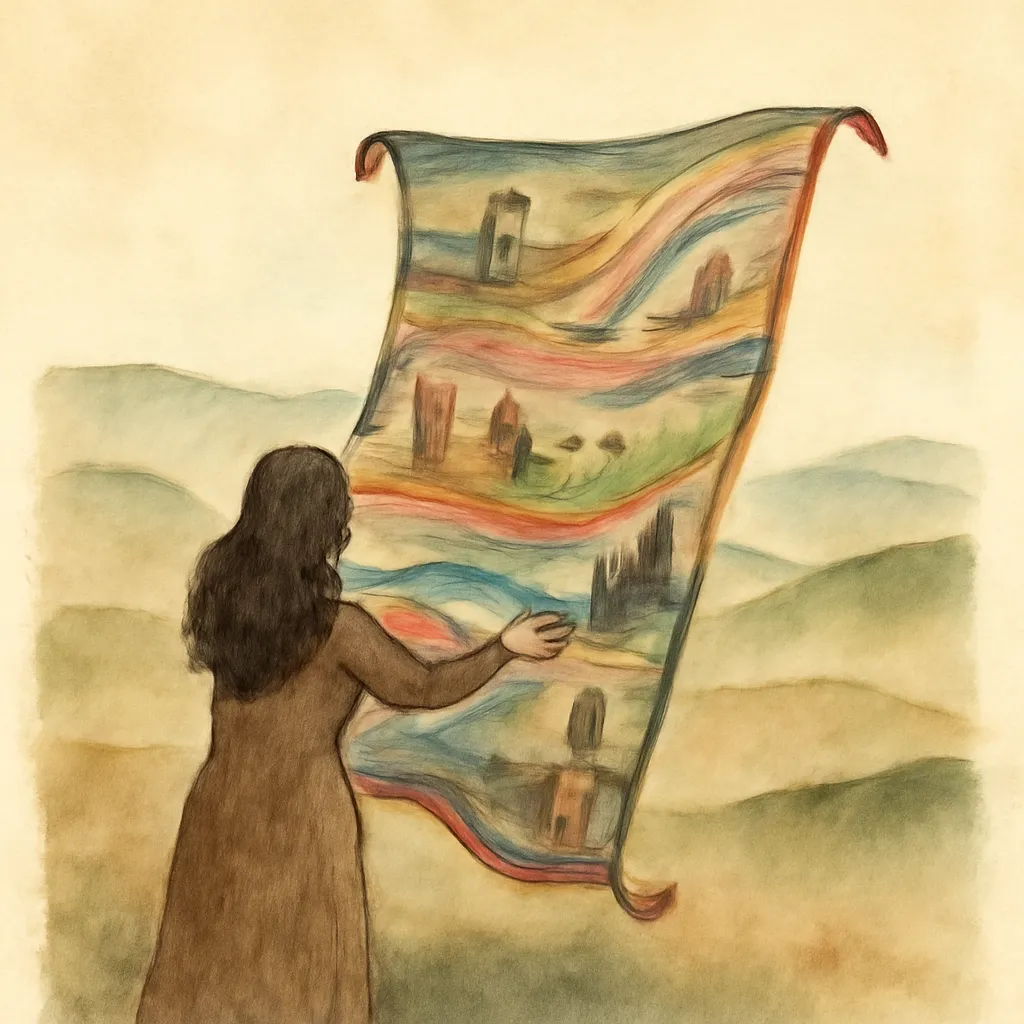
Cornwall's geographical isolation has played a crucial role in shaping the character of its people. Nestled between the Atlantic Ocean and the English Channel, the region's rugged coastline and remote villages fostered a unique culture that stands apart from mainland England. This isolation allowed local customs, dialects, and traditions to flourish, resulting in a distinctive Cornish identity that is both rich and original. The mingling of Celtic heritage with English influences has created a vibrant cultural tapestry, evident in the region's folklore, music, and art. As Baring-Gould illustrates, this originality manifests in the adventurous spirit of Cornwall's seamen and smugglers, who navigated both land and sea with a blend of boldness and ingenuity. The wildness of the landscape has instilled a sense of resilience in its inhabitants, leading to a hardy, resourceful population that has thrived despite challenges.
2.Famous Figures of the Sea
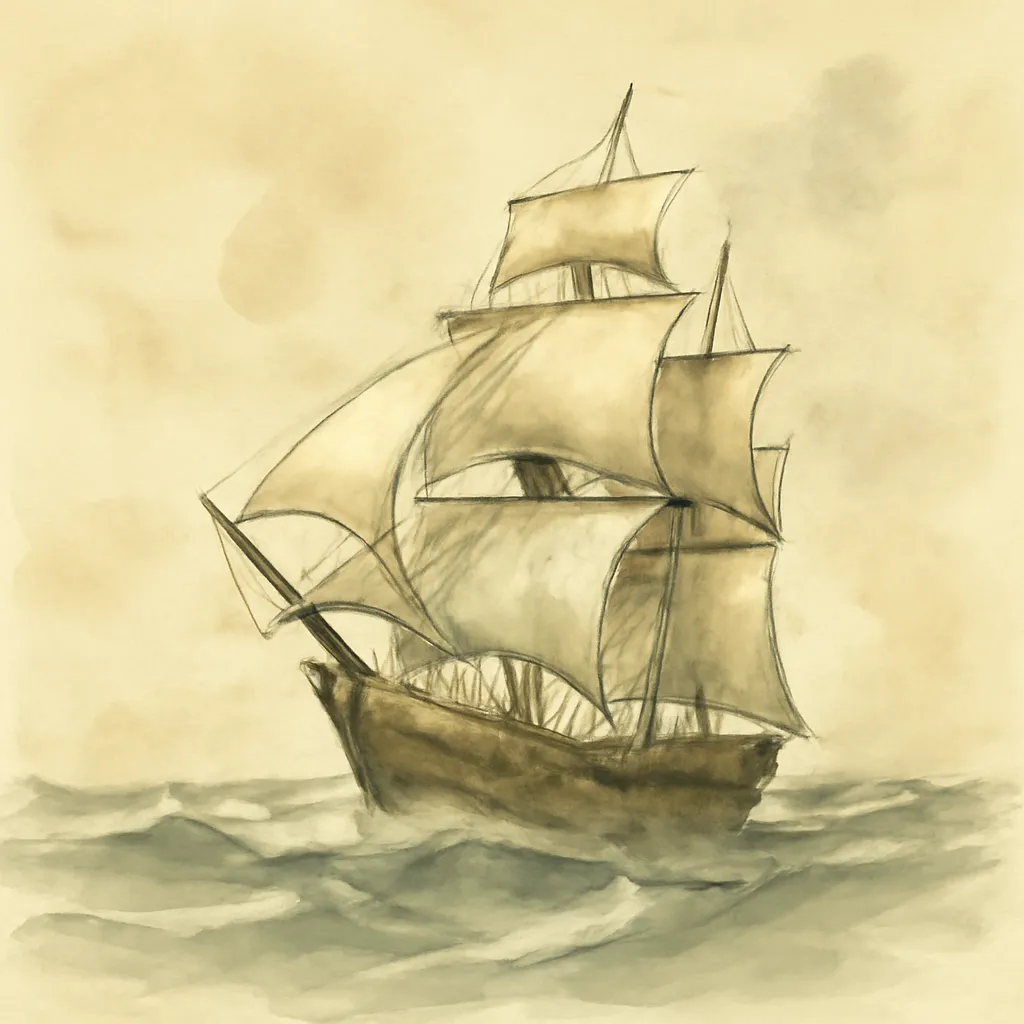
Cornwall's maritime history is rich with tales of legendary sailors who have earned their place in the annals of naval warfare. Figures like 'Old Dreadnought' Boscawen and Pellew exemplify the courage and skill of Cornish seamen, who fought valiantly in battles that shaped the course of history. Their exploits not only brought glory to Cornwall but also demonstrated the region's significant contributions to naval power. Baring-Gould highlights how these sailors were often drawn from the same communities that birthed smugglers, illustrating a duality of character that is both noble and rebellious. The sea, with its unpredictable nature, became a training ground for these men, instilling in them a sense of adventure and a willingness to face peril. This connection to the ocean is not merely a backdrop but a defining aspect of Cornwall's identity, influencing everything from local folklore to communal values.
3.The Smugglers of Cornwall
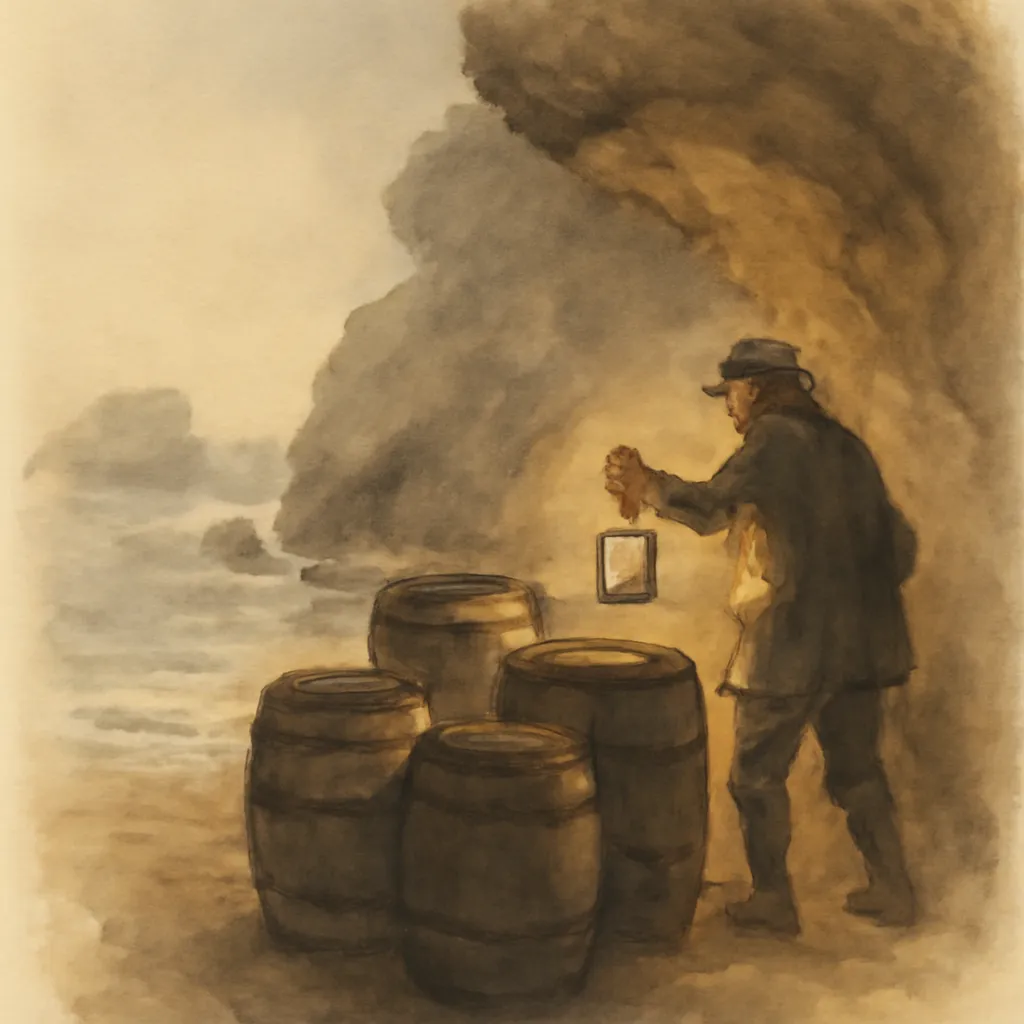
The lore of smugglers is woven deeply into Cornwall's history, reflecting a complex relationship with authority and commerce. Characters like 'The King of Prussia' epitomize the dual nature of smuggling, where religious fervor coexists with a disregard for the law. These smugglers, often viewed as anti-heroes, engaged in a cat-and-mouse game with customs officials, driven by both profit and the thrill of defiance. Baring-Gould recounts how the rugged terrain of Cornwall, with its hidden coves and treacherous cliffs, provided ideal conditions for smuggling operations. The allure of illicit trade attracted many, leading to a culture that romanticized rebellion against oppressive taxes. This phenomenon not only shaped local economies but also contributed to a communal identity that valued independence and resourcefulness. The legacy of these smugglers continues to resonate in Cornwall's cultural narratives, illustrating the region's enduring spirit of resistance.
4.Religious Enthusiasm and Fanaticism
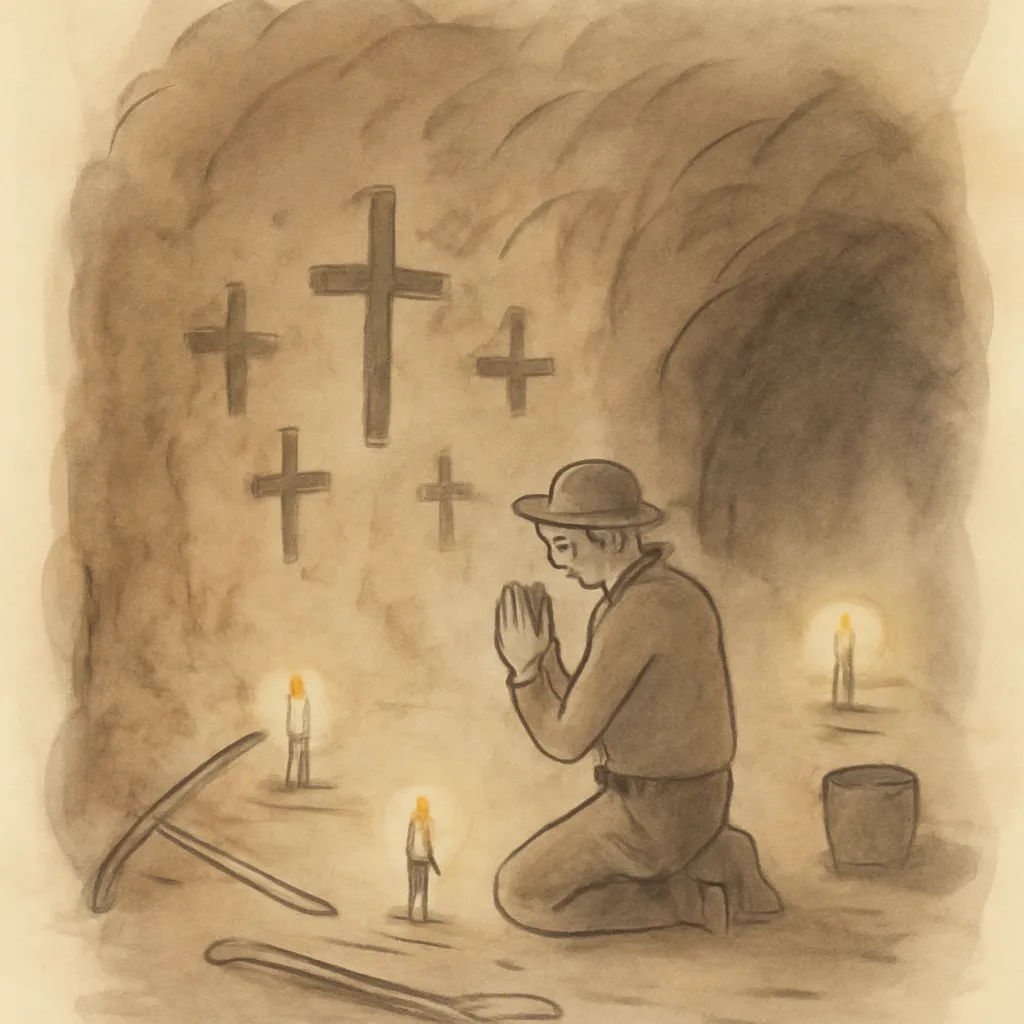
Cornwall has a rich spiritual heritage, characterized by a blend of deep religious enthusiasm and instances of fanaticism. The underground life of the mines, where many Cornishmen toiled, often led to the development of fervent religious beliefs that sometimes took wild and unpredictable forms. Baring-Gould explores how this intense spirituality influenced various aspects of Cornish life, from communal gatherings to individual practices. Figures like Hugh Peters, a chaplain to Oliver Cromwell, exemplify the intersection of religion and social commentary in Cornwall. Peters was known for his sharp wit and humorous critiques of societal norms, using his platform to address issues of morality and duty. This blend of fervor and eccentricity highlights how religion in Cornwall was not merely a private affair but a public spectacle, often interwoven with local folklore and community life.
5.Eccentrics and Visionaries
The landscape of Cornwall has also produced a remarkable array of eccentrics and visionaries, individuals whose lives and works reflect the region's unique character. Baring-Gould introduces readers to figures like Sir James Tillie and Daniel Gumb, whose unconventional lifestyles and ideas challenged societal norms. These eccentrics often became local legends, embodying the spirit of individuality that Cornwall celebrates. Their stories serve as reminders that creativity and innovation often thrive in environments that allow for divergence from the mainstream. Additionally, the book delves into the contributions of notable Cornishmen in various fields, from science to the arts, showcasing how the region has nurtured talent that has achieved national and even global recognition. This celebration of eccentricity underscores the importance of embracing diversity in thought and expression, which has become a hallmark of Cornwall's identity.
6.The Role of Cornish Women
While much of Cornwall's history has focused on its male figures, the contributions of women in the region have been equally significant yet often overlooked. Baring-Gould highlights the roles women played in both domestic and public spheres, from supporting their families through fishing and farming to participating in local governance and religious activities. The resilience and resourcefulness of Cornish women have been essential in shaping the community's fabric, often acting as the backbone of family and social structures. Additionally, women have been instrumental in preserving local traditions and folklore, passing down stories and customs through generations. Their influence can be seen in various aspects of Cornish culture, from music to culinary traditions, illustrating that the spirit of Cornwall is not solely defined by its male figures but is a collective effort that includes the vital contributions of women.
7.The Intersection of Folklore and History
Baring-Gould's narrative deftly intertwines folklore with historical events, illustrating how the two are often inseparable in Cornwall. The region's rich tapestry of myths, legends, and anecdotes serves as a lens through which to view its history. Tales of giants, mermaids, and other mythical creatures reflect the imaginative spirit of the Cornish people and their connection to the land and sea. These stories, while fantastical, often contain kernels of truth that reveal the values, fears, and aspirations of the community. Baring-Gould emphasizes that folklore is not merely entertainment but a vital part of cultural identity, shaping how people relate to their environment and each other. By examining the interplay between folklore and history, readers gain a deeper understanding of how Cornish identity has evolved and continues to be expressed through storytelling.
8.Political Contributions of Cornwall
Cornwall has also made notable contributions to the political landscape of England, producing influential figures who have shaped national governance. Politicians like Godolphin and Sir William Molesworth exemplify Cornwall's capacity to influence political thought and action at higher levels. Baring-Gould discusses how these individuals navigated complex political landscapes, often advocating for the interests of their constituents while also engaging in broader national issues. Their stories reflect the dual identity of Cornwall as both a unique regional entity and an integral part of the larger English narrative. The political history of Cornwall is marked by a blend of local pride and national ambition, showcasing how the region has played a significant role in shaping democratic ideals and governance. This exploration of political contributions highlights the importance of regional voices in the broader context of national politics.
9.Legends of the Land
Cornwall's landscape is dotted with sites of historical and mythical significance, each with its own legends that contribute to the region's identity. From ancient stone circles to the ruins of castles, these landmarks are not just remnants of the past but active participants in the cultural narrative of Cornwall. Baring-Gould delves into the stories behind these places, revealing how they have inspired generations of locals and visitors alike. The legends associated with these sites often reflect broader themes of struggle, triumph, and the enduring connection between people and their environment. They serve as reminders of the rich history that permeates the land, inviting exploration and reflection. This connection to the land fosters a sense of belonging and identity among the Cornish people, reinforcing the idea that their heritage is deeply intertwined with the very geography they inhabit.
10.The Legacy of Cornwall
The legacy of Cornwall is one of resilience, creativity, and individuality, shaped by its unique history and the diverse characters that have emerged from its landscape. Baring-Gould's exploration reveals how the region's distinct identity continues to evolve while honoring its rich past. The stories of sailors, smugglers, eccentrics, and visionaries serve as a testament to the spirit of Cornwall, reminding readers that every community has its own narrative that deserves to be told. As Cornwall navigates the challenges of modernity, the preservation of its culture and traditions becomes increasingly important. The lessons gleaned from its history emphasize the value of community, creativity, and the courage to forge one's path. Ultimately, Cornwall stands as a vibrant example of how place and identity are intertwined, offering insights that resonate far beyond its borders.