1.The Evolution of Music's Purpose
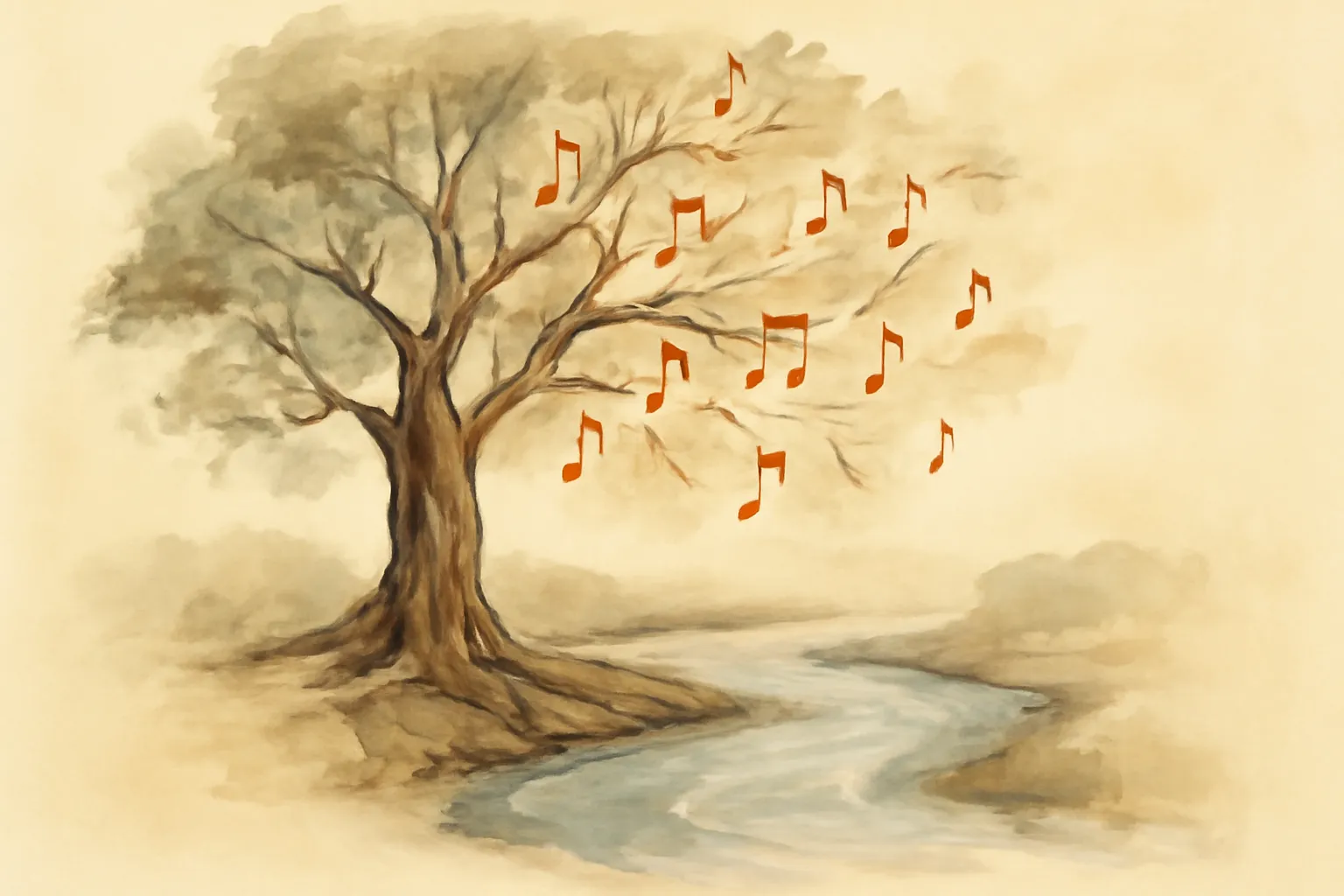
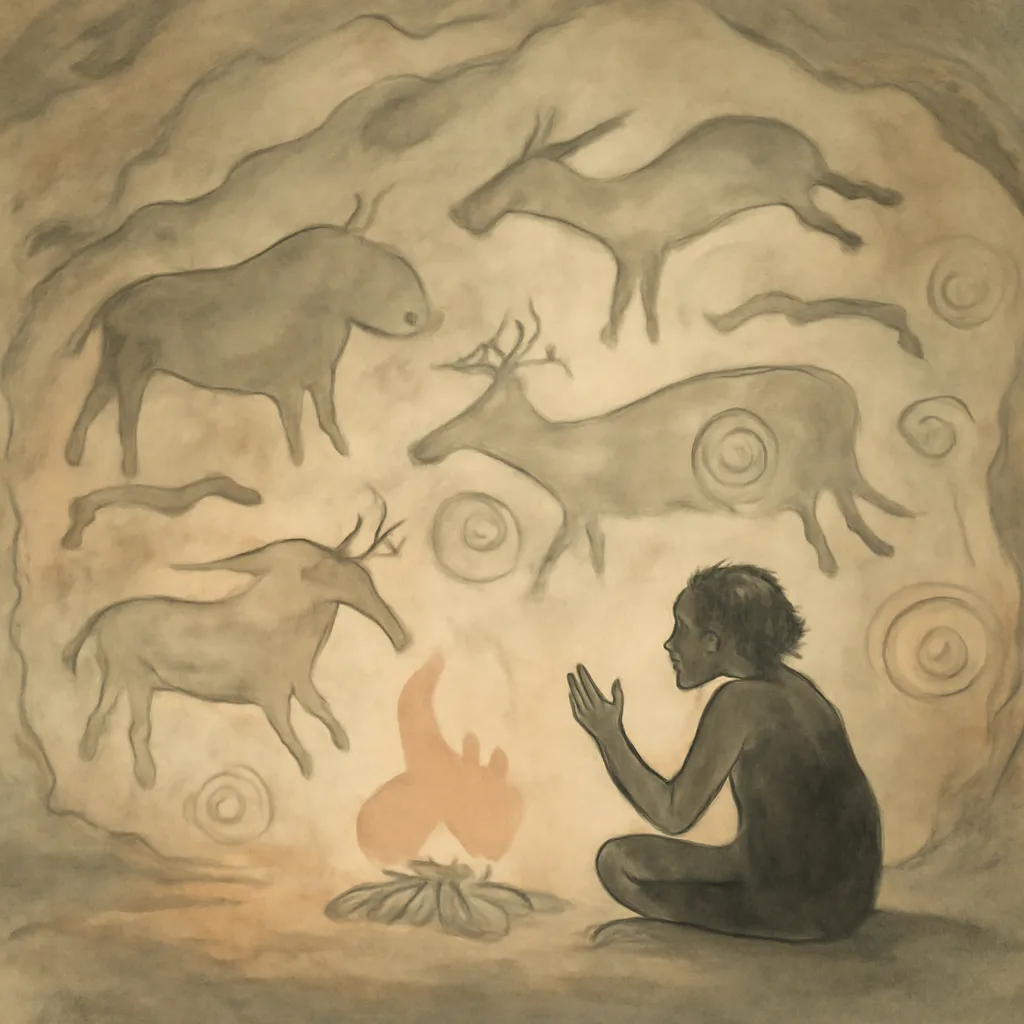
MacDowell argues that music's origin is deeply rooted in human emotion rather than mere imitation of natural sounds. He challenges Darwin's theory, suggesting that music emerged as a way for early humans to express complex feelings. This idea posits that as humans evolved, so did their means of communication, with music serving as a powerful vessel for emotional expression. MacDowell emphasizes that the strongest emotions, particularly fear, drove the need for musical expression, stating that fear was the primal emotion that necessitated auxiliary aids to express and invoke it. He elucidates that primeval humans, in their attempts to connect with the world around them, developed music as a universal language distinct from spoken words. This emotional foundation set the stage for music to develop into a sophisticated art form capable of conveying the depths of human experience.
2.The Role of Folk Music in Cultural Identity
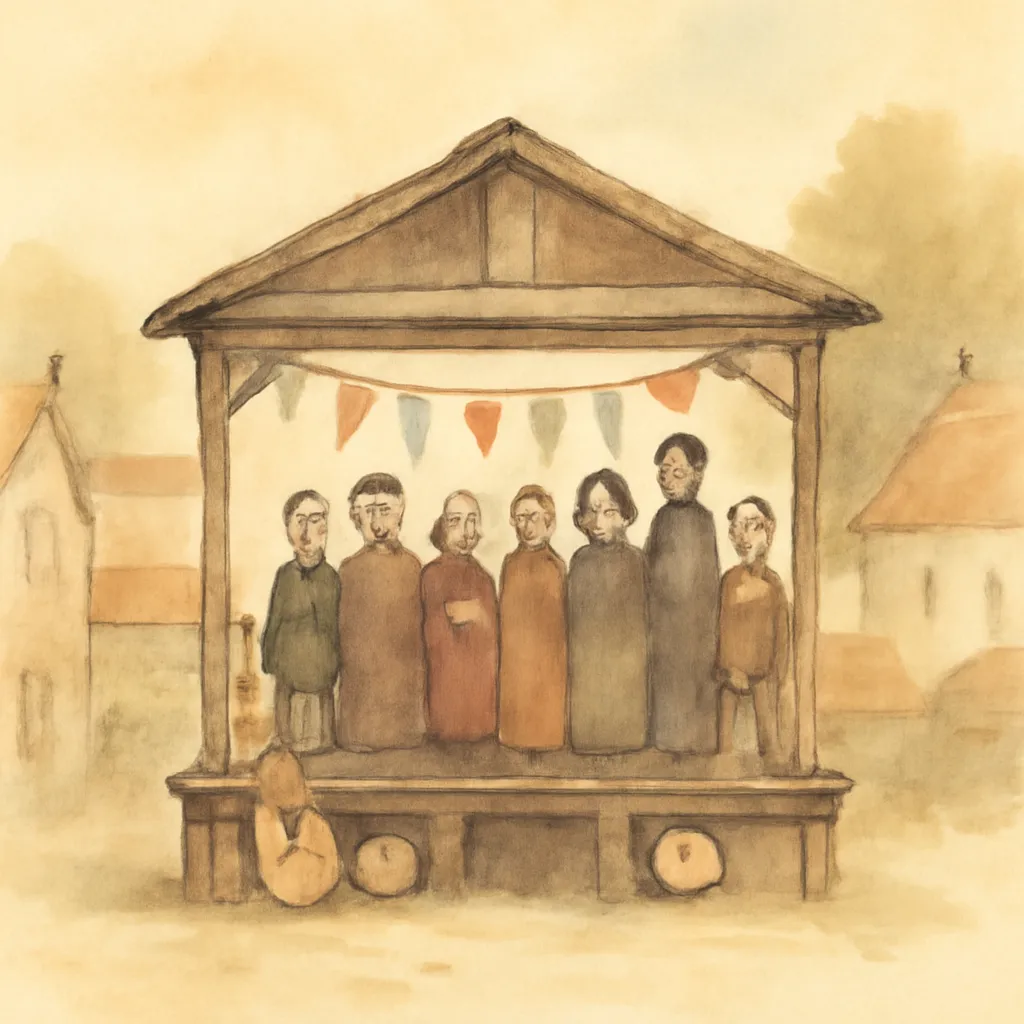
Folk music is presented as a vital force in preserving cultural identity throughout history. MacDowell emphasizes that while formal musical theory often struggled against the constraints imposed by religion and societal norms, folk music thrived in the hearts of the common people. He articulates that folk music has always been a reflection of communal life, capturing the essence of everyday experiences in resonant melodies and rhythms. As theorists debated the mathematical properties of music, the vital spark of the divine art was kept alive by those who sang from the heart. This grassroots music laid the groundwork for future musical innovations, serving as a source of inspiration for composers like Beethoven, who would later draw from these traditional forms to express complex emotional narratives. MacDowell argues that folk songs are not merely remnants of the past but living traditions that continue to shape national identities, fostering a sense of belonging and continuity within communities.
3.The Complexity of Musical Notation
MacDowell explores the evolution of musical notation and its significance in the development of music theory. He notes that early notation systems often failed to capture the nuances of musical expression, leading to a rigid interpretation of music. The transition to more sophisticated systems, such as those developed by Hucbald and Guido d'Arezzo, marked a pivotal moment in music history, as these innovations allowed composers to convey their intentions more clearly. Hucbald's introduction of lines and spaces for notation enabled musicians to think in more abstract ways about music, facilitating both composition and performance. This evolution is crucial for understanding how music became a written art form, capable of being studied and performed across generations. Moreover, as notation improved, composers began to experiment with harmony and counterpoint, enriching the emotional and structural complexity of their works. MacDowell emphasizes that this development not only transformed music into a scholarly discipline but also elevated its status as an art form deserving of academic inquiry.
4.Music as a Reflection of Society
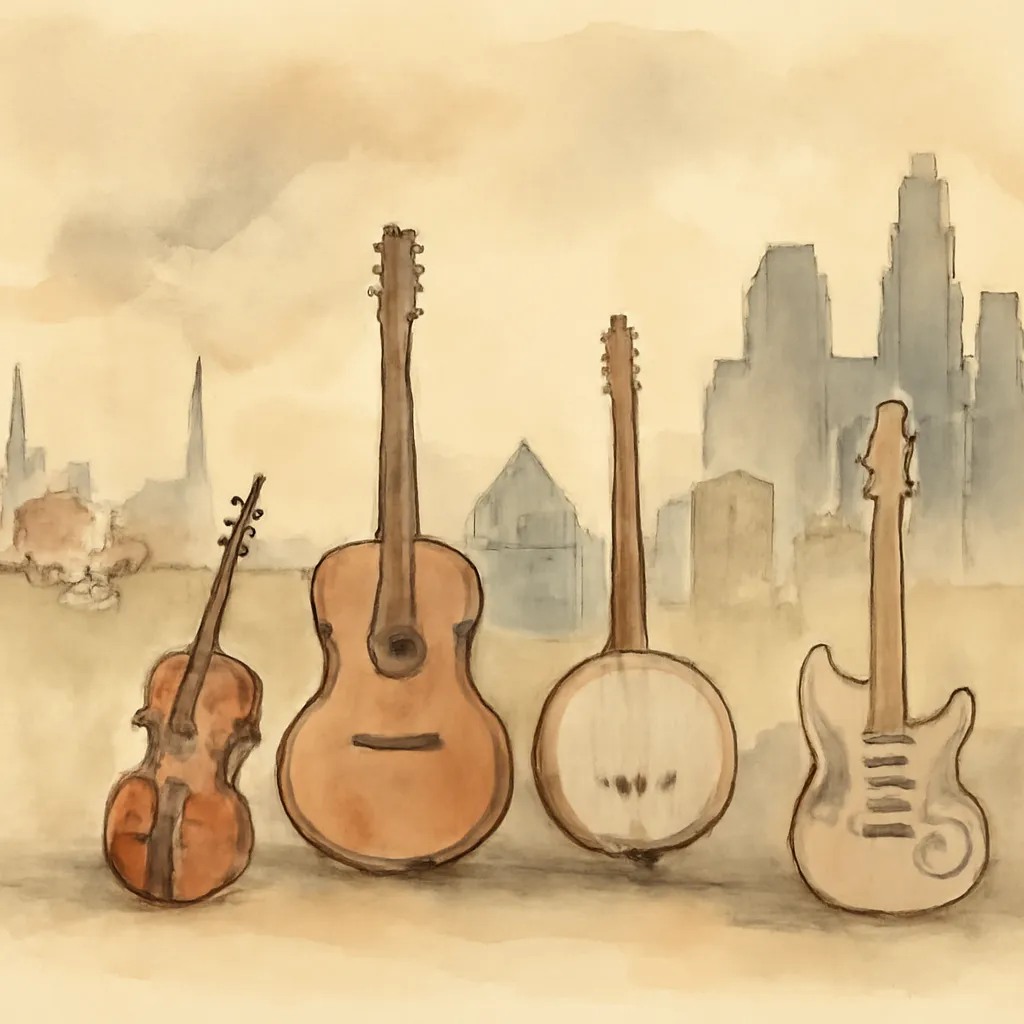
Throughout history, music has mirrored societal changes and cultural shifts. MacDowell discusses how various musical forms emerged in response to the prevailing social and political climates. For instance, the rise of opera in the 17th and 18th centuries reflects both the artistic aspirations and societal dynamics of the time. He points out that opera, as a fusion of music, drama, and spectacle, highlights the complexities of human relationships and societal norms. The emotional appeal of opera allowed it to resonate with audiences, serving as both entertainment and commentary on contemporary issues. MacDowell argues that as composers responded to their environments, music became a powerful commentary on the human condition, illustrating how art can both shape and reflect the world around us. This interplay between music and society underscores the notion that music is not created in a vacuum; rather, it is influenced by the cultural, political, and historical contexts in which it exists.
5.The Interplay of Emotion and Technique

One of MacDowell's central themes is the interplay between emotional expression and technical mastery in music. He argues that while technical skill is essential for a composer, it must serve the larger purpose of conveying emotion. This balance is exemplified in the works of composers like Beethoven, whose music transcends technical boundaries to evoke profound emotional responses. MacDowell stresses that music should not be reduced to mere mechanical execution; rather, it should be a living expression of the human experience. He invites musicians to consider the deeper emotional narratives behind their works, asserting that audiences connect more deeply with music that is infused with genuine feeling. This perspective challenges musicians and composers to prioritize emotional authenticity over technical perfection, fostering a deeper connection with their audiences. Such a synthesis of emotion and technique not only enriches the music itself but also elevates the experience of both performers and listeners.
6.The Influence of Ancient Cultures on Music

MacDowell investigates the music of ancient cultures, such as the Hebrews, Egyptians, and Greeks, revealing how their musical practices have influenced contemporary music. He notes that while much of this ancient music has been lost, the theoretical frameworks established by these cultures continue to resonate in modern musical practices. For instance, the Greeks' understanding of harmony and rhythm laid the groundwork for Western music theory. He provides examples of ancient instruments and their cultural significance, such as the lyre of the Hebrews, which served both musical and ceremonial purposes. By examining these ancient traditions, MacDowell underscores the importance of historical context in understanding the evolution of music and its enduring legacy across cultures. He contends that the contributions of these early civilizations are foundational to the development of music as a universal language, reflecting the shared human experience across time and space.
7.The Development of Instrumental Music
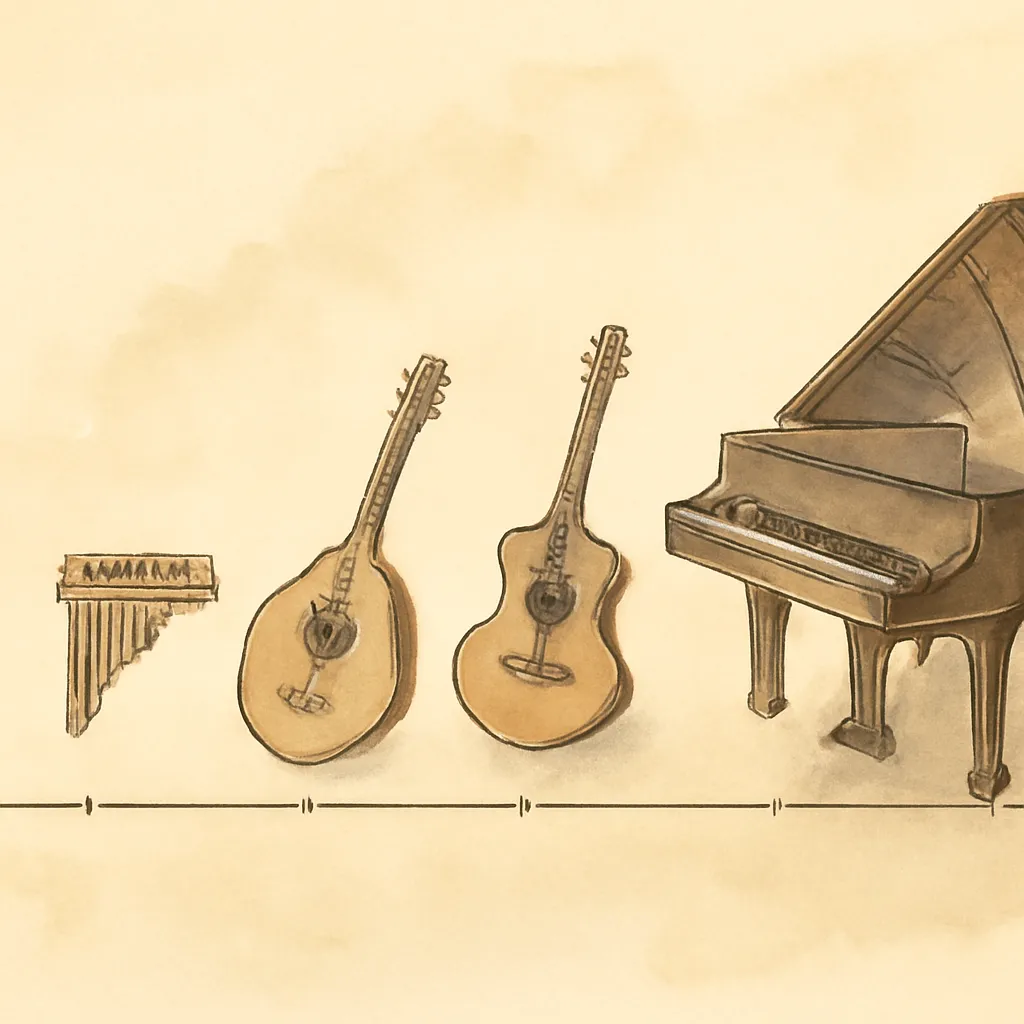
The evolution of instrumental music is another key area of focus for MacDowell. He traces how instruments have developed over time, adapting to the changing demands of composers and audiences alike. This evolution is not merely a matter of technological advancement; it reflects a broader cultural shift towards valuing instrumental music as a legitimate form of artistic expression. MacDowell discusses the transition from predominantly vocal music to the rise of instrumental forms during the Renaissance and Baroque periods. He highlights how composers like Corelli and Bach expanded the possibilities of instrumental music, exploring new textures, harmonies, and forms. The transition allowed for greater emotional expression and complexity within compositions. MacDowell argues that this development opened new avenues for artistic exploration, enabling musicians to convey abstract ideas and emotions through sound alone, which paved the way for the rich tradition of instrumental music that continues to flourish today.
8.The Role of Music in Nationalism
MacDowell addresses the relationship between music and nationalism, particularly in the context of the 19th century. He argues that composers harnessed folk music elements to evoke national pride and cultural identity. This trend is evident in the works of composers like Dvořák and Smetana, who incorporated native melodies and rhythms into their compositions to celebrate their cultural heritage. MacDowell posits that music can serve as a powerful unifying force, bringing people together under a shared cultural banner. He notes that during periods of national struggle or identity formation, music has played a critical role in fostering a sense of community and collective memory. This exploration of nationalism in music reveals how composers can influence societal sentiments and reinforce the idea that music is not just an art form but a vehicle for cultural expression and identity. By examining the interplay between music and nationalism, MacDowell emphasizes the profound impact that music has on shaping societal values and aspirations.
9.The Impact of Music Education
MacDowell's insights into music education reveal his belief in the transformative power of teaching music. He emphasizes the importance of instilling a deep understanding of music's emotional and historical contexts in students. By educating future musicians not only in technique but also in the cultural significance of music, educators can cultivate a generation that appreciates the art form's depth. MacDowell envisions a music education that transcends rote learning and fosters creativity, encouraging students to engage with music critically and personally. He advocates for a holistic approach to teaching music that integrates theory, history, and performance, enabling students to develop a well-rounded understanding of the art form. This perspective underscores the necessity of fostering a love for music that transcends mere performance, encouraging students to become informed and passionate advocates for the art form. The impact of quality music education can lead to a more culturally aware and emotionally sensitive society, where music serves as a bridge between generations and cultures.
10.The Future of Music
In his essays, MacDowell reflects on the future of music, contemplating its potential directions and challenges. He acknowledges the rapid changes in musical styles and technologies, suggesting that these shifts could either dilute or enrich the art form. MacDowell expresses hope that as music continues to evolve, it will remain anchored in its emotional roots and cultural significance. He encourages composers to embrace innovation while honoring the traditions that have shaped music throughout history. This forward-looking perspective highlights the dynamic nature of music as an art form, suggesting that its greatest potential lies in its ability to adapt and resonate with future generations. MacDowell's vision for the future of music underscores the importance of maintaining a balance between innovation and tradition, ensuring that music remains a vital and relevant form of expression in an ever-changing world.