1.The Power of Love and Its Jealousy

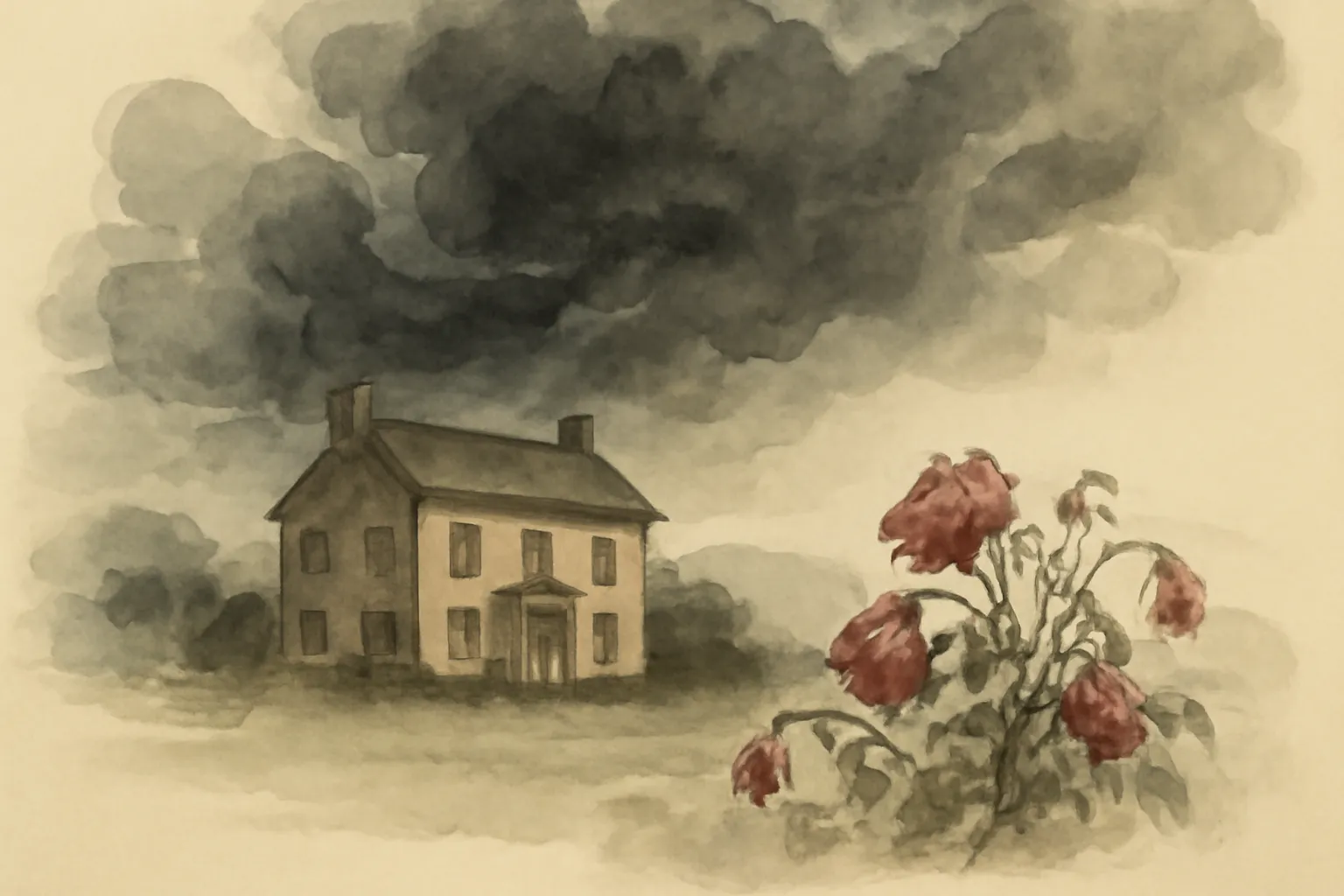
At the heart of 'Cruel as the Grave' is the powerful bond of love between Lyon and Sybil Berners, which serves as both a source of strength and conflict. Their relationship is portrayed as idyllic at first, with Lyon's tender affections for Sybil illuminating the depths of their connection. However, love's intensity is mirrored by the potential for jealousy, especially with the introduction of Rosa Blondelle. Sybil's feelings of insecurity begin to surface as she perceives the attention Lyon pays to Rosa, leading to a dangerous concoction of passion and jealousy. This duality of love emphasizes that while it can inspire the highest sentiments, it can also lead to destructive emotions when left unchecked. The novel suggests that love, when intertwined with jealousy, can cloud judgment and lead to tragic outcomes. This theme is exemplified by Sybil's internal struggle, as her love for Lyon is both her greatest strength and her most significant vulnerability.
2.Character Complexity: Sybil Berners

Sybil Berners emerges as a complex character whose fiery spirit and strong will define her actions throughout the story. Described as a 'beautiful, black-haired, bright-eyed little brunette,' Sybil is a force of nature, embodying both passion and vulnerability. Her strong-willed nature makes her a law unto herself, and her refusal to conform to societal expectations adds depth to her character. Sybil's love for Lyon is intense, yet it is her jealousy towards Rosa that propels the narrative into darker territories. Her emotional turmoil is palpable, as she grapples with feelings of betrayal and insecurity, leading her to make increasingly desperate choices. This complexity makes Sybil relatable, as her struggles reflect the universal themes of love, fear, and the need for validation. Southworth paints a vivid portrait of Sybil as a woman torn between her desires and the harsh realities of her emotional landscape, allowing readers to empathize with her plight as she navigates the perilous waters of love.
3.The Arrival of the Beautiful Stranger

The entrance of Rosa Blondelle into the Berners' lives serves as a catalyst for the unfolding drama. Rosa is depicted as a captivating beauty, whose arrival disrupts the harmony of Lyon and Sybil's marriage. Her background as a wealthy widow adds layers to her character, as she navigates her new surroundings with a mix of charm and cunning. The contrast between Rosa and Sybil is stark; while Sybil represents fiery passion, Rosa embodies an alluring calmness that draws others in. This dichotomy sets the stage for the jealousy that festers within Sybil, as she perceives Rosa not only as a rival for Lyon's affections but as a threat to her very identity. Rosa's presence escalates tensions, illustrating how an outsider can influence established relationships and ignite underlying insecurities. The novel deftly explores how the introduction of a new character can unravel the fabric of a seemingly stable relationship, opening the door to misunderstandings and conflict, which ultimately leads to tragic consequences.
4.The Role of the Male Protagonist: Lyon Berners

Lyon Berners is portrayed as a devoted husband whose love for Sybil is genuine, yet his obliviousness to the brewing jealousy complicates his character. Initially, he is depicted as the ideal husband, attentive and affectionate. However, his interactions with Rosa inadvertently create a rift between him and Sybil. Lyon's naivety regarding Sybil's feelings highlights the theme of miscommunication, as he fails to recognize the depth of her emotional struggles. This lack of awareness contributes to the tragic trajectory of the story, as Lyon's unintentional actions set off a chain reaction of jealousy and despair. His character serves as a reminder of how even the most well-meaning intentions can lead to unintended consequences, especially when emotions run high. Southworth skillfully crafts Lyon as a character who embodies both the strengths and weaknesses of love, showcasing how his desire to please both women inadvertently leads to heartache.
5.The Tragic Consequences of Jealousy

As the plot unfolds, the destructive nature of jealousy becomes increasingly evident, culminating in tragic events that alter the characters' lives forever. Sybil's jealousy manifests in irrational thoughts and actions, leading her to believe that Lyon's affections are no longer hers alone. This inner turmoil escalates to the point where she feels driven to extremes, showcasing how jealousy can warp perceptions and lead to drastic measures. The narrative illustrates that unchecked jealousy can lead to violence, as evidenced by the tragic climax where accusations and misunderstandings spiral out of control. This theme serves as a cautionary tale about the dangers of allowing jealousy to dictate one's actions, emphasizing that it can destroy relationships and lives. Southworth powerfully conveys how jealousy, born from love, can morph into a monster that consumes the individual, leading to irreversible consequences that leave a trail of despair in its wake.
6.The Impact of Social Expectations
Set against the backdrop of 19th-century Virginia, 'Cruel as the Grave' delves into the societal expectations that shape the characters' lives and decisions. The pressure to conform to social norms affects Sybil, who feels the weight of her family's legacy and the expectations of her father. Her refusal to accept suitors based solely on their status reflects her desire for true love, yet it also places her in a vulnerable position when faced with competition from Rosa. The societal constraints of the time create a tension that exacerbates the characters' emotional struggles, as they navigate love, duty, and personal desire. Southworth's exploration of these social dynamics adds depth to the narrative, illustrating how external pressures can influence personal choices and lead to tragic outcomes. This commentary on society serves as a reflection of the challenges faced by women in a patriarchal world, where love and marriage often become battlegrounds for self-identity and autonomy.
7.The Symbolism of the Setting

The setting of Black Hall and the surrounding landscapes serves as a rich symbol throughout the novel, reflecting the emotional states of the characters. The picturesque beauty of Virginia's valleys contrasts sharply with the turmoil brewing within the Berners' home. The changing seasons mirror the characters' emotional journeys, with autumn representing both the beauty of love and the onset of decay brought on by jealousy. The imagery of darkness and light further emphasizes the themes of the novel; moments of joy are often shadowed by the specter of jealousy and betrayal. Southworth's vivid descriptions of the landscape enhance the emotional resonance of the story, illustrating how the environment can reflect and amplify the characters' internal struggles. The juxtaposition of serene natural beauty against the chaos of human emotion underscores the novel's exploration of the conflicts between love and jealousy, suggesting that external beauty can often mask internal turmoil.
8.The Unraveling of Relationships

As the narrative progresses, the relationships between the characters begin to unravel under the strain of jealousy and misunderstanding. The bond between Lyon and Sybil, once characterized by love and trust, becomes fraught with suspicion and resentment. Sybil's emotional state deteriorates as she grapples with her feelings of inadequacy and fear of losing her husband. Rosa's presence complicates matters further, as she becomes a focal point for Sybil's ire and longing. This unraveling is not limited to the Berners' marriage; it extends to the relationships with their friends and the community, as suspicions and rumors begin to circulate. The disintegration of these bonds illustrates how jealousy can poison even the most intimate connections, leading to isolation and despair. Southworth poignantly captures this unraveling as a reflection of how emotional turmoil can corrode trust and affection, leaving behind a barren landscape marked by betrayal and sorrow.
9.Themes of Betrayal and Redemption

Betrayal is a central theme in 'Cruel as the Grave,' manifesting in various forms throughout the narrative. Sybil feels betrayed by Lyon's perceived affection for Rosa, while Rosa's actions can be seen as a betrayal of the trust that comes with friendship. The ultimate act of betrayal occurs when accusations arise, leading to a tragic climax that forces the characters to confront their choices. However, the novel also hints at the possibility of redemption, as the characters grapple with the consequences of their actions. The journey towards redemption is fraught with challenges, as they must navigate the complexities of love, guilt, and forgiveness. This exploration of betrayal and redemption adds depth to the narrative, suggesting that even in the darkest moments, there exists the potential for healing and reconciliation. Southworth leaves readers with a sense of hope that, despite the pain of betrayal, love can ultimately lead to understanding and forgiveness.
10.The Role of Fate and Destiny
In 'Cruel as the Grave,' fate plays a significant role in shaping the characters' lives and the trajectory of the plot. The seemingly random events that unfold—such as the arrival of Rosa and the subsequent misunderstandings—point to a sense of inevitability that permeates the narrative. The characters' attempts to control their destinies are often thwarted by unforeseen circumstances, highlighting the theme of helplessness in the face of fate. This interplay between free will and destiny raises questions about the characters' agency, as they navigate a world that seems to conspire against them. The novel suggests that while individuals may strive for happiness and fulfillment, the forces of fate can lead to unforeseen consequences that alter the course of their lives. Southworth deftly weaves this theme throughout the narrative, inviting readers to ponder the delicate balance between personal choice and the whims of fate.