1.Consent and Autonomy Under Alien Power
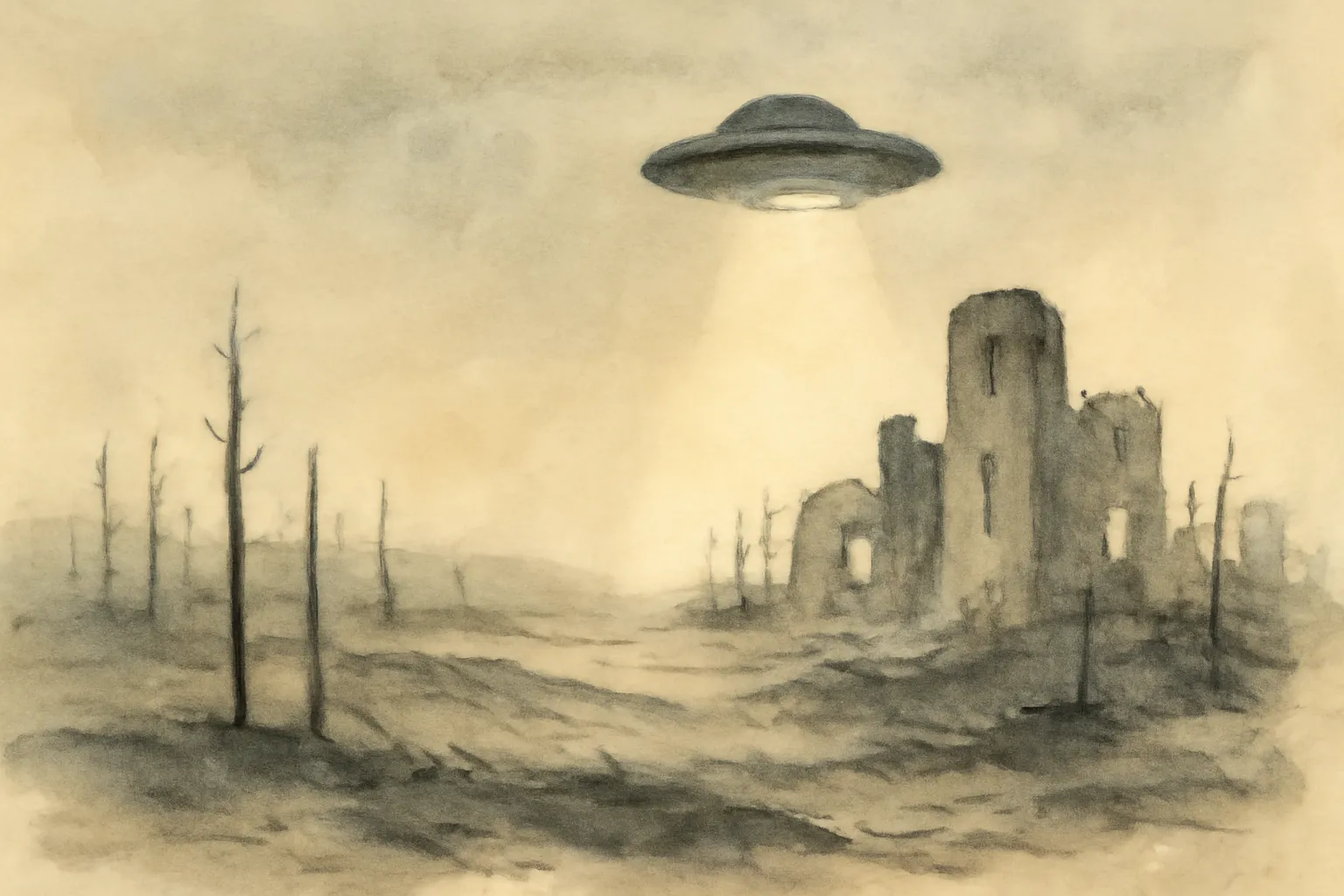
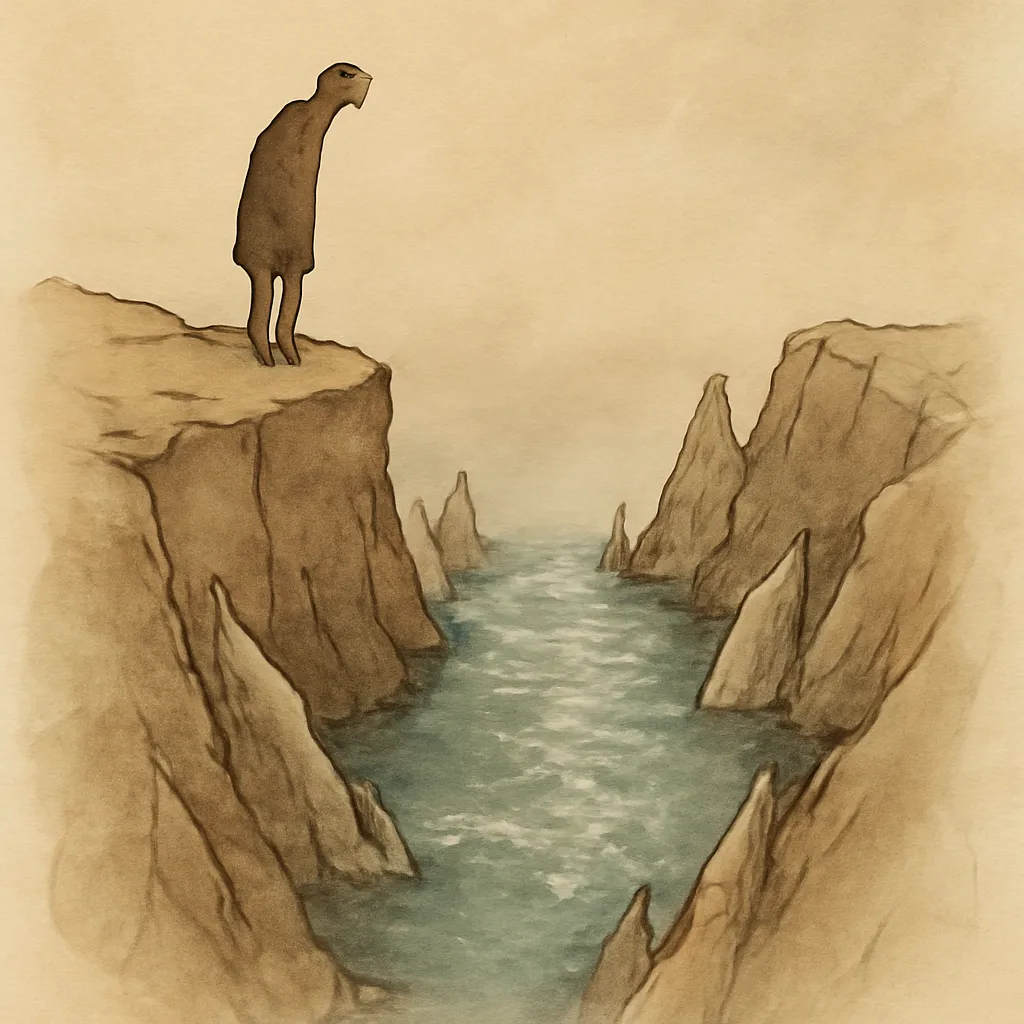
A central tension in Dawn is the lack of true consent humans have in their relationship with the Oankali, the alien species that rescues and manipulates them. The Oankali’s genetic trade is presented as both salvation and violation, forcing characters—and readers—to grapple with the boundaries of free will, especially when survival is at stake. Butler uses this dynamic to probe uncomfortable questions about coercion, agency, and the ethics of intervention.
2.Genetic Engineering and the Nature of Humanity
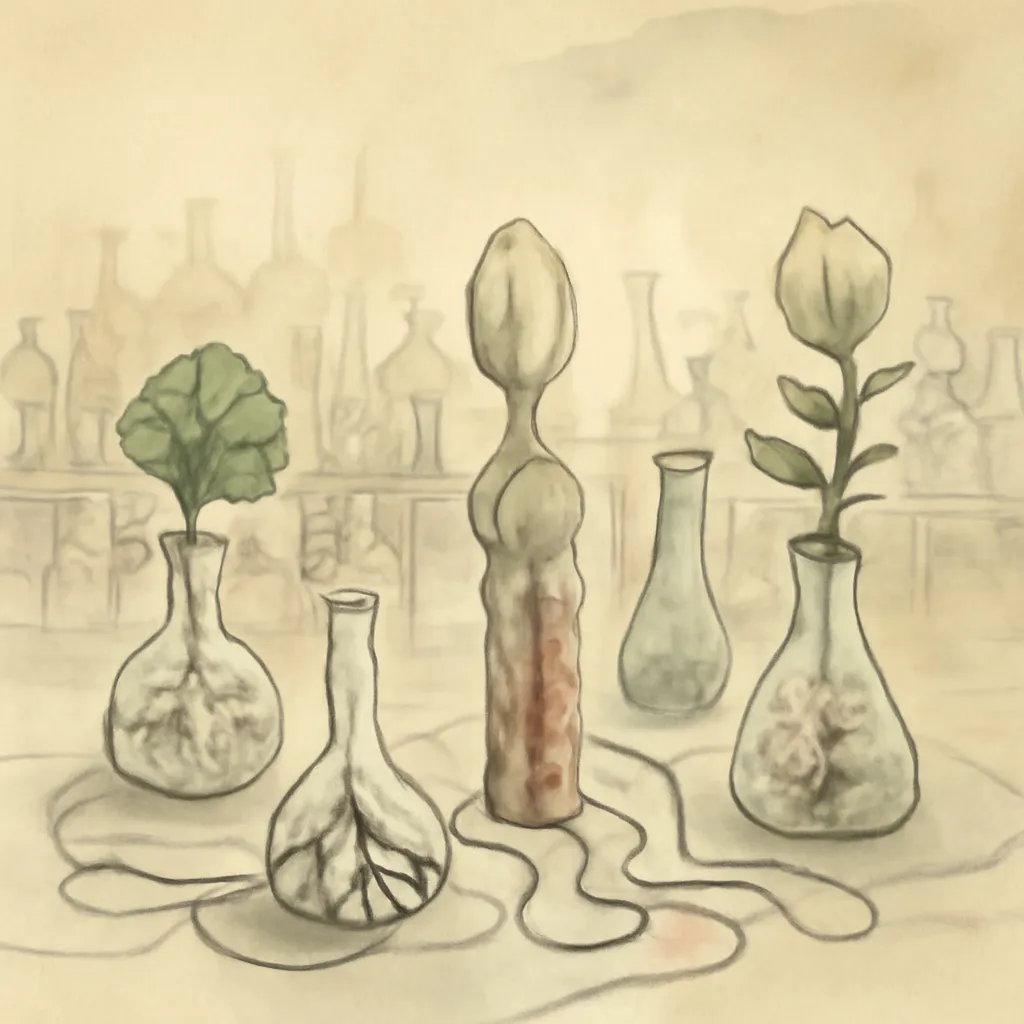
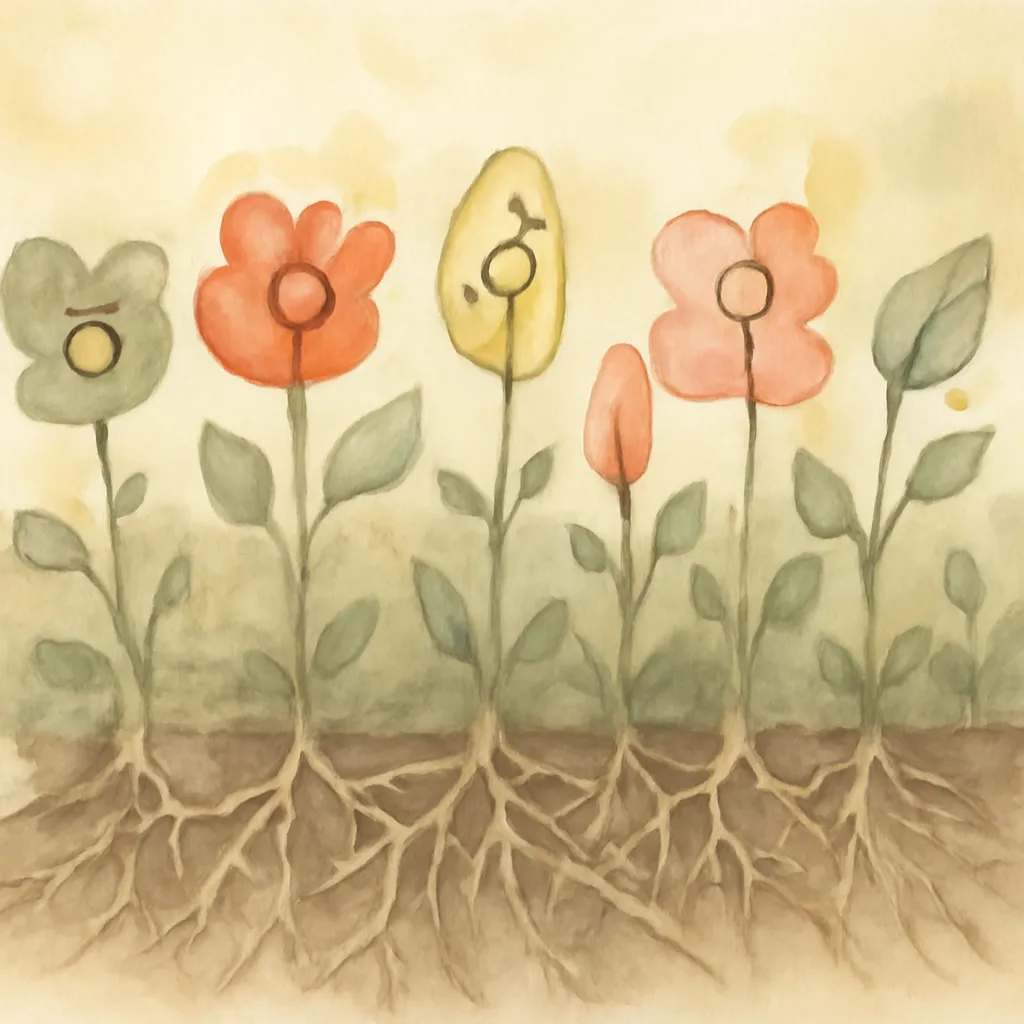
The Oankali’s core drive is to merge genetically with other species, believing it to be a path to mutual improvement. Dawn interrogates what it means to be human if our very biology is altered by outside forces. The novel raises questions about identity, purity, and the dangers and possibilities of genetic manipulation, anticipating real-world debates about biotechnology and its impact on society.
3.The Legacy of Human Destruction
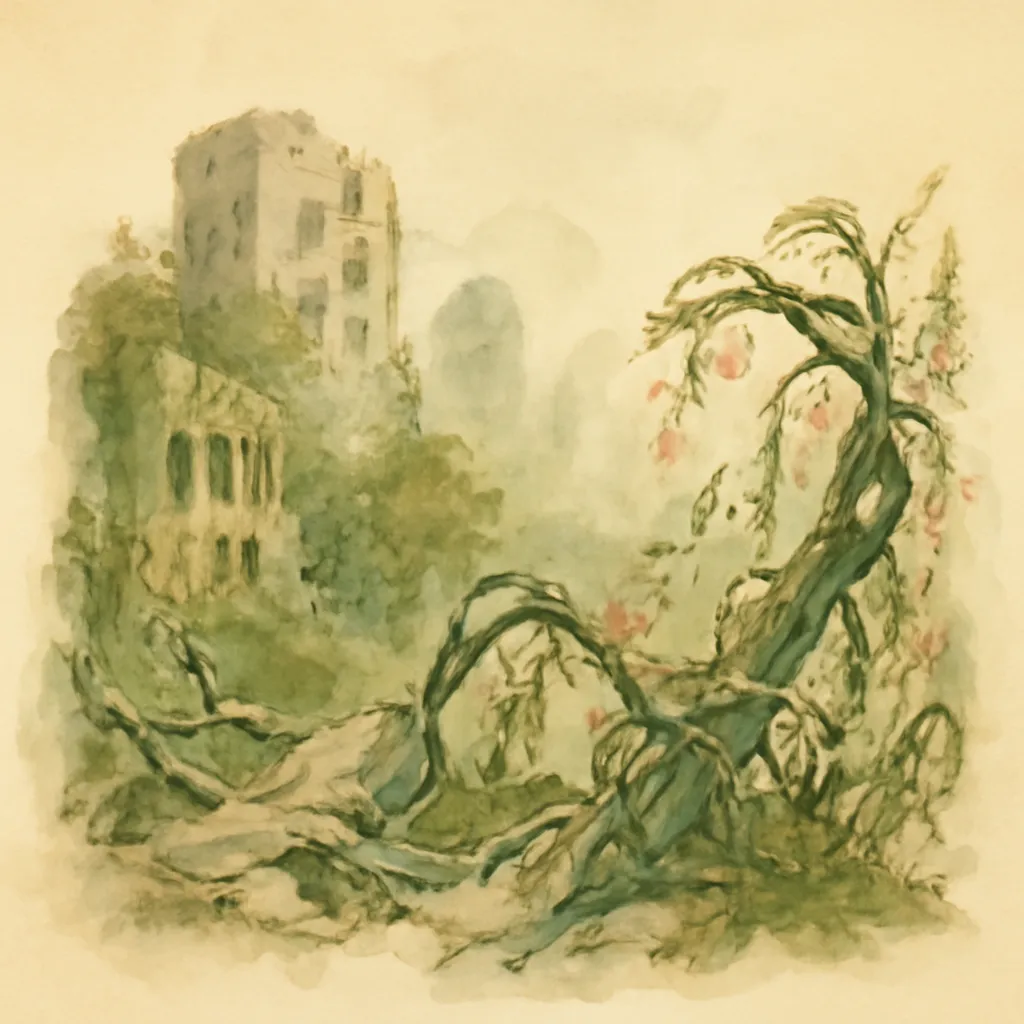
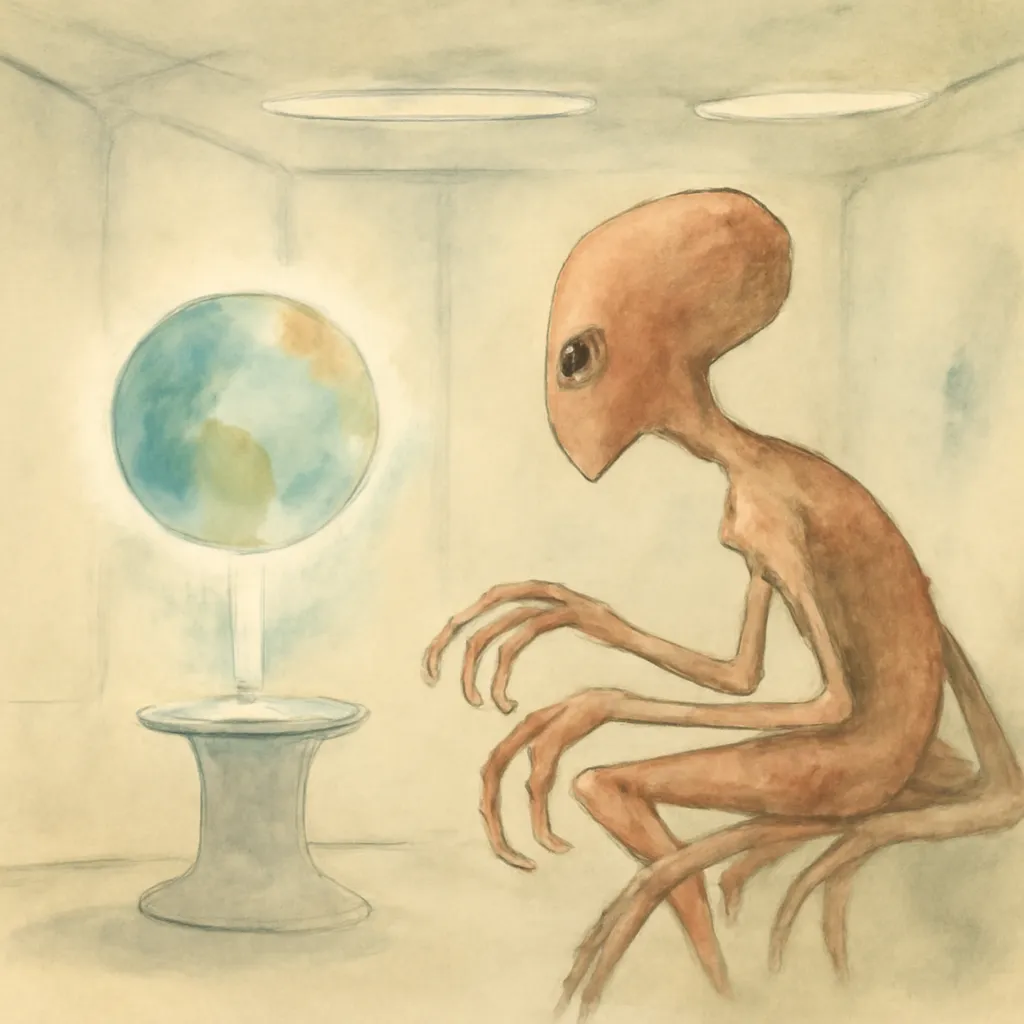
Set after a nuclear apocalypse triggered by humanity’s self-destructive tendencies, Dawn is a critique of human violence and shortsightedness. The Oankali view humans as fatally flawed by a contradiction: intelligence paired with hierarchical aggression. Butler uses this alien perspective to hold up a mirror to human history and psychology, challenging readers to consider whether change is possible.
4.Alien Difference and the Limits of Empathy
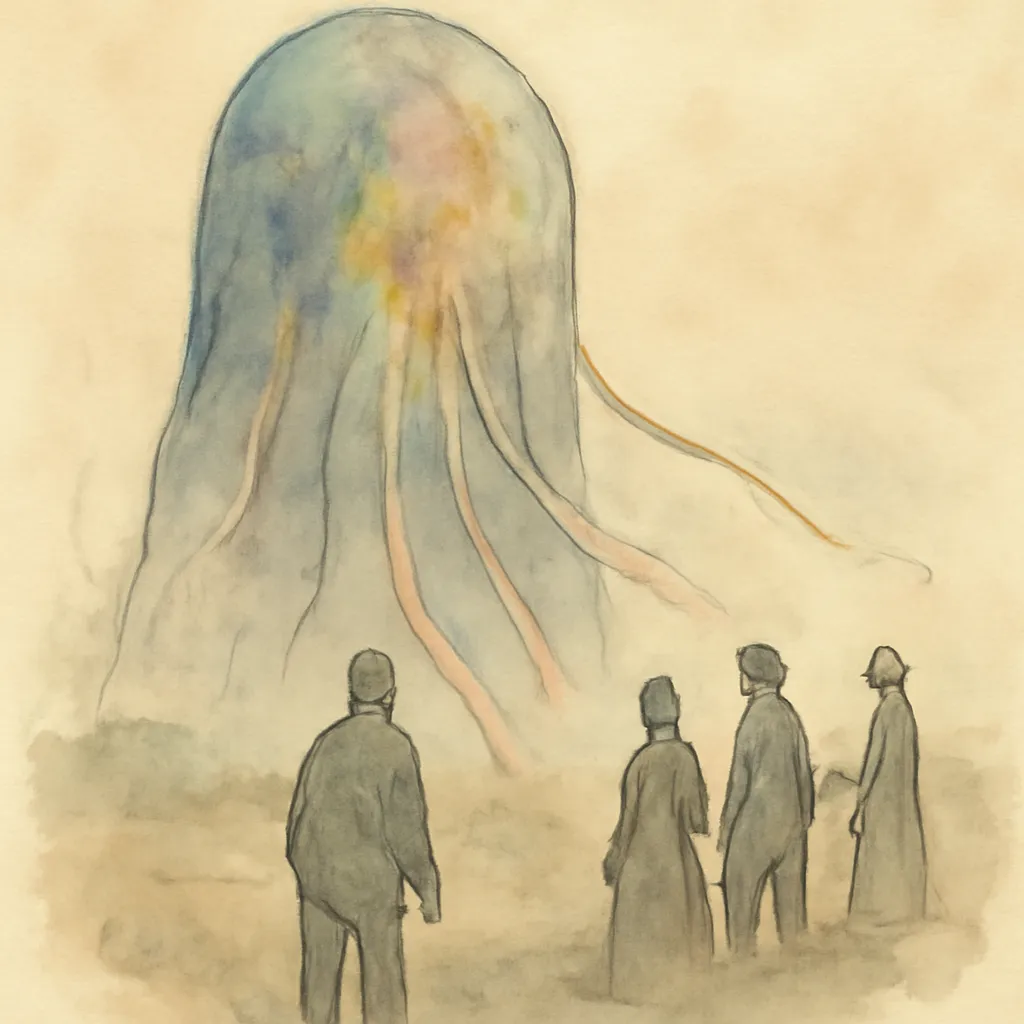
Butler’s aliens are not simply stand-ins for humans in disguise; their biology, psychology, and culture are fundamentally different. The novel explores the difficulties and possibilities of understanding and empathizing with the truly alien, both for the protagonist Lilith and for readers. This dynamic complicates the usual binaries of good/evil or us/them, making for a more nuanced exploration of contact and coexistence.
5.Survival Versus Integrity
Dawn repeatedly asks whether survival is worth any cost, or if there are lines—personal, ethical, or species-wide—that should not be crossed. Lilith and other humans must decide how much they are willing to compromise, both physically and morally, in order to live. This tension fuels much of the book’s drama and philosophical depth.
6.Gender, Power, and Transformation
The Oankali’s three-gendered reproductive system and fluid approach to sexuality challenge human norms and force characters to reconsider their assumptions about gender and relationships. Butler uses these differences to interrogate power dynamics, reproduction, and the ways in which biology and culture shape identity.