1.The Value of Wilderness
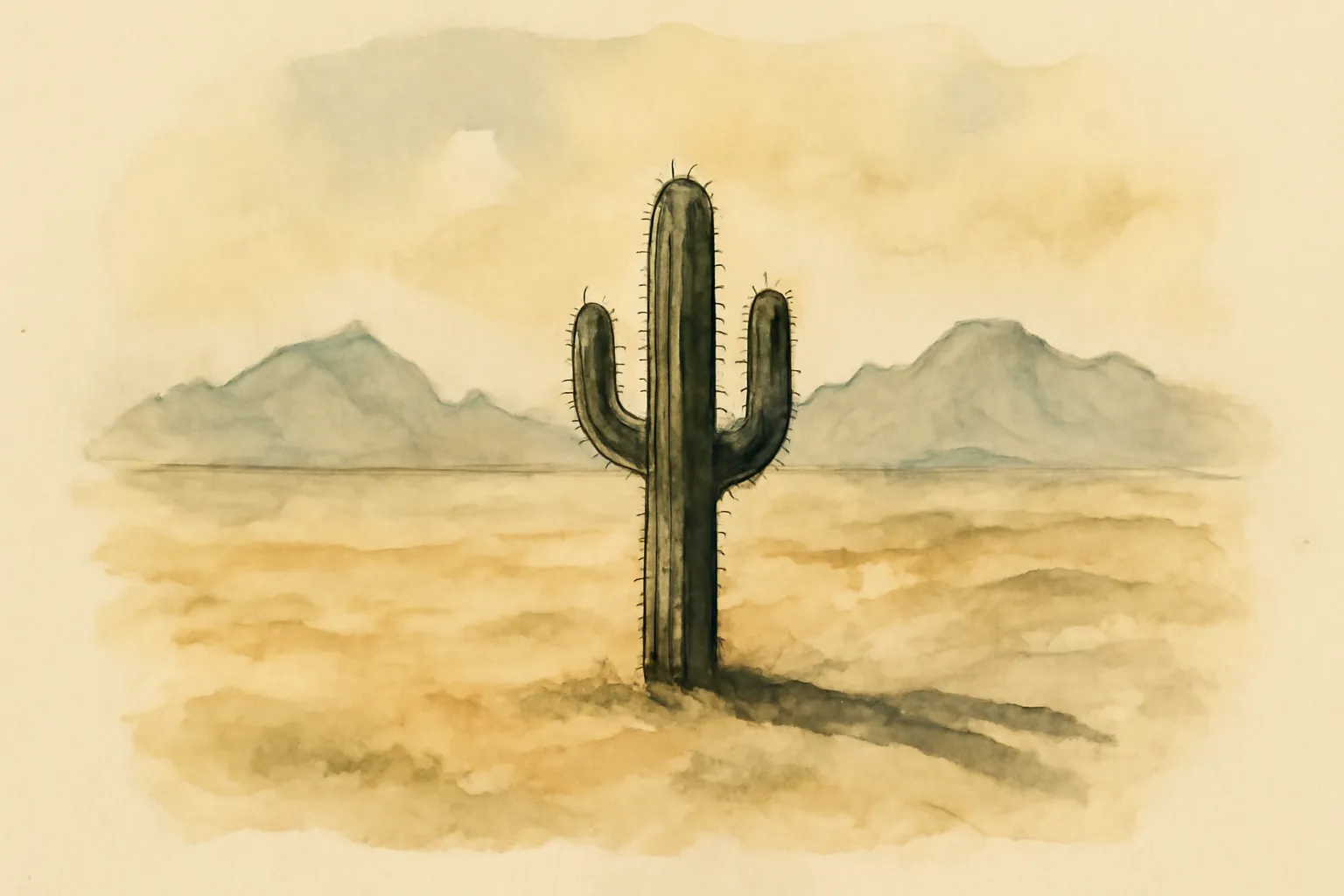
Abbey passionately argues that wild places are essential for the human spirit and for the health of the planet. He sees wilderness not just as scenery or recreation, but as a necessary counterbalance to civilization—a place where people can confront their own insignificance and rediscover humility. Abbey’s reverence for the desert landscape is palpable, and he warns that losing wild places means losing something irreplaceable in ourselves.
2.Critique of Industrial Tourism
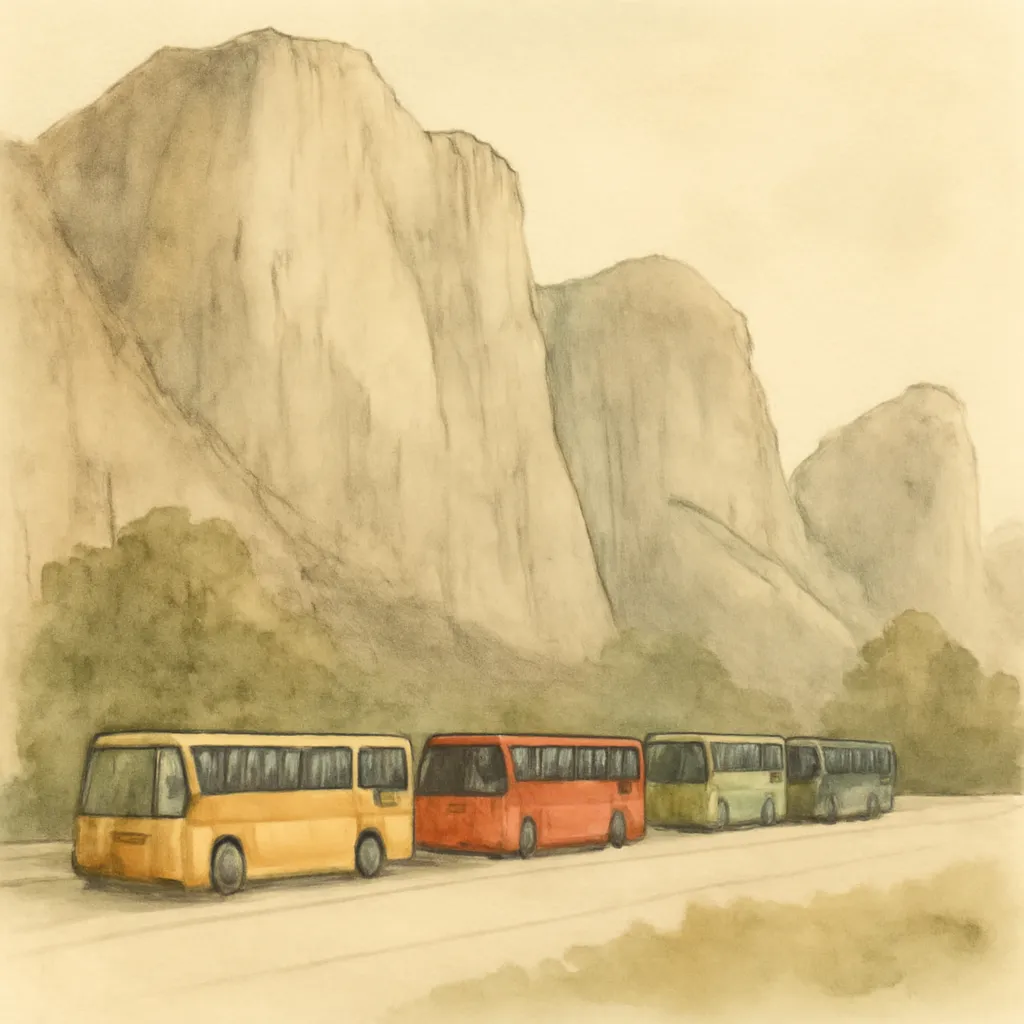
One of Abbey’s central arguments is against the development and commercialization of national parks. He coins the term 'industrial tourism' to describe how roads, cars, and visitor centers transform wild places into sanitized, accessible commodities. Abbey contends that this approach destroys the very qualities that make wilderness valuable, urging instead for preservation and a more challenging, respectful engagement with nature.
3.Solitude and Self-Discovery
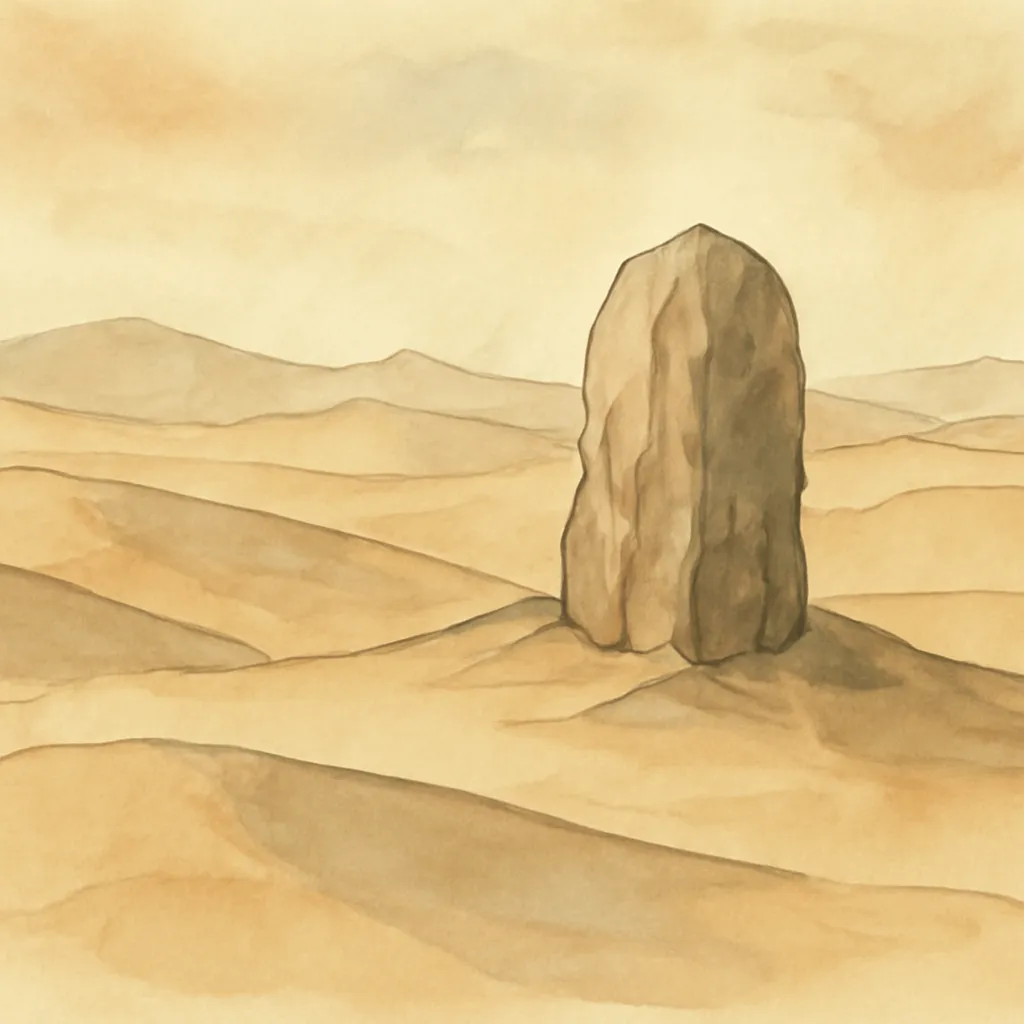
Through his solitary experiences as a park ranger, Abbey explores the theme of solitude as a path to self-understanding. The desert’s silence and vastness force him to confront his own thoughts and mortality. This solitude is not loneliness, but a form of liberation—an opportunity to strip away distractions and encounter the world, and oneself, more honestly.
4.Nature’s Indifference and Beauty
Abbey does not romanticize the desert; he describes its dangers, brutality, and indifference to human concerns. Yet, he finds profound beauty in its harshness—a beauty that is both humbling and exhilarating. His vivid descriptions invite readers to appreciate nature on its own terms, not as a backdrop for human drama but as a living, indifferent force.
5.Rebellion Against Conformity
Throughout Desert Solitaire, Abbey’s voice is fiercely individualistic and often rebellious. He challenges readers to question the values of mainstream society—its obsession with progress, convenience, and control. Abbey’s environmentalism is inseparable from his broader critique of conformity and passive consumption, making the book as much a call to personal awakening as to ecological awareness.
6.Mortality and Impermanence
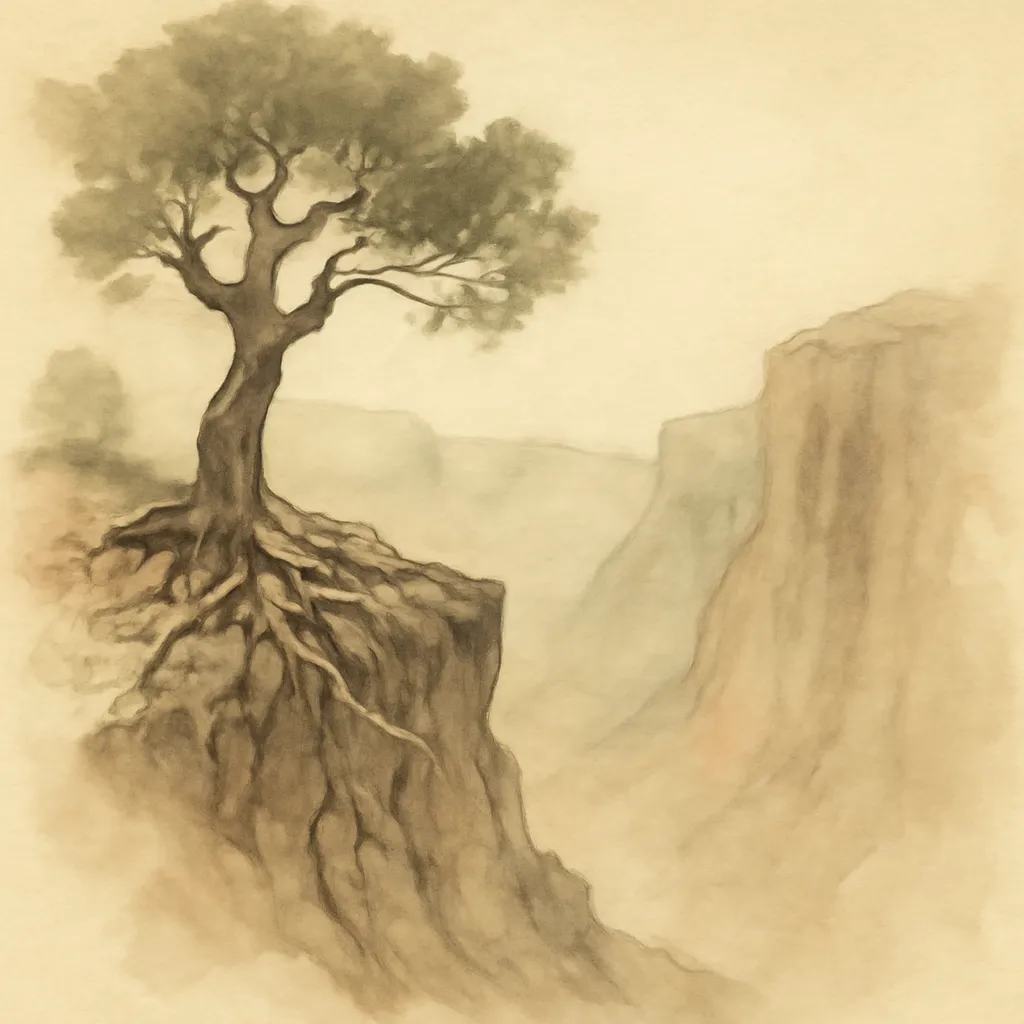
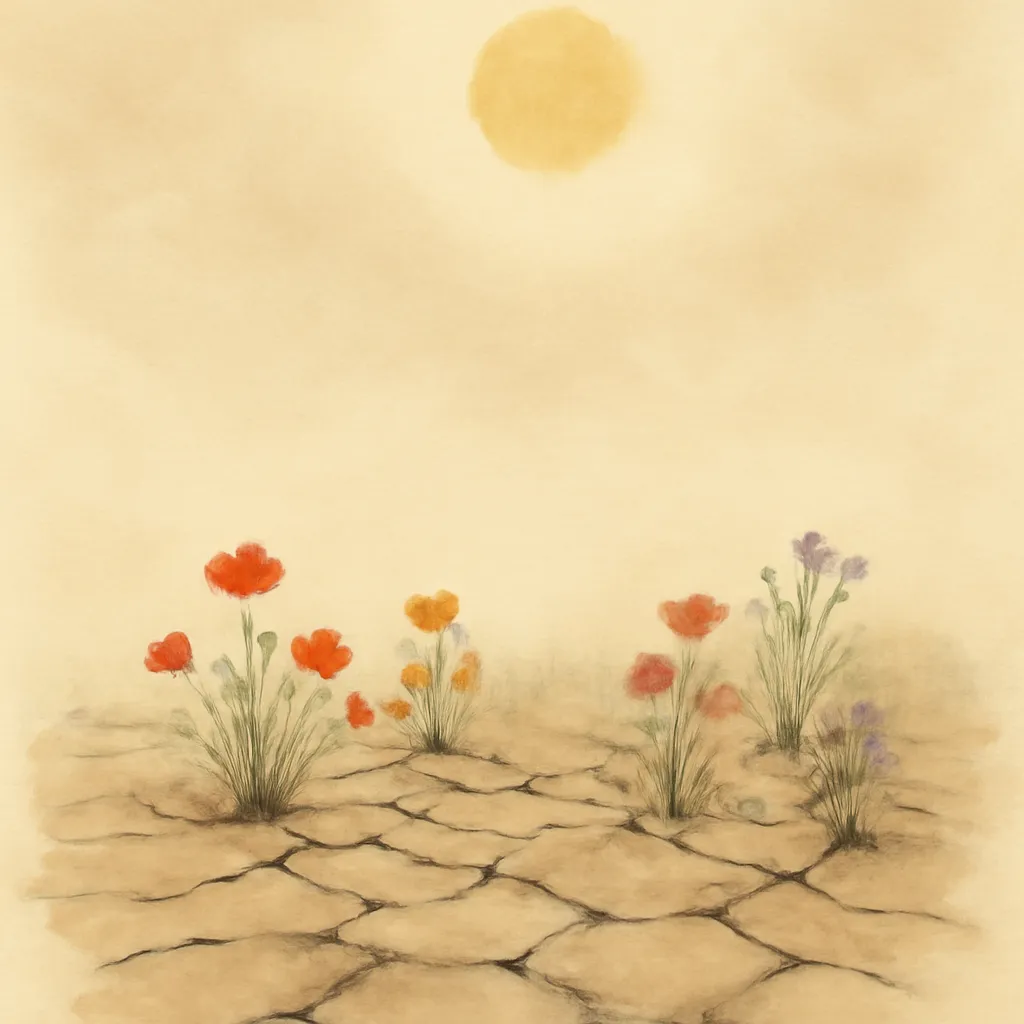
Abbey reflects on death, both in the natural cycles he witnesses and in human life. The desert, with its ancient rocks and fleeting blooms, becomes a stage for contemplating impermanence. Rather than despair, Abbey finds meaning in accepting mortality and embracing the present moment, drawing lessons from the landscape’s resilience and transience.