

American Authors · American Novelists · Arches National Monument
Desert Solitaire by Edward Abbey — Summary, Key Ideas & Quotes
1968271 pages✦ 3-min Big ideas★ 4.2 (14)
Rate it
A book about Edward Abbey's life as a park ranger in the American Southwest in the 1950's.
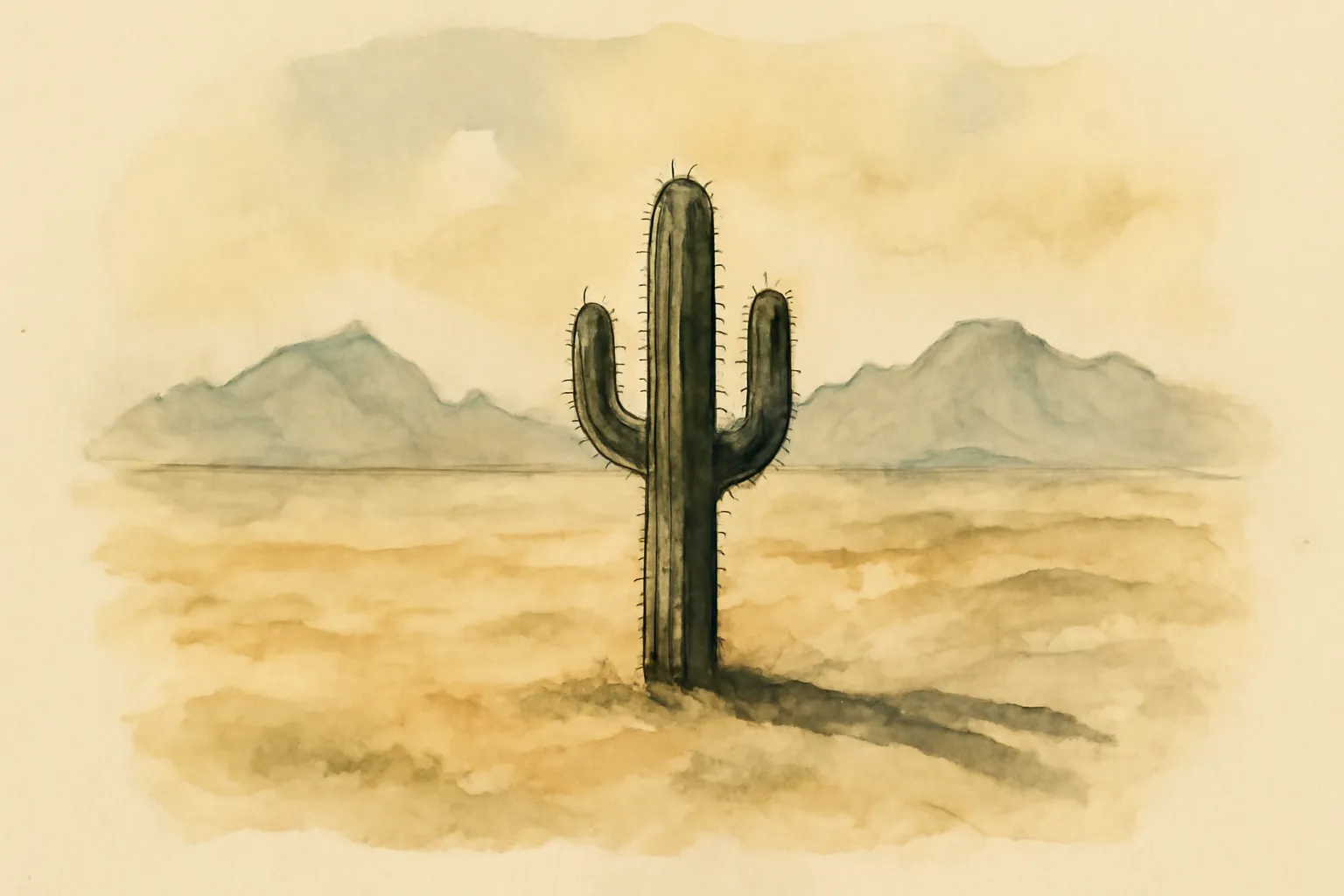
Abbey passionately argues that wild places are essential for the human spirit and for the health of the planet. He sees wilderness not just as scenery or recreation, but as a necessary counterbalance to civilization—a place where people can confront their own insignificance and rediscover humility. Abbey’s reverence for the desert landscape is palpable, and he warns that losing wild places means losing something irreplaceable in ourselves.
One of Abbey’s central arguments is against the development and commercialization of national parks. He coins the term 'industrial tourism' to describe how roads, cars, and visitor centers transform wild places into sanitized, accessible commodities. Abbey contends that this approach destroys the very qualities that make wilderness valuable, urging instead for preservation and a more challenging, respectful engagement with nature.
“Growth for the sake of growth is the ideology of the cancer cell.”
“Wilderness is not a luxury but a necessity of the human spirit.”
“The idea of wilderness needs no defense, it only needs defenders.”