1.The Seeds of Secession
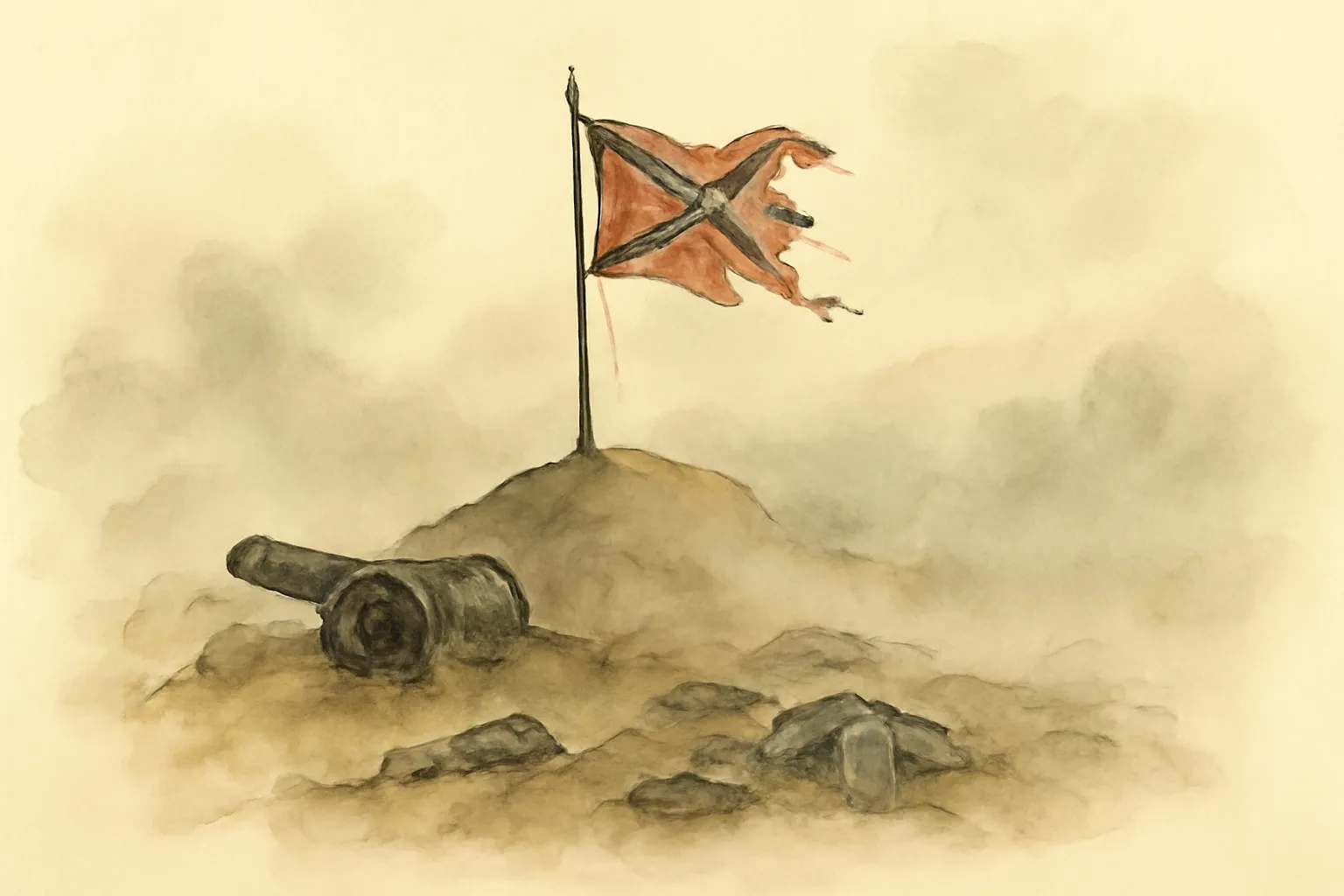
Taylor argues that the roots of the Civil War were planted long before the first shots were fired, tracing back to the colonial era and the debates surrounding the Federal Constitution. He highlights how economic factors, particularly the institution of slavery, were manipulated by both Northern and Southern politicians to serve their interests. The Missouri Compromise and the Nullification crisis exemplify the tensions that built up over decades, culminating in a conflict that was not merely about slavery but about economic power and state rights. Taylor's assertion that the common belief framing slavery as the sole cause of the war is overly simplistic challenges readers to consider the multifaceted nature of the conflict. His insights encourage a deeper examination of the political landscape leading to the war, suggesting that understanding these historical nuances is crucial for comprehending the motivations behind secession.
2.Early War Experiences and Military Missteps
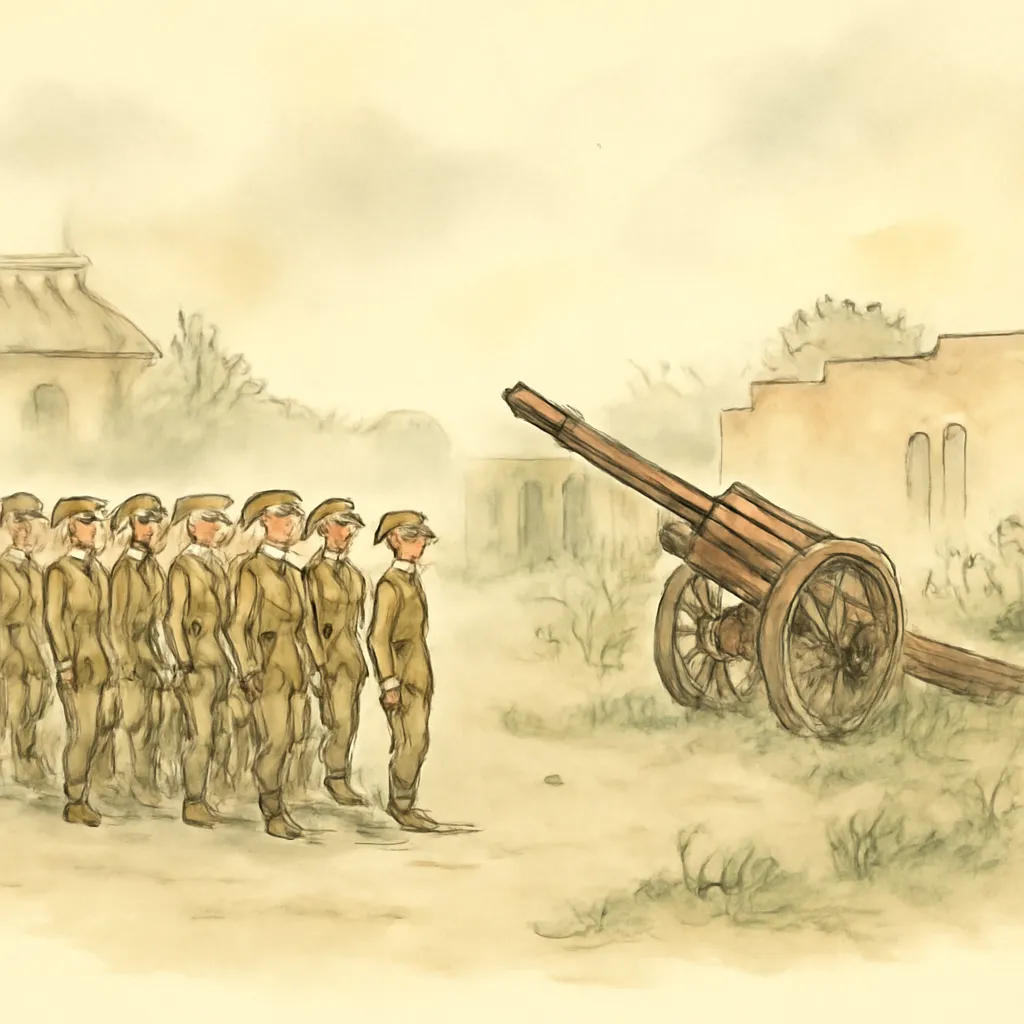
In the early chapters, Taylor reflects on his experiences in the Confederate army, particularly his time with General Bragg in Pensacola. He notes the enthusiasm and determination of the volunteers, yet also highlights the lack of training and discipline that plagued the Confederate forces. The system of electing officers often undermined military effectiveness, as many lacked the necessary experience to lead effectively in battle. This lack of preparation was evident during the early engagements, including the battle of Manassas, where initial Confederate successes were marred by strategic miscalculations. Taylor's critique of the Confederate Government’s decisions, such as the refusal to impose taxes and the reliance on short-term enlistments, illustrates a broader theme of mismanagement that would haunt the South throughout the war. His firsthand accounts of these early military blunders set the stage for understanding the challenges the Confederacy faced as the war progressed.
3.The Importance of Leadership
Throughout his memoir, Taylor emphasizes the critical role of military leadership in determining the outcome of battles. He admires figures like General Joseph E. Johnston and General Robert E. Lee, noting their strategic brilliance and ability to inspire troops. However, he also candidly discusses the shortcomings of various commanders, including McClellan’s hesitance and Bragg’s harshness, which often alienated their men. Taylor argues that effective leadership is not solely about tactical decisions but also about fostering morale and unity among soldiers. This perspective provides valuable insights into the human element of warfare, suggesting that the character and decisions of leaders can significantly impact the course of military engagements. Taylor’s reflections serve as a reminder that history is shaped not just by events, but by the leaders who navigate them.
4.The Strategic Landscape of the Civil War
Taylor’s narrative details the shifting strategic landscape of the Civil War, particularly during the Peninsula Campaign and the Valley Campaign. He illustrates how terrain, weather, and troop movements influenced battles, often leading to unexpected outcomes. The inadequacies of the Union Army under McClellan, contrasted with the strategic ingenuity of Lee, highlight how the South leveraged its advantages in mobility and knowledge of the terrain. Taylor discusses key battles such as Cold Harbor and Port Republic, where tactical decisions led to significant Confederate victories despite being outnumbered. His analysis underscores the importance of adaptability and understanding the environment in military strategy, illustrating how these factors can turn the tide of war. By providing detailed accounts of these campaigns, Taylor enriches our understanding of the complexities involved in Civil War battles.
5.The Impact of Geography and Logistics
In Taylor's reflections on the various campaigns, he frequently touches on the significance of geography and logistics in the war effort. He describes how the topography of regions like Virginia and Louisiana affected troop movements and battle strategies. The Confederate forces often faced challenges related to supply lines, which were exacerbated by the Union’s naval superiority. Taylor’s accounts of the Federal advance against key locations such as Vicksburg and Port Hudson illustrate how control of waterways and railroads was vital for both sides. His detailed observations reveal the intricate planning required to maintain supply chains and the dire consequences when these were disrupted. By emphasizing the logistical aspects of warfare, Taylor provides a comprehensive view of the operational challenges faced by the Confederacy, reminding readers that success in battle often depends as much on material support as on military prowess.
6.The Psychological Toll of War
Taylor does not shy away from discussing the psychological impact of war on soldiers and commanders alike. He recounts the suffering endured by troops during campaigns, including harsh weather conditions and the emotional strain of constant conflict. His reflections on the morale of the troops reveal how victories and defeats shaped the mental state of the army. The despair following losses, such as at Vicksburg, is palpable in Taylor’s writing, highlighting the human cost of war beyond the battlefield. This exploration of the psychological aspects of warfare adds depth to the historical narrative, illustrating that the toll of conflict extends beyond physical casualties. Taylor’s insights remind readers of the resilience required to endure the hardships of war and the lasting effects it has on those who fight.
7.Lessons from Military Engagements
In recounting various battles, Taylor draws lessons that can be applied to military strategy and leadership. He reflects on the importance of reconnaissance, the need for clear communication, and the value of adaptability in the face of changing circumstances. His experiences underscore the necessity of learning from both victories and defeats, as each engagement provides insights that can inform future actions. Taylor’s candid assessments of mistakes made by Confederate leaders, including his own, illustrate the importance of humility and continuous improvement in military operations. These reflections serve as a guide for understanding the complexities of warfare and highlight the timeless nature of these lessons, applicable to military leaders across history. By emphasizing the need for strategic thinking and adaptability, Taylor provides a framework for evaluating military effectiveness.
8.The Aftermath of War and Reconstruction

After the war, Taylor's reflections turn to the challenges of Reconstruction, a time marked by political strife and social upheaval. He critiques the harsh measures imposed by the North, suggesting that they exacerbated divisions rather than fostering reconciliation. Taylor's experiences illustrate the difficulties faced by Southern leaders as they navigated the complexities of rebuilding their states while contending with the realities of defeat. He emphasizes the need for understanding and cooperation between North and South, advocating for a more compassionate approach to Reconstruction that acknowledges the grievances of the defeated. His insights into this period highlight the long-lasting effects of war on society and the importance of addressing the underlying issues that fuel conflict. By advocating for a more humane approach to rebuilding, Taylor’s reflections resonate with contemporary discussions on reconciliation and healing in the aftermath of strife.
9.The Legacy of the Civil War

In concluding his memoir, Taylor reflects on the enduring legacy of the Civil War and its implications for American society. He acknowledges the profound changes wrought by the conflict, particularly in terms of civil rights and the relationship between states and the federal government. Taylor's observations on the evolution of American identity post-war reveal the complexities of reconciling the ideals of freedom and equality with the realities of a divided nation. He emphasizes the importance of remembering the sacrifices made by soldiers on both sides, advocating for a nuanced understanding of history that honors their experiences. Taylor’s reflections challenge readers to consider how the lessons of the Civil War continue to resonate in contemporary America, particularly in discussions around race, government authority, and national unity. By situating his narrative within the broader arc of American history, Taylor invites readers to engage with the difficult questions that remain relevant today.