1.The Nature of Prayer
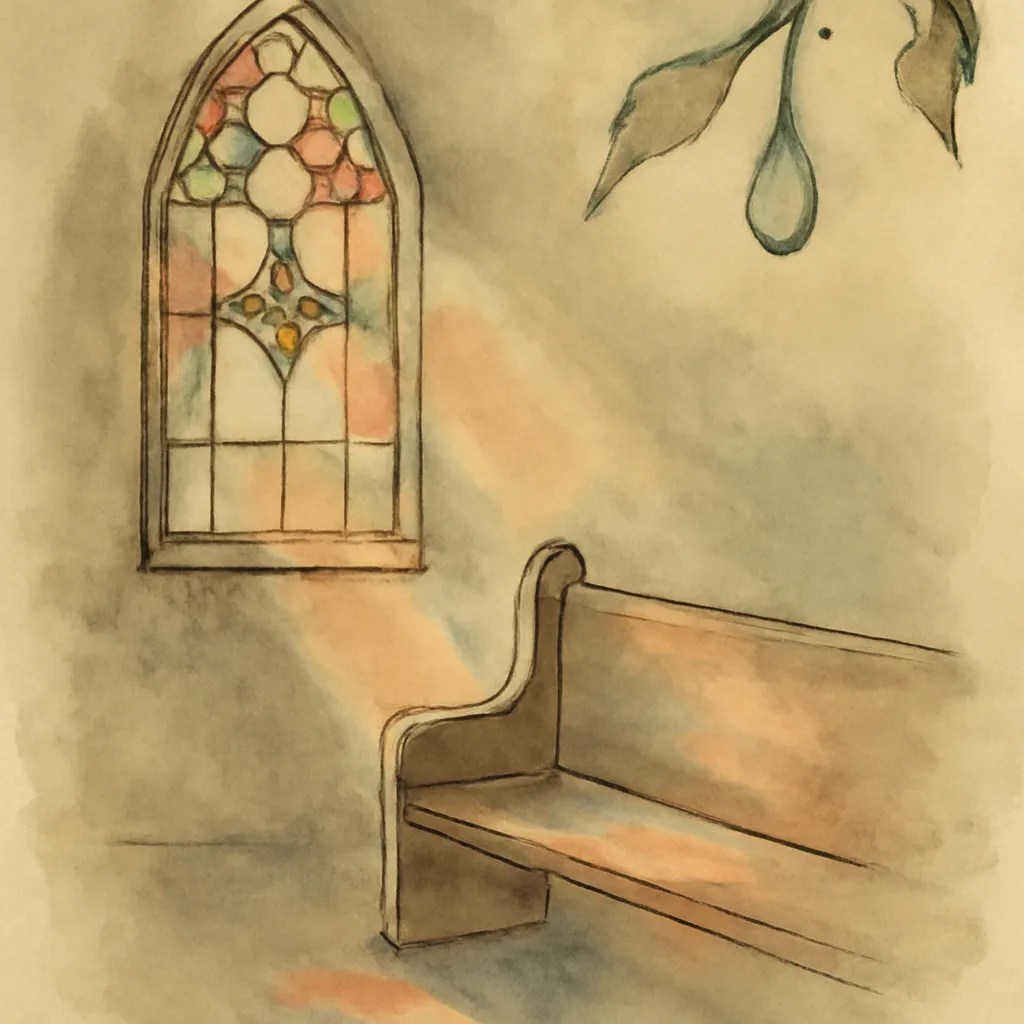
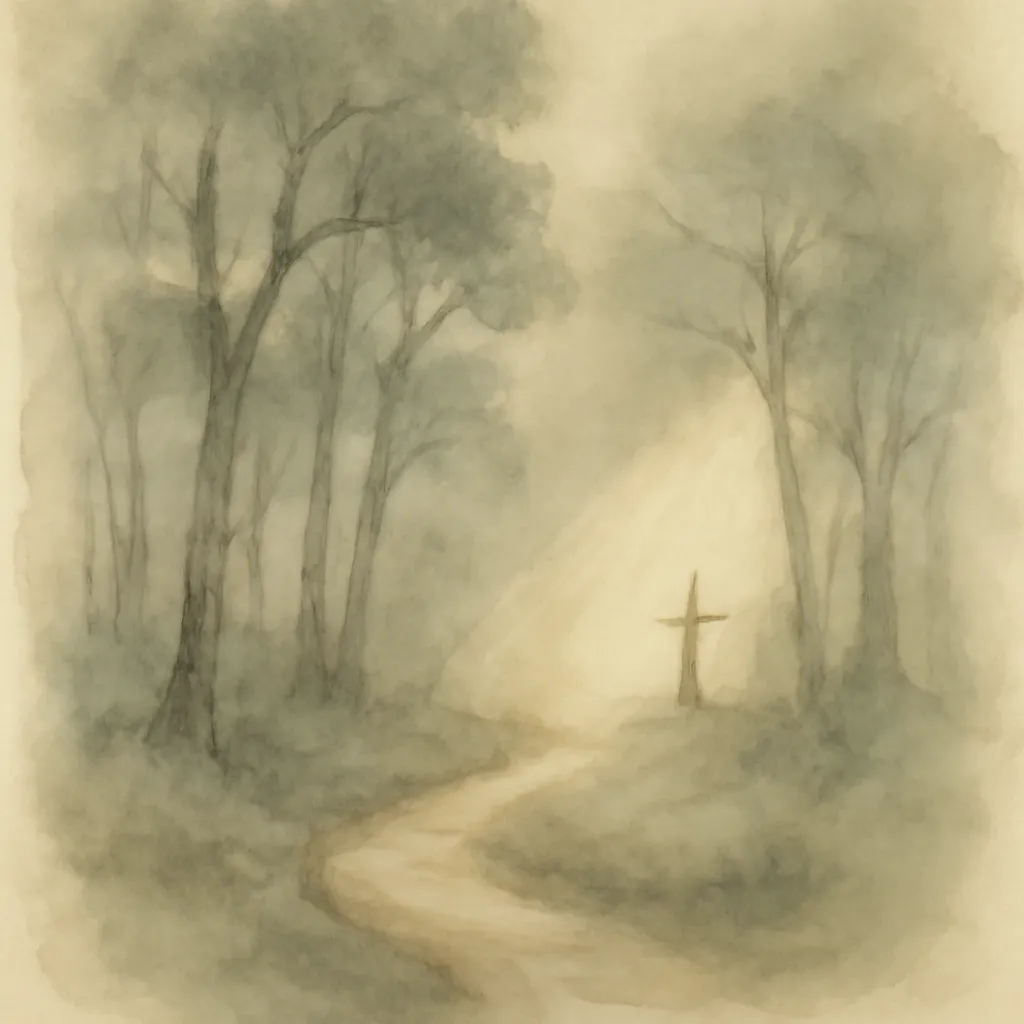
Donne emphasizes the importance of prayer as a means of connecting with God during times of distress. He does not see prayer merely as a ritualistic act, but as a profound dialogue that reveals the heart's deepest yearnings. In his prayers, Donne expresses vulnerability, acknowledging his weaknesses and sins, while simultaneously seeking divine guidance and healing. He contemplates the various forms of prayer, highlighting the necessity of both communal and personal elements in the act of reaching out to God. This duality underscores the belief that prayer serves as both a lifeline and a source of strength, transforming the individual’s experience of suffering into a pathway toward spiritual awakening. He points out that, through prayer, one can find clarity and peace, even when facing the overwhelming reality of illness and impending death.
2.Mortality and the Human Condition
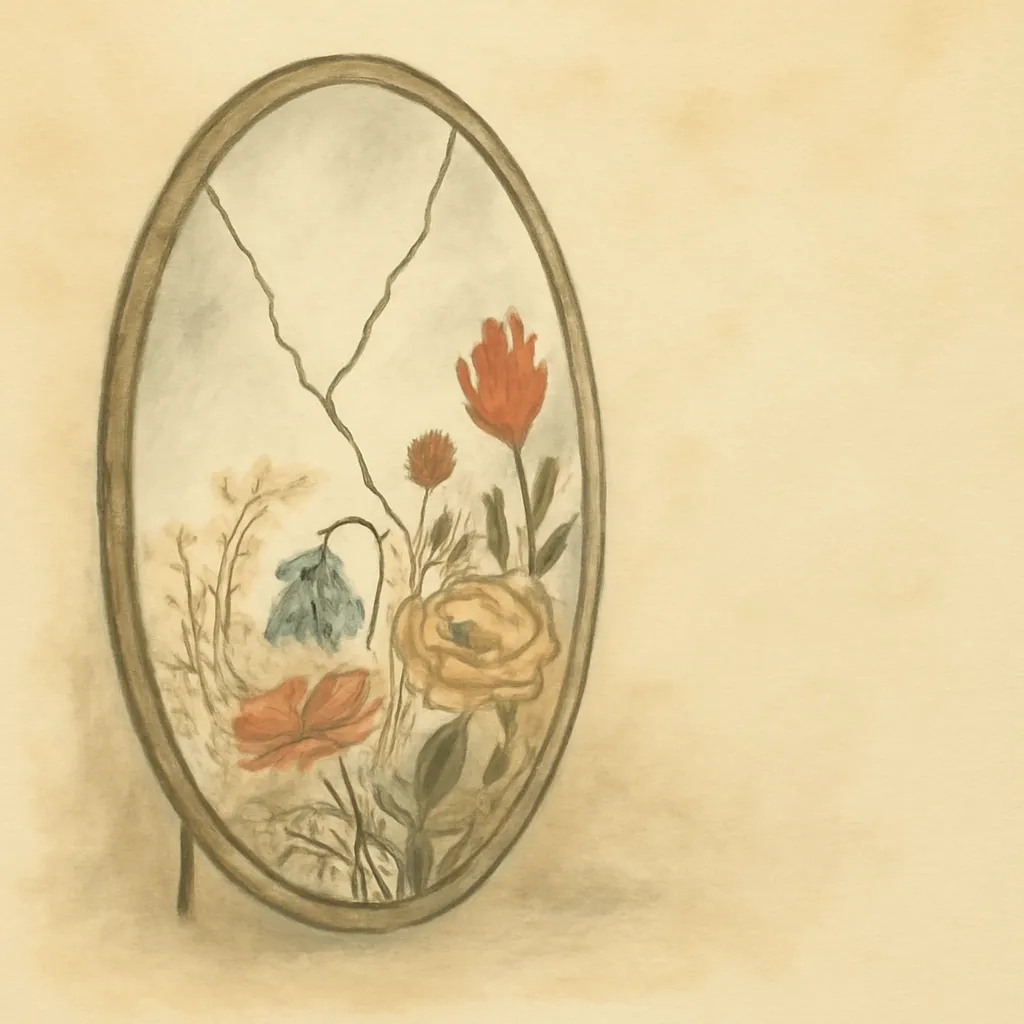
Throughout his devotions, Donne grapples with the reality of mortality, expressing a deep awareness of the fragility of life. He employs vivid metaphors, likening the human body to a statue that ultimately melts away, which reflects his understanding of the transient nature of earthly existence. By confronting death, he challenges readers to reflect on their actions, values, and the true purpose of life. He draws parallels between life's brevity and the urgency to lead a life imbued with meaning and purpose. Donne's reflections suggest that acknowledging our mortality can catalyze deeper engagement with the divine, urging individuals not to delay in seeking reconciliation with God. He offers a perspective that recognizes the inevitability of death while emphasizing that it can serve as a motivator to live fully and authentically, prompting readers to confront their own inner lives and the legacy they wish to leave behind.
3.The Interconnectedness of Body and Soul
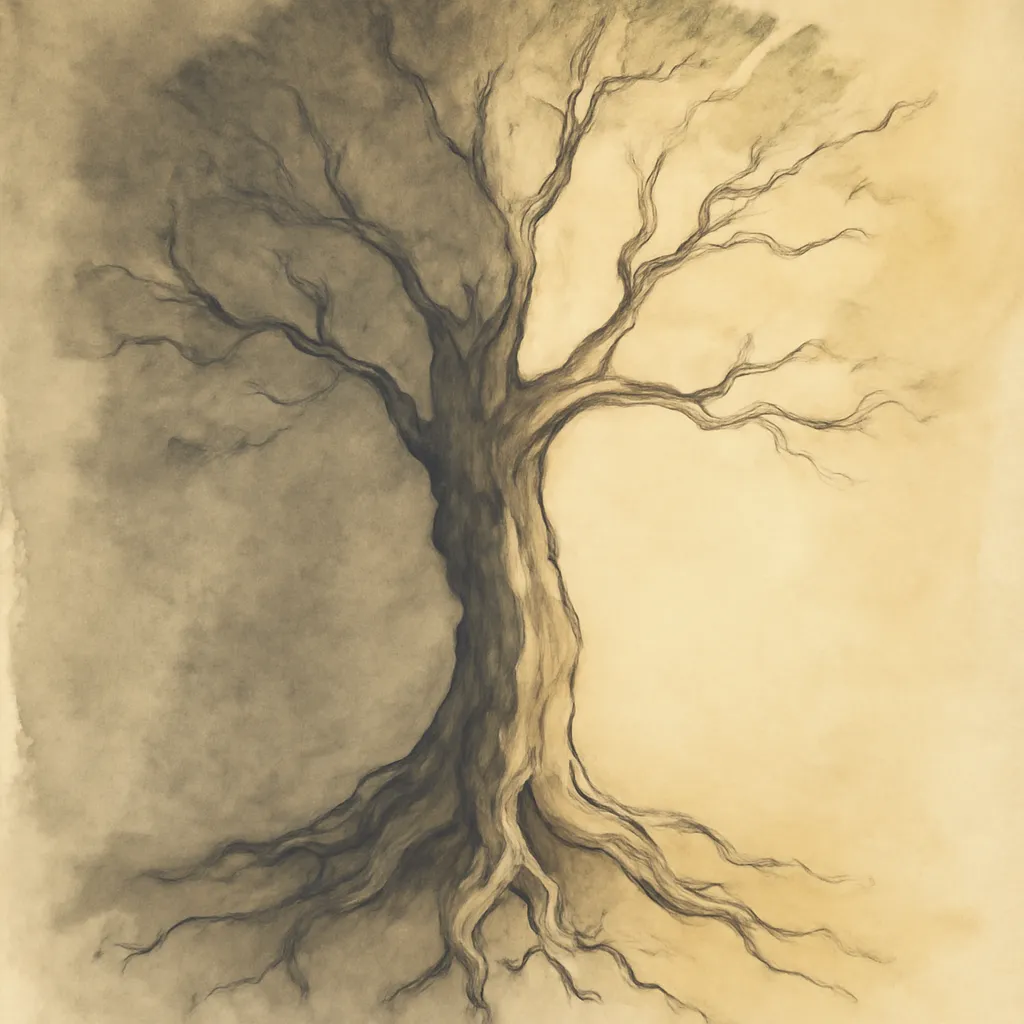
Donne explores the intricate relationship between the physical body and the spiritual soul, suggesting that what affects one inevitably impacts the other. His meditations reveal a profound understanding of how physical ailments can lead to spiritual crises. Donne articulates the idea that the body and soul are not distinct entities but rather components of a unified whole, where the state of one's physical health can have a direct correlation with one's spiritual well-being. This is evident as he reflects on his own sickness, describing how it diminishes his capacity to engage with the world and with God. He argues that the anguish of physical illness can draw one closer to divine contemplation, prompting a deeper introspection about the nature of existence. Through vivid imagery, he contemplates the descent of the body into illness, paralleled by the ascent or decline of the soul's spiritual state, emphasizing that true health encompasses both realms.
4.The Role of Suffering
Suffering is a central theme in Donne's reflections, viewed not merely as a burden but as a potential pathway to spiritual growth. He acknowledges that discomfort can refine one's character and deepen one's faith, arguing that it can lead to a more profound understanding of God's presence in one's life. This perspective is crucial, as Donne reframes suffering not as a purely negative experience, but as an opportunity for transformation and renewal. He explores how pain can foster empathy and humility, allowing individuals to connect more deeply with the suffering of others. Instead of shying away from discomfort, he encourages embracing it as a means to cultivate resilience and a stronger faith. By addressing the universal nature of suffering, Donne’s insights resonate with readers, inviting them to find purpose and meaning even in their darkest moments.
5.The Search for Divine Mercy
In his devotions, Donne frequently invokes God's mercy, expressing a deep yearning for divine compassion and forgiveness. He acknowledges his own sins and weaknesses, understanding that true healing comes from God's grace. His prayers reflect a sense of humility, recognizing that he is unworthy of God's favor yet still hopeful for redemption. By articulating this need for mercy, Donne underscores the Christian belief that no amount of personal effort can earn salvation; it is through God’s grace alone that one is restored. This theme echoes throughout his work, reminding readers of the power and importance of seeking forgiveness and the transformative potential of divine mercy in their lives. He illustrates that God’s mercy is not merely an abstract concept but a tangible force that can bring healing and restoration, encouraging individuals to approach the divine with confidence and trust.
6.The Solitude of Illness
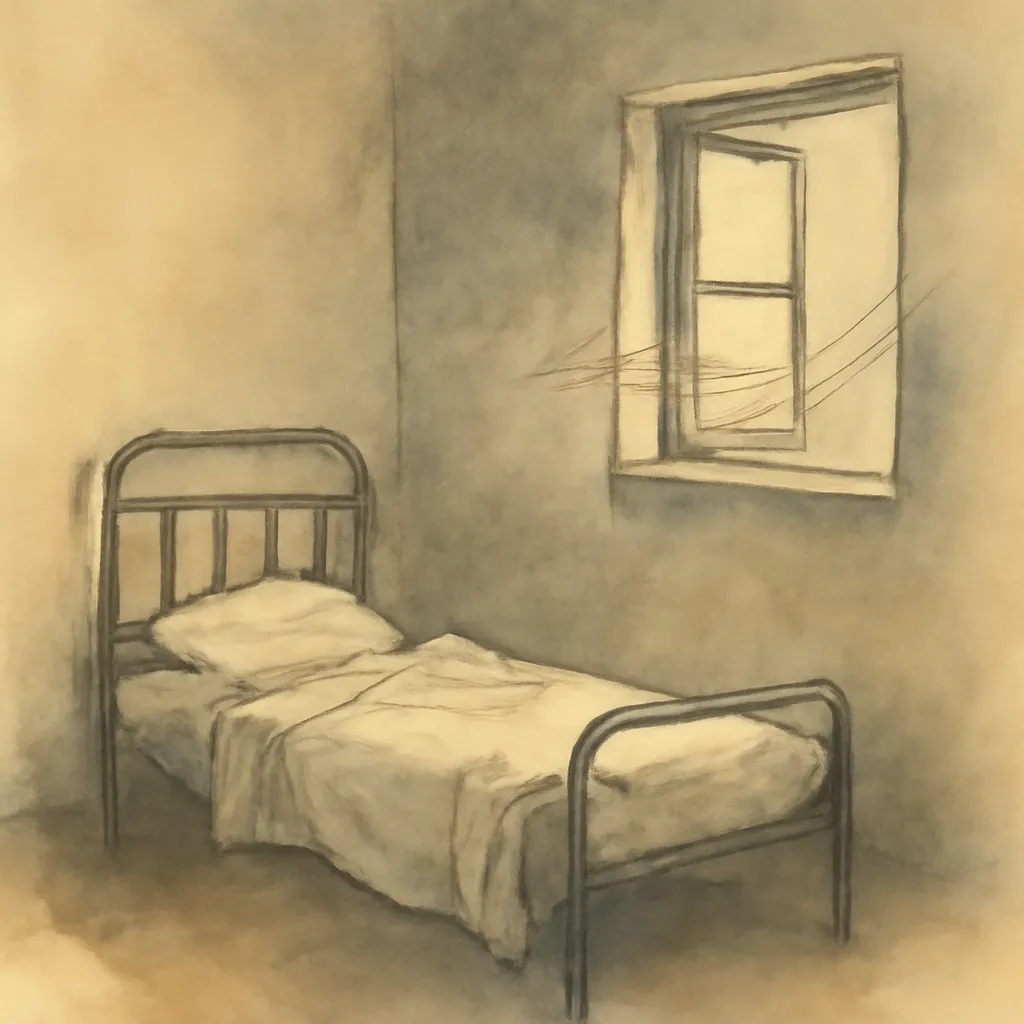
Donne poignantly articulates the isolation that often accompanies illness, describing it as a profound form of solitude that can amplify one's suffering. He reflects on how the fear of contagion drives friends and family away, leaving the sick individual feeling abandoned. This solitude is not merely physical but emotional, as it can lead to a sense of alienation from the community and from God. Yet, in this loneliness, Donne also finds an opportunity for introspection and a deeper communion with God, illustrating the complex nature of suffering and solitude. His reflections suggest that while illness may isolate an individual, it can also foster a unique intimacy with God, as one grapples with existential questions in the quiet of their solitude. He evokes a sense of longing for connection, emphasizing the importance of community support, while simultaneously recognizing that solitude can lead to profound spiritual insights.
7.The Role of Physicians
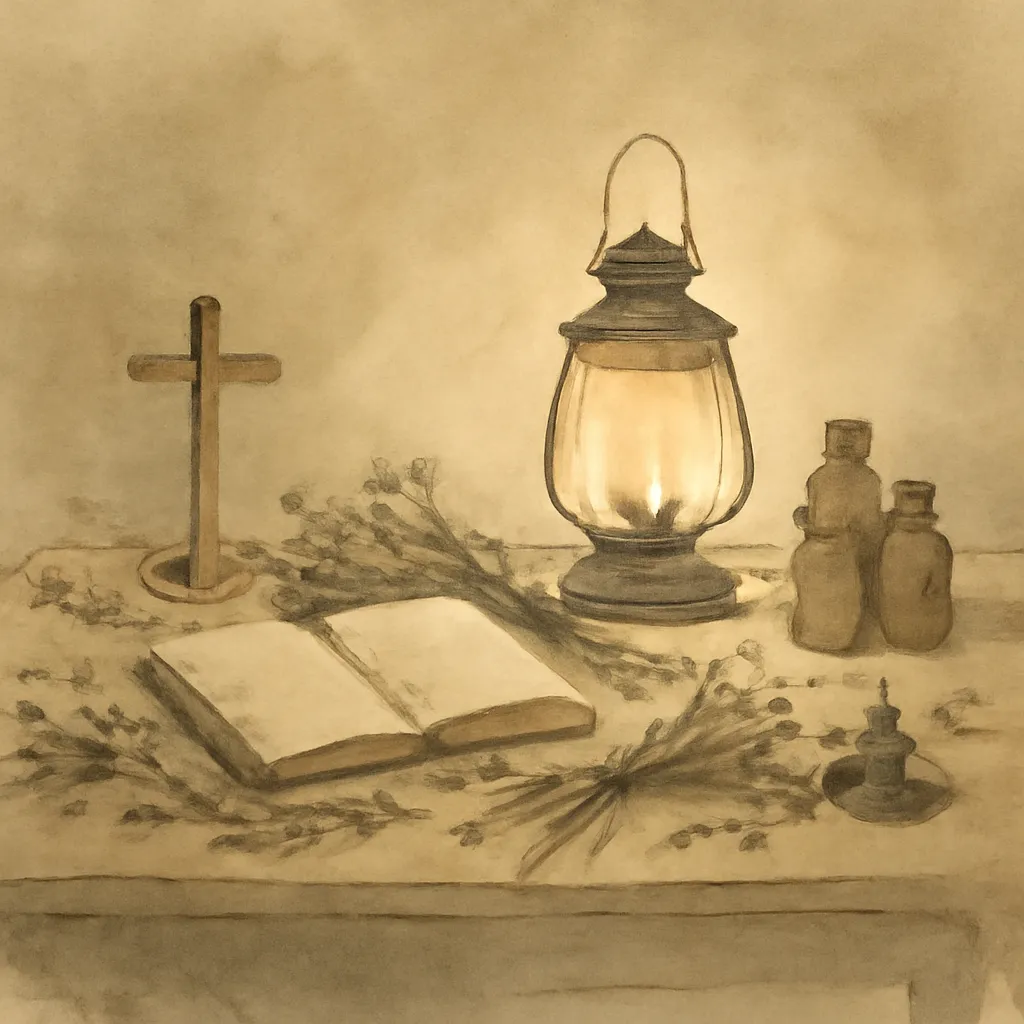
In his meditations, Donne acknowledges the essential role of physicians in the healing process, viewing them as instruments of God's mercy. He reflects on the delicate balance between faith and the practice of medicine, emphasizing that seeking help from a physician does not diminish one's reliance on God. Rather, it serves as a reminder that God's healing often comes through human intermediaries. Donne encourages a holistic approach to healing, where spiritual and physical care are intertwined, emphasizing that both realms are vital to health. He underlines the importance of having a community of caregivers, both medical and spiritual, and notes that the presence of knowledgeable physicians can be a manifestation of God’s providence. This recognition of the physician's role highlights the importance of community and support in the face of illness, reinforcing the idea that healing often requires both divine intervention and human assistance.
8.The Weight of Sin
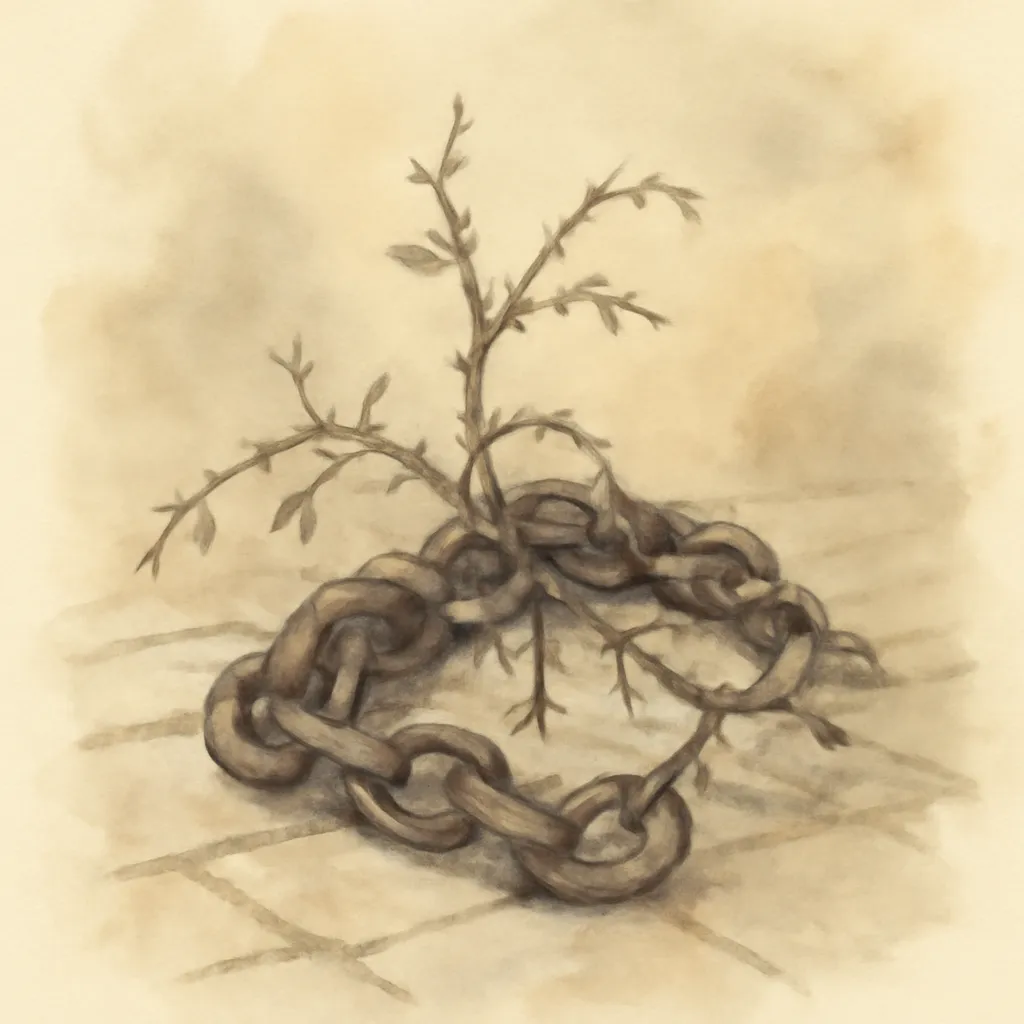
Donne's reflections frequently touch upon the burden of sin, which he perceives as a source of both physical and spiritual affliction. He articulates a deep awareness of his own shortcomings, recognizing that sin can lead to illness and despair. This acknowledgment of sin's weight serves as a catalyst for his prayers, prompting him to seek forgiveness and restoration. In his meditations, he contemplates how sin manifests in both the body and soul, suggesting that spiritual health is compromised by moral failings. By confronting the reality of sin, Donne invites readers to reflect on their own lives, encouraging them to seek reconciliation with God to alleviate the burdens they carry and to restore their connection to the divine. He emphasizes that true liberation comes from recognizing one’s sins and seeking divine forgiveness, portraying the path to healing as one that requires both self-awareness and divine grace.
9.The Assurance of Faith
Despite the heavy themes of mortality and suffering, Donne's devotions ultimately convey a sense of hope rooted in faith. He expresses the belief that through faith, individuals can find assurance in God's promises, even in the face of death and despair. This assurance is not a denial of suffering but an acknowledgment that faith can provide a framework for understanding and enduring life's trials. Donne's reflections encourage readers to cultivate a resilient faith that can withstand adversities, reminding them that God is present even in the darkest moments. He illustrates how faith offers a lens through which to view suffering, transforming it into a means of drawing closer to God rather than a barrier to His presence. This dual perspective on suffering and faith serves as a powerful reminder that hope exists even amid pain and uncertainty.
10.The Pursuit of Spiritual Growth
Throughout his devotions, Donne emphasizes the importance of spiritual growth as a response to suffering. He encourages readers to use their experiences of pain and hardship as opportunities for reflection and transformation. By engaging deeply with their faith during times of trial, individuals can emerge with a renewed sense of purpose and connection to God. This pursuit of spiritual growth underscores the idea that suffering can lead to a deeper understanding of oneself and a more profound relationship with the divine. Donne’s meditations serve as a call to embrace one's struggles as catalysts for personal and spiritual development. He highlights that the process of spiritual growth is not always easy, but it is necessary for those seeking a more authentic connection to God and a more profound understanding of their place in the world.