1.From Spectacle to Surveillance
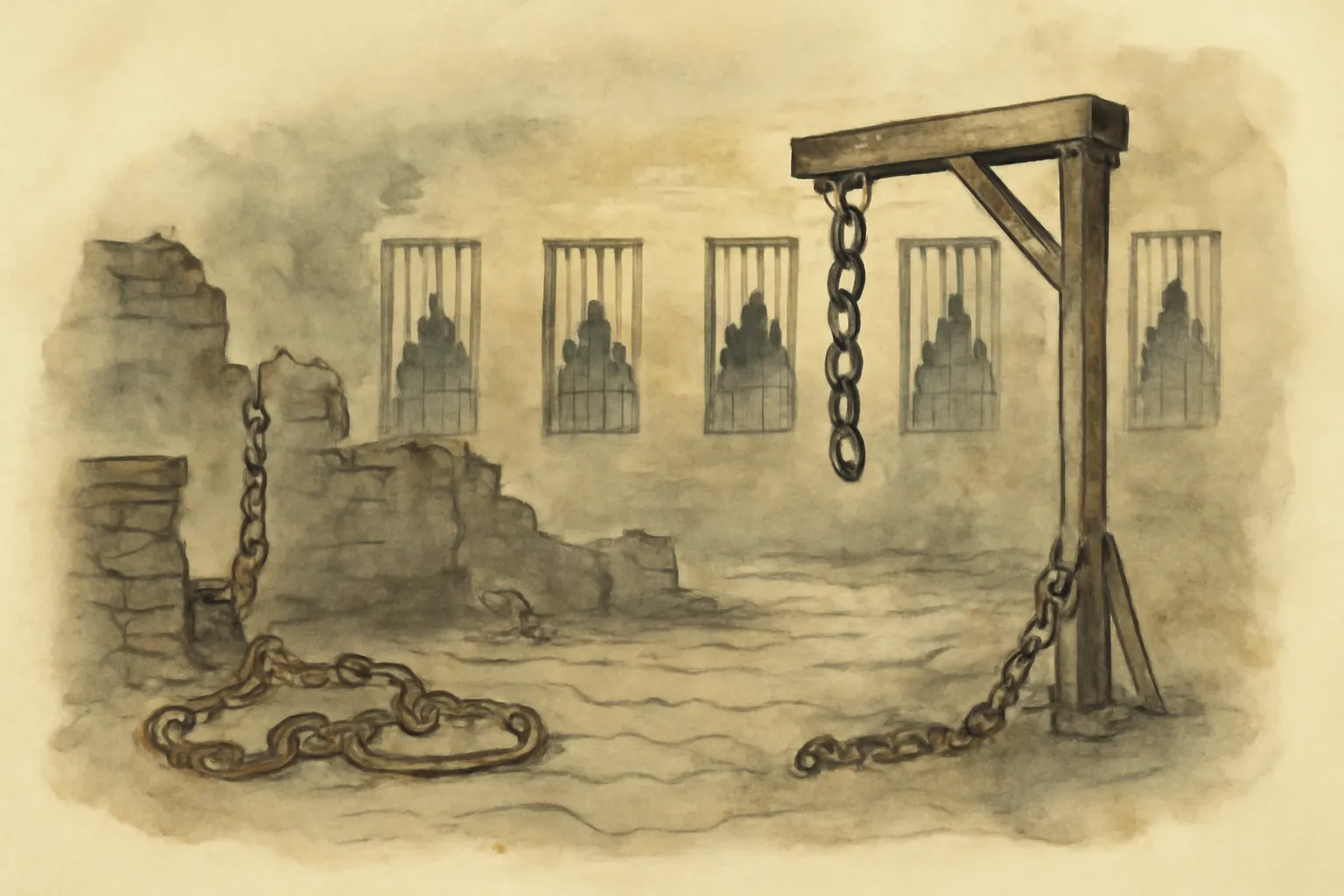
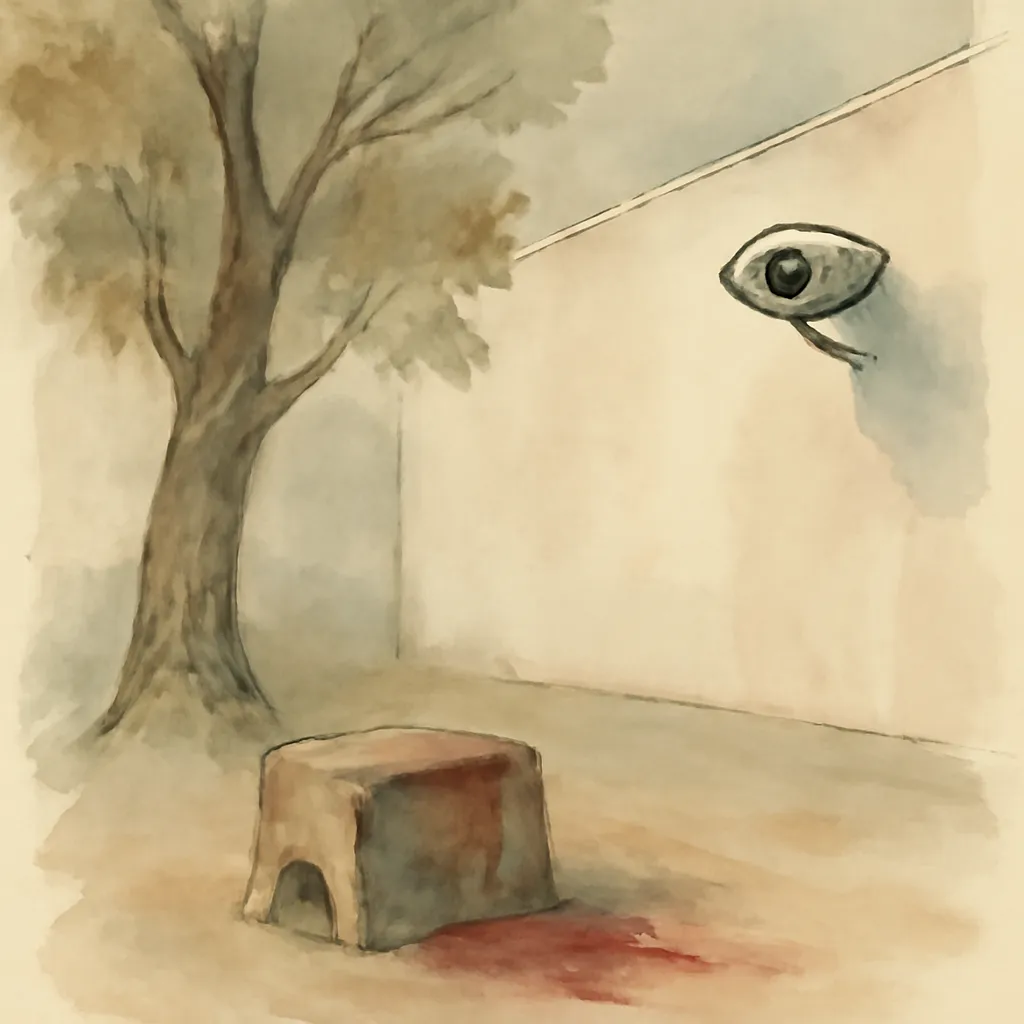
Foucault traces the evolution of punishment from the gruesome public executions of the 18th century to the seemingly humane, regulated prison system. He argues that while punishment became less physically violent, it also became more insidious. The shift from spectacle to surveillance marks a transformation in how power is exercised: instead of being openly brutal, it becomes internalized and constant, shaping behavior through subtle observation and discipline.
2.The Birth of the Prison
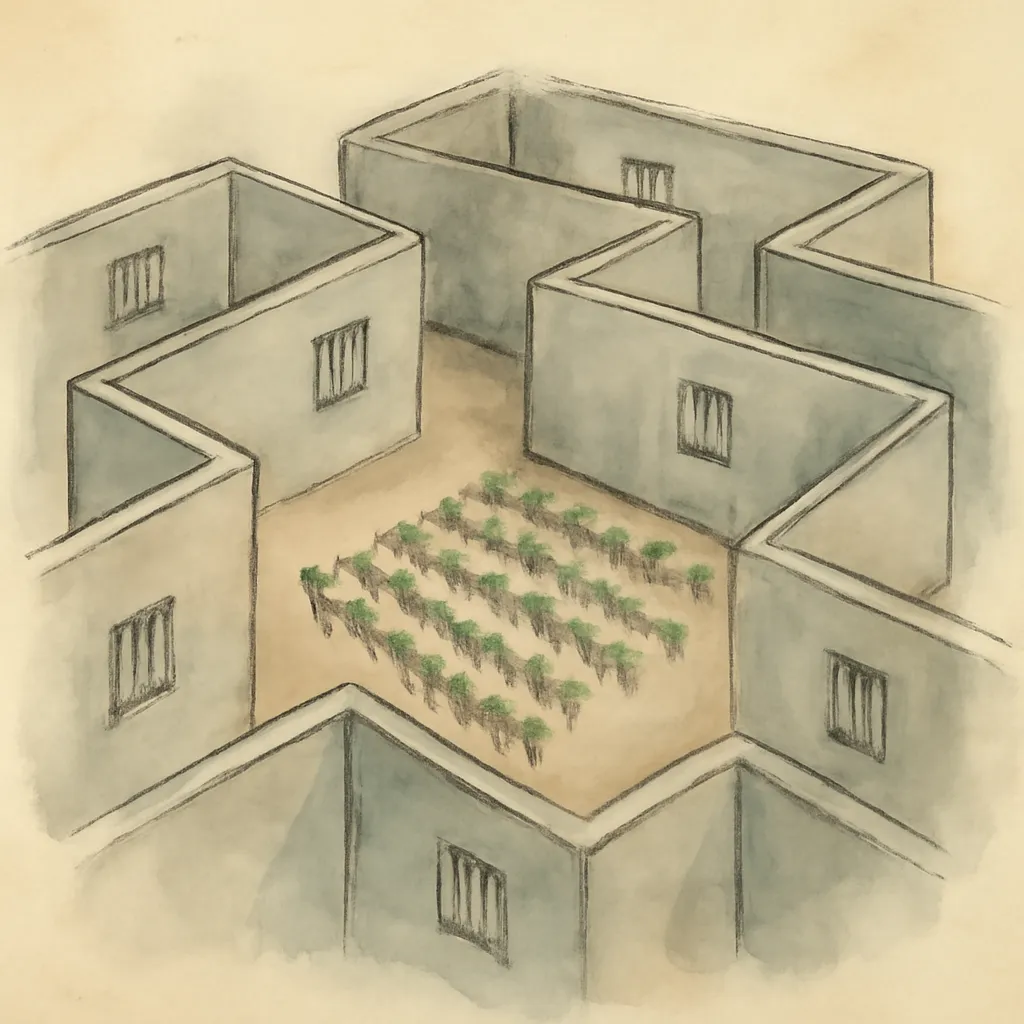
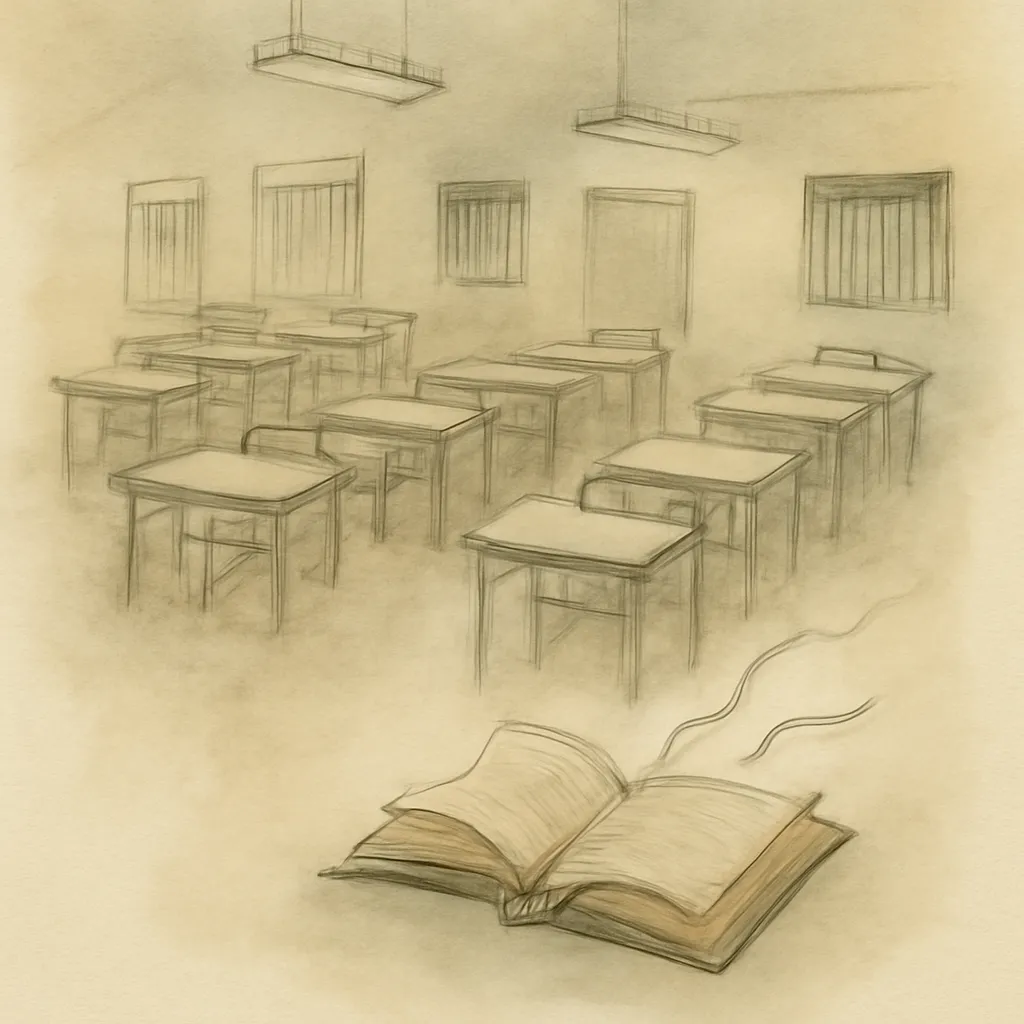
The modern prison, Foucault claims, is not just a place to confine criminals but a tool for producing 'docile bodies'—individuals who are trained to conform. Prisons exemplify a broader social trend where institutions (schools, hospitals, armies) use similar disciplinary techniques to mold and control people. The prison is thus both a symbol and a laboratory for modern power.
3.Disciplinary Power
Foucault introduces the concept of 'disciplinary power,' a form of control that operates not through law or force, but through routines, surveillance, and normalization. This power is diffuse and omnipresent, embedded in everyday practices. It works by making individuals visible and accountable, encouraging self-regulation and conformity without overt coercion.
4.The Panopticon and Internalized Surveillance
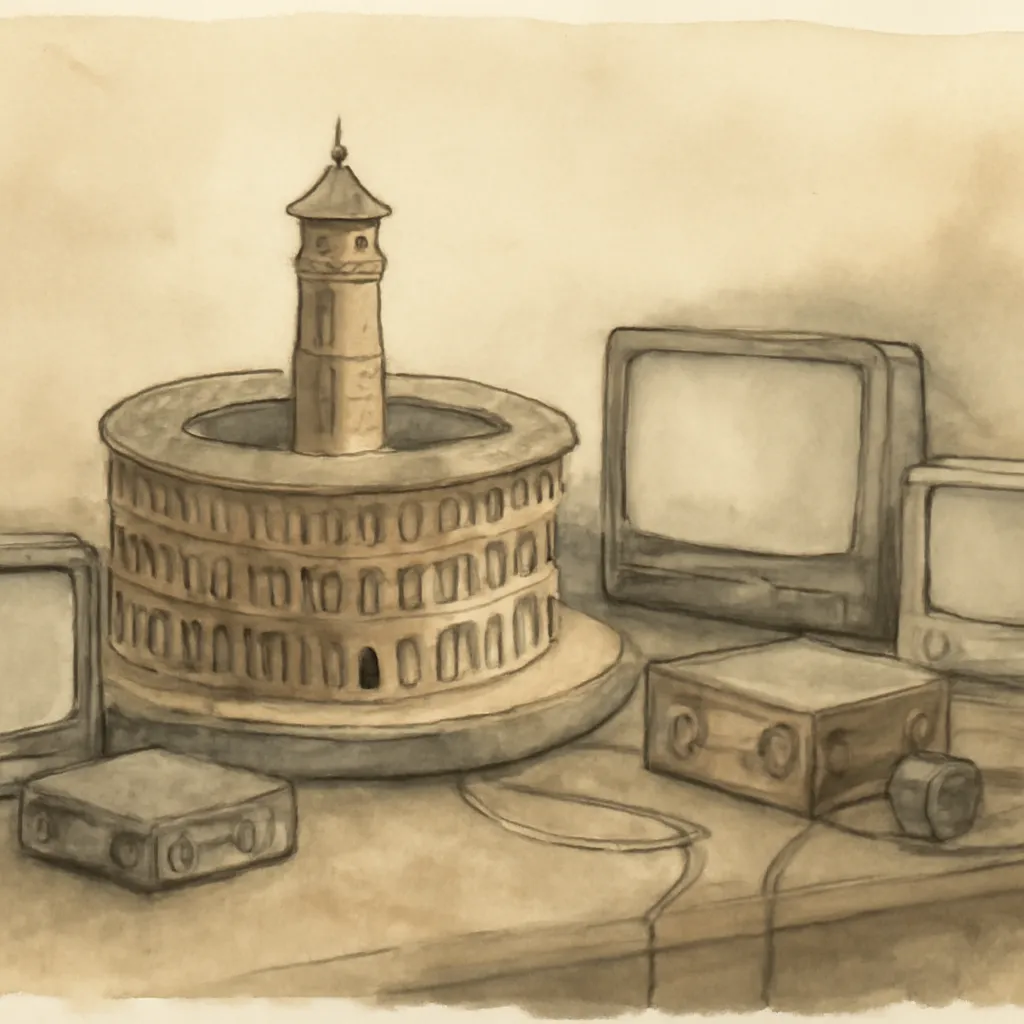
The Panopticon, a theoretical prison design by Jeremy Bentham, becomes Foucault’s metaphor for modern surveillance. In the Panopticon, inmates never know when they are being watched, so they behave as if they always are. Foucault argues that this model extends beyond prisons to society at large, where surveillance is internalized and people police themselves.
5.Knowledge and Power
Foucault shows how knowledge and power are intertwined: the collection of data about individuals (their bodies, behaviors, histories) is a means of control. Institutions create categories and norms, defining what is 'normal' or 'deviant.' This process shapes identities and enables more effective discipline, making power more efficient and less visible.
6.Resistance and Agency
While Foucault describes pervasive systems of control, he also hints at the possibility of resistance. By exposing how power operates, he invites readers to question and challenge the taken-for-granted structures of authority. Understanding these mechanisms is the first step toward reclaiming agency and imagining alternatives.