1.Empathy as the Essence of Humanity
At the heart of the novel is the question of what makes someone truly human. Dick posits empathy—the ability to feel for others—as the defining trait. The Voigt-Kampff test, used to identify androids, measures emotional responses, suggesting that empathy is not just a social virtue but the very core of personhood. Yet, as the story unfolds, the distinction becomes murky: some androids show glimmers of compassion, while humans can be cold and detached. This ambiguity forces both characters and readers to reconsider the boundaries of humanity.
2.The Fragility of Reality and Identity
Dick’s world is one where reality is unstable. The prevalence of androids who pass for humans, and the existence of artificial animals, create a pervasive sense of uncertainty. Characters struggle with their own identities and the authenticity of their experiences. Deckard, the protagonist, is forced to question not only the nature of the beings he hunts but also his own moral compass and sense of self. The novel suggests that identity is not fixed, but constructed—and vulnerable to doubt.
3.The Moral Cost of Survival
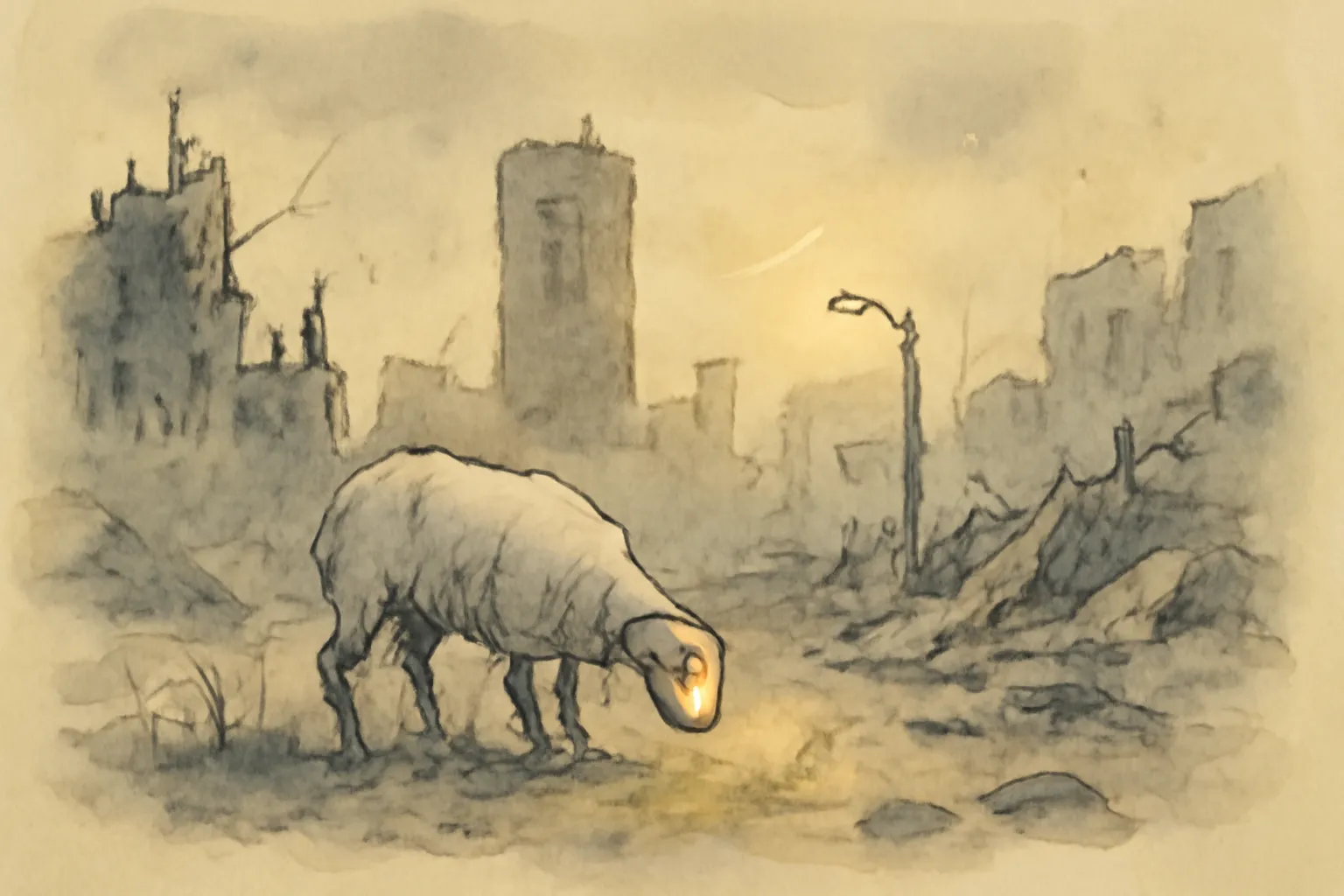
Set in a devastated, depopulated Earth, the novel presents a society obsessed with survival and status. Owning a real animal is a symbol of worth, while androids are treated as expendable, despite their intelligence and self-awareness. Deckard’s job as a bounty hunter exposes the ethical compromises required to maintain order, raising uncomfortable questions about the value of life—organic or artificial—and the price of maintaining one’s humanity in a dehumanized world.
4.Technology and Alienation
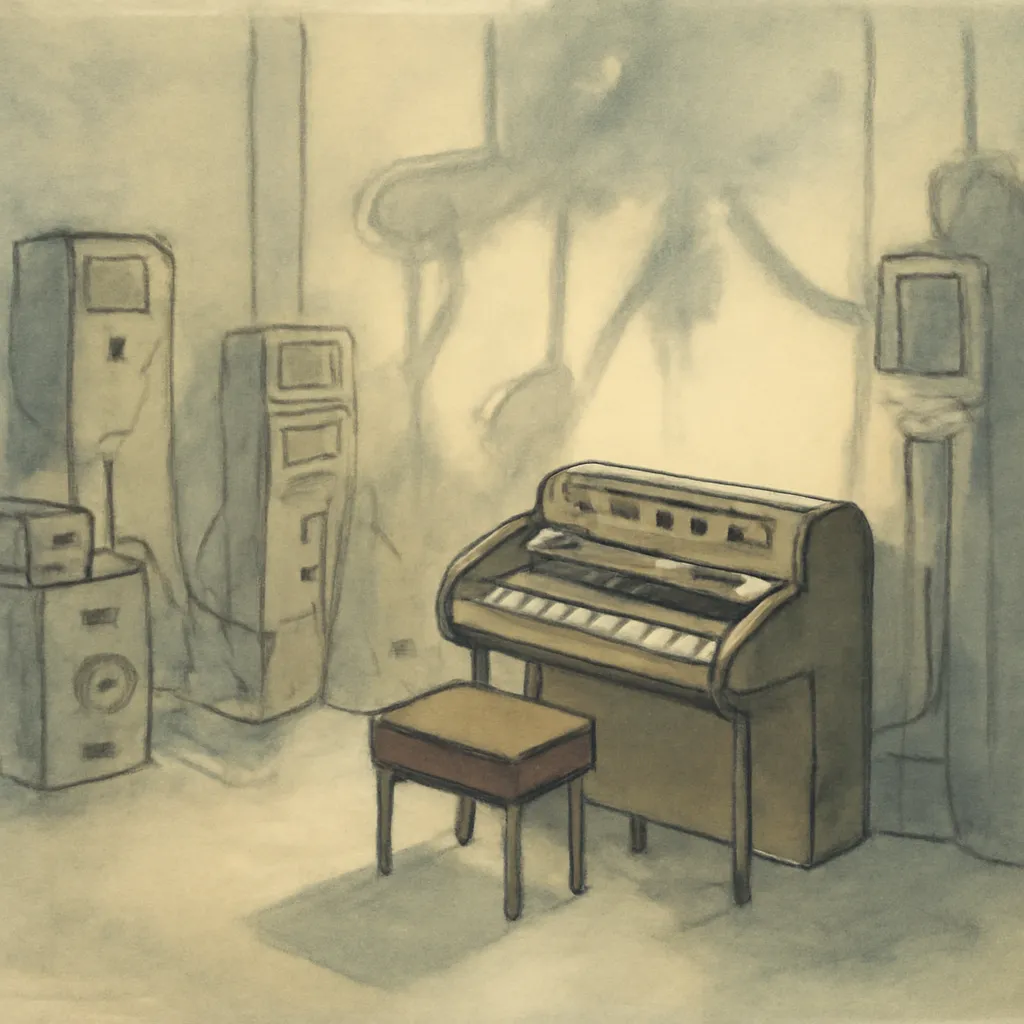
Far from being liberating, technology in Dick’s future often deepens alienation. The Penfield mood organ lets users dial their emotions, while Mercerism—a synthetic religion—offers communal experiences that may be illusory. These inventions reflect a society desperate for connection, yet increasingly isolated. The novel interrogates whether technology can truly bridge the gap between individuals, or if it only masks deeper existential loneliness.
5.Ambiguity and Moral Complexity
Dick resists easy answers. The androids are not simple villains; they are capable of suffering and self-preservation, and some even seek meaning in their existence. Conversely, humans are capable of cruelty and indifference. The novel’s refusal to draw clear moral lines invites readers to grapple with uncomfortable ambiguities, mirroring real-world ethical dilemmas around artificial intelligence, animal rights, and the limits of empathy.
6.The Search for Authenticity
In a world filled with imitations—fake animals, synthetic emotions, androids—characters yearn for something real. This quest for authenticity drives much of the novel’s action and emotional resonance. Whether through caring for an animal, connecting with others, or seeking spiritual meaning, the characters’ struggles reflect a universal human desire to find purpose and truth in an artificial age.