1.The Individual vs. History
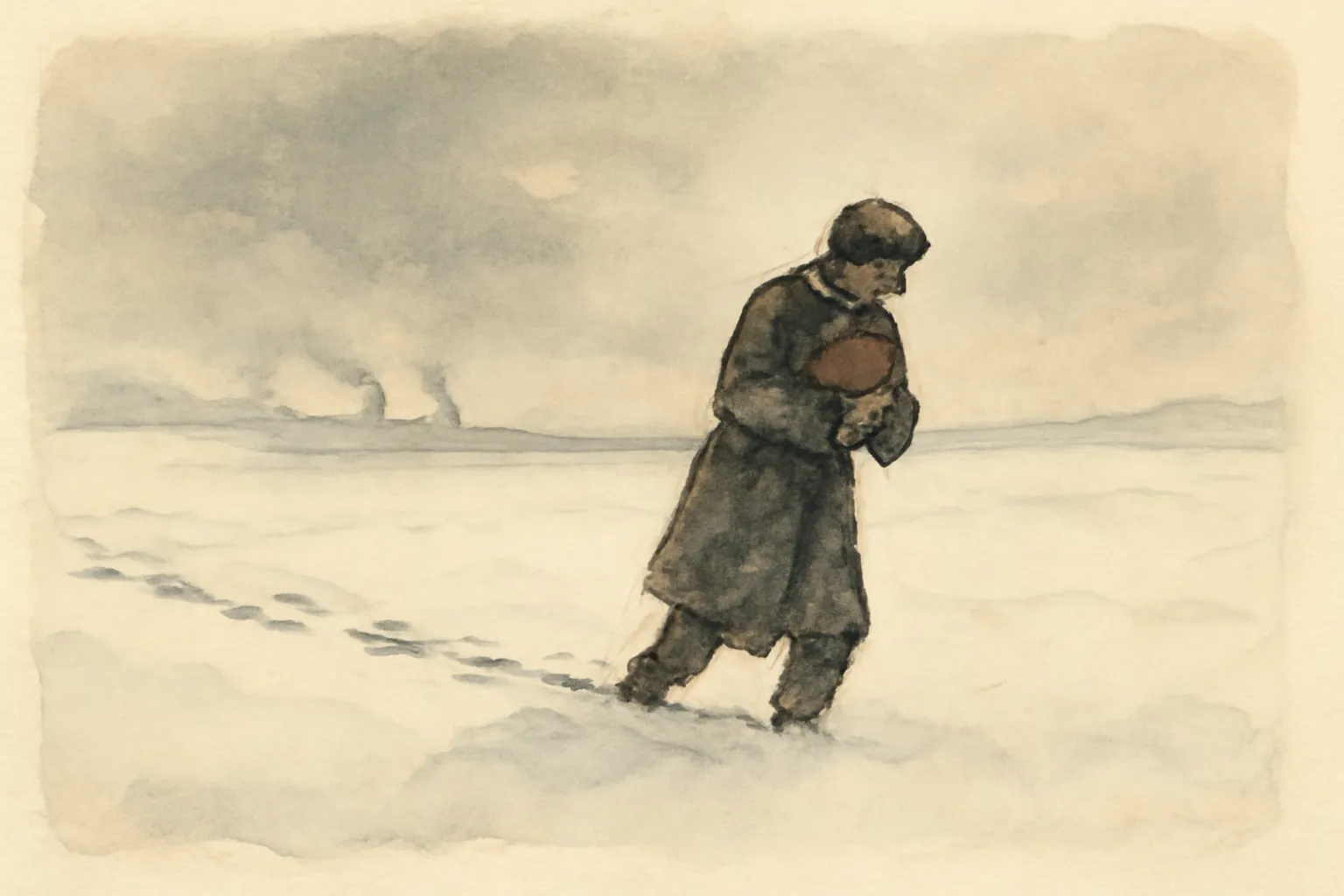
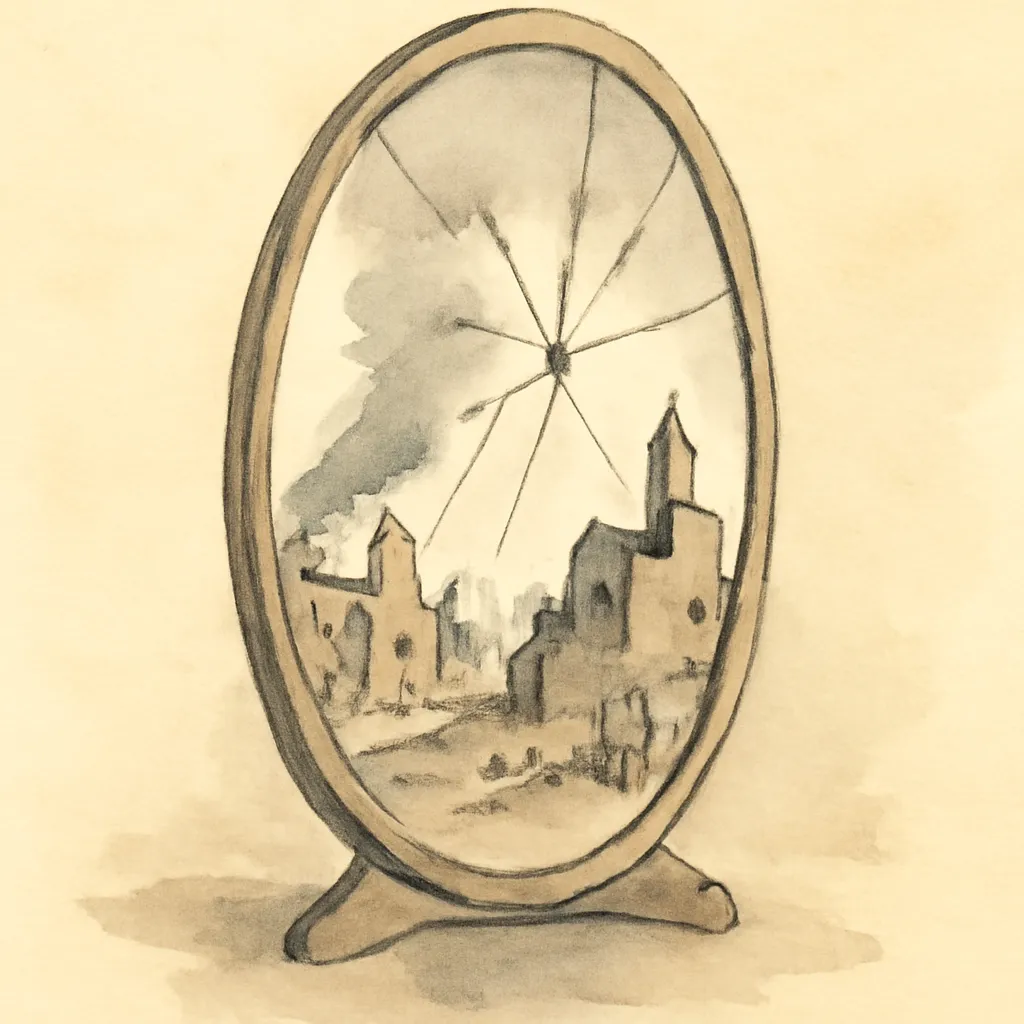
At its heart, Doctor Zhivago explores how massive historical forces—revolution, war, ideology—collide with the lives of individuals. Yury Zhivago, a poet and physician, is repeatedly swept up by events beyond his control, forced to adapt or suffer. The novel questions whether personal integrity and artistic spirit can survive in times of upheaval, and suggests that the individual’s inner life is both fragile and resilient, often at odds with the demands of history.
2.Love as Resistance
The love story between Zhivago and Lara is not just romantic but symbolic. Their connection stands in contrast to the dehumanizing effects of war and revolution. Through their affair, Pasternak posits that love—both romantic and platonic—can be an act of resistance, a way to assert humanity in an inhuman world. Yet, love is also depicted as vulnerable, often thwarted by circumstance and ideology.
3.Art and Poetry Amid Turmoil
Zhivago’s identity as a poet is central to the novel. Pasternak uses his protagonist’s artistic sensibility to explore the role of art in society. The poems interspersed throughout the book serve as moments of beauty and clarity amid chaos, suggesting that creativity is both a refuge and a form of protest. The novel itself, with its lush descriptions and philosophical digressions, embodies this belief in art’s enduring value.
4.The Cost of Revolution
Doctor Zhivago is critical of the Russian Revolution and its aftermath, depicting the suffering, dislocation, and moral ambiguity it brings. Pasternak does not romanticize the Bolshevik cause; instead, he shows how revolutionary ideals can become oppressive, eroding personal freedoms and destroying lives. The novel asks whether the promised utopia is worth the human cost.
5.Memory, Loss, and the Search for Meaning
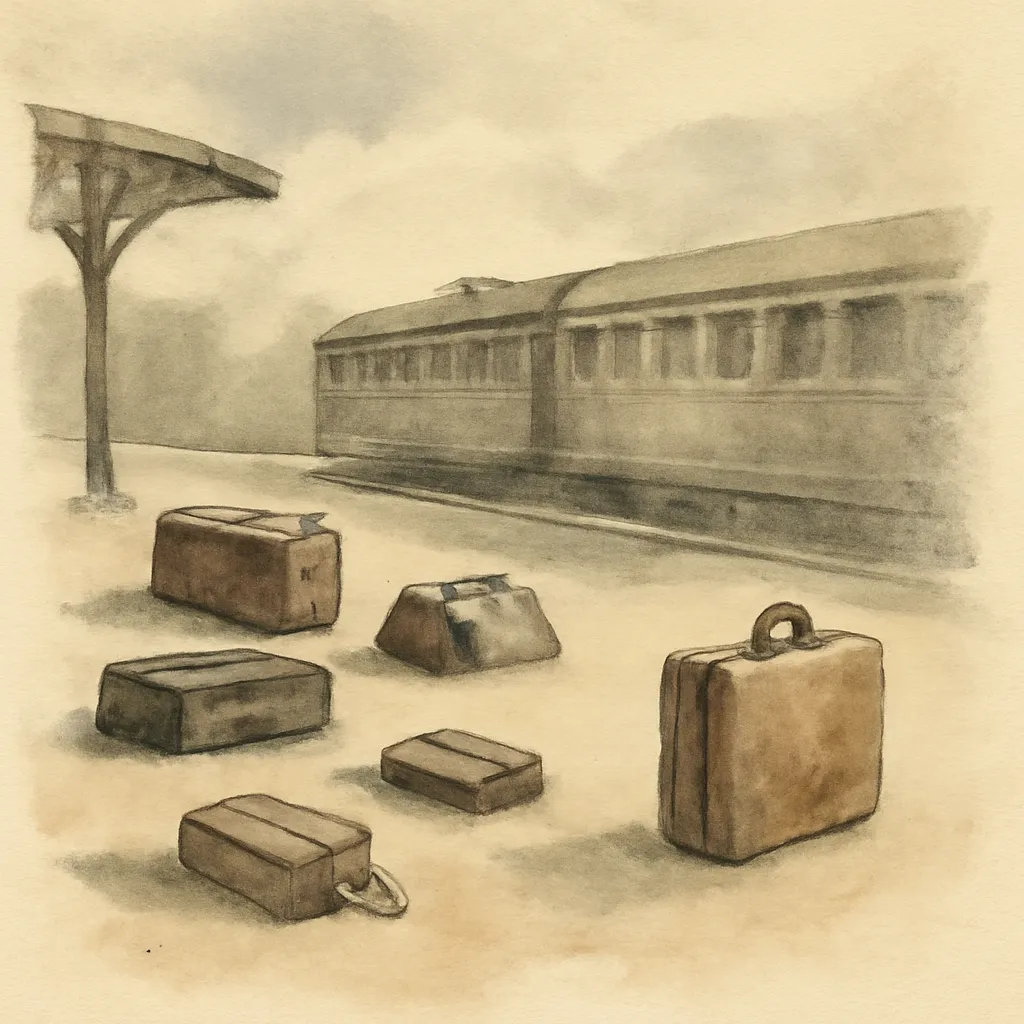
Throughout the novel, characters grapple with loss—of home, family, ideals, and identity. Zhivago’s journey is as much about coming to terms with these losses as it is about survival. Memory becomes a way to hold onto meaning in a world that seems intent on erasing the past. The narrative’s structure, with its shifting perspectives and time frames, mimics the fragmented nature of memory itself.
6.Moral Ambiguity and Survival
Few characters in Doctor Zhivago are purely good or evil. Instead, Pasternak presents a world in which survival often requires compromise, and moral choices are rarely clear-cut. This complexity invites readers to empathize with people caught in impossible situations, and to question easy judgments about right and wrong in times of crisis.