1.The Illusion of a Happy Marriage
At first glance, the Helmer household seems to embody the perfect marriage. Nora is playful and affectionate towards her husband, Torvald, who dotes on her, referring to her as his 'little lark' and 'squirrel.' However, this dynamic masks a profound imbalance in their relationship. Torvald's patronizing demeanor and Nora's subservient role highlight the societal expectations placed upon women during the 19th century. Nora's apparent happiness is a façade that conceals her internal struggles and the sacrifices she has made for her family. The play critiques the notion that a woman's worth is tied solely to her ability to please her husband, revealing how such ideals can lead to disillusionment and a loss of self.
2.Nora's Secret and the Burden of Debt
Nora's secret—a loan she took out without Torvald's knowledge to fund a trip that saved his life—serves as a pivotal plot point in the play. This act of deception, while initially born from love, becomes a source of immense stress as she grapples with the implications of her decision. The burden of debt symbolizes the constraints that society places on women, forcing them into positions of dependence. Nora's struggle to maintain her secret reflects the broader theme of women's lack of agency, as she is compelled to navigate a world that does not recognize her autonomy. This debt ultimately becomes a metaphor for the emotional and psychological burdens women carry in their pursuit of love and acceptance.
3.The Role of the Nurse: A Reflection of Sacrifice
The character of the Nurse, who once cared for Nora, provides a poignant contrast to the main characters. Having given up her own child for the sake of employment, the Nurse embodies the sacrifices women make in the name of duty and survival. Her pragmatic view on motherhood and her willingness to part with her child highlight the harsh realities faced by women in society. This subplot serves to deepen the exploration of maternal roles and the societal pressures that dictate a woman's choices. Nora's conversation with the Nurse about her own children reveals her fear of repeating the same sacrifices, emphasizing the cycle of sacrifice that binds women across generations.
4.The Symbolism of the Christmas Tree
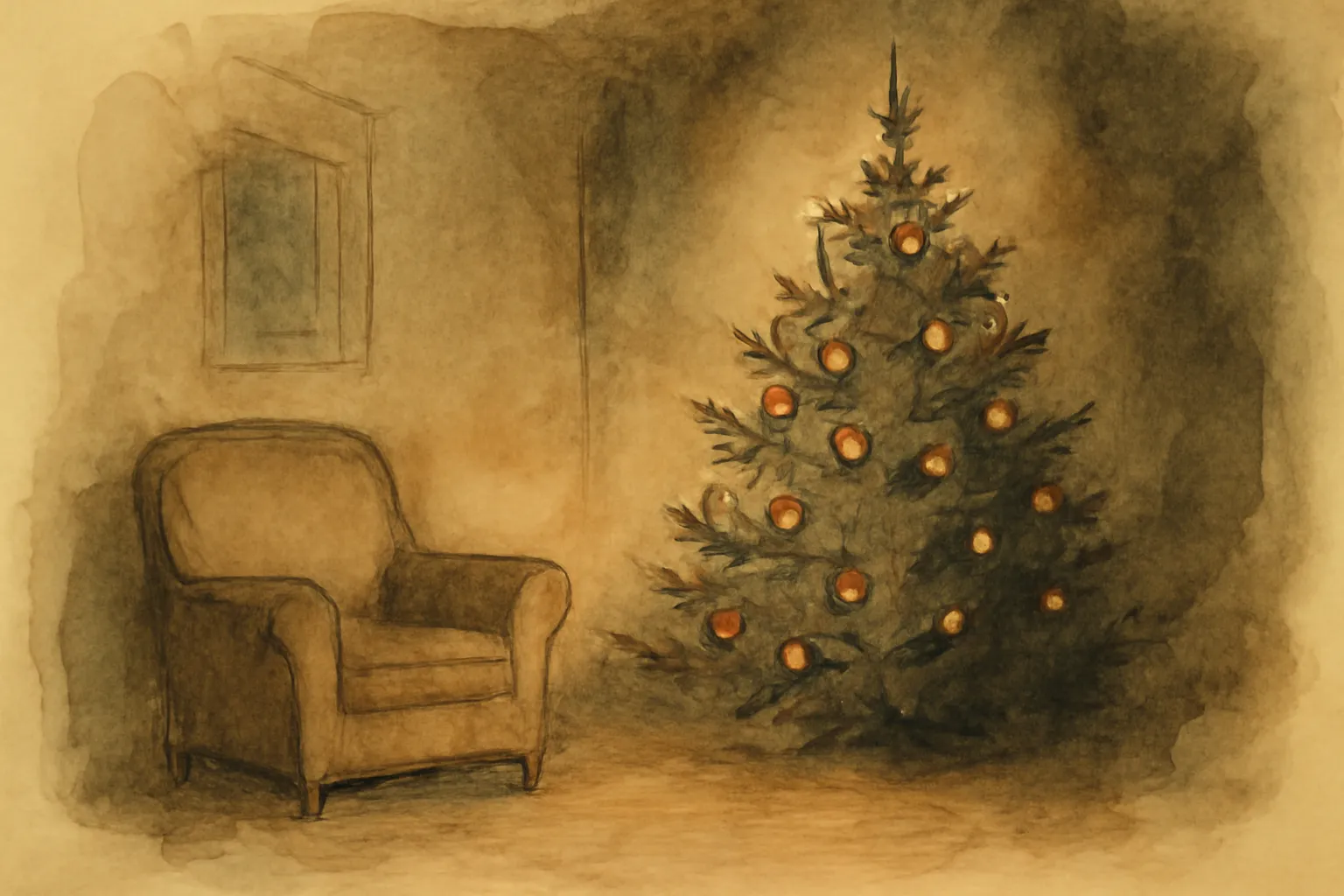
The Christmas tree in A Doll's House serves as a powerful symbol of Nora's initial state of mind and the facade of her domestic life. Initially, the tree is beautiful and full of promise, much like Nora's own hopes for a joyous family Christmas. However, as the play progresses, the tree becomes disheveled and stripped of its ornaments, mirroring Nora's emotional unraveling and the disintegration of her marriage. This transformation reflects the broader commentary on the hollowness of societal expectations surrounding family and happiness. The tree's decline parallels Nora's journey from a superficial understanding of happiness to a deeper, more painful realization of her own identity and desires.
5.Krogstad: The Antagonist with Depth
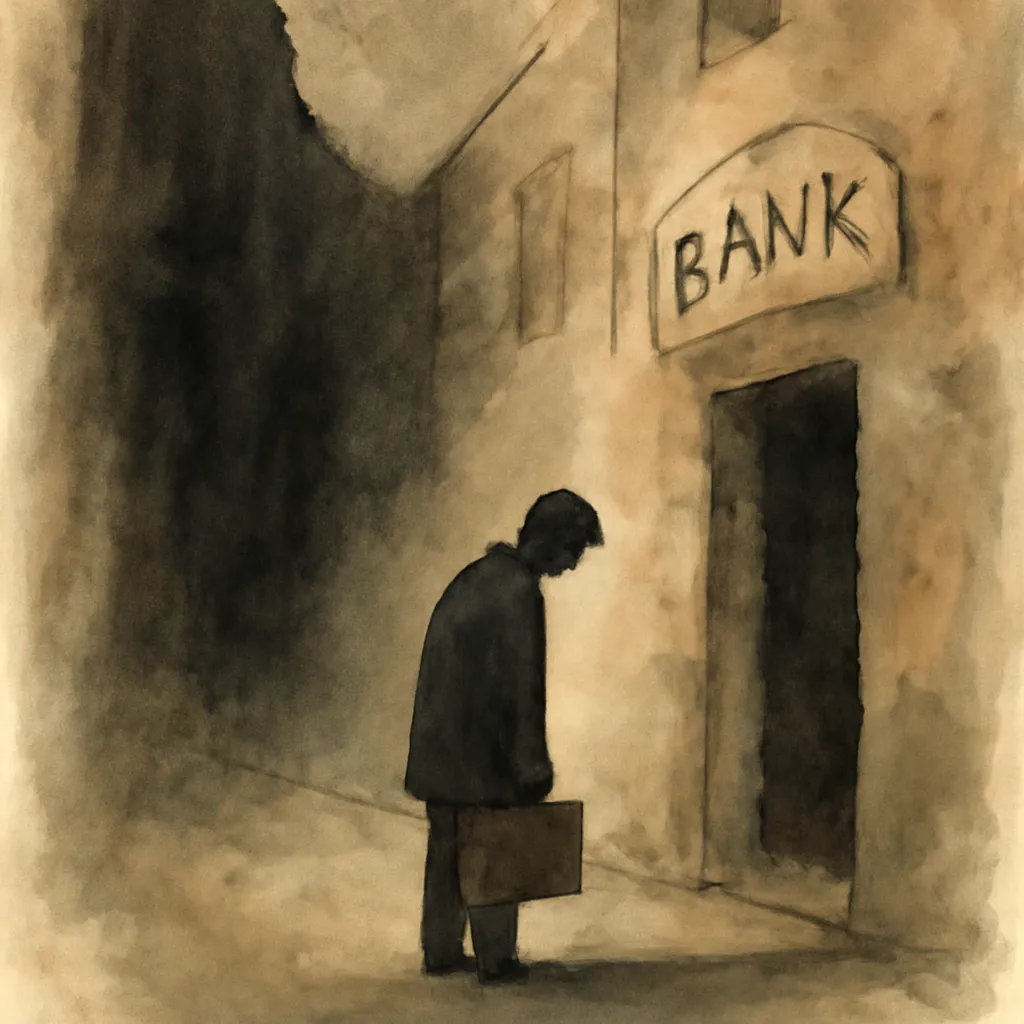
Krogstad, initially presented as the antagonist, adds complexity to the narrative as his character unfolds. A former employee at Torvald's bank, Krogstad is desperate to regain his position and secure a future for himself and his children. His relationship with Nora reveals a shared struggle against societal constraints. Unlike Torvald, who embodies privilege and power, Krogstad represents the marginalized individuals who must navigate a world filled with judgment and prejudice. His actions, while morally ambiguous, stem from a desire for redemption and stability. This duality challenges the audience to reconsider notions of villainy and morality, emphasizing that desperation can lead individuals to make questionable choices.
6.Mrs. Linde: A Catalyst for Change
The character of Mrs. Linde serves as a crucial catalyst for Nora's transformation. Unlike Nora, who has lived a sheltered life, Mrs. Linde has faced the harsh realities of life, having lost her husband and struggled to provide for herself. Her return to Nora's life prompts a reevaluation of Nora's circumstances and choices. Mrs. Linde's pragmatic approach to life contrasts sharply with Nora's naïveté, pushing Nora to confront her own discontent and the limitations imposed on her. This friendship highlights the importance of female solidarity and the sharing of experiences, as Mrs. Linde encourages Nora to embrace her truth and seek independence. Through Mrs. Linde, Ibsen emphasizes the necessity of authentic relationships in the pursuit of self-discovery.
7.The Climactic Confrontation
The climax of A Doll's House occurs when Torvald discovers Nora's secret. His reaction is one of shock and anger, revealing his true character beneath the affectionate facade. Instead of expressing gratitude for Nora's sacrifice, he berates her for her deception, prioritizing his reputation over her well-being. This confrontation serves as a turning point in Nora's self-awareness, as she realizes that her marriage is built on a foundation of control and manipulation rather than love and partnership. Torvald's response shatters Nora's illusions, propelling her toward a radical decision to leave him and her children in search of her own identity. This moment underscores the play's central themes of independence and the struggle against societal norms.
8.The Symbolic Door Slam
The final act culminates in Nora's iconic decision to leave Torvald and her children, symbolized by the slamming of the door. This act of defiance is both liberating and heartbreaking, encapsulating Nora's struggle for autonomy. The door serves as a powerful metaphor for the boundaries that society imposes on women and the courage it takes to break free from those confines. Nora's departure challenges the traditional roles of women as self-sacrificing mothers and devoted wives, asserting her right to self-discovery. This moment resonates with audiences as a bold statement on the importance of personal freedom and the necessity of challenging societal expectations. The door slam has since become emblematic of feminist movements, symbolizing the fight for women's rights and autonomy.
9.The Legacy of A Doll's House
A Doll's House has left an indelible mark on literature and theater, igniting discussions about gender roles, marriage, and individual freedom. Ibsen's portrayal of Nora's journey has inspired countless adaptations and interpretations, resonating with generations of readers and audiences. The play's exploration of the complexities of human relationships continues to be relevant, as individuals grapple with issues of identity and societal expectations. Ibsen's work challenges the audience to reflect on their own lives and the constraints they face, prompting a reexamination of the roles assigned to men and women. The enduring legacy of A Doll's House lies in its ability to provoke thought and inspire change, making it a cornerstone of modern drama.