1.The Doughnut Model
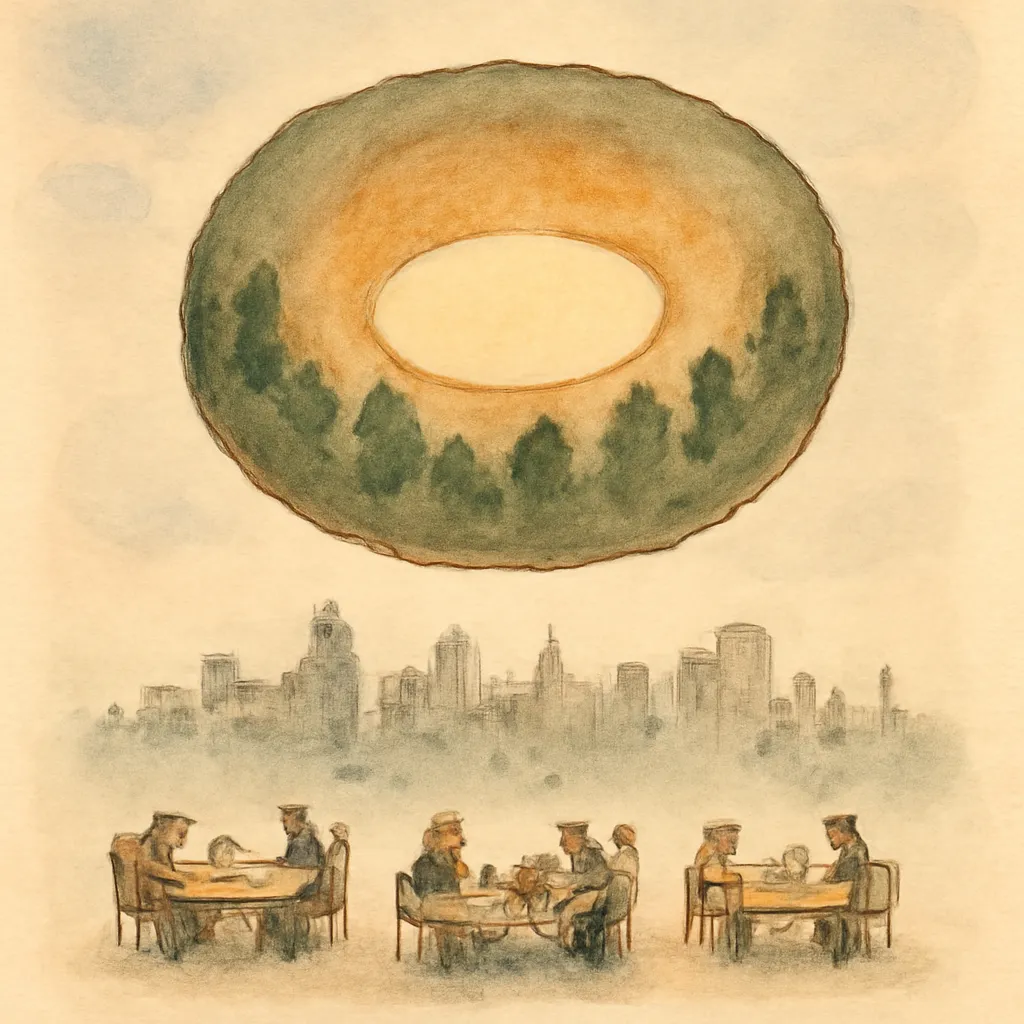
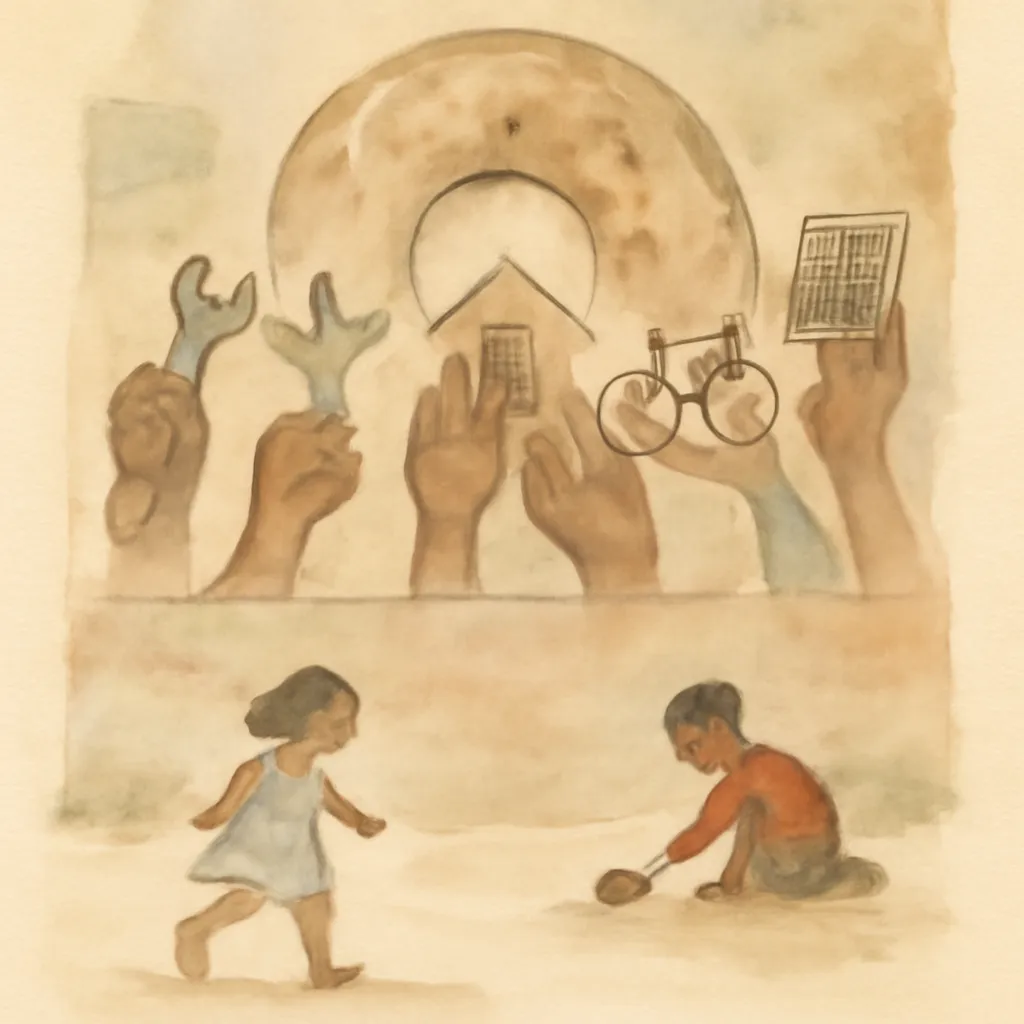
Raworth’s central metaphor is the ‘doughnut’: a visual framework that defines a safe and just space for humanity. The inner ring represents the social foundation—basic human needs like food, health, and education—while the outer ring marks the ecological ceiling—planetary boundaries we must not overshoot. The sweet spot is the doughnut itself, where everyone’s needs are met without breaching the Earth’s limits. This model reframes economic success as thriving within these boundaries, not endless growth.
2.Rethinking Economic Growth
Raworth critiques the obsession with GDP and perpetual growth, arguing that it’s both unsustainable and misaligned with real human well-being. She calls for economies to become ‘agnostic’ about growth, focusing instead on meeting needs and regenerating resources. This shift demands new metrics and a willingness to embrace economies that are healthy, even if they’re not always growing.
3.Seven Ways to Think Like a 21st Century Economist
Raworth outlines seven key shifts: changing the goal (from GDP to thriving in the doughnut), seeing the big picture (recognizing the embeddedness of the economy in society and nature), nurturing human nature (moving beyond the rational, self-interested ‘economic man’), getting savvy with systems (embracing complexity and feedback loops), designing to distribute (rethinking inequality), creating to regenerate (prioritizing sustainability), and being growth-agnostic. Each step challenges outdated assumptions and offers tools for systemic change.
4.Regenerative and Distributive Design
Raworth insists that economies must be designed to regenerate the environment and distribute value more fairly. She critiques extractive, linear models and advocates for circular, regenerative systems that restore natural capital and share resources equitably. This means rethinking everything from business incentives to the structure of money and finance.
5.The Power of Visuals and Storytelling
A major theme is the importance of the images and narratives that shape our economic thinking. Raworth shows how the diagrams of old economics—like the circular flow of income—have limited our imagination. By introducing the doughnut and other new visuals, she encourages readers to see economics as dynamic, embedded, and open to redesign.
6.Economics as a Tool for the Common Good
Raworth repositions economics not as a science of scarcity and competition, but as a tool for achieving collective well-being within planetary limits. She invites economists, policymakers, and citizens to co-create systems that prioritize human and ecological flourishing, making economics relevant and ethical for the challenges of our time.