1.Immersion as Insight
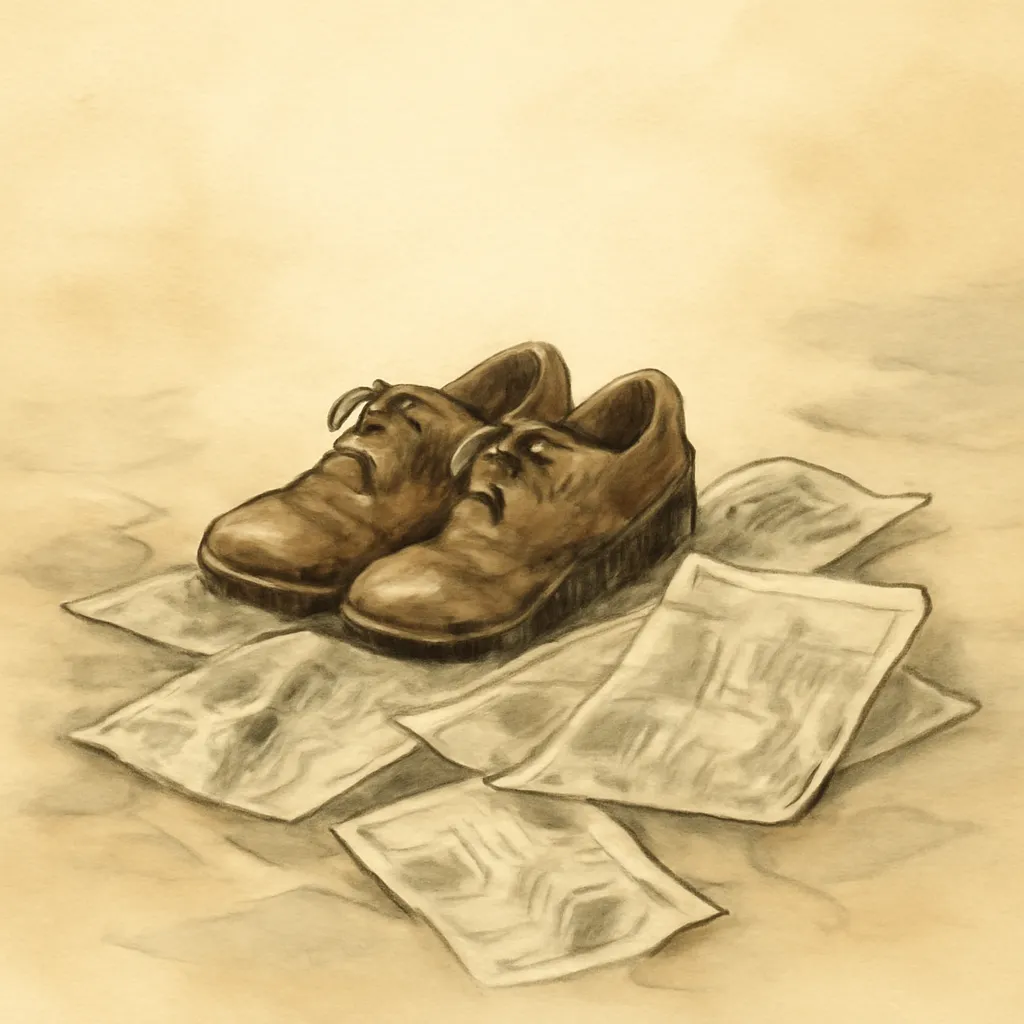
Orwell does not merely observe poverty from a distance; he immerses himself in it, living and working alongside the destitute in Paris and London. This firsthand approach lends authenticity to his account and allows readers to see the world through the eyes of those at society’s bottom. The book’s power lies in its refusal to romanticize or sensationalize hardship, instead offering a granular, honest depiction of daily survival.
2.The Machinery of Poverty
Orwell exposes how poverty is perpetuated by both economic structures and social attitudes. He details the endless cycle of menial labor, the indignities of charity, and the bureaucracy that makes escape nearly impossible. His observations highlight how poverty is not just a lack of money, but a system that strips people of dignity and agency.
3.Work and Worth
Through his experiences as a plongeur (dishwasher) in Paris, Orwell examines the nature of work at the lowest rungs of society. He questions the value placed on different kinds of labor and how the most grueling jobs are often the least respected and worst paid. The book challenges readers to rethink assumptions about the relationship between work, status, and self-worth.
4.Solidarity and Alienation
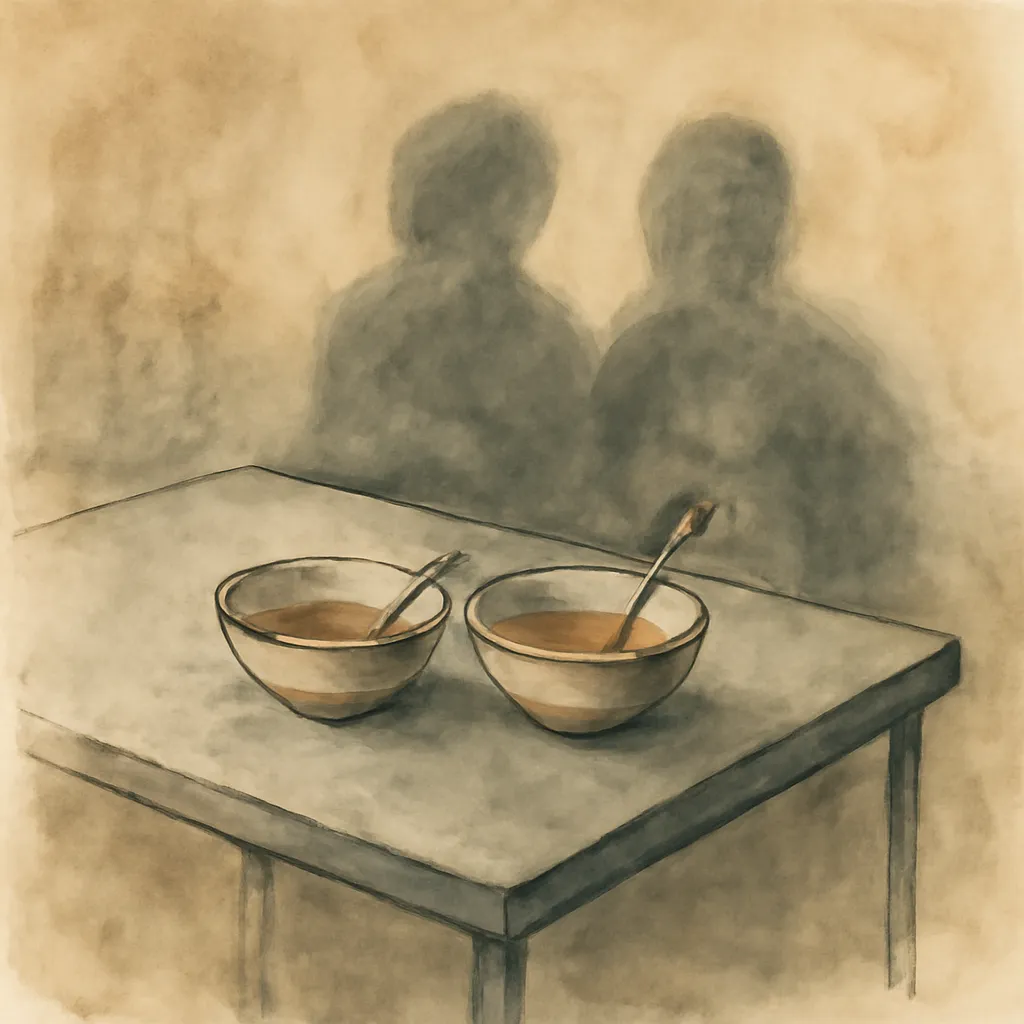
Despite the harshness of life on the streets and in hostels, Orwell finds moments of camaraderie among the poor. Yet, he also notes the profound isolation and mistrust fostered by deprivation. The book explores how poverty can both unite and divide, revealing the psychological toll of constant insecurity.
5.The Invisible Poor
Orwell is keenly aware of how the poor are rendered invisible by mainstream society. He describes the way the well-off avert their gaze from suffering, and how institutions designed to help often end up dehumanizing those in need. The book serves as a call to acknowledge and confront the realities hidden in plain sight.
6.Social Critique and Empathy
Beyond reportage, Orwell’s narrative is a pointed critique of social indifference and hypocrisy. He urges readers to recognize their own complicity in systems that marginalize the vulnerable, and to cultivate empathy that goes beyond charity. His writing insists on the importance of seeing the poor as individuals, not statistics.