1.The Search for Identity
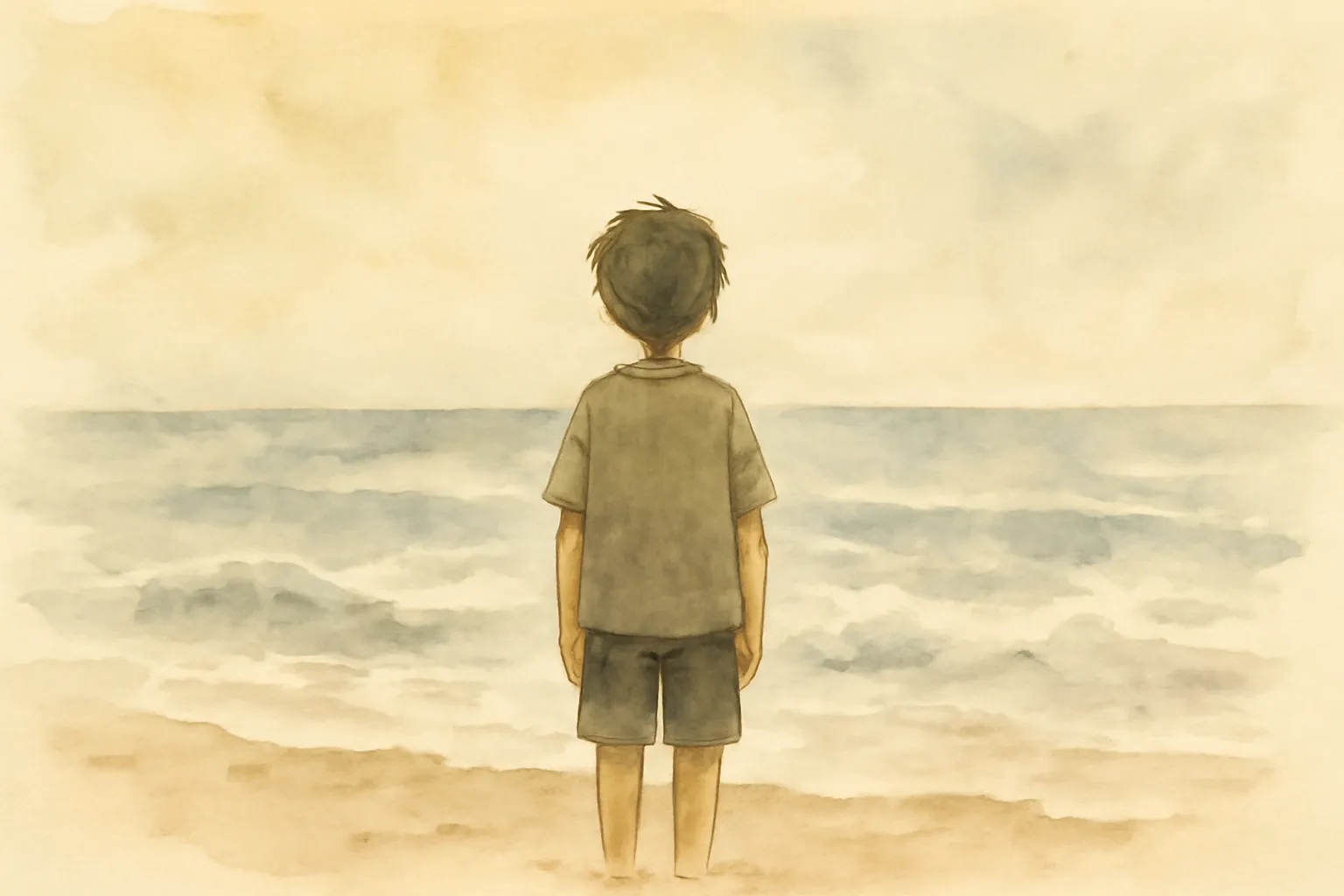
At its core, the memoir is an exploration of personal identity. Obama, born to a Kenyan father and a white American mother, grapples with questions of race, culture, and belonging throughout his youth. His journey is marked by a sense of in-betweenness—not fully at home in either black or white America. This struggle is not just about race, but about reconciling inherited histories and forging an authentic self. The book’s power lies in its honest portrayal of uncertainty and the ongoing process of self-definition.
2.Family and Inheritance
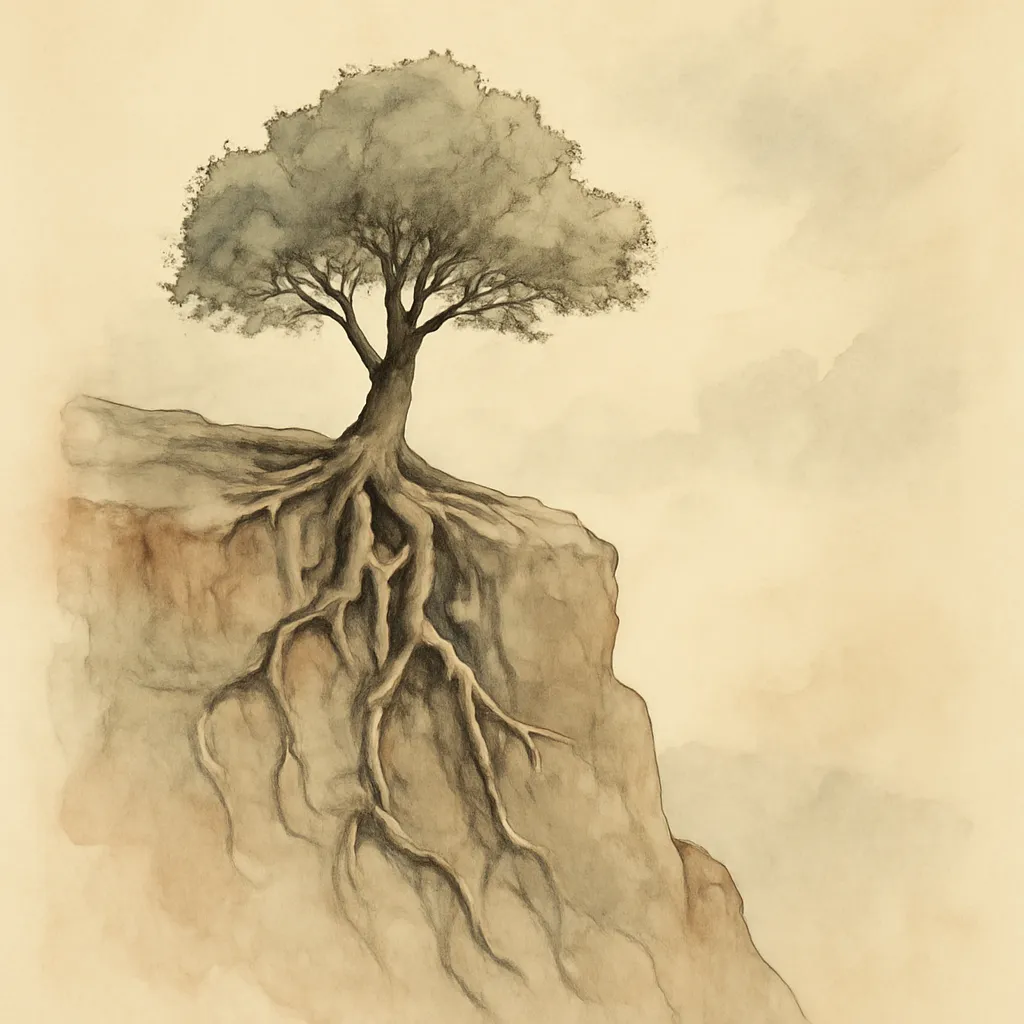
Obama’s relationship with his absent father looms large over the narrative. The memoir traces his attempts to understand the man who shaped his sense of possibility and loss. Through stories, letters, and eventually a journey to Kenya, Obama uncovers the complexities of his father’s life and the broader family legacy. This quest is both personal and symbolic—highlighting how family histories, even when fractured, profoundly influence our choices and values.
3.Race and Belonging in America
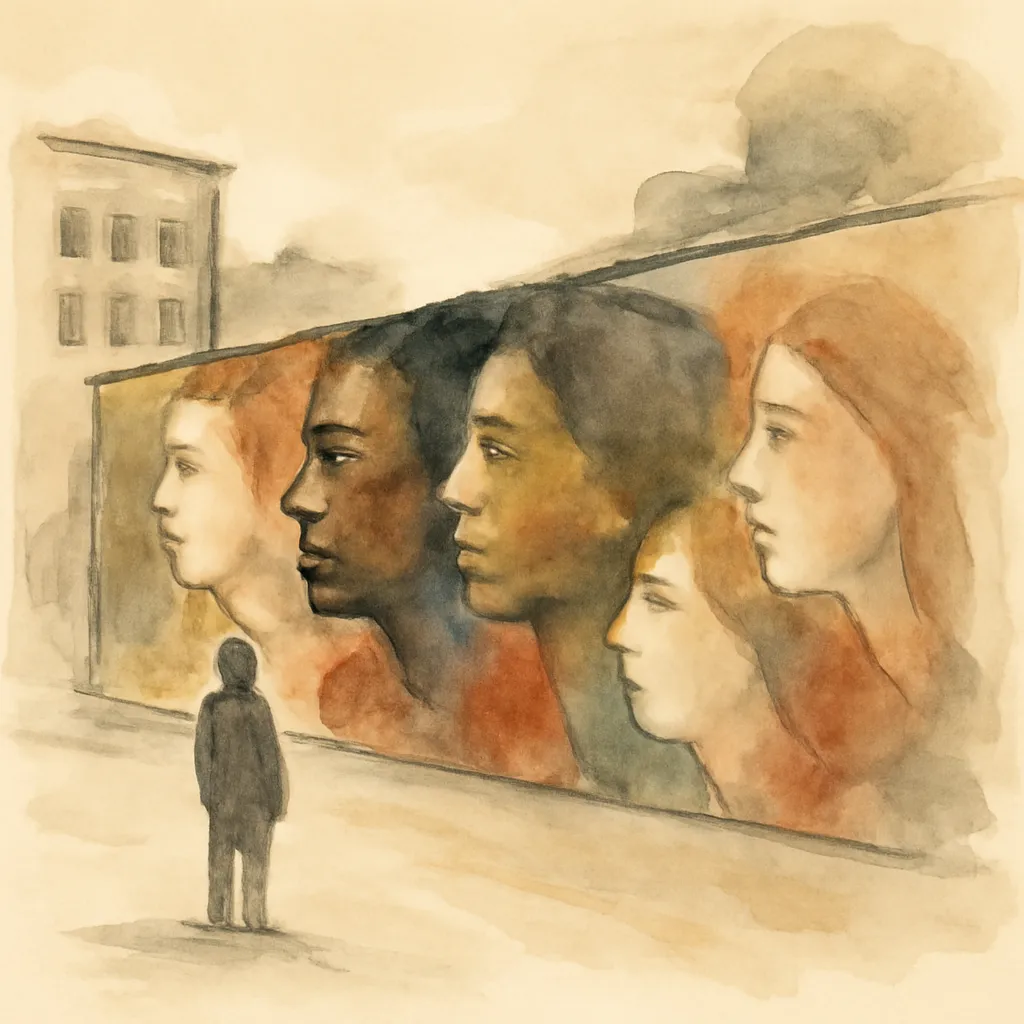
Dreams from My Father is a nuanced meditation on race in America. Obama describes his experiences growing up in Hawaii, attending college in Los Angeles and New York, and working as a community organizer in Chicago. Each setting brings different challenges and insights into the realities of being black in America. The memoir doesn’t offer easy answers, but instead reveals the layered, often contradictory ways race shapes individual lives and collective destinies.
4.Community and Responsibility
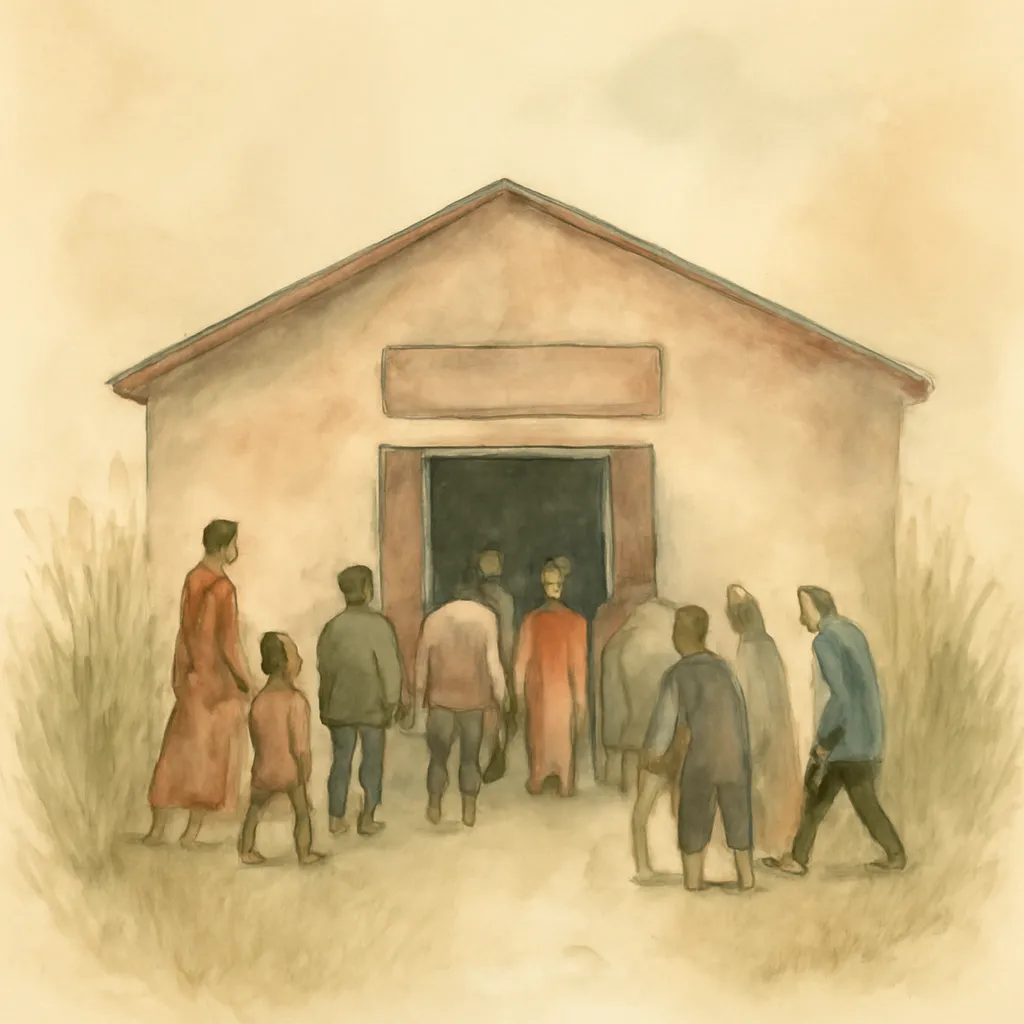
A significant portion of the memoir is devoted to Obama’s work as a community organizer in Chicago’s South Side. Here, he confronts the challenges of poverty, disillusionment, and systemic injustice. This period is transformative, teaching him about the importance of grassroots action, empathy, and the limits—and possibilities—of change. Obama’s reflections on community are both practical and philosophical, emphasizing that personal growth is intertwined with social responsibility.
5.The Power of Storytelling
Obama’s memoir is as much about the stories we inherit as the ones we tell ourselves. He weaves together family anecdotes, historical context, and personal reflection to create a narrative that is both specific and universal. The act of storytelling becomes a way to make sense of the past, connect with others, and imagine a different future. This theme resonates throughout the book, suggesting that understanding and transformation begin with honest self-examination.
6.Reconciling Divided Worlds
The memoir is structured around Obama’s movement between worlds—racial, cultural, and geographic. From Hawaii to Indonesia, from the American Midwest to Kenya, each transition forces him to confront new aspects of himself and the societies he inhabits. The book’s enduring message is that reconciliation, both internal and external, is possible but requires humility, openness, and a willingness to embrace complexity.