Racially mixed people · Racism · United states, race relations
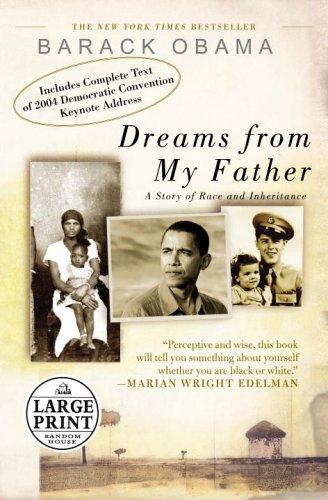
Dreams from My Father by Barack Obama — Summary, Key Ideas & Quotes
1995442 pages✦ 3-min Big ideas★ 3.8 (10)
Rate it
Dreams from My Father is Barack Obama's remarkable memoir. The son of a black African father and a white American mother, Obama was only two years old when his father walked out on the family. Many years later, Obama receives a phone call from Nairobi: his father is dead. This sudden news inspires an emotional odyssey for Obama, determined to learn the truth of his father's life and reconcile his divided inheritance. Written at the age of thirty-three, long before Obama had thoughts of a political career, Dreams from My Father is an unforgettable read. It illuminates not only Obama's journey, but also our universal desire to understand our history, and what makes us the people we are.
At its core, the memoir is an exploration of personal identity. Obama, born to a Kenyan father and a white American mother, grapples with questions of race, culture, and belonging throughout his youth. His journey is marked by a sense of in-betweenness—not fully at home in either black or white America. This struggle is not just about race, but about reconciling inherited histories and forging an authentic self. The book’s power lies in its honest portrayal of uncertainty and the ongoing process of self-definition.
Obama’s relationship with his absent father looms large over the narrative. The memoir traces his attempts to understand the man who shaped his sense of possibility and loss. Through stories, letters, and eventually a journey to Kenya, Obama uncovers the complexities of his father’s life and the broader family legacy. This quest is both personal and symbolic—highlighting how family histories, even when fractured, profoundly influence our choices and values.
“I realized that our job was not to make young men into angels but to encourage the good while recognizing the bad.”
“The worst thing that colonialism did was to cloud our view of our past.”
“You can’t really understand another person’s experience until you’ve walked a mile in their shoes.”