
Immigrants · Racism · Jamaicans
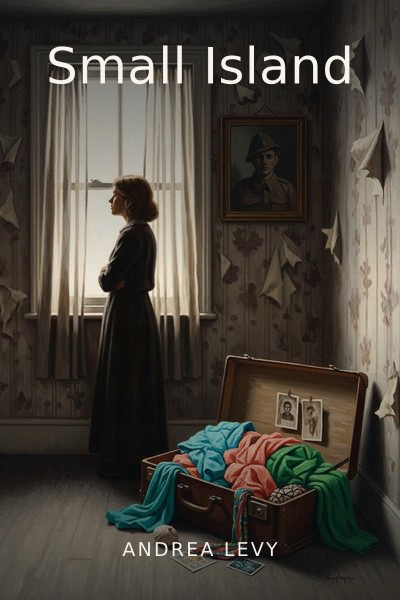
Small Island by Andrea Levy — Summary, Key Ideas & Quotes
2004448 pages✦ 3-min Big ideas★ 4.6 (5)
Rate it
The story of Small Island revolves around four characters, Hortense, Gilbert, Queenie and Bernard. They are two couples, one white Queenie and Bernard and one Black, Hortense and Gilbert. The novel is narrated in the perspective of these four characters. Plot is set in England of 1948. Gilbert is a soldier in Royal force from Jamaica. He is living in a small room in the house owned by Queenie. The story starts with queenie, her perceptions and thoughts about her own life. Her husband is sent overseas during the war and hasn’t returned yet. Then the story shifts to Hortense , the lady always wanted to leave her ‘small island’ and reside in British isle as it was a ‘large’ one. She set out for England with plenty of expectations and wishes but is disappointed with her new groom and his state of living. Later the plot shifts from Gilbert to Bernard dealing with many issues of race and identity.
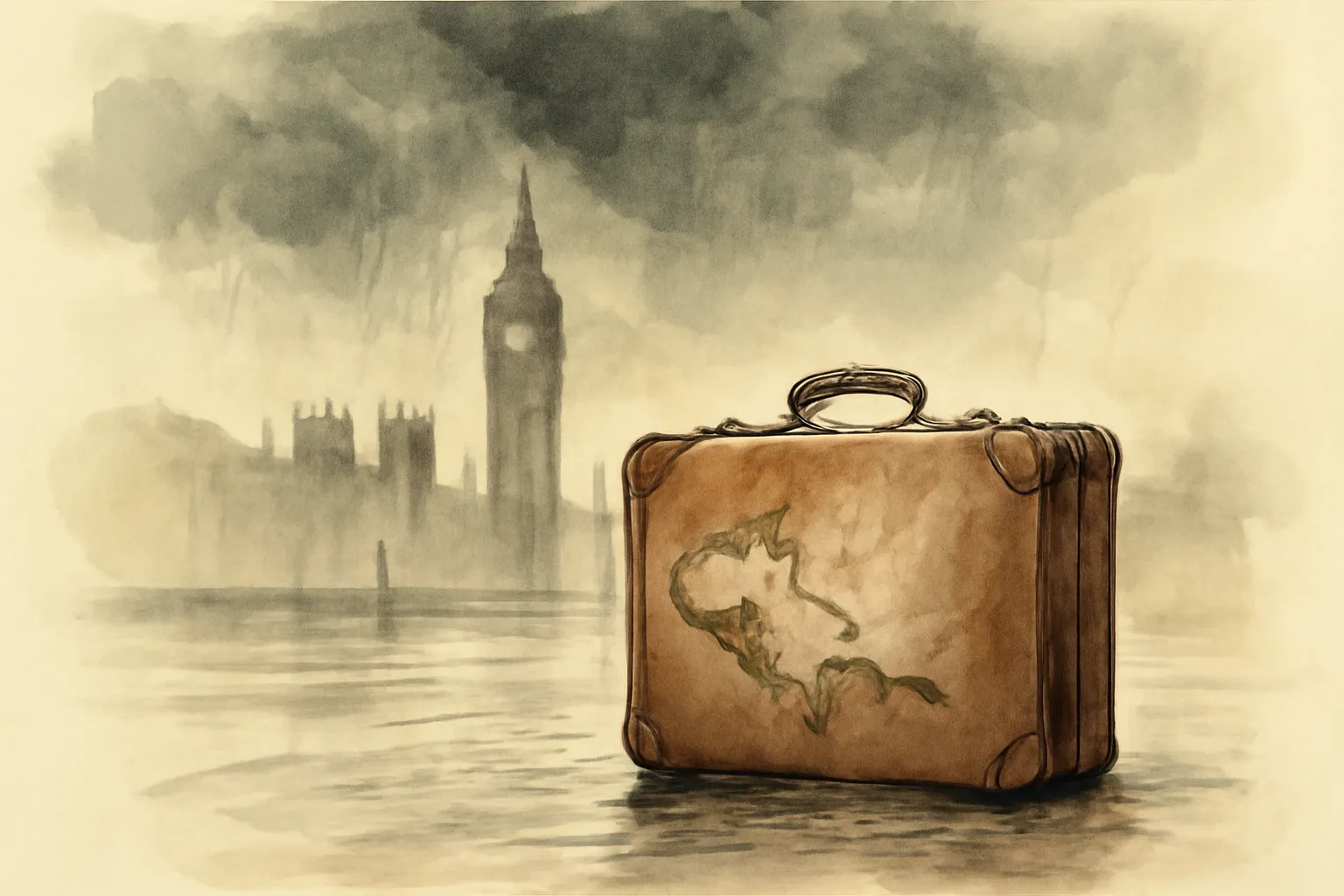
Levy structures the novel through four distinct narrators—Hortense, Gilbert, Queenie, and Bernard—each offering their own version of events. This narrative approach exposes the subjectivity of memory and the way personal histories intersect with larger social forces. By giving voice to both Black Jamaican immigrants and white Britons, Levy challenges readers to see the postwar period as a time of shared upheaval, rather than a single, dominant narrative.
For characters like Hortense and Gilbert, Britain is imagined as a promised land—a place of opportunity and civility. Their arrival, however, reveals the gap between imperial myth and reality. The novel exposes the racism and disappointment faced by Caribbean immigrants, undermining the idea of Britain as a benevolent 'mother country' and highlighting the emotional costs of migration.
“All I want is a place to rest my bones.”
“This is the place I have come to. I did not come for this.”