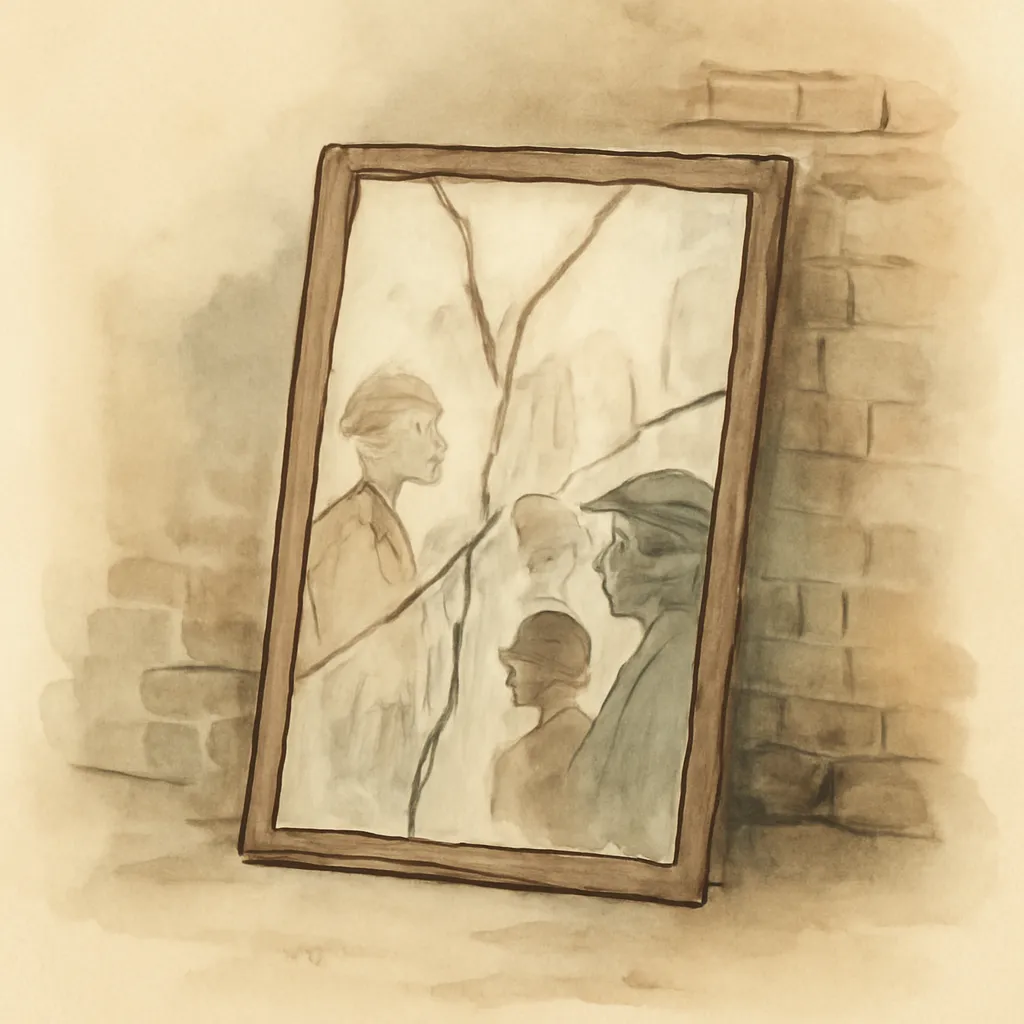
1.Multiple Perspectives, One History
Levy structures the novel through four distinct narrators—Hortense, Gilbert, Queenie, and Bernard—each offering their own version of events. This narrative approach exposes the subjectivity of memory and the way personal histories intersect with larger social forces. By giving voice to both Black Jamaican immigrants and white Britons, Levy challenges readers to see the postwar period as a time of shared upheaval, rather than a single, dominant narrative.
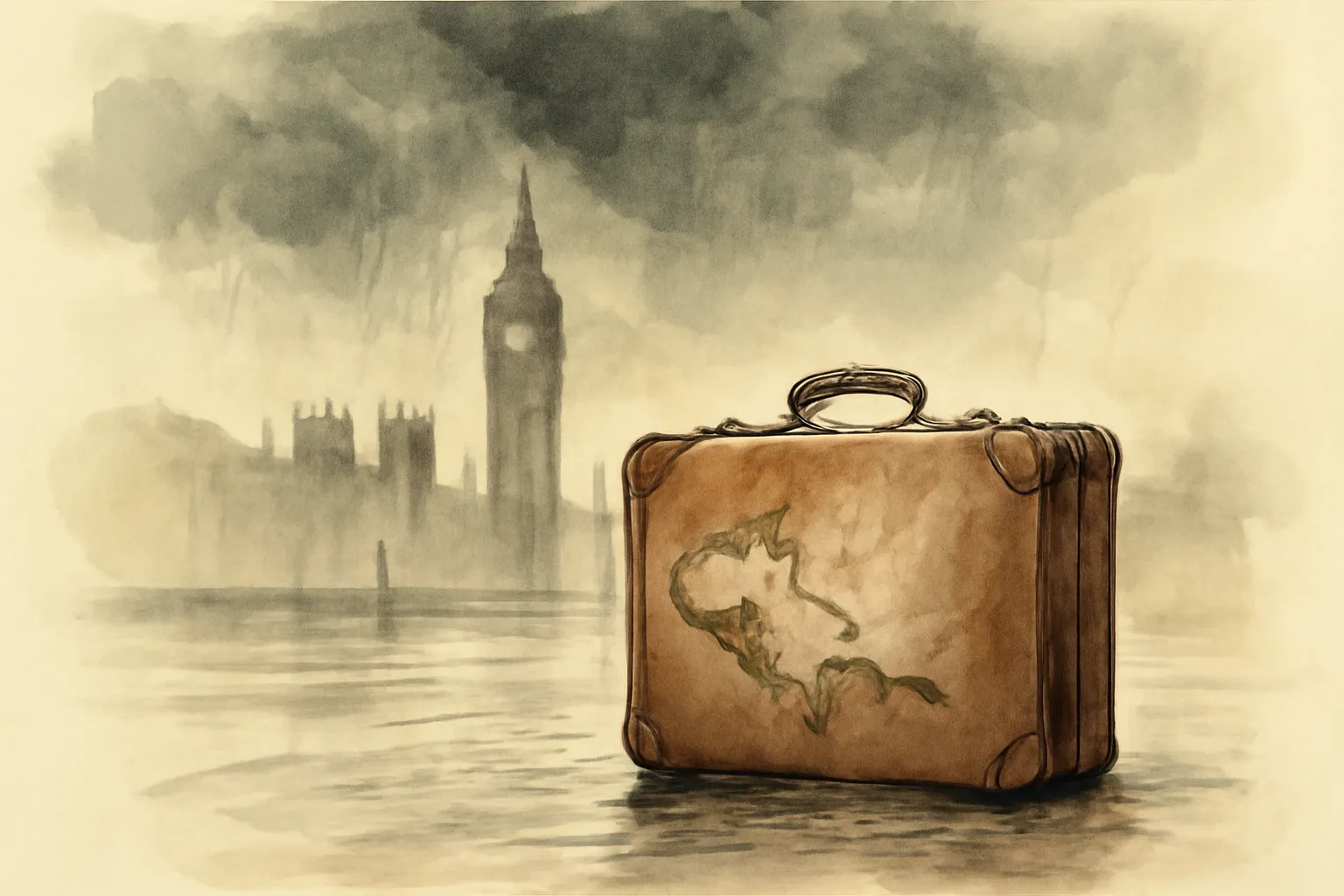
2.The Myth of the Mother Country
For characters like Hortense and Gilbert, Britain is imagined as a promised land—a place of opportunity and civility. Their arrival, however, reveals the gap between imperial myth and reality. The novel exposes the racism and disappointment faced by Caribbean immigrants, undermining the idea of Britain as a benevolent 'mother country' and highlighting the emotional costs of migration.
3.Race, Prejudice, and Everyday Encounters
Small Island is unsparing in its depiction of racism, both casual and systemic. Through everyday interactions—finding housing, seeking work, or simply walking the streets—Levy shows how prejudice shapes lives. The book also explores the ways individuals internalize or resist these attitudes, making the social climate of 1948 Britain feel immediate and personal.
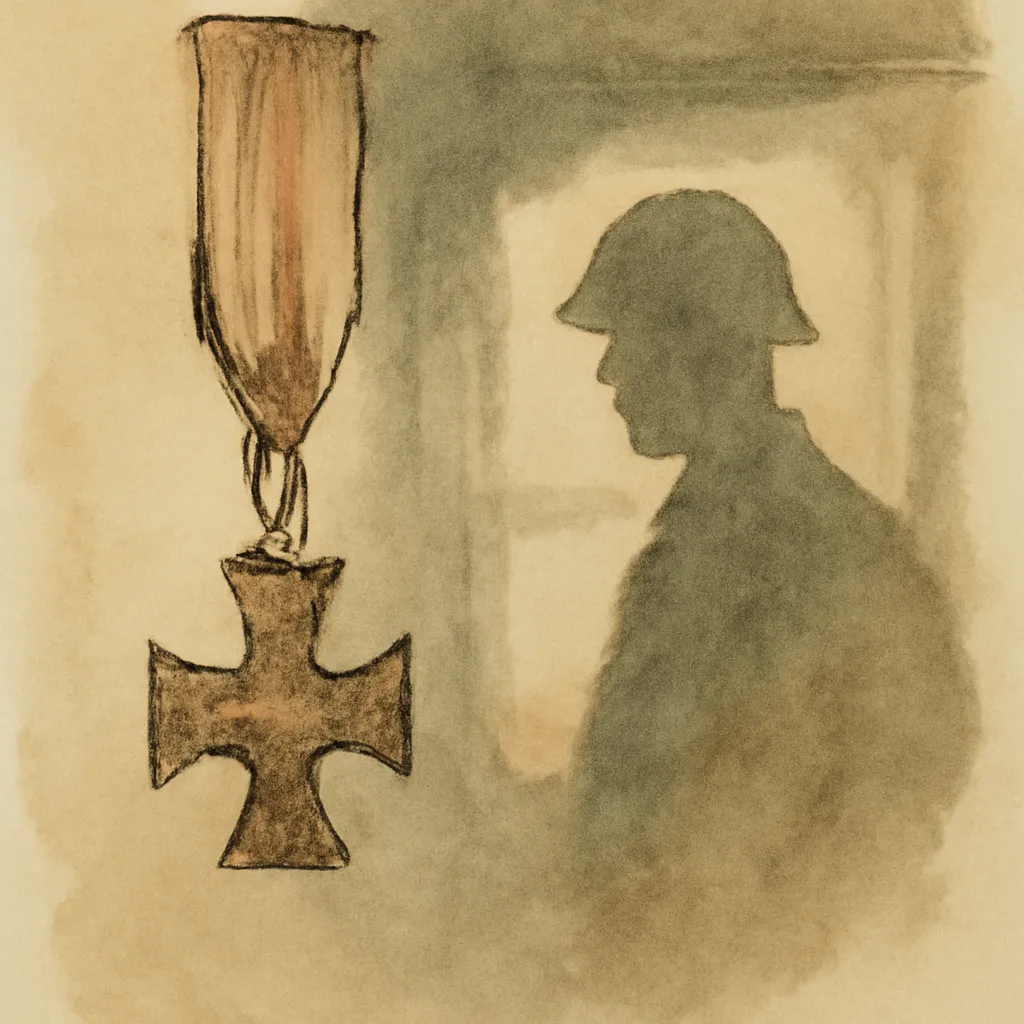
4.War and Its Aftermath
The Second World War looms large in the novel, shaping the characters' experiences and their sense of self. For Gilbert, military service is both a source of pride and a bitter reminder of inequality. For Bernard, the war is a trauma that isolates him from his wife and community. Levy uses the war as a catalyst for change, but also as a source of unresolved tension and dislocation.
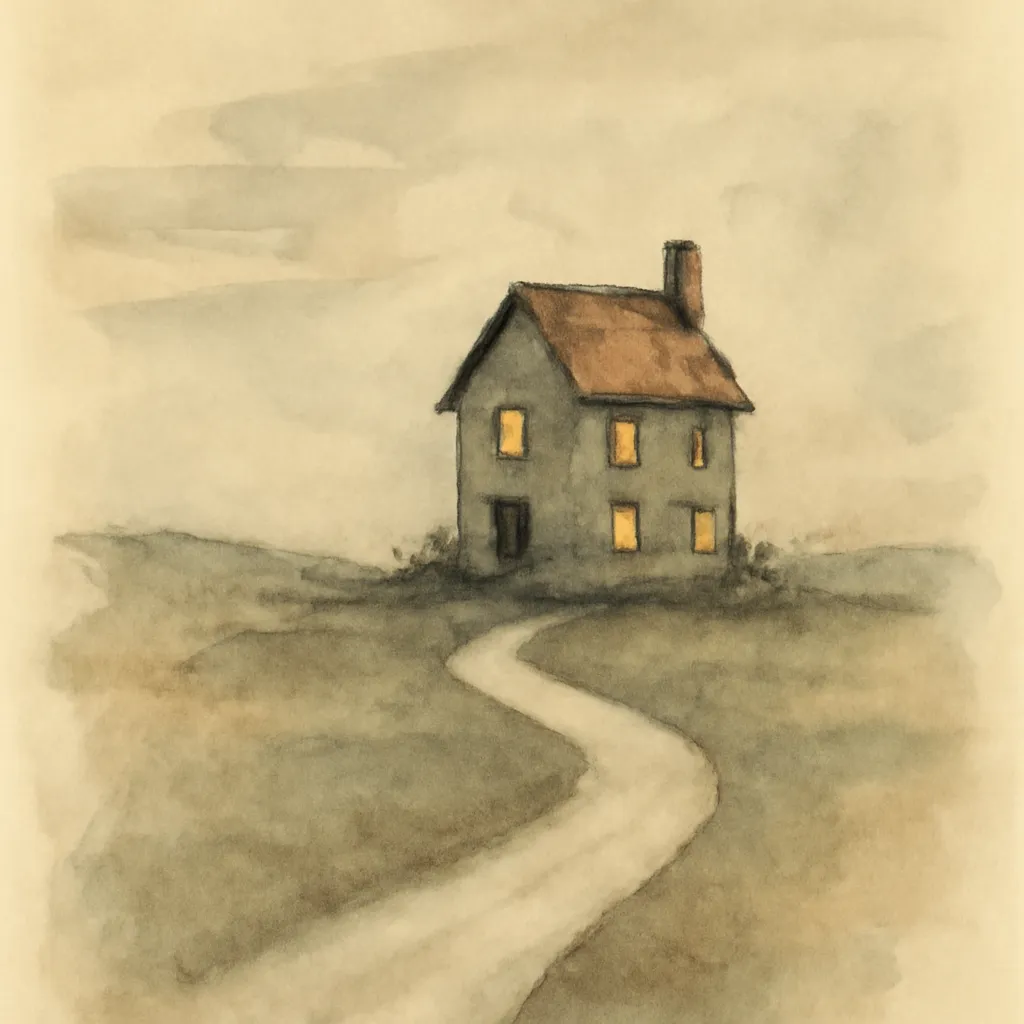
5.Home, Belonging, and Identity
At its core, Small Island asks what it means to belong—to a place, to a person, to oneself. The characters’ journeys are marked by longing for home, whether real or imagined, and by the struggle to claim space in a country that often sees them as outsiders. The novel questions fixed ideas of national identity, suggesting that 'home' is as much about acceptance and connection as it is about geography.
6.Gender and Power Dynamics
Levy doesn’t just interrogate race—she also explores the limited roles available to women in postwar Britain. Both Queenie and Hortense confront societal expectations and personal disappointments, navigating power imbalances in their marriages and in the wider world. Their stories highlight the intersection of gender and race in shaping opportunity and agency.