1.The Ethics of Manipulation and Leadership
Ender's Game interrogates the morality of using manipulation and deception to achieve a greater good. Ender is constantly maneuvered by adult authorities who justify their actions as necessary for humanity's survival. The novel asks whether ends truly justify the means, especially when the means involve the exploitation of children. Through Ender's experiences, Card explores the psychological toll of leadership, particularly when one is forced to make decisions without full knowledge or consent.
2.Childhood, Innocence, and the Cost of War
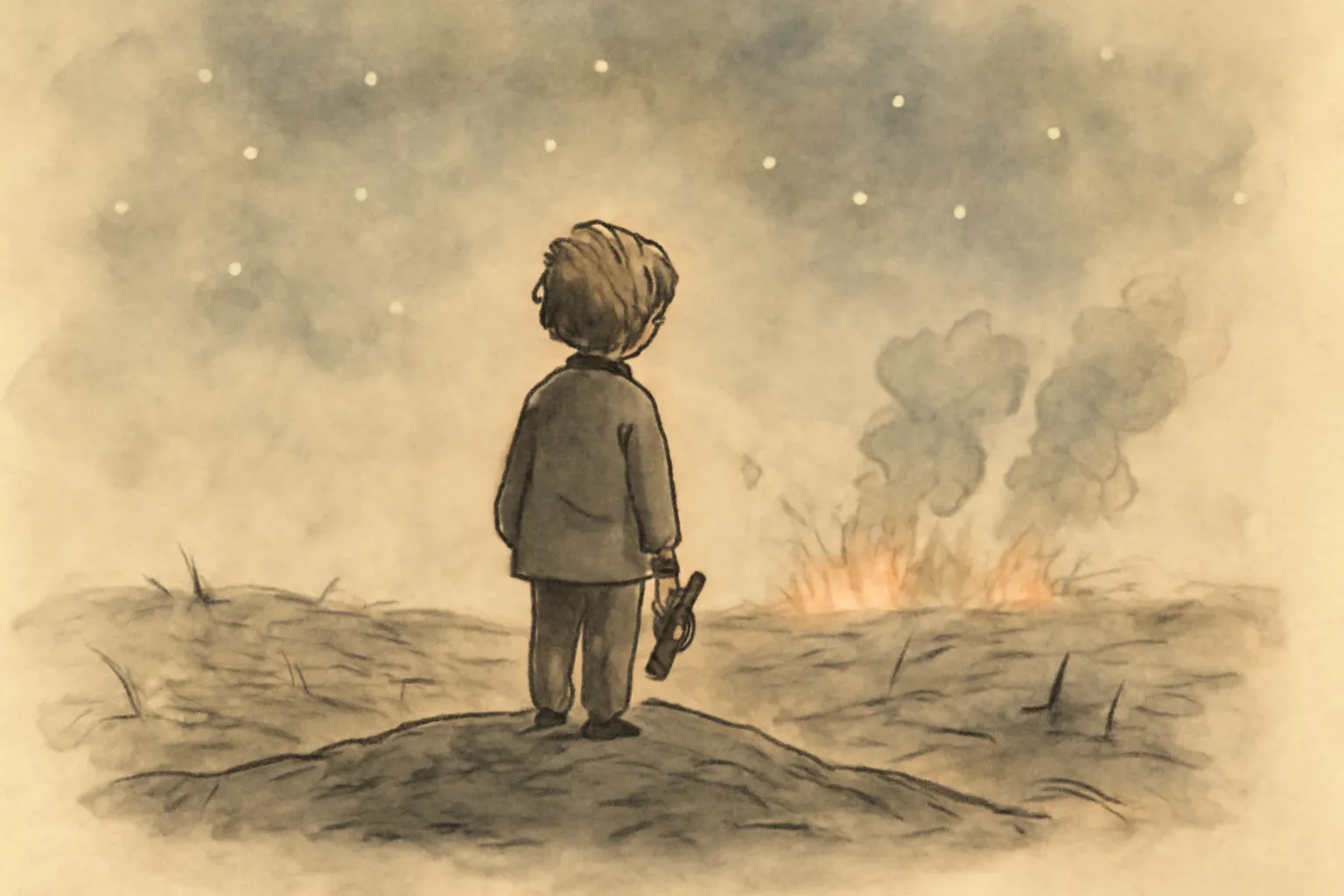
By making children the central figures in a war for survival, the novel highlights the loss of innocence and the psychological scars inflicted by conflict. Ender and his peers are forced to grow up quickly, their games becoming deadly serious. The book questions society's willingness to sacrifice its youngest and brightest in the name of security, and whether such sacrifices can ever be justified.
3.Empathy as a Double-Edged Sword
Ender's greatest strength is his ability to understand both his friends and his enemies. This deep empathy allows him to outthink opponents, but it also makes him vulnerable to guilt and self-doubt. The novel suggests that true victory requires understanding the enemy so well that you could love them, and in doing so, lose the will to destroy them. This paradox drives much of Ender's internal conflict.
4.Isolation and the Making of a Leader
Isolation is a recurring tool used by the adults to shape Ender into a unique leader. By separating him from friends and support, they hope to forge his independence and creativity. The novel examines whether greatness can only be achieved through loneliness and suffering, and what is lost in the process.
5.Games as Training and Reality
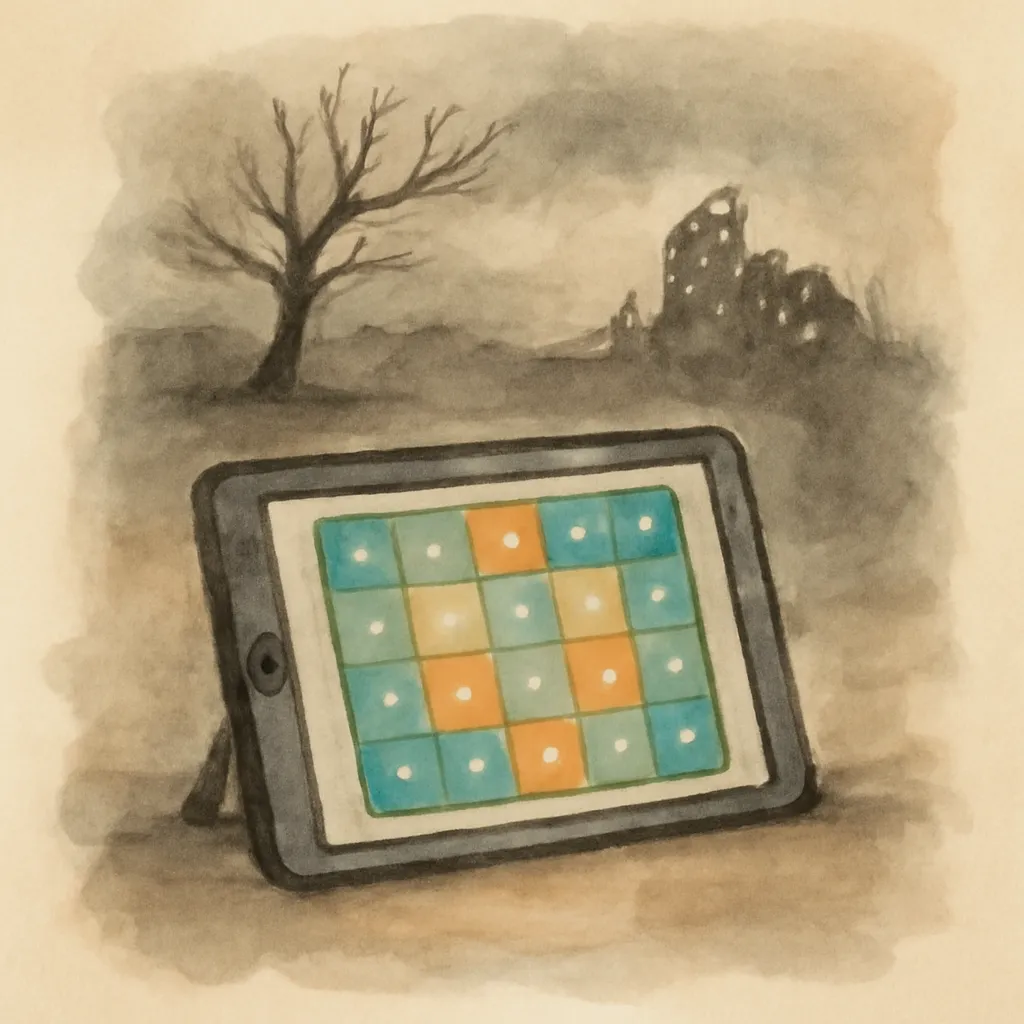
The line between games and reality is deliberately blurred throughout the novel. What begins as simulated combat in zero gravity becomes indistinguishable from real warfare. This raises questions about the consequences of desensitization, the ethics of simulation, and the ways in which technology can both prepare and deceive.
6.The Nature of the Enemy
Ender's Game challenges readers to reconsider the concept of 'the other.' The Formics, initially depicted as an existential threat, are gradually humanized through Ender's perspective. The novel ultimately asks whether understanding and communication might have averted conflict, and whether humanity's own fears and assumptions are the real adversary.