1.Eccentricity as a Reflection of Humanity
Eccentricity is often intertwined with goodness, revealing a duality in human nature. Timbs emphasizes that while eccentric individuals may appear odd or outlandish, their unique behaviors frequently stem from a place of kindness and creativity. For instance, he discusses the life of Mr. Beckford, who, despite his extravagant architectural projects and peculiar habits, demonstrated deep affection for his community. His commitment to building Fonthill Abbey with unyielding dedication showcases how eccentric pursuits can lead to remarkable contributions to society, blurring the lines between madness and genius. Such characters challenge the notion that rationality and conformity are the only pathways to a meaningful life. Instead, they remind us that the quirks of character can coexist with profound empathy and generosity.
2.The Magnificent Mr. Beckford
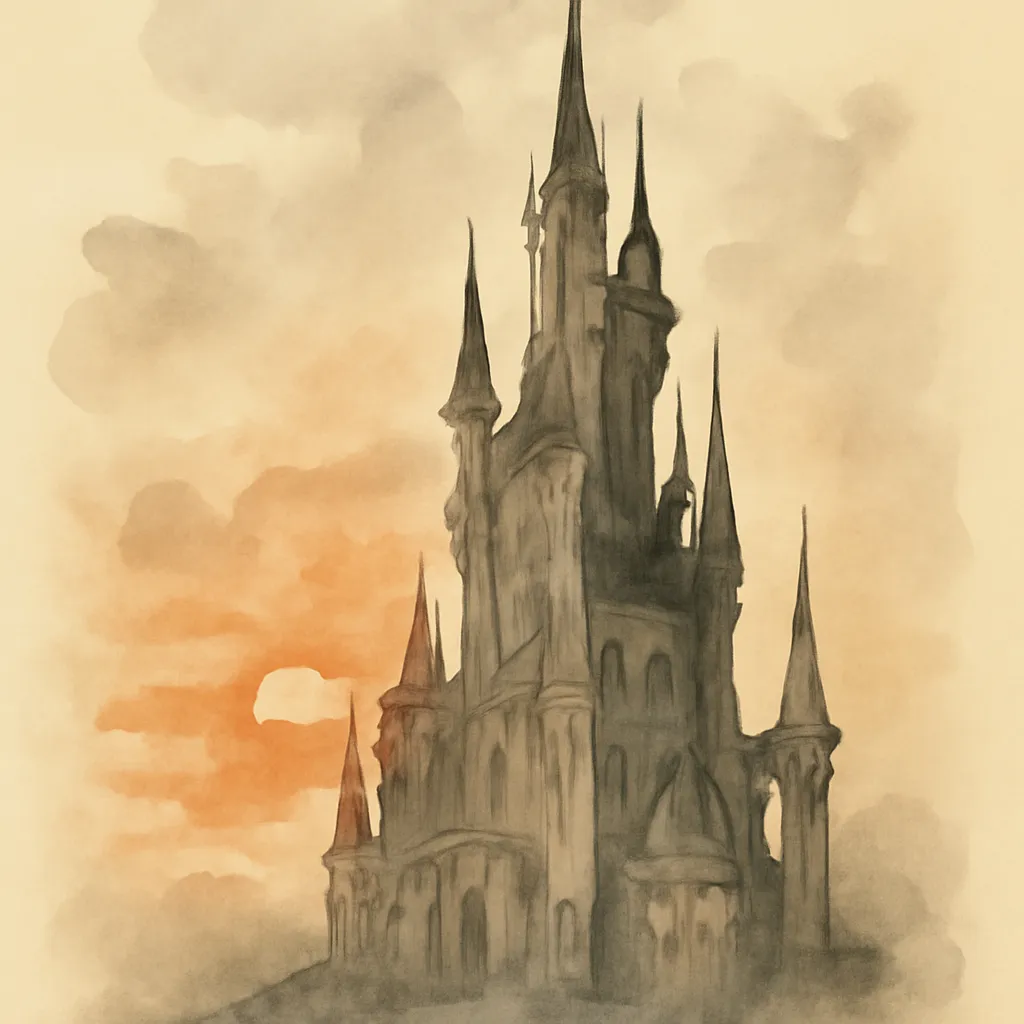
William Beckford, a prominent figure in the book, embodies the quintessential eccentric. His obsession with Fonthill Abbey, a grand estate marked by its architectural audacity, underscores his larger-than-life personality. Timbs recounts how Beckford employed nearly 500 men to work day and night on the estate, showcasing his relentless pursuit of beauty and grandeur. One memorable anecdote illustrates Beckford's determination to have his Christmas dinner prepared in the unfinished kitchen of the Abbey, leading to the kitchen's collapse just as the feast was served. This incident perfectly encapsulates his larger-than-life spirit, where the desire for spectacle often overshadowed practicality. Beckford's life serves as a testament to the idea that eccentricity can manifest as an inspiring quest for beauty, albeit with humorous consequences. His extravagant tastes and unyielding passion for art and architecture also reveal how eccentric individuals can influence culture and inspire others to challenge their creative boundaries.
3.Fashion and Folly: The Story of Brummel
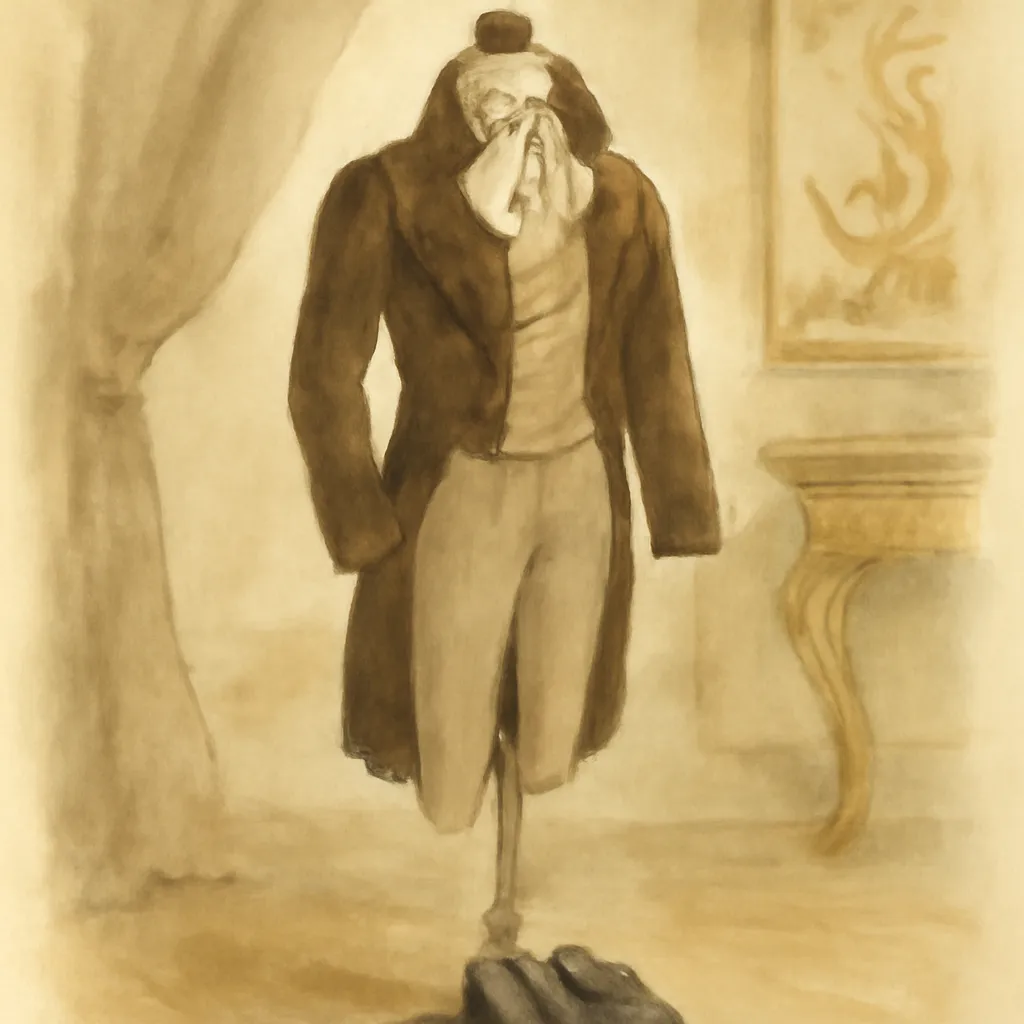
George Brummel, known for his impeccable style and social prominence, offers a glimpse into the interplay between fashion and eccentricity. Timbs describes Brummel's rise to fame as a trendsetter within the elite circles of Regency England, where he maintained a unique position even after falling out of favor with the Prince of Wales. His downfall, largely attributed to gambling and financial mismanagement, illustrates the precarious nature of maintaining an eccentric lifestyle. Despite his eventual poverty and exile to Calais, Brummel's enduring influence on fashion and social etiquette highlights how eccentricity can shape cultural norms. His story raises questions about the cost of social prestige and the fleeting nature of public acclaim, reminding us that eccentricity often comes with its own set of challenges. Brummel's life also exemplifies the harsh realities that can accompany a lifestyle centered around appearances and societal validation, showcasing both the allure and the potential pitfalls of living an eccentric life.
4.The Curious Case of Abraham Newland
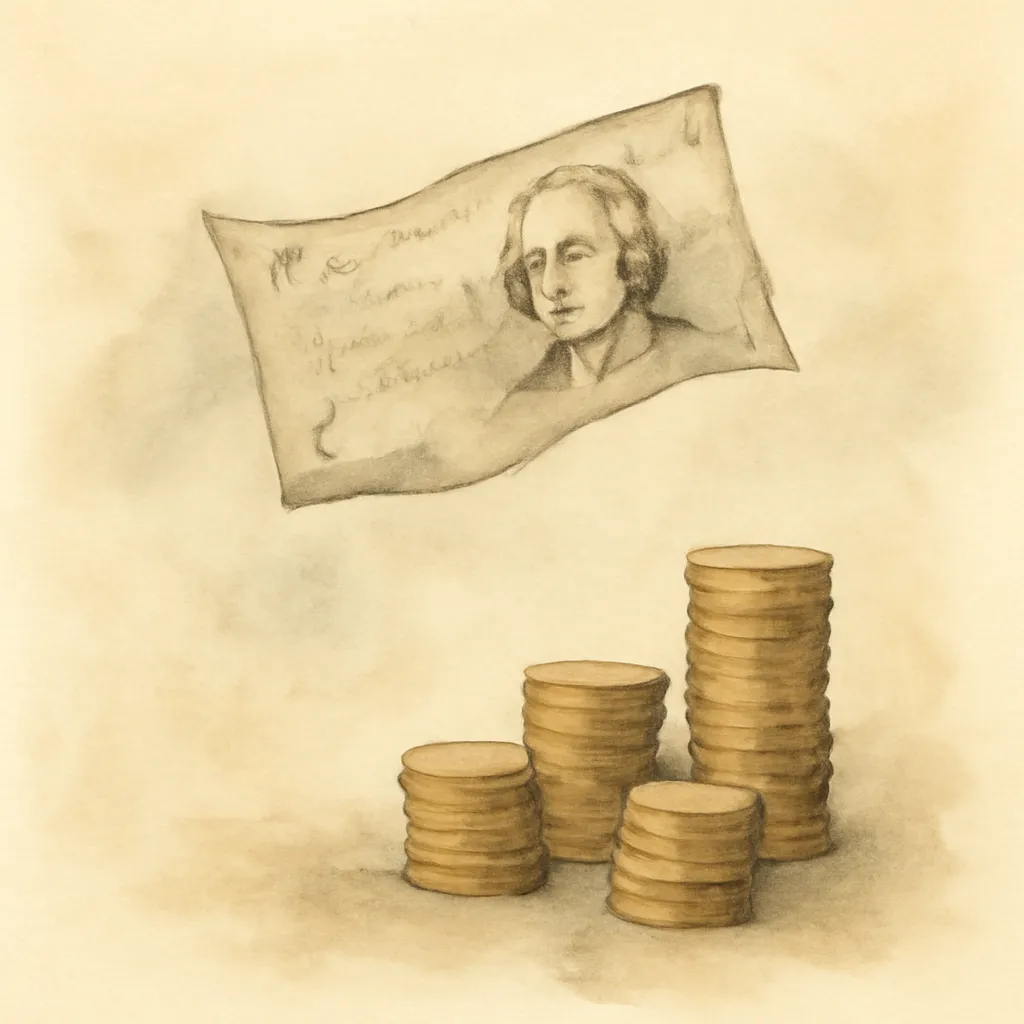
Abraham Newland, the chief cashier of the Bank of England, is another fascinating figure whose life story intertwines with the essence of eccentricity. His name became synonymous with banknotes, and Timbs recounts how Newland was known for his dedication to his work, famously never sleeping outside the bank during his tenure. He was a man of simple pleasures, with a love for music that often led him into trouble. His legacy is immortalized in a popular song that celebrates his significance in the banking world, portraying him as a figure of authority and respect. Newland's story exemplifies how eccentricities can manifest in the mundane aspects of life, transforming an ordinary profession into an extraordinary legacy, while also illustrating the often-overlooked human side of those behind the scenes. The juxtaposition of his serious professional life and his lighter personal interests serves to deepen our understanding of how eccentricity can influence one's identity and legacy.
5.Sir Edward Dering's Amorous Adventures
Sir Edward Dering's life is marked by both his political career and his humorous misadventures in courtship. Timbs recounts Dering's unsuccessful attempts to woo a wealthy widow, which unfolded with all the drama and excitement of a theatrical play. His story provides insight into the social customs of the time, highlighting the complexities of courtship and the often absurd lengths to which suitors would go to win affection. Dering's eccentricity lies not only in his romantic pursuits but also in his ability to navigate the turbulent waters of love and loss, showcasing how personal eccentricities can reflect broader societal norms. The interplay of humor and heartache in Dering's courtship saga illustrates that even in matters of the heart, eccentricity can lead to both folly and amusement. His narrative serves as a reminder that romantic endeavors often reveal the quirks and vulnerabilities of human nature, making them relatable across time.
6.The Eccentricities of Lady Hester Stanhope
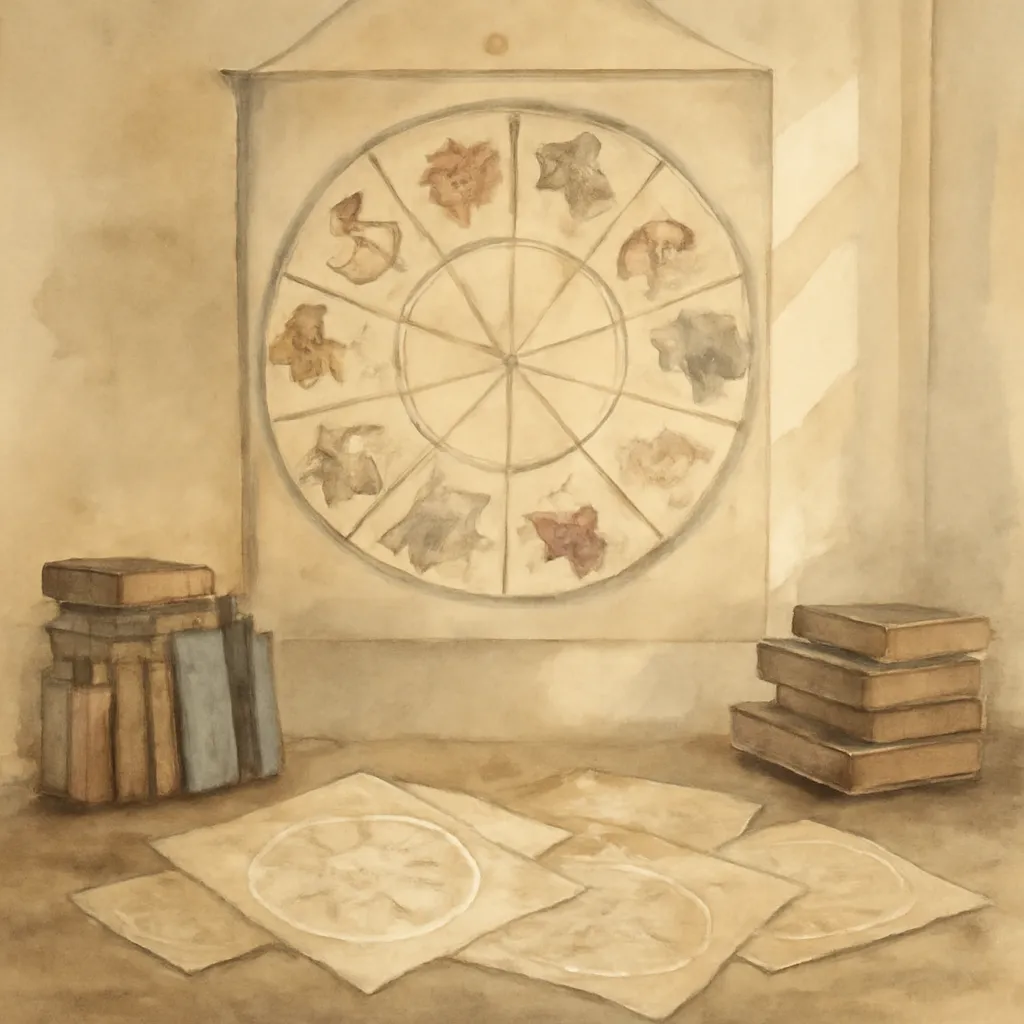
Lady Hester Stanhope, granddaughter of Lord Chatham, exemplifies the intersection of eccentricity and intellect. Known for her deep belief in astrology and her unique ability to read characters through physical features, Lady Hester's life in Syria was marked by her unconventional lifestyle and her rejection of societal expectations for women. Timbs highlights her remarkable talent for divination, which she practiced with a fervor that both fascinated and bewildered her contemporaries. Her story illustrates how eccentricity can empower individuals to transcend societal limitations, allowing them to carve out their own identities. Lady Hester's life challenges traditional gender roles, suggesting that eccentricity can be a powerful force for self-expression and autonomy. Her unique insights into character and destiny reflect a broader cultural fascination with the mystical, positioning her as a pivotal figure in the narrative of eccentricity in England.
7.The Artistic Eccentric: The Case of a Painter

The narrative of an unnamed painter who resumed his craft after a long hiatus due to insanity provides a poignant exploration of the relationship between creativity and mental health. Timbs describes how this artist, upon returning to painting after thirty years, demonstrated remarkable skill, showcasing that artistic talent can endure despite personal struggles. His ability to create vivid works with minimal sittings underscores the complexity of the creative process and the often tumultuous path artists navigate. This anecdote serves as a powerful reminder of how eccentricity can manifest in artistic expression, illustrating that the struggles of the mind can sometimes fuel extraordinary creativity. The painter's story resonates with those who have experienced similar battles, emphasizing the resilience of the human spirit in the face of adversity. It also invites a discussion on the societal perception of mental health and how it intersects with the world of art, encouraging a more nuanced understanding of the relationship between genius and madness.
8.The Whimsical World of Eccentric Nobility
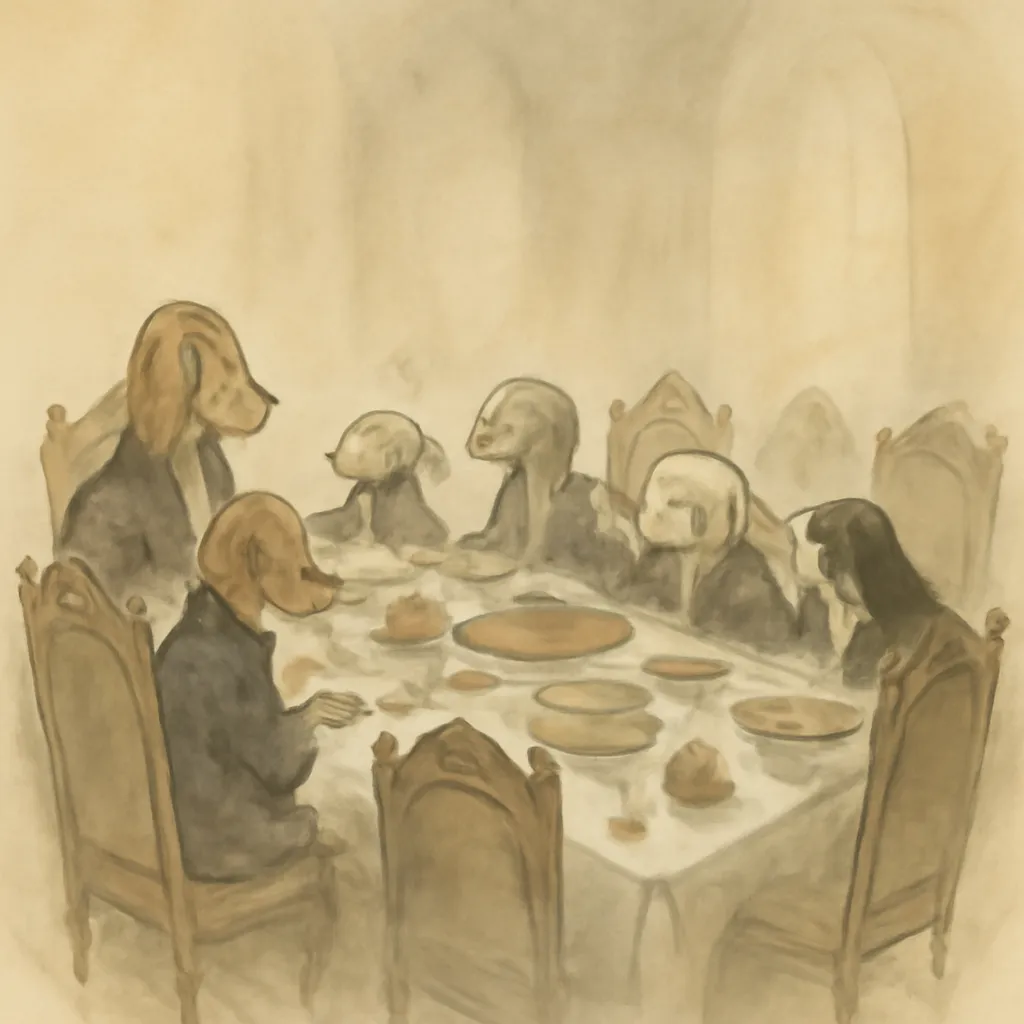
Timbs presents a variety of eccentric nobles, including Lord Egerton, who dined with his beloved dogs, treating them with the same respect and decorum expected at a royal table. This behavior not only highlights the affection these nobles had for their pets but also reflects the broader societal attitudes towards animals and companionship during the era. Eccentric practices among the aristocracy often served as a form of rebellion against societal norms, allowing these individuals to express their unique identities. Timbs' exploration of noble eccentricities reveals how such behaviors can challenge the status quo, inviting readers to consider the ways in which personal quirks can influence societal perceptions and relationships. These stories remind us that eccentricity is often a reflection of deeper values and beliefs, revealing the humanity behind the titles. The eccentricities of the nobility also serve to humanize these figures, transforming them from distant icons into relatable individuals with their own peculiarities.
9.The Peculiarities of Thomas Cooke, the Miser
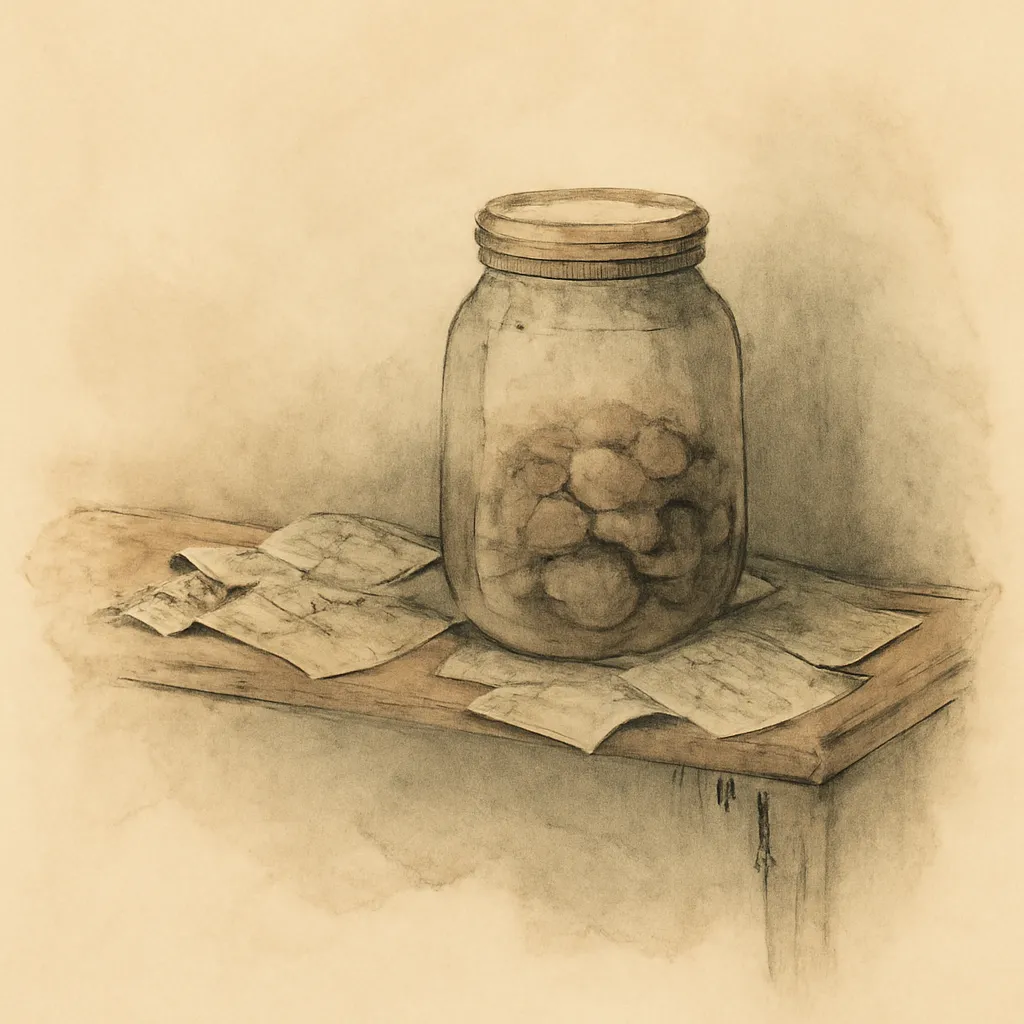
Thomas Cooke, known for his extreme frugality, embodies the darker side of eccentricity. Living in Pentonville, he amassed wealth through stingy behavior and an unwillingness to share even the smallest pleasures with others. Timbs details Cooke's obsessive habits, such as declining to join his coworkers for meals and opting instead for an austere existence. His story serves as a cautionary tale about the potential consequences of unchecked eccentricity, illustrating how miserliness can lead to isolation and unhappiness. While some eccentric individuals inspire joy and creativity, Cooke's life serves as a stark reminder that not all eccentricities are benign. This contrast highlights the spectrum of eccentric behavior, encouraging readers to reflect on the balance between individuality and social connection. Cooke's narrative raises important questions about wealth, happiness, and the price of living an eccentric life, prompting a deeper consideration of what it means to be truly rich.
10.The Fascination with Eccentricity in Society
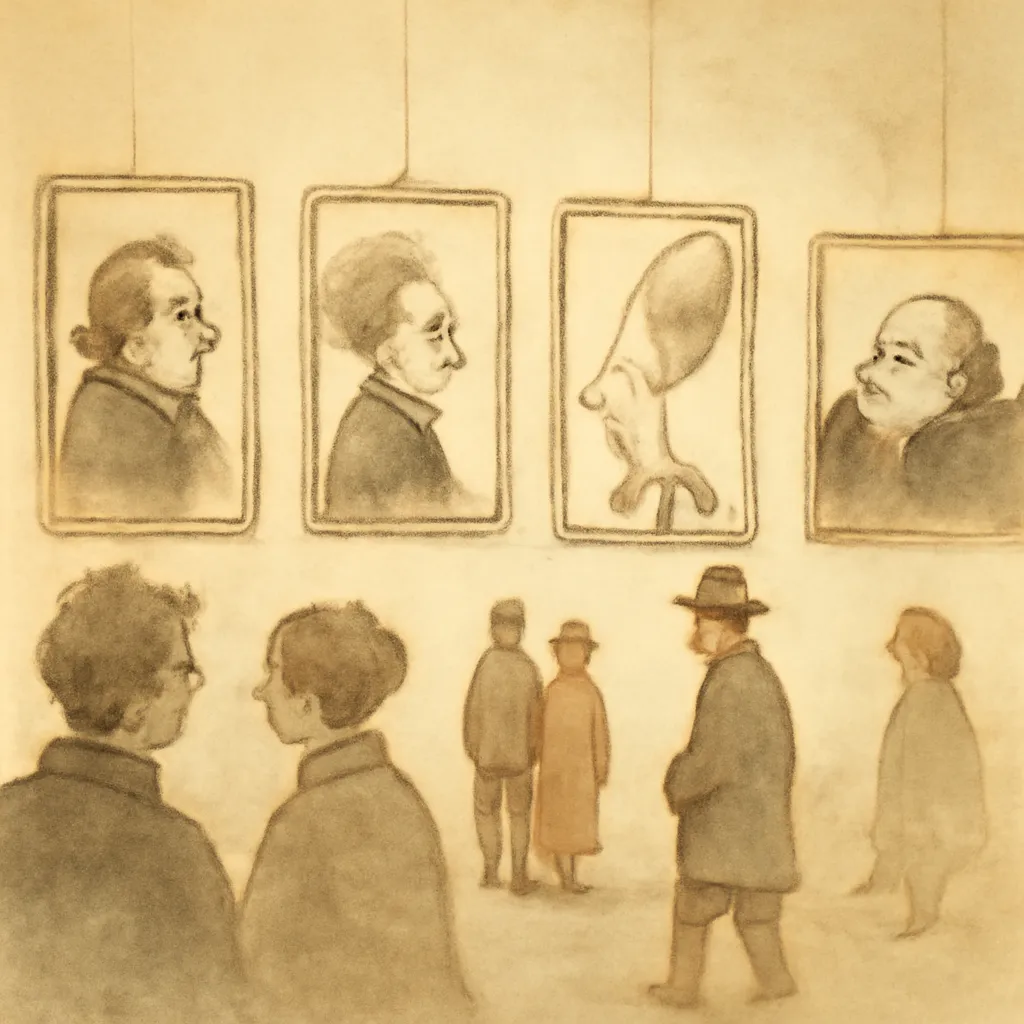
Timbs discusses the broader societal fascination with eccentricity, highlighting how it often serves as a mirror reflecting cultural values and norms. Throughout history, eccentrics have captured public interest, often becoming subjects of gossip, admiration, or ridicule. Their stories can inspire others to embrace their uniqueness, fostering a culture that values diversity in thought and behavior. Timbs posits that society's reaction to eccentricity can reveal underlying biases about normalcy and conformity, prompting a reevaluation of what it means to be truly individual. This fascination with the eccentric not only entertains but also challenges societal norms, encouraging a more inclusive understanding of human behavior. The narratives presented by Timbs invite readers to celebrate eccentricity as a vital aspect of the human experience, enriching the tapestry of life. In a world that often values conformity, the exploration of eccentric lives serves to remind us of the beauty found in diversity and the lessons we can learn from those who dare to defy expectations.