1.The Need for Esoteric Teachings
Besant argues that every religion possesses a hidden side, a deeper layer of understanding meant for a select few. This esotericism is not unique to Christianity; rather, it is a common thread among all major religions, providing a rich reservoir of spiritual knowledge that has been safeguarded through the ages. Early Christians understood that mere surface-level teachings were insufficient for genuine spiritual growth. These hidden teachings were designed to elevate the souls of the initiated, leading them toward greater truths about existence and the divine. In reclaiming these esoteric elements, Christians can address the growing disillusionment with mainstream religious practice, which often lacks depth and intellectual engagement. Besant emphasizes that as societies evolve, so too must their spiritual teachings, allowing for a more profound exploration of the mysteries of life and the divine.
2.Historical Context of Early Christianity
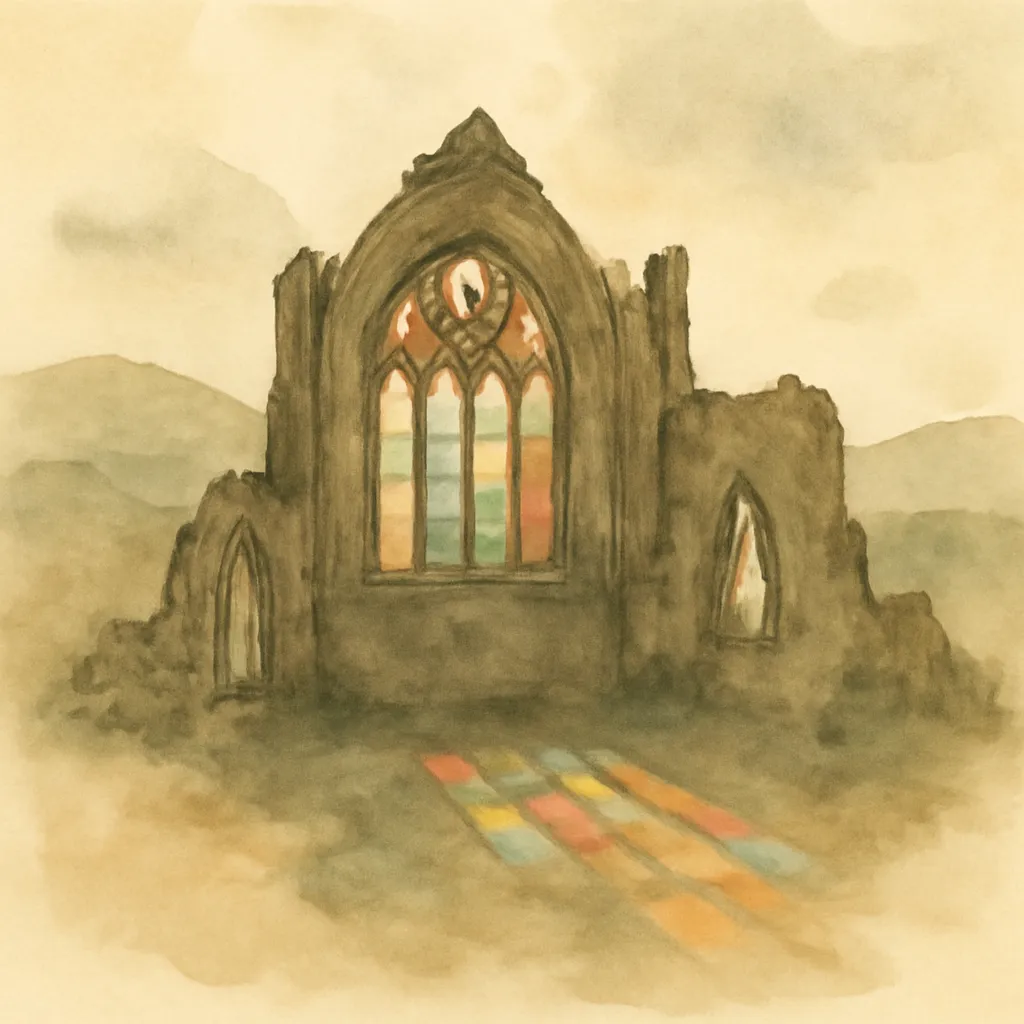
To understand the esoteric dimensions of Christianity, it is essential to explore its historical context. In the early Church, the teachings of Jesus were often intertwined with the Mysteries of ancient religions, which were respected and revered. Figures like Saint Clement of Alexandria acknowledged the existence of 'The Mysteries of Jesus,' suggesting that early Christians were aware of and engaged with esoteric teachings. The notion that Christianity is devoid of complexity is a modern misconception; rather, it was part of a broader spectrum of spiritual traditions that included initiation, secret knowledge, and the cultivation of inner understanding. This historical perspective challenges the notion that Christianity lacks depth and invites a reevaluation of its teachings in light of ancient wisdom traditions. The early Christians recognized that not all truths were meant for public proclamation but were to be shared with those prepared to receive them, thus preserving a sacred lineage of knowledge that transcended time.
3.The Role of Initiation

Initiation is a central theme in Besant's exploration of esoteric Christianity. It signifies a transformative process through which individuals gain access to deeper spiritual truths and higher states of consciousness. The early Church, much like the mystery schools of ancient religions, employed initiation as a means to prepare individuals for a profound understanding of the divine. This process involved rigorous training, moral purification, and the acquisition of spiritual wisdom, ensuring that only those who were spiritually ready could partake in these sacred teachings. In the context of Christianity, initiation serves as a powerful metaphor for the soul's journey toward enlightenment and unity with God. By reinstating the concept of initiation, modern Christians can rediscover the transformative power inherent in their faith. It invites believers to embrace their spiritual journeys as personal quests for truth and understanding, rather than mere adherence to dogma.
4.The Mythic and Mystic Christ

Besant draws a distinction between the historical figure of Jesus and the mythic Christ, emphasizing that the latter embodies universal truths that transcend time and culture. The story of Christ, often viewed through a strictly historical lens, is enriched by its mythic dimensions, which convey deeper spiritual meanings and connect with archetypal themes present in various traditions. The mythic Christ serves as a symbol of the divine potential within every individual, representing the journey of the soul towards enlightenment and unity with the divine. This perspective allows for a more profound engagement with the teachings of Jesus, as it emphasizes the symbolism and timeless truths behind His life and teachings. By acknowledging the mythic aspects of the Christ story, believers can access a broader understanding of their spiritual heritage, recognizing that these teachings are not confined to a single narrative but are part of the greater tapestry of human experience and divine revelation.
5.Understanding the Atonement
The doctrine of Atonement is often a point of contention within Christianity, but Besant offers a fresh perspective that aligns it with esoteric teachings. Traditionally viewed as a legalistic framework emphasizing guilt and punishment, the Atonement in its deeper sense represents a cosmic principle of unity and reconciliation. Christ, as the representative of humanity, confronts the dark forces of ignorance and separation, ultimately leading to the liberation of the soul from these binds. This understanding reframes the Atonement not as a punitive measure but as an expression of divine love, mercy, and compassion. By embracing this esoteric interpretation, believers can find solace and inspiration in the Atonement, fostering a sense of interconnectedness with all of creation. The Atonement, therefore, becomes a call to recognize the inherent divinity within oneself and others, inspiring a journey toward self-discovery and collective healing.
6.The Significance of Resurrection and Ascension

Resurrection and Ascension are pivotal events in the Christian narrative, holding profound symbolic meaning that extends beyond the historical account. In the context of the Lesser Mysteries, these events represent the soul's journey through death and rebirth, illustrating the transformative power of spiritual awakening. The resurrection is not merely a physical event but signifies the awakening of spiritual consciousness, while the ascension embodies the soul's return to its divine origin and the realization of its true nature. This esoteric understanding invites individuals to engage with their spiritual evolution, recognizing that the path to enlightenment often necessitates traversing through trials and tribulations. By internalizing the lessons of resurrection and ascension, Christians can cultivate resilience and hope in their spiritual journeys. The stories of resurrection and ascension serve as metaphors for the cyclical nature of existence, inviting believers to embrace change and transformation as integral parts of their spiritual development.
7.Sacraments as Bridges to the Divine

Sacraments are integral to Christian practice, functioning as conduits for divine grace and spiritual transformation. Besant emphasizes that each sacrament embodies both an exoteric ceremony and an esoteric truth, linking the material and spiritual realms. For example, baptism serves as a ritual of purification and initiation, symbolizing the soul's entry into a new spiritual life and the washing away of past transgressions. The Eucharist, often viewed merely as a communal meal, carries profound spiritual significance as it represents the communion of believers with the divine and the spiritual nourishment provided by Christ. Through this lens, sacraments become more than mere rituals; they are profound expressions of divine mysteries that invite participants to engage with the sacred. By understanding sacraments in their esoteric context, believers can deepen their spiritual practices, cultivate a more meaningful connection to the divine, and experience the transformative power that lies within these sacred rites.
8.The Importance of Prayer
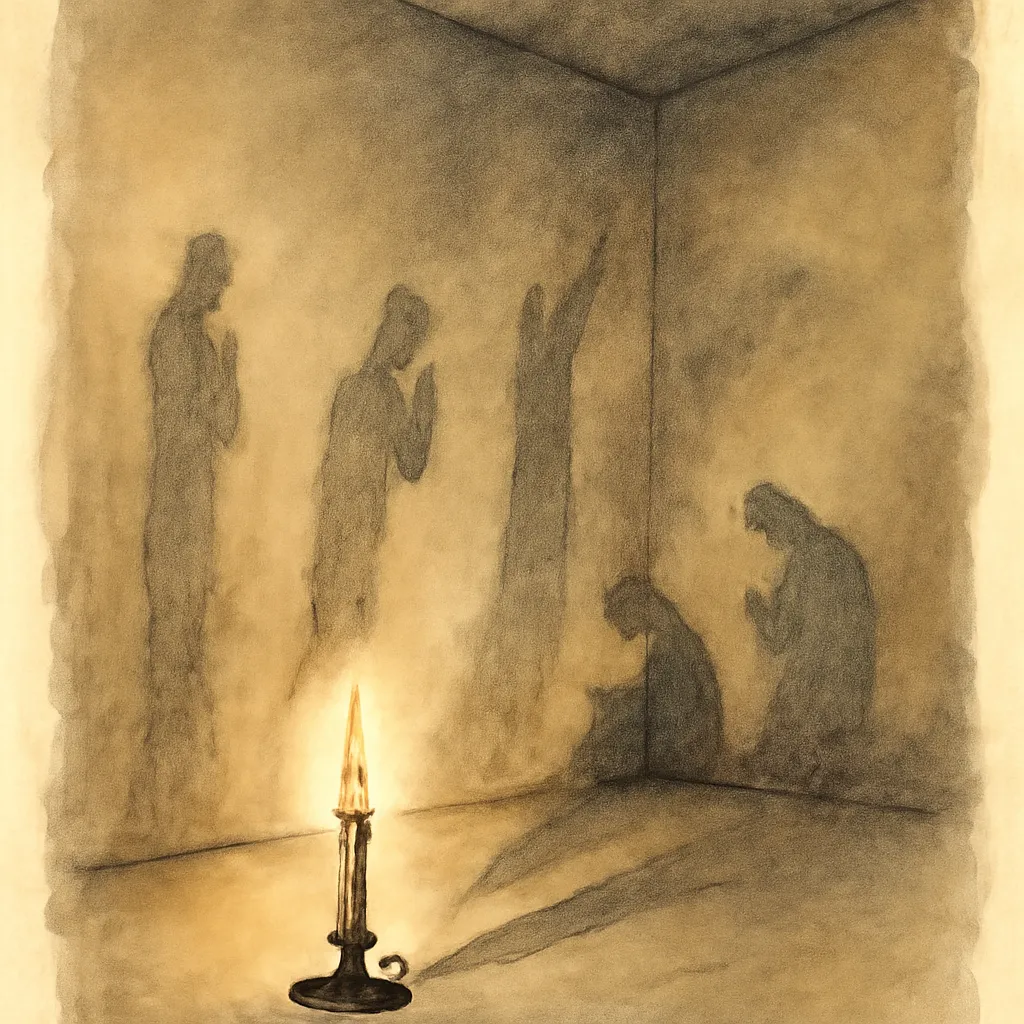
Prayer is a fundamental aspect of Christian practice, yet its significance is often misunderstood. Besant explores the nuances of prayer, distinguishing between various forms and their intended purposes. While some prayers are petitions for material needs, others seek spiritual growth and moral guidance. The effectiveness of prayer is not solely dependent on the request made but on the consciousness behind it. True prayer aligns the heart and mind with divine will, fostering a deep sense of connection to the spiritual realm. This understanding elevates prayer from a mere ritualistic exercise to a vital practice that can transform one's inner life and align it with higher truths. By cultivating a more profound understanding of prayer, Christians can enhance their spiritual lives, experiencing the transformative power of sincere communication with the divine. Prayer thus becomes a pathway to self-realization, allowing believers to engage with the divine presence in a personal and intimate manner.
9.The Nature of Forgiveness

Forgiveness is a cornerstone of Christian teachings, yet its deeper implications are often overlooked. Besant highlights that the concept of forgiveness extends beyond the act of absolving others; it involves a profound understanding of one's own spiritual journey. The forgiveness of sins, as articulated in early Christian teachings, emphasizes the transformative power of love and compassion. By recognizing that forgiveness is essential for spiritual growth, individuals can release the burdens of resentment and guilt, fostering a more profound connection with the divine. This esoteric perspective on forgiveness invites believers to embrace their humanity, recognizing that the path to spiritual enlightenment is paved with love and understanding. The practice of forgiveness becomes a means of healing, both for oneself and for others, creating a ripple effect of compassion throughout humanity. In this light, forgiveness is not simply an obligation but a profound spiritual practice that enriches the soul.
10.The Trinity as a Spiritual Model
The doctrine of the Trinity is a complex and often misunderstood aspect of Christian theology. Besant elucidates the esoteric dimensions of the Trinity, portraying it as a reflection of the divine nature and a model for human relationships. The interplay between the Father, Son, and Holy Spirit represents the dynamic relationship between the divine and the human, illustrating how individuals can embody these principles in their lives. The Father symbolizes the source of creation, the Son represents the manifested divine in the world, and the Holy Spirit denotes the active presence of God in the hearts of believers. This understanding of the Trinity transcends dogma, inviting believers to engage with the divine in a more personal and experiential way. By embracing the Trinity as a spiritual model, Christians can cultivate deeper relationships with themselves, others, and the divine, fostering a holistic understanding of their place in the universe.