1.The Historical Roots of Champagne
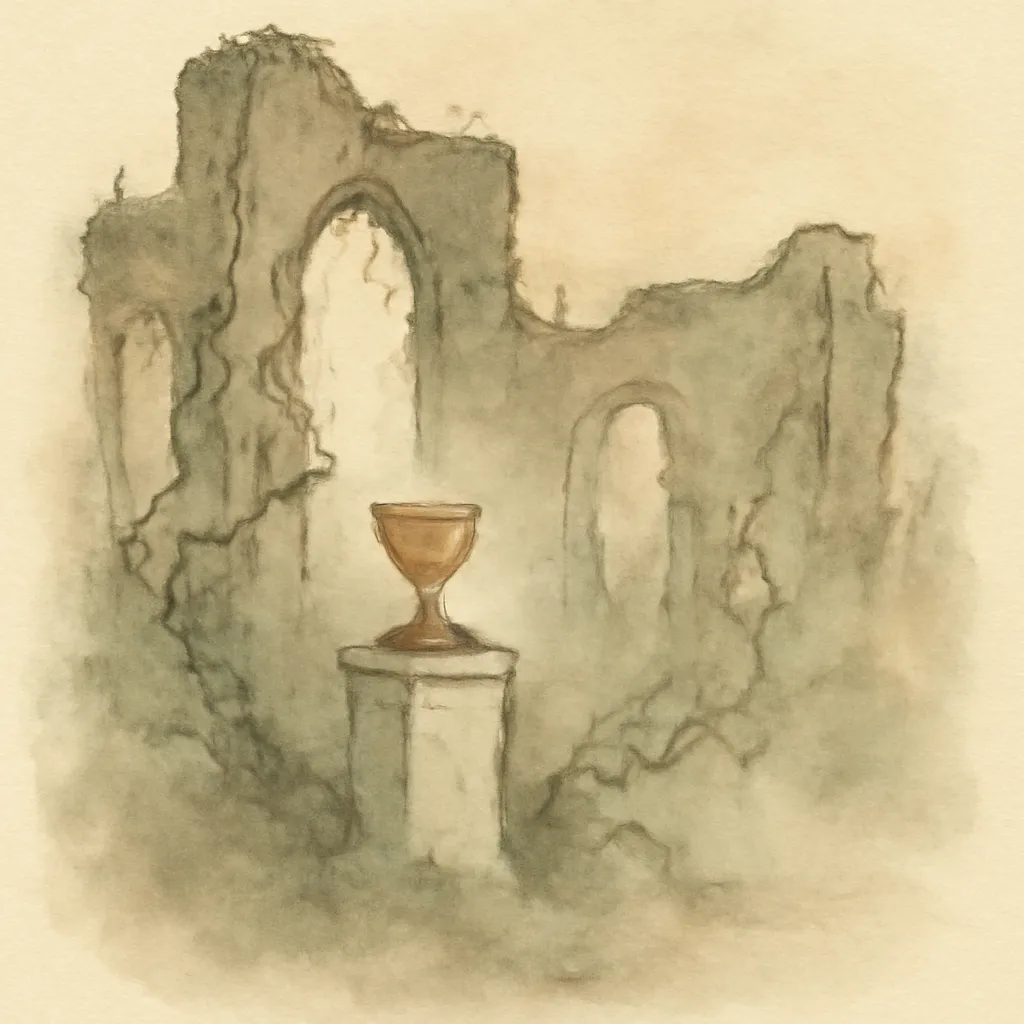
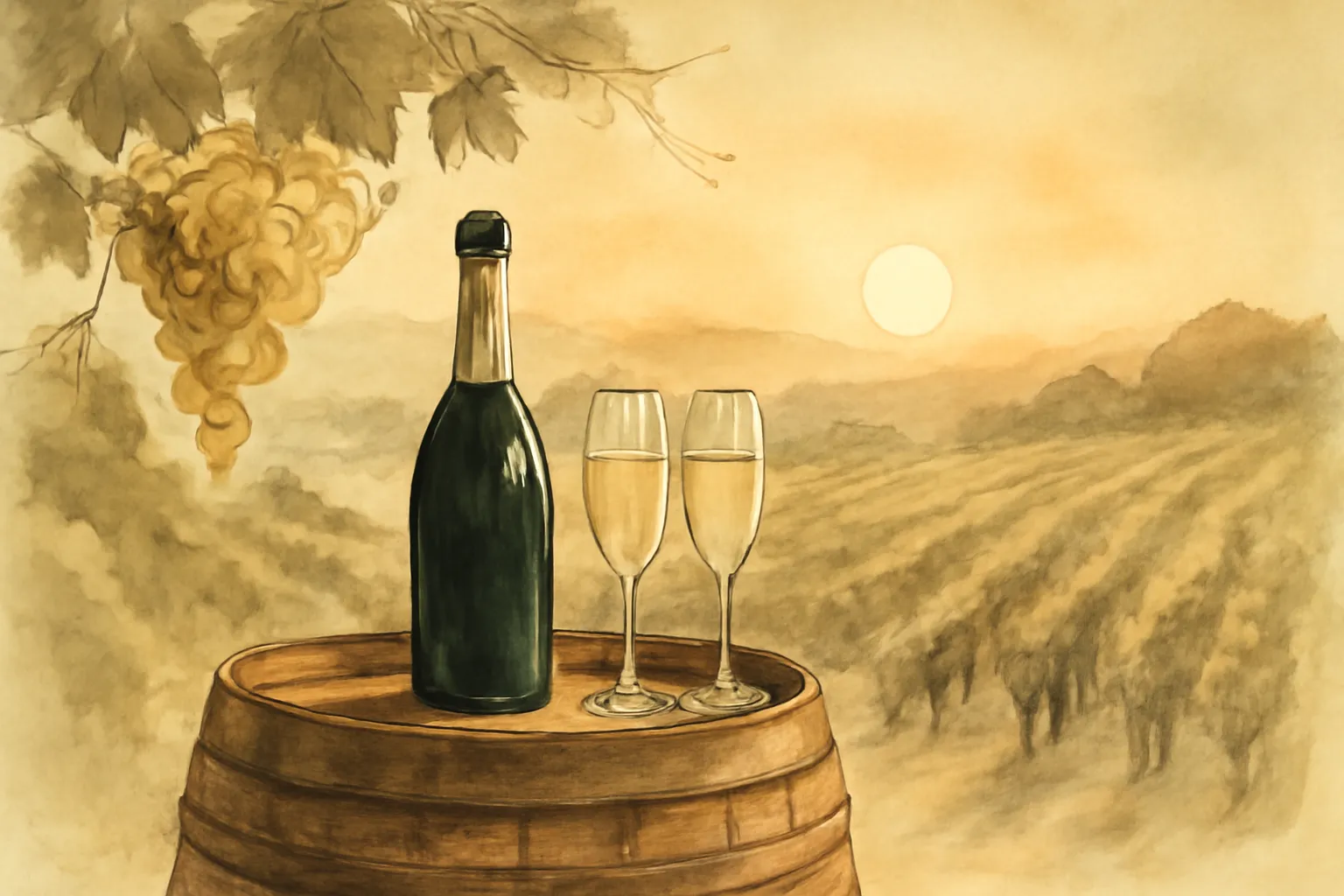
Champagne’s origins trace back to ancient vineyards, where its wines were cherished by popes and monarchs alike. The early vineyards of Champagne produced wines that were highly regarded, sparking debates over their merits compared to wines from Burgundy, creating a historical rivalry that contributed significantly to Champagne's identity. Dom Perignon, a pivotal figure in Champagne's history, is credited with discovering the method of producing sparkling wine, which became a favorite among the elite during the reign of Louis XIV. The book highlights the significance of the Abbey of Hautvillers, where Dom Perignon worked, and how this site became a cornerstone of Champagne's legacy, with its ancient church serving as the last resting place for the famed monk. This historical overview is not just about wine; it reflects the cultural values of different eras, emphasizing how Champagne evolved from a monastic product to a symbol of decadence and celebration in French society.
2.The Champagne Vintage: A Celebration of Labor
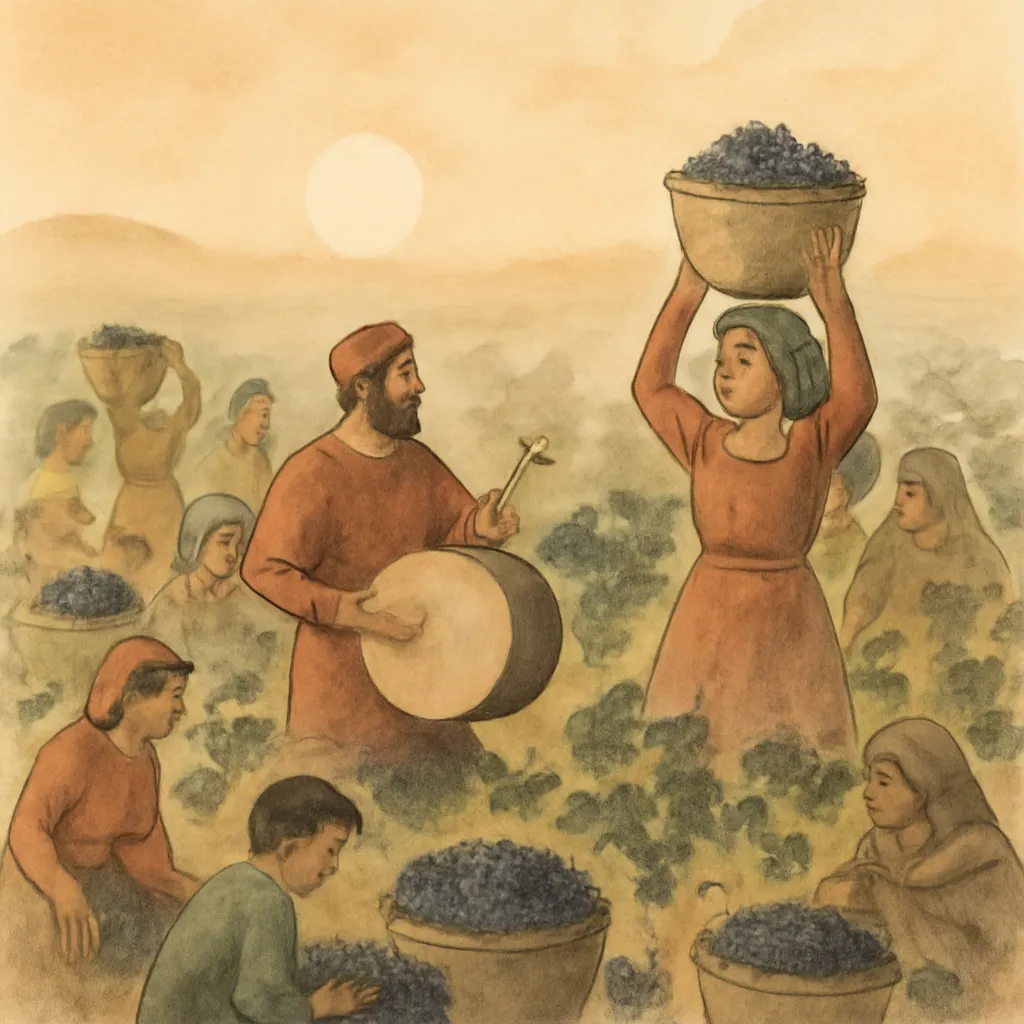
The vintage process in Champagne is a vibrant and communal event, filled with excitement as villagers gather to harvest grapes. The book describes how vintagers are summoned at dawn by the rhythmic beat of drums, setting the stage for a day of hard labor in the vineyards. Grapes are meticulously picked, with the best quality being harvested at sunrise, emphasizing a communal spirit and the importance of timing in the vintage process. This section captures the camaraderie among workers as they sort and crush the grapes, an essential step that transforms them into must. The labor-intensive nature of this process underscores the dedication required to produce high-quality Champagne, illustrating how each bottle is a product of collective effort and tradition. Vizetelly's vivid descriptions bring to life the bustling atmosphere of the vineyards, where excitement and anticipation mingle with the scent of ripe grapes, turning the vintage into a festival of sorts.
3.The Art and Science of Vinification
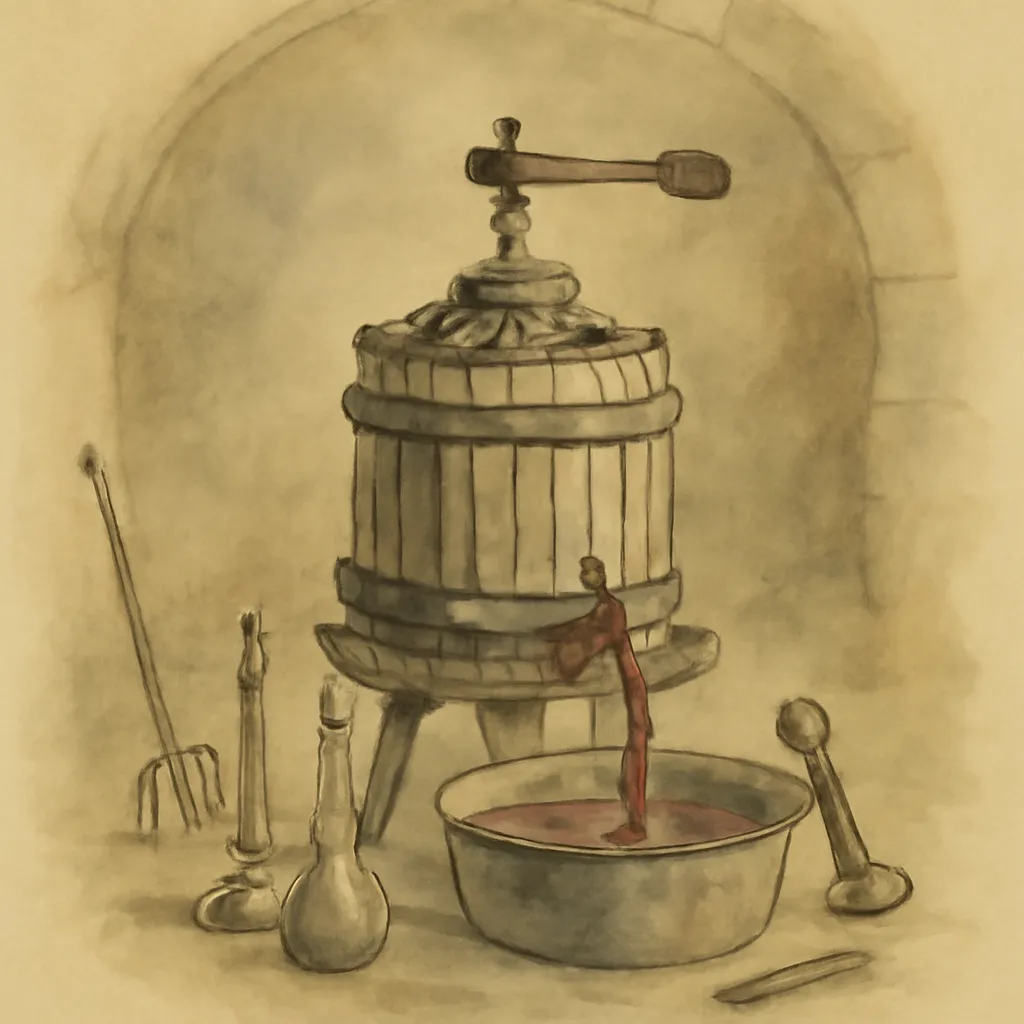
Vinification in Champagne is a complex interplay of art and science, where the quality of the final product hinges on careful techniques and precise conditions. The book details the process of pressing the grapes in a 'pressoir' and how the must is drawn off for fermentation. It explains the significance of the soil composition—primarily chalk mixed with silica and clay—and how this influences the flavor profile of the wine. The careful blending of different grape varieties, including the common Meunier and the noble Chardonnay and Pinot Noir, is crucial for achieving the desired taste. This meticulous attention to detail during vinification ensures that each wine reflects the unique terroir of the Champagne region, contributing to its exceptional quality. This section enriches the reader's understanding of not just the winemaking process but also the philosophy behind it—how each decision, from grape selection to fermentation temperature, influences the character of the final product.
4.Cellar Practices: The Secret of Sparkling Wine
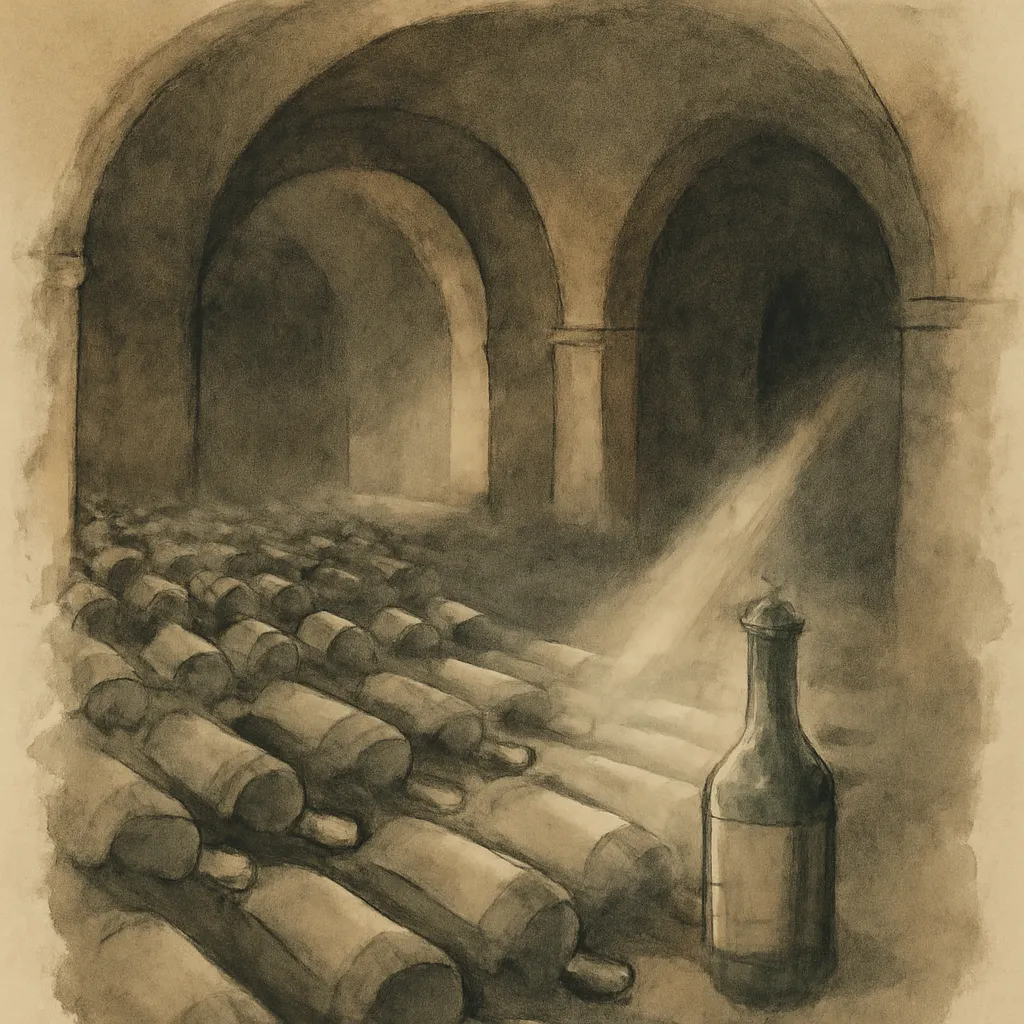
The cellars of Champagne houses are labyrinthine spaces where the magic of sparkling wine takes place. Vizetelly describes the dark, cool vaults where bottles are stored, undergoing secondary fermentation that creates the characteristic bubbles. The complex process of riddling, where bottles are gradually turned to encourage sediment to settle, is depicted as a laborious yet essential task performed by skilled workers. Innovations introduced by figures like Madame Clicquot, who improved this process, are noted for transforming the industry, allowing for greater efficiency and quality. The careful management of temperature and humidity in these cellars is crucial for minimizing breakage and ensuring optimal wine quality. This section emphasizes that the cellars are not just storage spaces, but rather the heart of the Champagne-making process, where time, patience, and expertise converge to create the effervescence that defines Champagne.
5.The Role of Grape Varieties in Champagne's Character
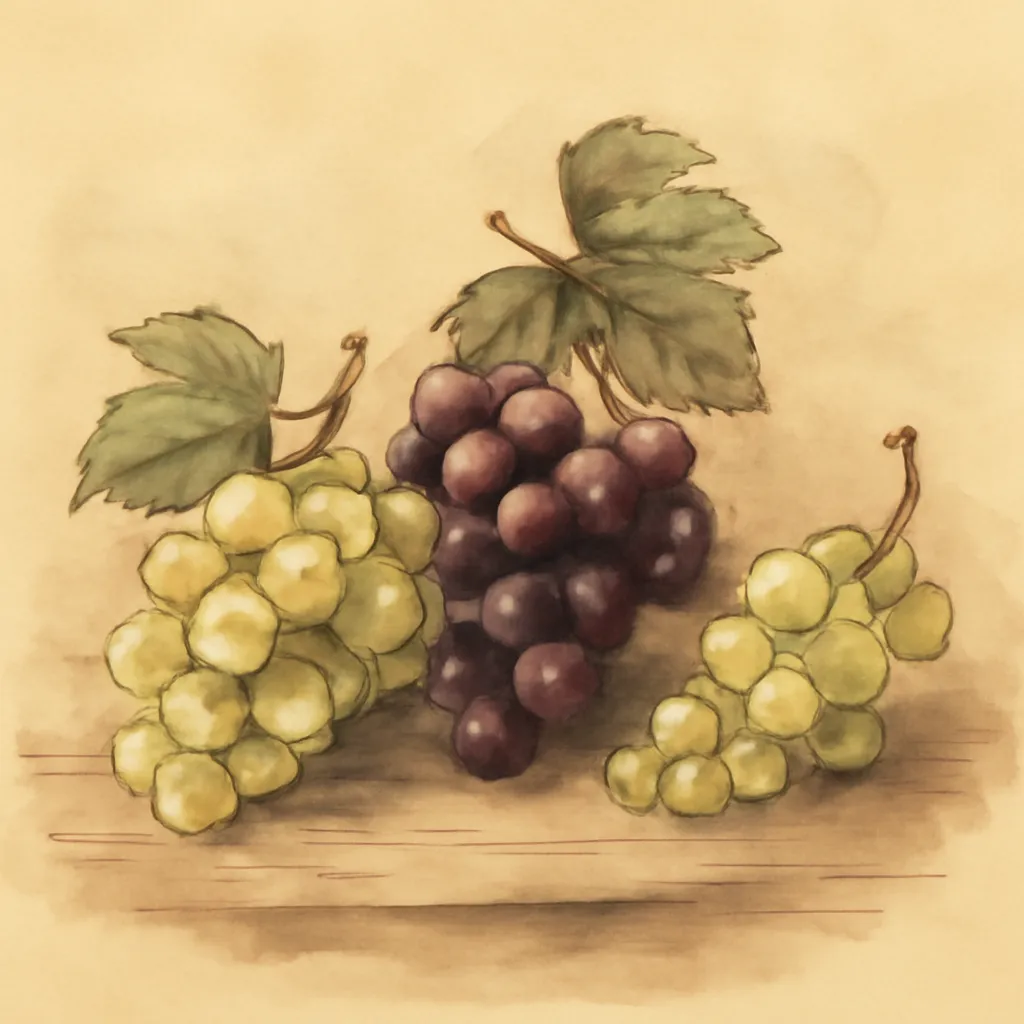
Champagne is not just a single style but a blend of various grape varieties, each contributing its unique characteristics to the final product. The book outlines the primary grapes used in Champagne production: Chardonnay, known for its elegance; Pinot Noir, which adds structure; and Pinot Meunier, celebrated for its fruitiness. Each variety thrives in specific terroirs within the Champagne region, influencing the wine's flavor and aroma. The cultivation techniques, such as close planting and the practice of provinage, are discussed in detail, highlighting how they foster the continuous growth and vitality of the vines. This section emphasizes the importance of grape selection and vineyard management in crafting the diverse expressions of Champagne, elucidating how each grape's attributes harmonize to create the signature style of Champagne that has captivated wine lovers worldwide.
6.Cultural Significance: Champagne Beyond the Glass
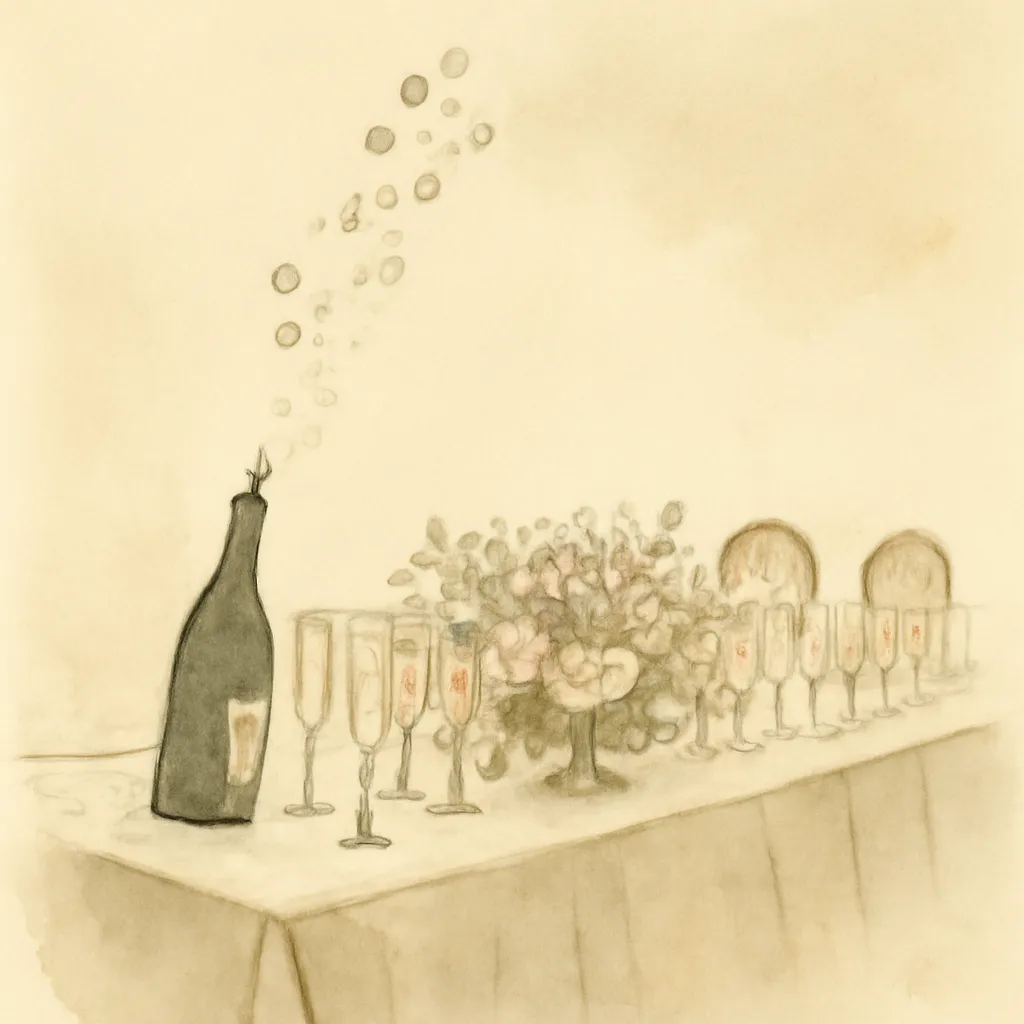
Champagne has transcended its role as merely a beverage; it embodies celebration and luxury. The book explores how Champagne has become synonymous with special occasions, from weddings to national celebrations. It reflects on historical events where Champagne played a pivotal role, such as the coronation of French kings, illustrating its cultural weight. This cultural significance underscores why Champagne remains a cherished symbol of joy and festivity across the globe. The rituals surrounding Champagne consumption, including toasts and the etiquette of serving, are examined, revealing how these practices enhance the experience of drinking Champagne. Vizetelly shows that Champagne is not just a drink but a facilitator of connection and joy, a liquid embodiment of life’s most cherished milestones.
7.Global Expansion: Champagne's Journey to the World
The popularity of Champagne has spread far beyond France, establishing a global market that includes regions like America, Germany, and Hungary. Vizetelly details the emergence of American sparkling wines, which have gained recognition for their unique qualities. The book discusses how the techniques used in Champagne production have influenced winemaking practices in other countries, leading to the creation of sparkling wines with distinct regional characteristics. Unique varietals and local practices are integrated into the Champagne-making process, demonstrating how local terroirs create diverse expressions of sparkling wine. This expansion reflects the universal appeal of sparkling wines and how they have been embraced by diverse cultures. The narrative showcases Champagne's role as a global ambassador of celebration, bridging cultures through its effervescent charm while highlighting the innovations and adaptations that have occurred in regions outside of France.
8.The Science of Sparkling: Understanding Effervescence
The effervescence of sparkling wines is a fascinating scientific phenomenon, and the book delves into the chemistry behind it. Vizetelly explains how carbon dioxide is produced during fermentation, creating the bubbles that define sparkling wines. The importance of temperature control during fermentation and bottling is emphasized, as it affects the wine's final effervescence. The section also explores how different methods of producing sparkling wine, such as méthode champenoise and charmat, influence the character of the bubbles and the overall experience. This scientific exploration is not just a technical overview; it cultivates an appreciation for the natural processes that make Champagne unique, emphasizing how understanding these principles enhances the overall enjoyment of the wine.
9.Champagne Etiquette: The Art of Serving and Pairing
Champagne is often served at celebratory events, but its proper pairing with food is an art in itself. The book offers insights into when and how to serve Champagne during a meal, emphasizing the importance of temperature and glassware. It discusses the debate on whether Champagne should be served at the beginning of a meal or paired with specific courses, providing practical tips for hosting and enjoying Champagne. The nuances of pairing Champagne with various foods, from light seafood to rich desserts, are explored, illustrating how its acidity and effervescence can enhance the dining experience. This section provides a comprehensive guide that not only informs but also empowers readers to elevate their Champagne-drinking experiences, demonstrating the versatility of this sparkling wine.
10.Innovation in Champagne: Modern Techniques and Trends
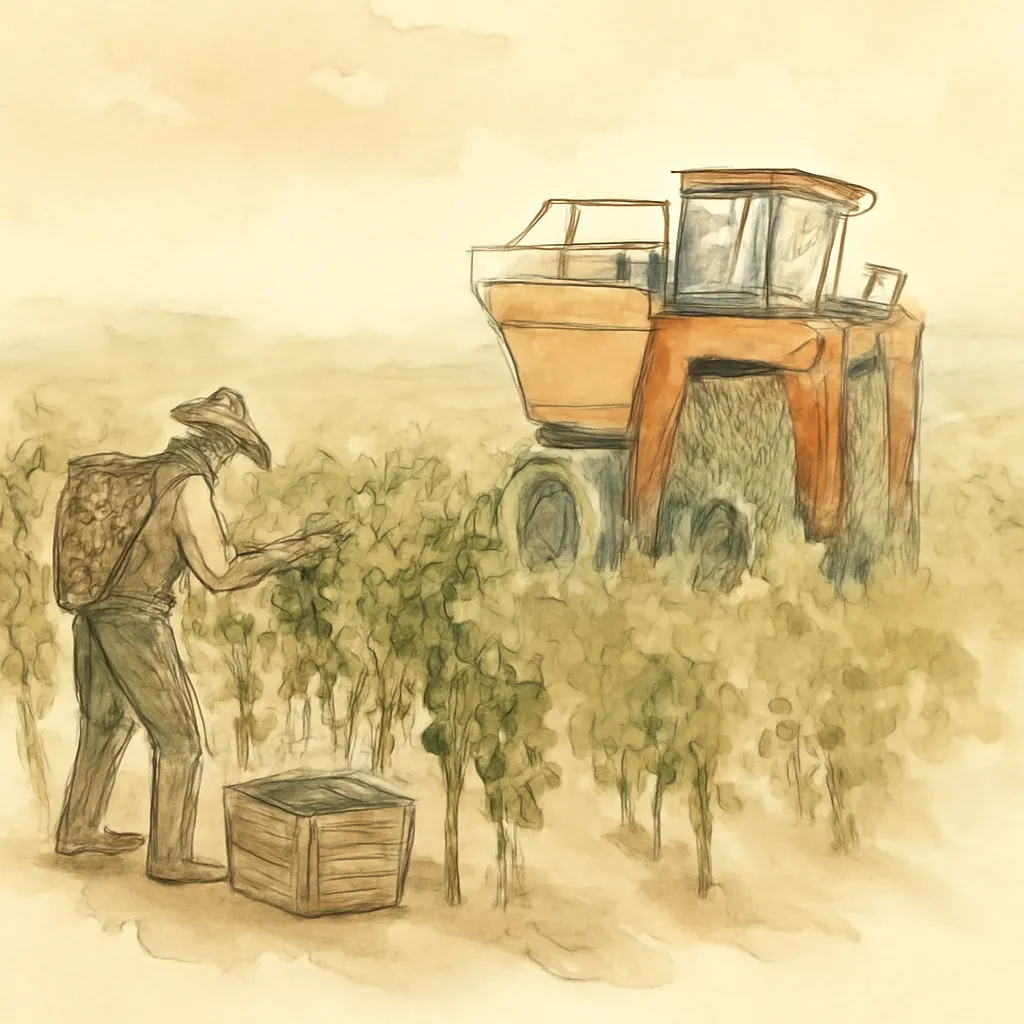
The Champagne industry has evolved over the years, embracing modern techniques while respecting traditional methods. Vizetelly discusses the innovations introduced by Champagne houses, such as advances in vineyard management and production technology, which have improved efficiency and quality. These innovations allow producers to create exceptional sparkling wines that meet contemporary tastes, yet they are executed with respect for the heritage and traditions of Champagne. Additionally, the book touches on the trend of organic and biodynamic farming practices gaining traction within the region, highlighting a growing awareness of environmental impact. This commitment to sustainability reflects an evolution in consumer values and the Champagne producers' desire to maintain the integrity of their land. The balance of tradition and innovation is key to the future of Champagne, ensuring it remains relevant and cherished in an ever-changing world.