1.Censorship and the Destruction of Knowledge
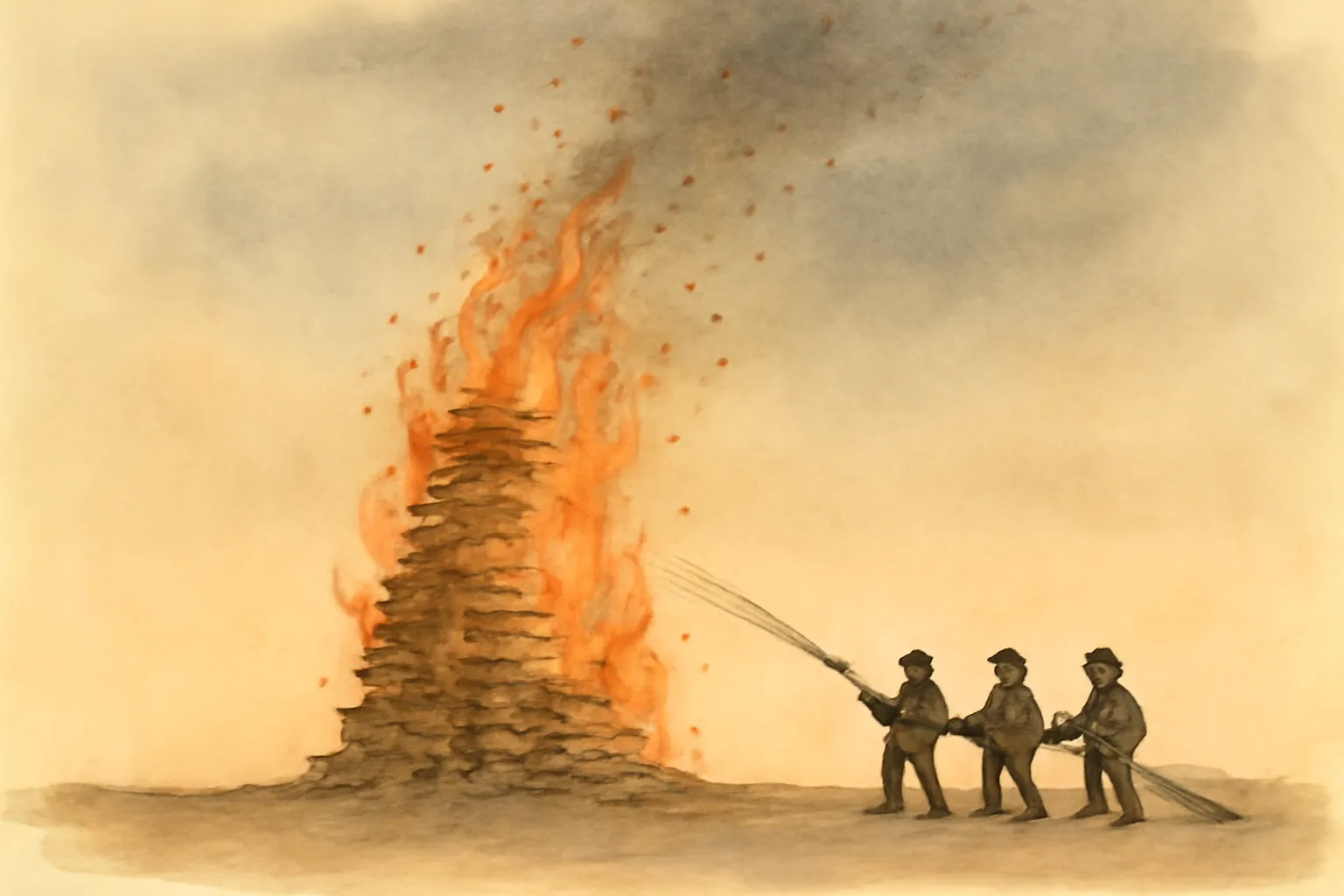
At its core, the novel warns of a society where the suppression of books leads to the erosion of critical thinking and individuality. By outlawing literature, the government doesn’t just eliminate words on paper—it erases the diversity of ideas, histories, and perspectives that books preserve. Bradbury’s firemen, tasked with burning books, symbolize institutional forces that fear dissent and complexity, preferring a population that is docile and easily managed.
2.The Numbing Effects of Mass Media
Bradbury anticipates a world saturated with shallow entertainment, where television and fast-paced media distract citizens from meaningful engagement with reality. The novel’s inhabitants are bombarded by screens and empty chatter, leaving them emotionally and intellectually numb. This critique of media’s ability to pacify and manipulate remains strikingly relevant in the age of smartphones and social media.
3.Conformity Versus Individuality
Fahrenheit 451 explores the tension between the comfort of conformity and the risks of independent thought. Most characters accept the status quo, avoiding discomfort by refusing to question or challenge societal norms. The protagonist, Montag, undergoes a painful awakening as he discovers the value of questioning, learning, and standing apart—even when it isolates him. The novel suggests that true freedom requires the courage to think differently.
4.The Transformative Power of Literature
Books in Fahrenheit 451 are more than objects—they represent the accumulated wisdom, imagination, and empathy of humanity. Through his exposure to literature, Montag comes to see books as catalysts for personal and social transformation. Bradbury argues that stories are essential for understanding ourselves and others, and that their destruction impoverishes both individuals and society.
5.Complacency and the Dangers of Apathy
The society in the novel isn’t held together by overt tyranny, but by widespread indifference. People have surrendered their agency, preferring comfort over confrontation. Bradbury warns that the greatest threat to freedom may not be external oppression, but the internal decay that comes from apathy and disengagement. The book is a call to vigilance and active participation in cultural and intellectual life.
6.Hope Amidst Ruin
Despite its bleak vision, Fahrenheit 451 ultimately holds out hope for renewal. The novel’s ending suggests that even after catastrophe, the preservation of knowledge and memory can spark new beginnings. The resilience of those who cherish books becomes a quiet act of rebellion and a seed for future change.