1.The Dichotomy of Realism and Idealism
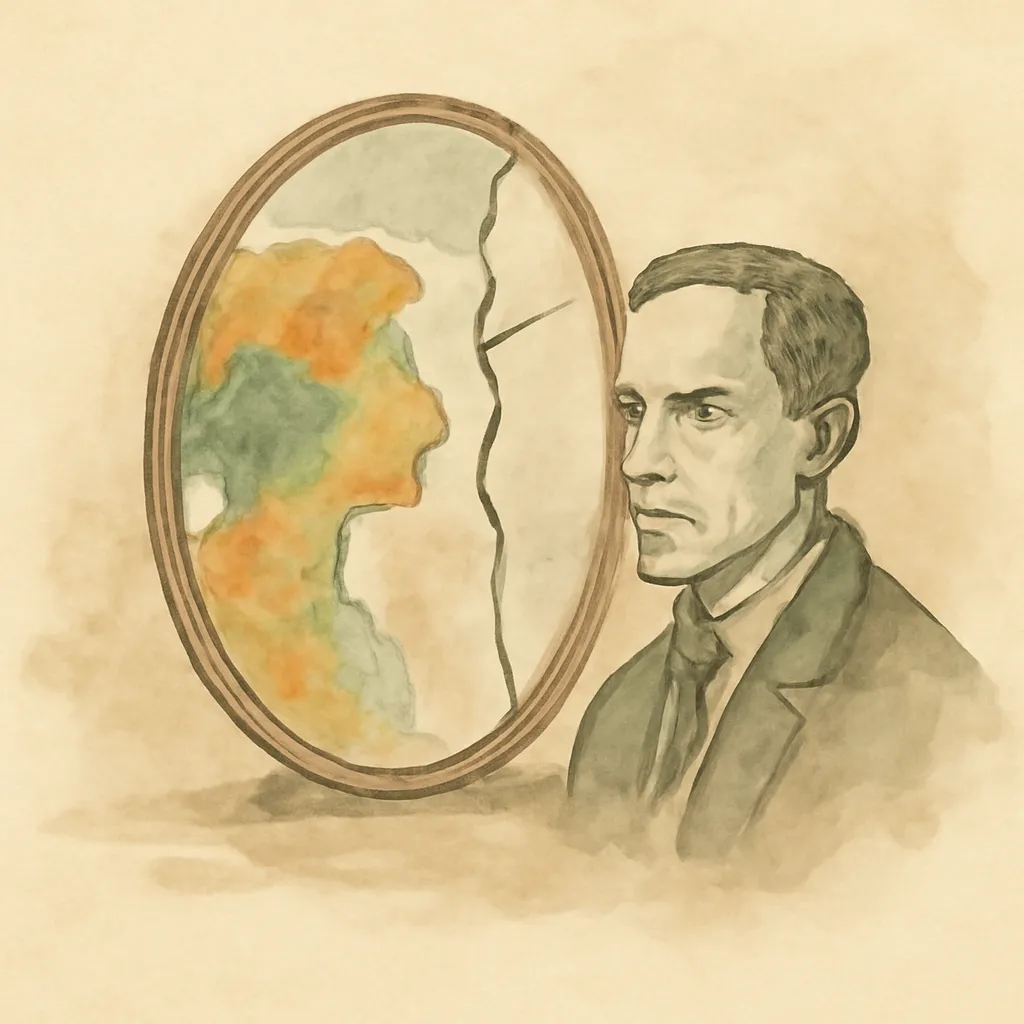
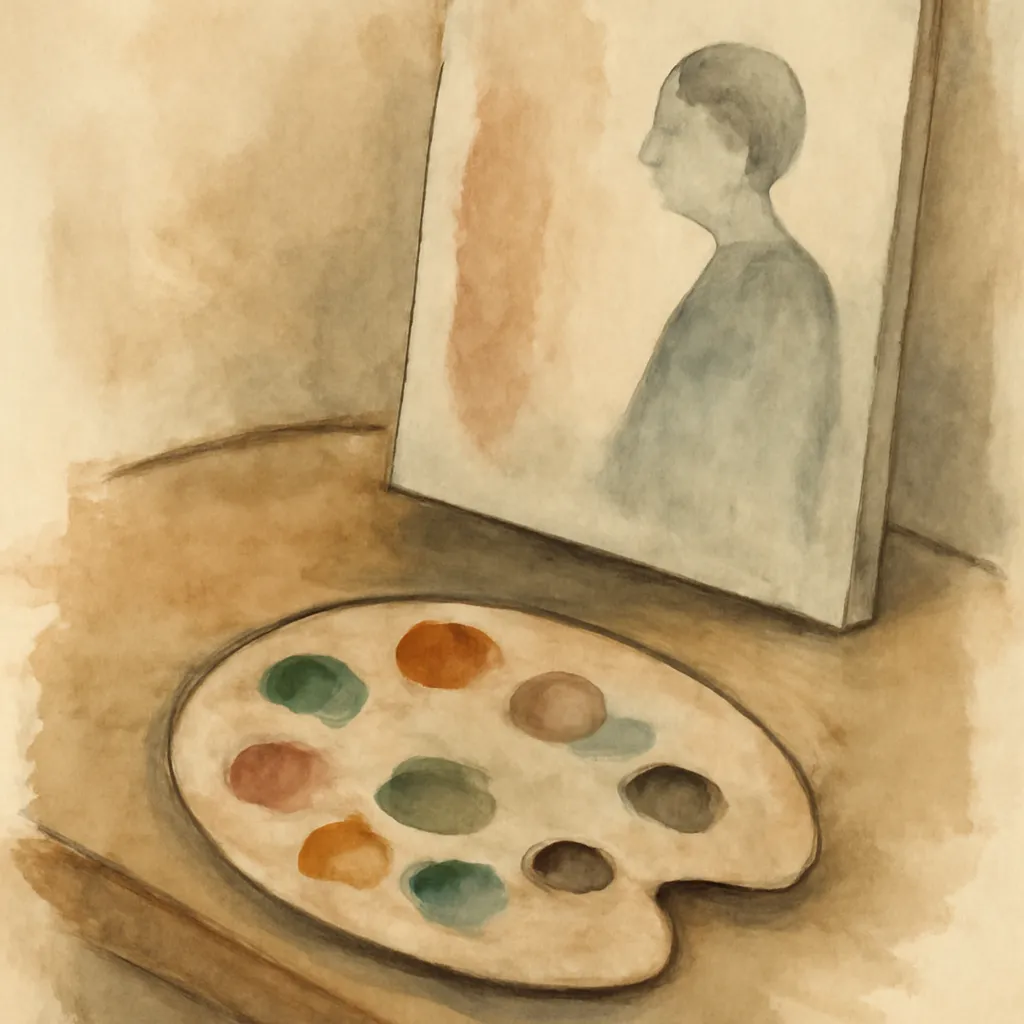
Margaret Donne represents the idealist perspective, valuing art and emotion above all, while Edmund Lushington embodies the realist viewpoint, which prioritizes practicality and scientific truth. Their contrasting philosophies set the stage for a series of conflicts throughout the narrative. Lushington's insistence on realism often clashes with Margaret's artistic sensibilities, leading to tense discussions that reveal deeper truths about their characters. For instance, Lushington's dismissive attitude towards Margaret's views highlights his inability to appreciate the emotional depth that art can convey. In contrast, Margaret's serene indifference to Lushington's opinions underscores her commitment to her artistic vision. This tension not only drives the plot but also serves as a commentary on the broader cultural clash between the idealist and realist movements in the arts.
2.Margaret's Independence and Strength
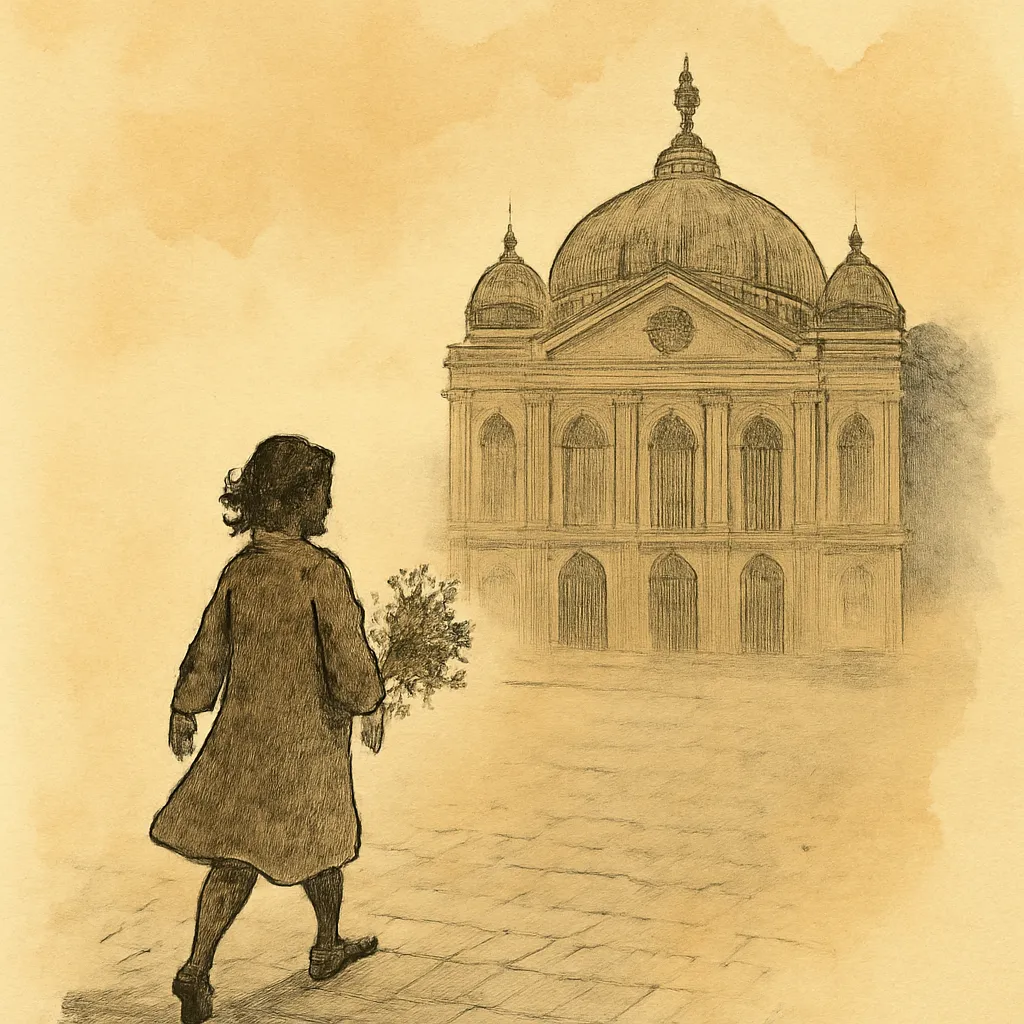
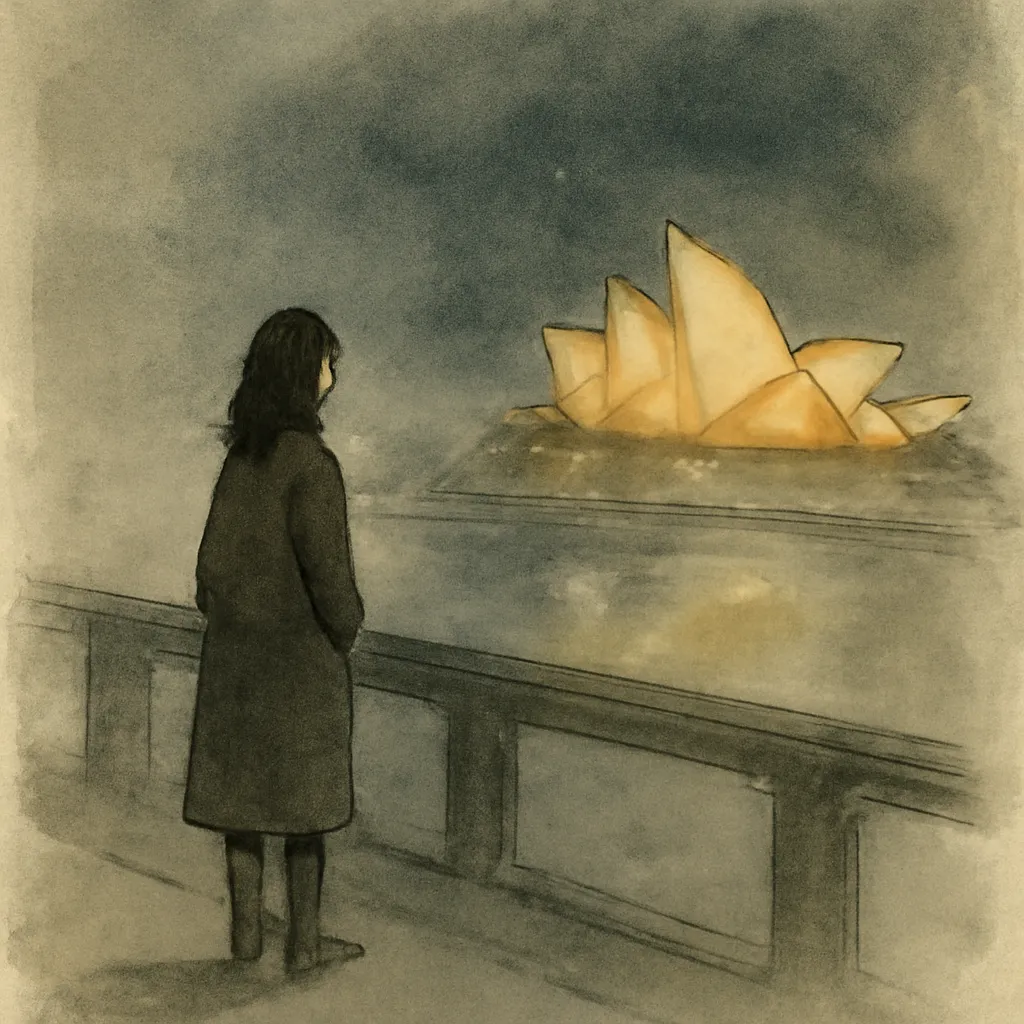
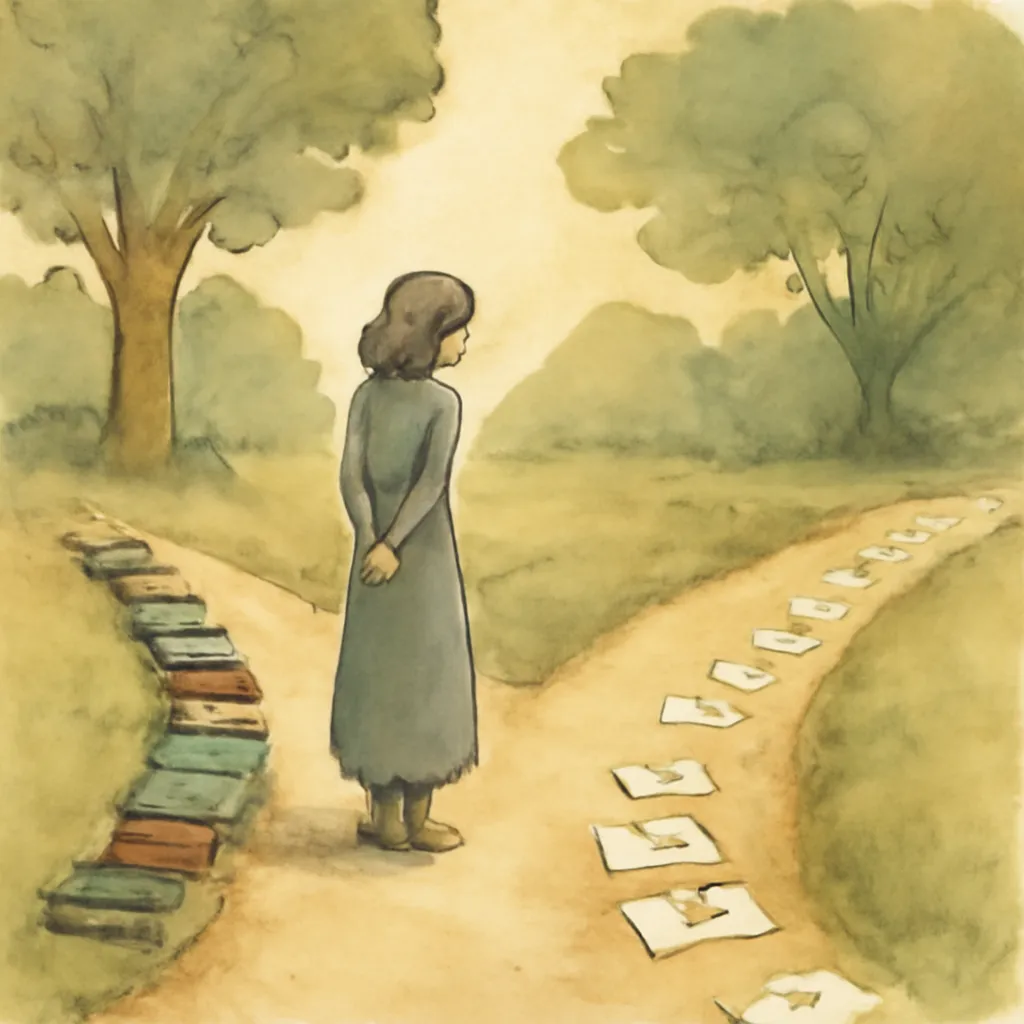
Margaret's character is defined by her independence and self-reliance, which is particularly evident in her decision to visit Madame Bonanni alone. This choice reflects her belief in her ability to navigate the world without male protection, challenging societal norms that dictate women's dependence on men. As she walks through Paris, embracing its vibrancy and potential, Margaret embodies the spirit of a modern woman pursuing her dreams. Her confidence is further illustrated when she asserts her intention to sing for Bonanni, displaying both ambition and determination. This independence not only shapes her character but also positions her as a role model for women in pursuit of their passions, emphasizing the importance of self-agency in a world that often seeks to confine women to traditional roles.
3.The Allure of the Parisian Arts Scene
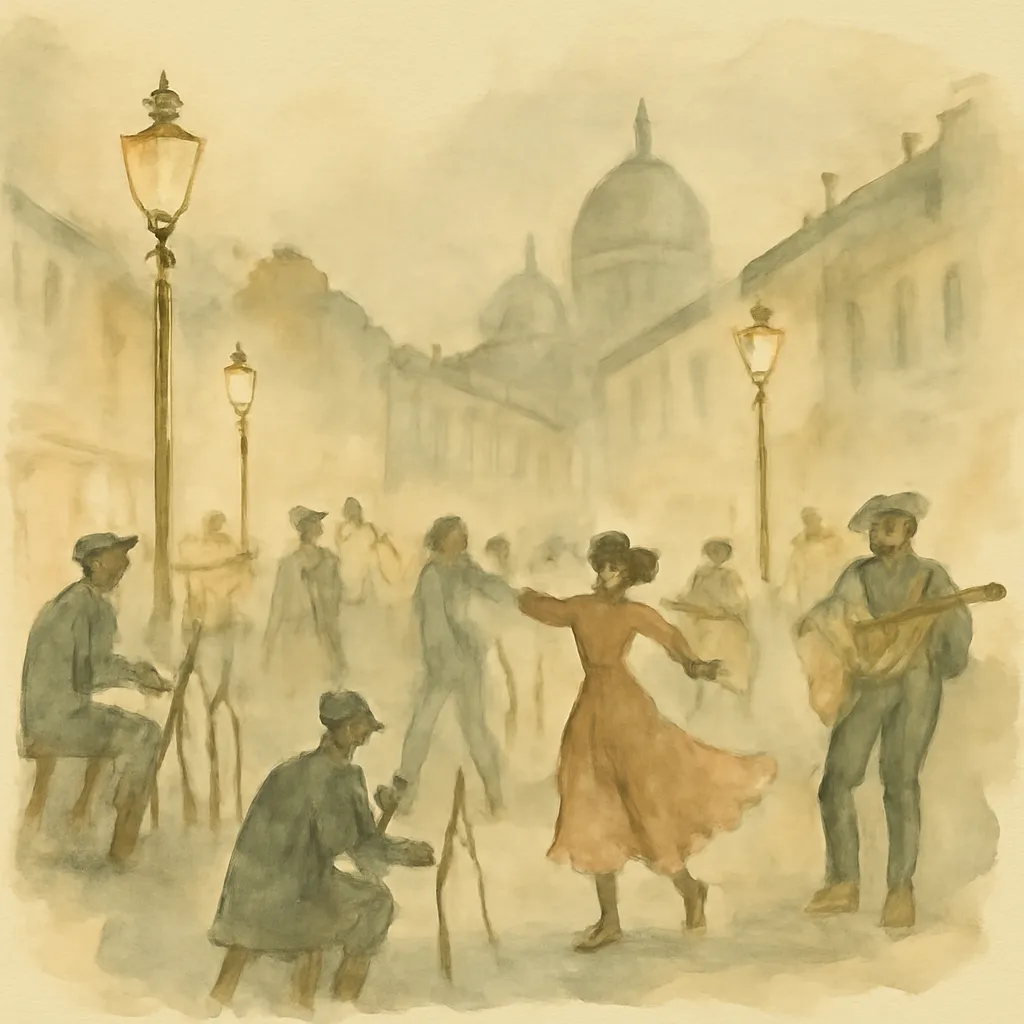
The novel vividly captures the enchanting yet tumultuous atmosphere of Paris during a time when the arts flourished. Crawford paints a picture of a city alive with creativity, where every street corner can spark inspiration. Margaret's journey through Paris is not just a physical one but also a metaphorical exploration of the artistic landscape. The descriptions of the city's vibrancy, with its intoxicating air and palpable energy, create a backdrop that enhances the narrative. The contrast between the glamour of the opera and the harsh realities faced by those in the arts serves to highlight the dual nature of artistic pursuit. While Paris offers opportunities for fame and success, it also presents challenges that test the resolve of aspiring artists like Margaret.
4.Complex Relationships and Romantic Tensions
The relationships in 'Fair Margaret' are intricate and multifaceted, particularly between Margaret, Lushington, and Logotheti. Each man represents different aspects of love and ambition, complicating Margaret's emotional landscape. Lushington's realistic approach to life often clashes with Margaret's idealistic views, creating a tension that is both romantic and intellectual. On the other hand, Logotheti's wealth and charm present a tantalizing alternative, drawing Margaret into a world of luxury and passion. This dichotomy forces her to confront her feelings and ambitions, ultimately leading to a deeper understanding of herself. Crawford masterfully explores the nuances of these relationships, revealing how love can inspire, distract, and ultimately shape one's destiny.
5.The Role of Women in Society and the Arts
Crawford addresses the societal expectations placed on women, particularly in the context of the arts. Margaret's struggles reflect the broader challenges faced by women pursuing careers in a male-dominated field. Despite her talent and ambition, she must navigate a world that often seeks to undermine her efforts. The character of Madame Durand-De Rosa serves as a contrast to Margaret, representing a woman who has successfully navigated the complexities of the opera world but has also faced personal sacrifices. Through these characters, Crawford critiques the limitations placed on women and highlights the importance of female solidarity in overcoming societal barriers. This exploration of women's roles in the arts remains relevant today, resonating with contemporary discussions about gender equality and representation.
6.Artistic Identity and the Pursuit of Greatness
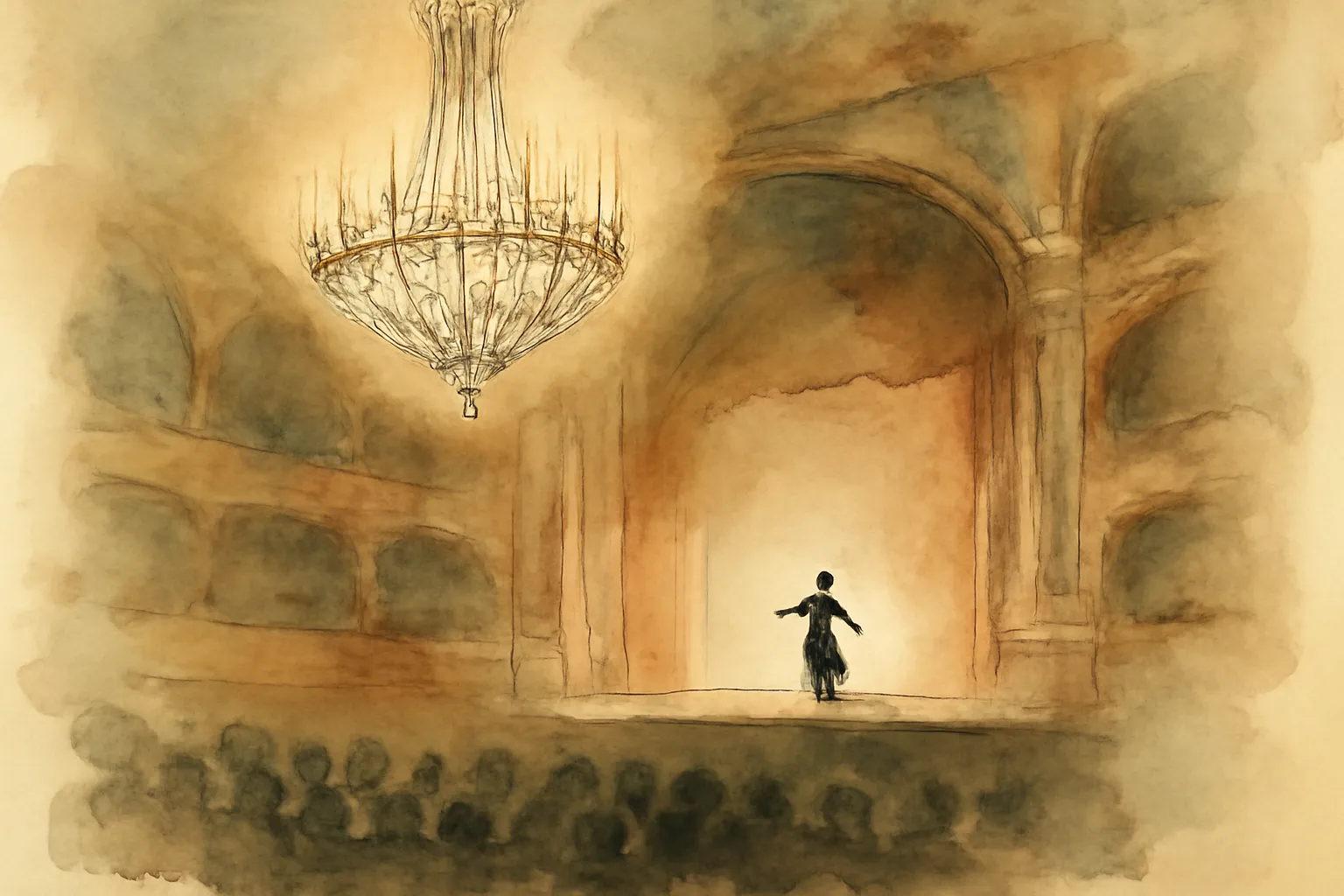
Margaret's journey is ultimately one of self-discovery and the pursuit of her artistic identity. As she prepares for her debut, the weight of expectation and the fear of failure loom large. The pressure to succeed in the competitive world of opera forces Margaret to confront her insecurities and desires. Her rehearsals serve as a metaphor for her growth, as she learns to harness her voice and express her true self. Crawford delves into the psychological aspects of artistic pursuit, illustrating the internal battles that accompany the quest for greatness. This theme resonates with anyone who has ever aspired to achieve their dreams, highlighting the sacrifices and challenges inherent in the creative process.
7.The Impact of Fame and Public Perception
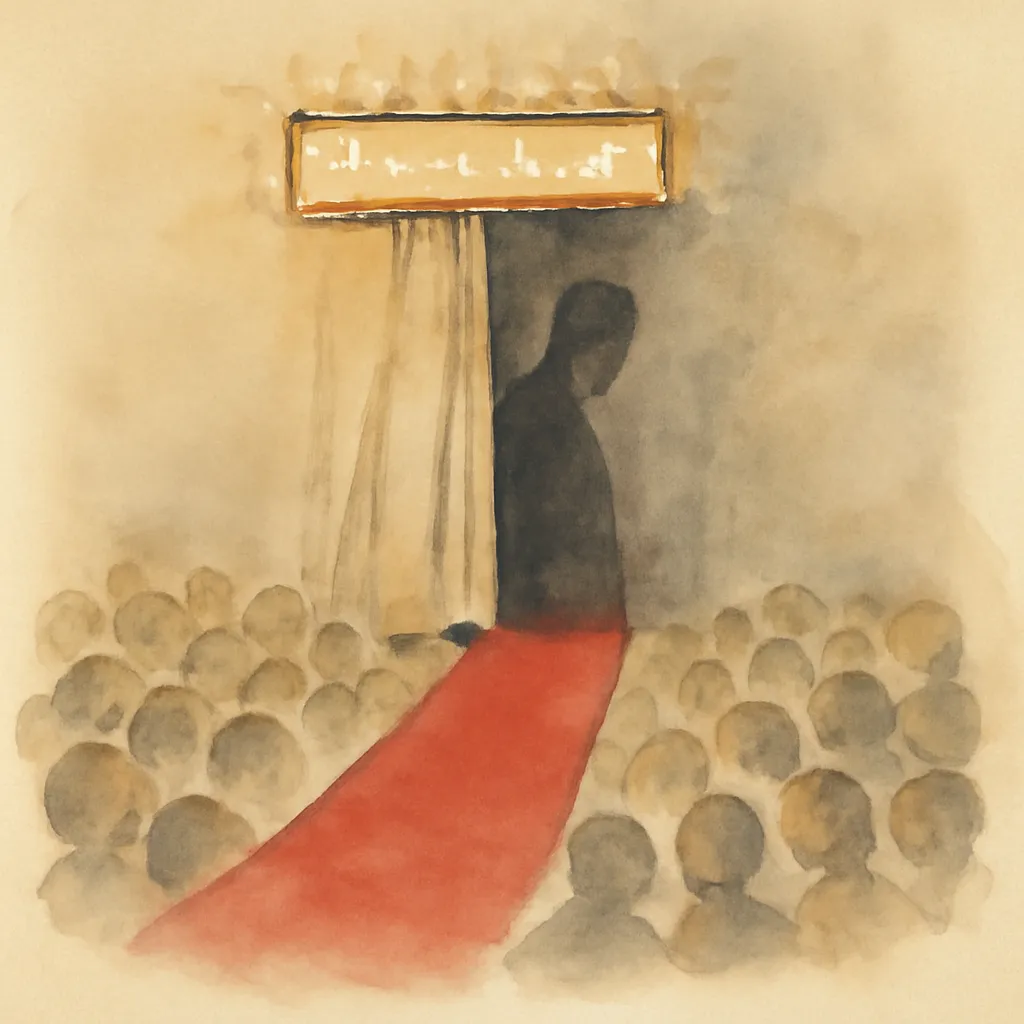
As Margaret's talent becomes recognized, she grapples with the implications of fame and public scrutiny. The excitement of her impending debut is tinged with anxiety over how she will be perceived by audiences and critics alike. Crawford examines the duality of fame, illustrating how it can elevate an artist while simultaneously exposing them to harsh judgment. The paragraph discussing Margaret's reaction to the press highlights the often superficial nature of public perception, as sensationalized stories can overshadow genuine talent. This exploration serves as a cautionary tale about the fickle nature of fame and the importance of remaining true to oneself amidst external pressures.
8.Cultural Commentary on the Nature of Art
Crawford's narrative also serves as a cultural commentary on the nature of art and its relationship to society. Through the lens of Margaret's experiences, the novel explores the tension between artistic expression and societal expectations. The contrasting views of Lushington and Logotheti reflect broader philosophical debates about the purpose of art—whether it should serve as a mirror to reality or as an escape from it. This dialogue is woven throughout the story, prompting readers to reflect on their own beliefs about art and its role in shaping human experience. The richness of these discussions adds depth to the narrative, elevating it beyond a simple love story to a profound exploration of artistic ideals.
9.The Power of Emotional Truth in Art
One of the central themes of 'Fair Margaret' is the power of emotional truth in art. Margaret's journey toward becoming a singer is not merely about technical skill but about the ability to convey genuine emotion. Her interactions with Madame Bonanni and her rehearsals emphasize the importance of connecting with one's audience on a deeper level. Crawford illustrates that true artistry lies not just in perfection but in the vulnerability and authenticity that an artist brings to their work. This resonates with the idea that art is a reflection of the human experience, capable of evoking empathy and understanding. As Margaret learns to embrace her emotional truth, she becomes not only a better singer but also a more authentic individual.
10.The Intersection of Love and Ambition
The interplay between love and ambition is a recurring motif throughout the novel, as Margaret navigates her feelings for both Lushington and Logotheti. Each relationship offers her different pathways—one rooted in intellectual stimulation and the other in passionate allure. Crawford skillfully portrays Margaret's internal conflict as she weighs her desire for love against her aspirations for artistic success. This tension is particularly poignant as it forces Margaret to confront the sacrifices she must make in pursuit of her dreams. The theme of love as both a motivator and a potential hindrance adds complexity to the narrative, inviting readers to consider how personal relationships can shape one's ambitions.
11.The Journey Toward Self-Actualization
Ultimately, 'Fair Margaret' is a story about the journey toward self-actualization and the courage to forge one's path. Margaret's evolution from an idealistic young woman to a confident artist reflects the broader human experience of growth and self-discovery. The challenges she faces, both in her relationships and her career, serve as catalysts for her development. Crawford emphasizes the importance of resilience in the face of adversity, illustrating that true fulfillment comes from embracing one's passions and staying true to one's identity. This overarching theme resonates with readers, encouraging them to pursue their dreams and remain steadfast in their convictions, regardless of external pressures.