1.Grief as a Transformative Journey
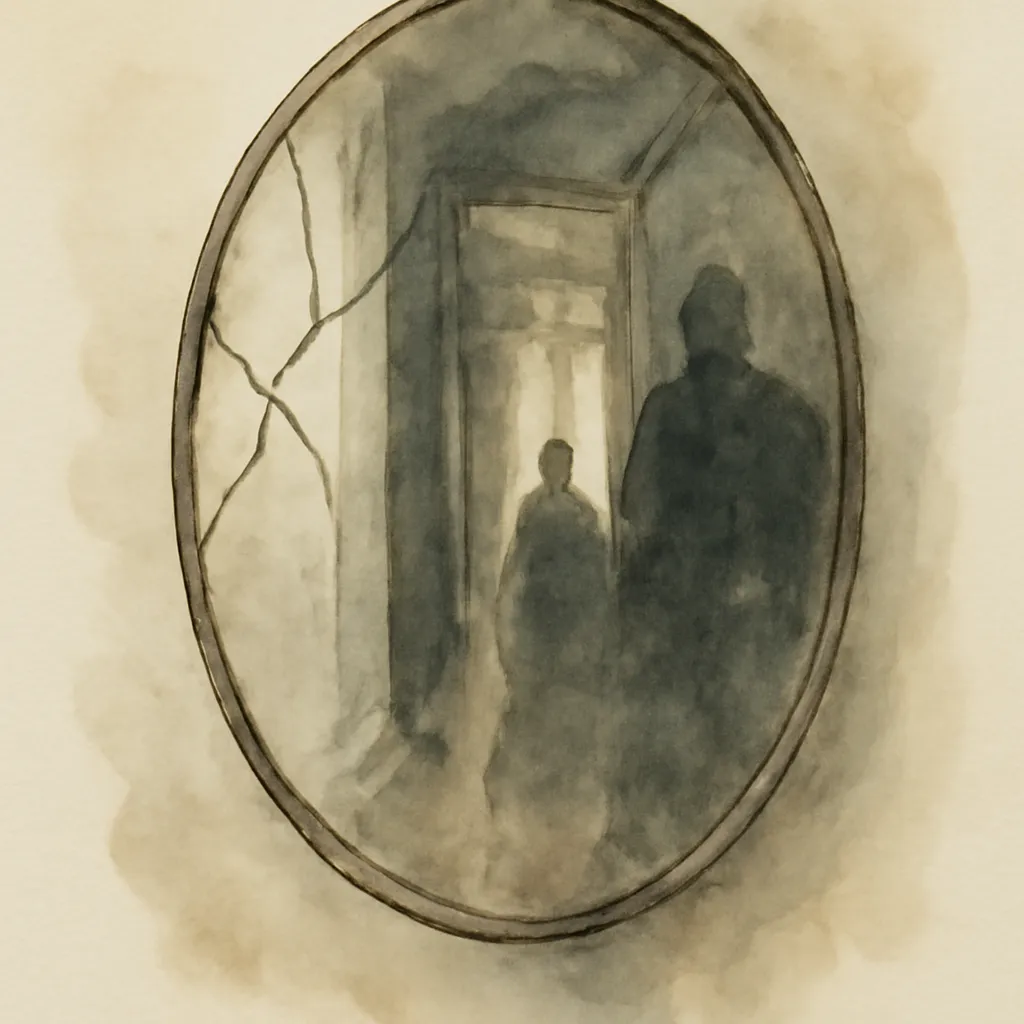
At its core, the novel is about Lisey Landon's process of grieving her husband, Scott, a famous novelist. King's portrayal of mourning is layered and honest, showing how loss can fracture memory and identity, but also how it can lead to unexpected strength. Lisey's journey is not just about letting go, but about reclaiming her own story from the shadow of her husband's fame and trauma.
2.The Power and Danger of Memory
Memory is both a weapon and a refuge in the novel. As Lisey sorts through Scott's belongings, she uncovers suppressed memories that are both painful and revelatory. King suggests that the past is never truly gone; instead, it shapes and sometimes haunts the present. The act of remembering becomes a means of survival, but also a confrontation with buried truths.
3.Love and Shared Worlds
King explores the private languages, rituals, and secret 'worlds' that develop within intimate relationships. Lisey and Scott's marriage is depicted as a place of deep connection, but also of secrets—some magical, some terrifying. The novel asks how much of ourselves we can ever truly share with another, and what it means to inherit another's burdens and gifts.
4.Threats from Without and Within
The external threat posed by the stalker, Zack McCool, is paralleled by Lisey's internal battles with trauma and fear. King skillfully blurs the line between psychological and physical danger, making the suspense as much about Lisey's mind as her safety. This duality keeps the reader questioning what is real and what is imagined.
5.The Supernatural as Metaphor
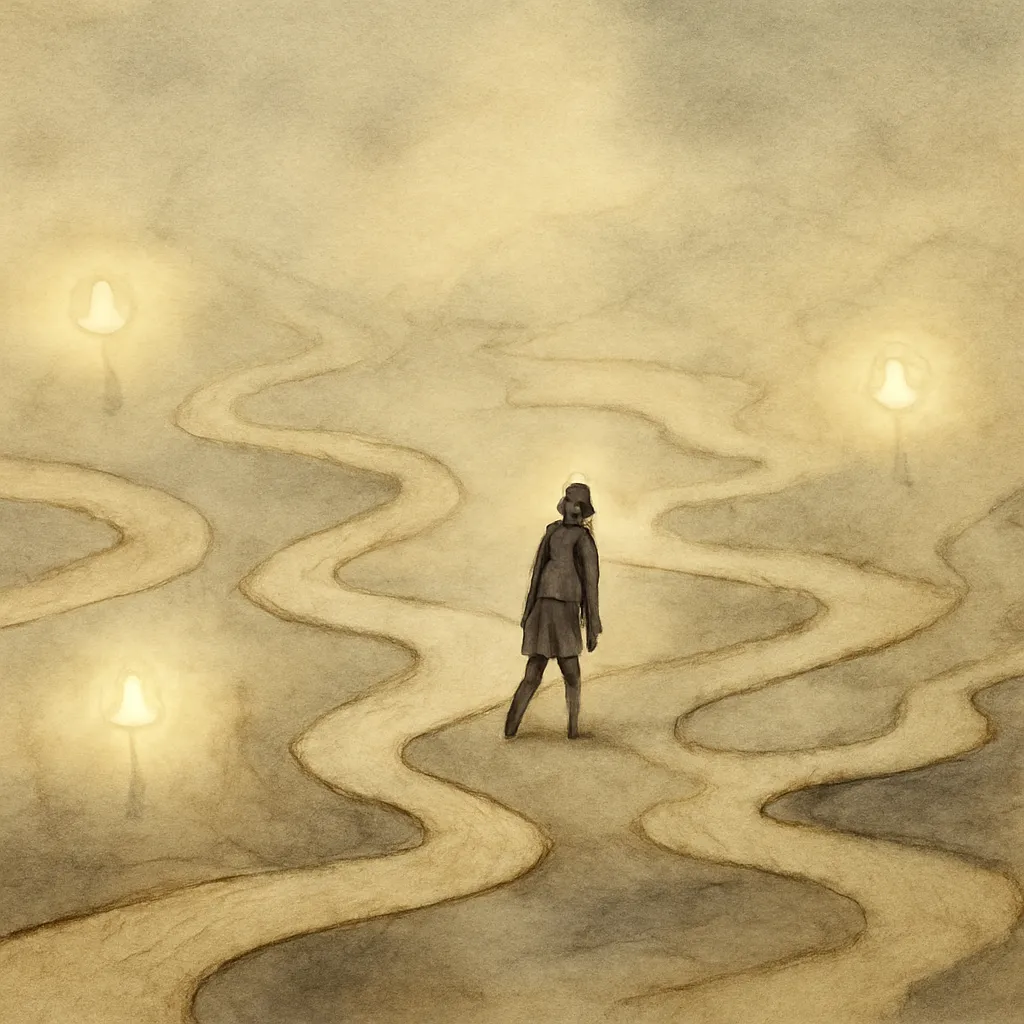
While the novel contains supernatural elements, they serve as metaphors for psychological states—grief, madness, and creativity. The mysterious world that Scott introduced Lisey to is both a literal and figurative landscape, representing the uncharted territories of the mind and heart. King uses fantasy not just for scares, but to deepen the emotional resonance of Lisey's quest.
6.Resilience and Self-Discovery
Ultimately, Lisey's Story is about a woman's resilience in the face of overwhelming odds. Forced to confront both external threats and her own inner demons, Lisey emerges as a complex, resourceful protagonist. Her journey is one of self-discovery, as she learns to navigate the dangerous legacies left by her husband and to claim her own agency.