1.The Weight of Ancestry
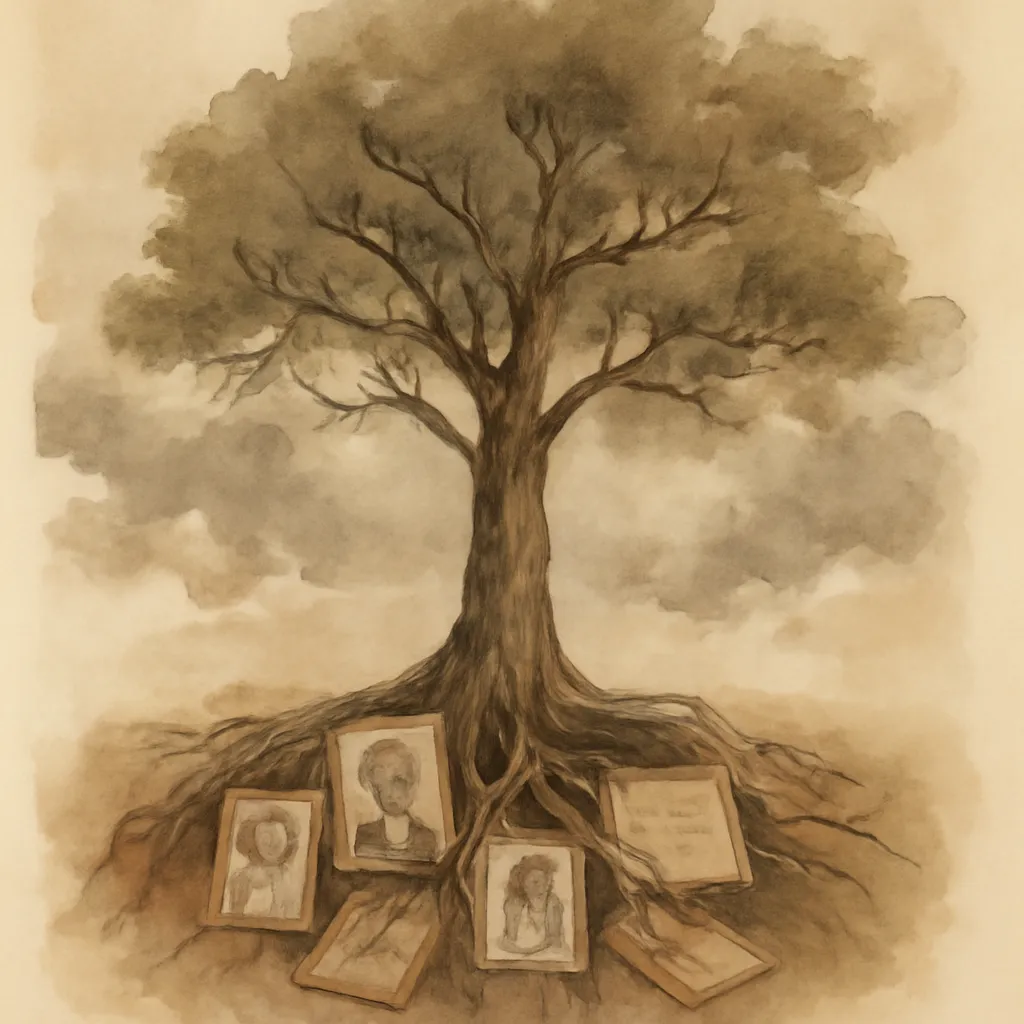
Russell begins his narrative by exploring his ancestral roots, particularly focusing on his great-great-great-great-grandfather, William Lord Russell, who was executed in 1683 for his advocacy of constitutional liberty. This connection to a historical martyr instills a profound sense of identity and responsibility within Russell. He muses on the awkwardness of familial titles, expressing a desire for a more elegant way to articulate his lineage. This theme of ancestry serves as a lens through which Russell examines not only his personal history but also the broader context of English liberty and governance. The weight of his ancestor's legacy shapes his understanding of constitutional rights and personal freedoms, making the past a living part of his present.
2.Harrow: The Formative Years
Russell's time at Harrow School is depicted as a pivotal chapter in his youth, where he encounters both the rigors of education and the warmth of mentorship under Dr. Henry Montagu Butler. Butler, a figure of grace and scholarship, embodies the ideal of a nurturing yet disciplined educator. Russell recalls the school atmosphere, rich with diverse faces and the struggles of young boys navigating their identities. His reflections on Harrow reveal how the institution not only educated him academically but also instilled values of integrity and responsibility. The 'Pi-jaw' speeches by Butler, especially those against dishonesty, resonate deeply with Russell, shaping his moral compass. Through these experiences, Russell lays the groundwork for his future engagements in society, politics, and literature.
3.The Sacred Spaces of Harrow
In a vivid portrayal of Harrow's Parish Church, Russell connects the sacred with the mundane, highlighting the church's historical significance and his own formative experiences within its walls. The church, consecrated by Anselm and associated with figures like Becket, stands as a symbol of continuity amid change. Russell's humorous reflection on a memorial tablet commemorating a judge who died of the first Reform Bill underscores the interplay of history and personal connection. The church becomes a backdrop for Russell's spiritual development, where he participates in the Holy Communion and engages with the community. These experiences shape his understanding of faith and tradition, further intertwining his personal narrative with the historical tapestry of England.
4.Oxford: A New Chapter
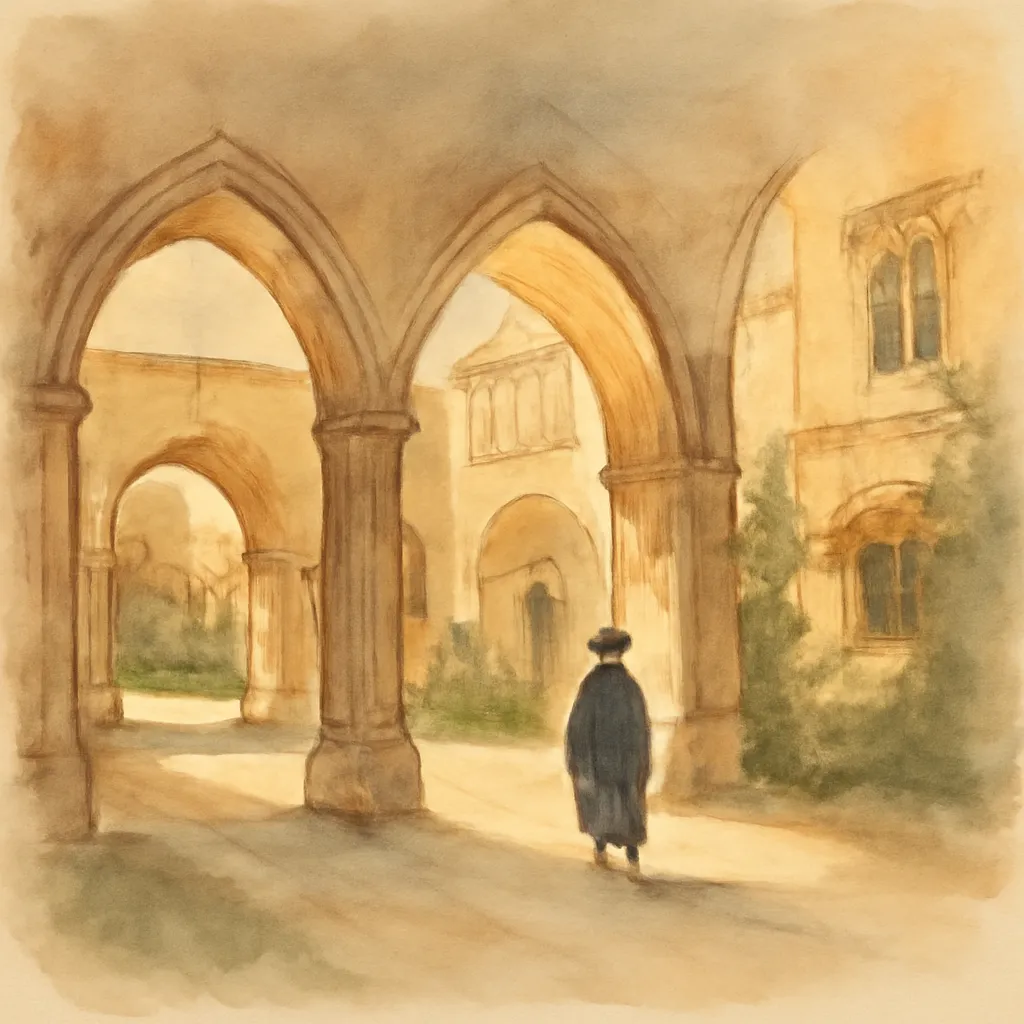
Russell's transition to Oxford marks a significant turning point as he enters a world of academic rigor and intellectual exploration. His initial unfamiliarity with the university contrasts sharply with the vibrant academic culture he soon discovers. The rich traditions and the presence of influential figures, like the Vice-Chancellor Dr. Plumptre, create an atmosphere ripe for personal growth. Russell's decision to pursue a scholarship at University College reflects both ambition and the influence of his Harrow connections. His friendships at Oxford, particularly with those who share a commitment to religious and moral integrity, further enrich his experience. This chapter illustrates how the environment of Oxford not only challenges him intellectually but also fosters a sense of community and belonging.
5.The Duality of Oxford Life
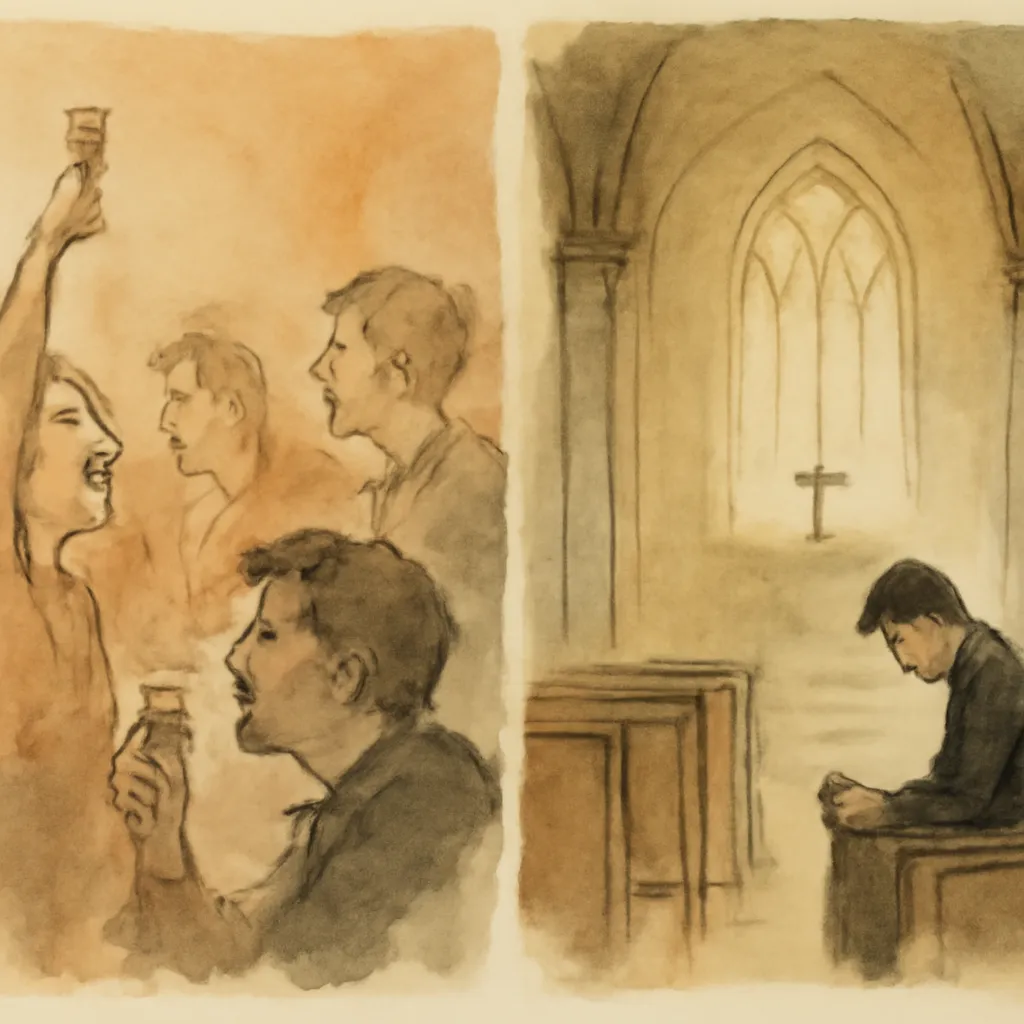
Russell's Oxford experience is characterized by a duality: the joyful indulgence of youth and the weight of moral responsibility. His early friendships, formed within a religious context, provide a sense of purpose and camaraderie. The establishment of the 'Oxford University Church Society' exemplifies his commitment to uniting students from various backgrounds for a common cause. This initiative reflects his desire to blend faith with intellectual inquiry, showcasing a proactive approach to community building. However, Russell also hints at the challenges of navigating differing ideologies within the university, illustrating the complexities of student life. This duality serves as a microcosm of the broader societal tensions he would later encounter in his political career.
6.Home: The Sanctuary of Recovery
After his time at Oxford, Russell faces a health crisis that prompts a period of reflection and recovery. His doctor's advice to embrace idleness becomes a turning point, allowing him to appreciate the comforts of home. He describes his home as an 'earthly Paradise,' steeped in warmth, love, and the moral teachings of his upbringing. This sanctuary becomes a space where he can recuperate and reassess his ambitions. The nostalgia he feels for home underscores its significance in shaping his values and outlook on life. It serves as a reminder of the importance of roots and stability amidst the chaos of societal changes, reinforcing the idea that home is not merely a physical space but a source of emotional and spiritual sustenance.
7.London: The Urban Playground
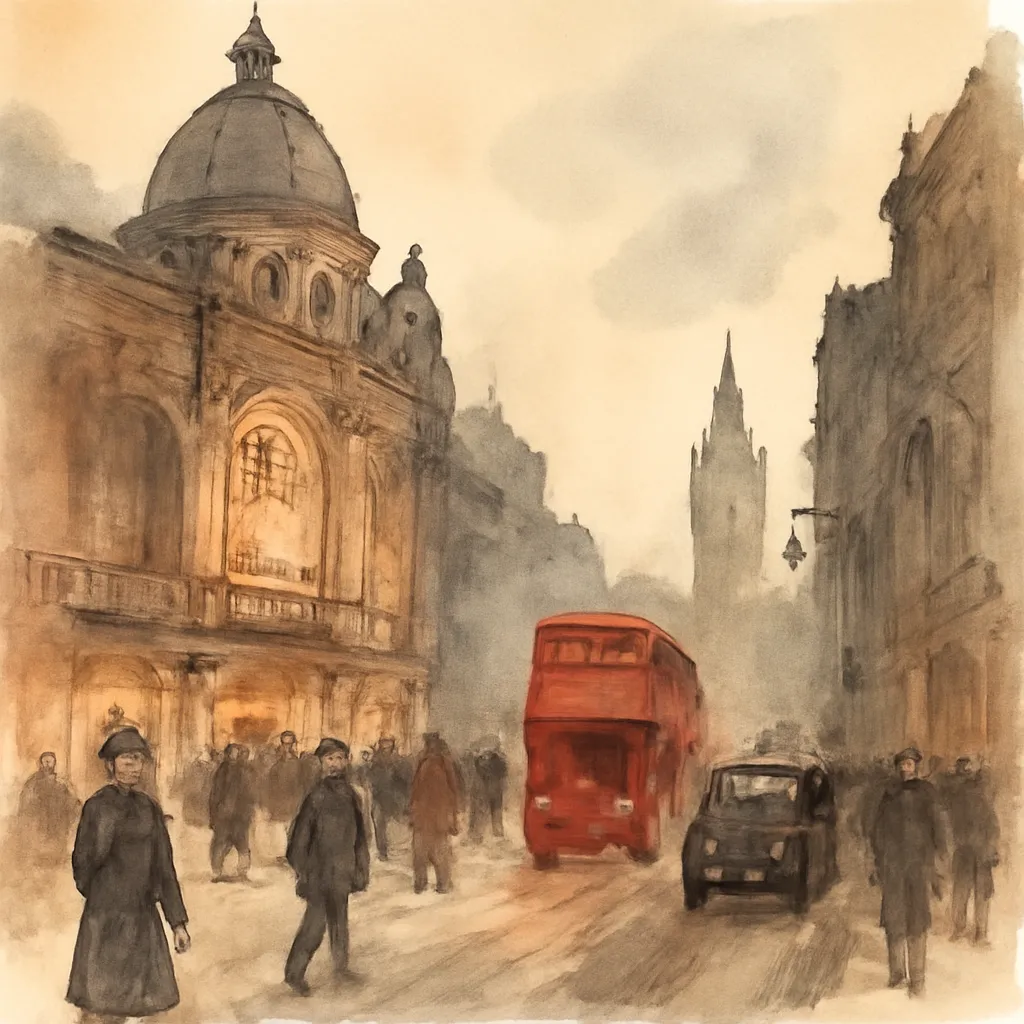
As Russell reintegrates into society, he finds himself drawn to the vibrancy of London. He describes the city as a juxtaposition of beauty and ugliness, reflecting the complexities of urban life. The bustling streets and social engagements provide a stark contrast to his quiet recovery at home. Russell navigates the social landscape with a keen awareness of class and privilege, illustrating the disparities that characterize London life. His observations on the city's development reveal a critical perspective on modernization and its impact on community. This exploration of London serves as a backdrop for his later political endeavors, highlighting the interplay between personal experiences and societal structures.
8.The Art of Hospitality
Russell reflects on the intricacies of social dynamics in London, particularly through the lens of hospitality. He notes the ease with which newcomers can enter social circles, facilitated by the goodwill of established members. This observation reveals the importance of networks and connections in navigating the social landscape. Russell's anecdotes about gatherings and the role of influential figures in shaping social interactions underscore the significance of relationships in his life. He illustrates how hospitality acts as a bridge between different social strata, allowing for the exchange of ideas and experiences. This chapter emphasizes the role of community in personal development, showcasing how social connections can enhance one’s understanding of the world.
9.Political Awakening: The Electioneering Experience
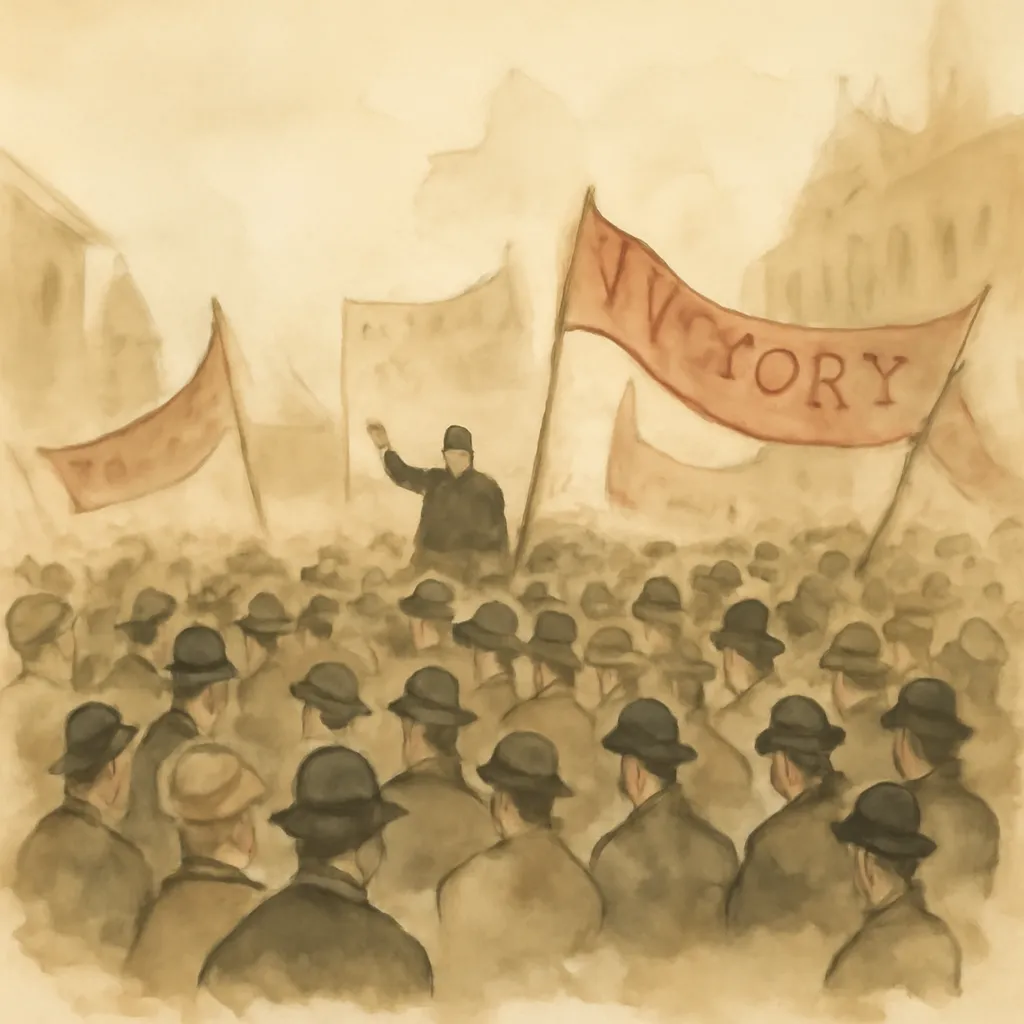
Russell’s foray into politics is marked by the tumultuous landscape of the 1874 General Election, where he witnesses the shifting tides of public opinion and political allegiances. He reflects on the challenges faced by the Liberal party under Gladstone and the subsequent rise of Disraeli, illustrating the complexities of political identity. His observations on the changing sentiments among voters highlight the need for introspection within political movements. Russell’s engagement in electioneering serves as a formative experience, exposing him to the realities of political life and the necessity of authentic representation. This chapter captures the essence of political awakening, revealing how personal convictions and societal dynamics intersect in the realm of governance.
10.Parliament: The Enigmatic Chamber
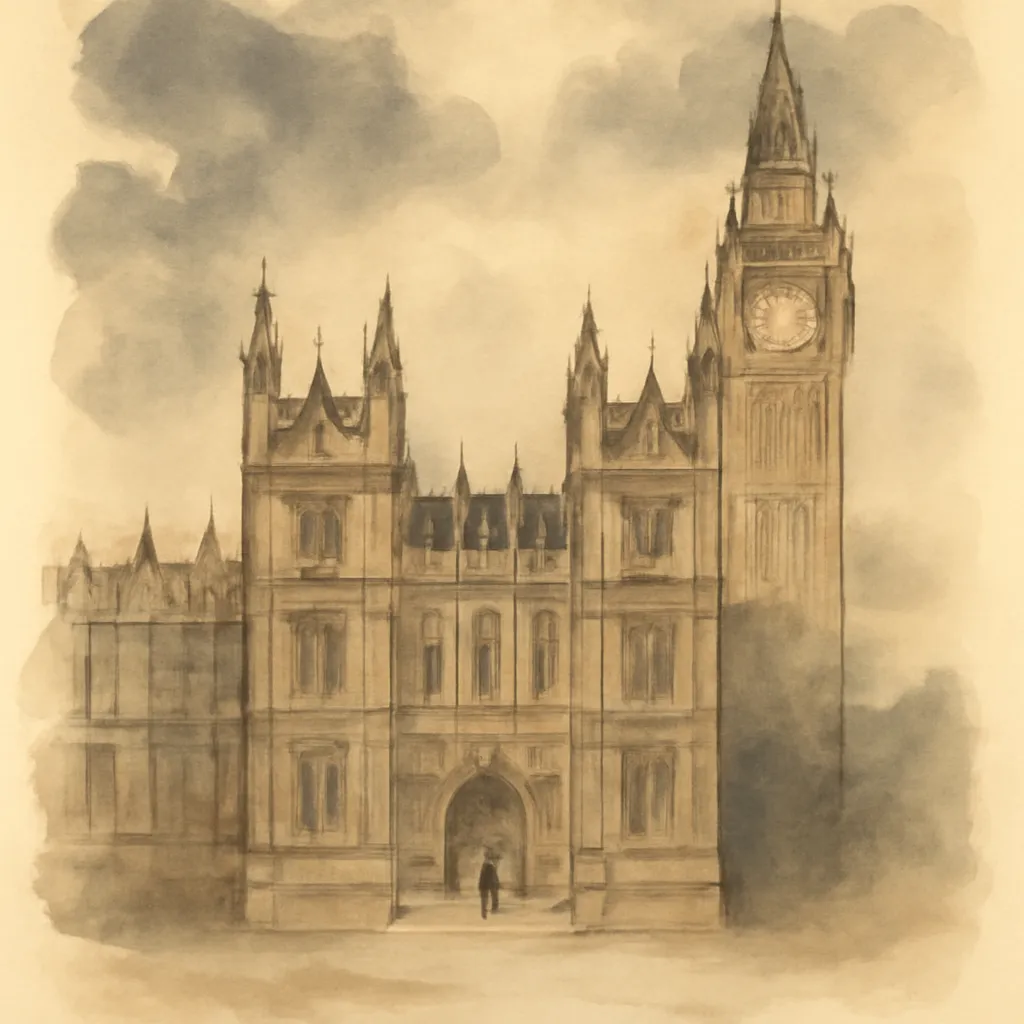
Entering Parliament marks a significant milestone in Russell's life, where he grapples with the complexities of legislative processes and the weight of responsibility that comes with public service. He describes the House of Commons as an enigmatic space, filled with tradition and decorum. Russell's sense of awe upon taking his seat reflects the gravity of political engagement and the legacy of those who came before him. He acknowledges the necessity of understanding the intricacies of parliamentary procedures while also recognizing the emotional weight of representing constituents. This chapter delves into the challenges of balancing personal ideals with the demands of political life, illustrating the transformative nature of public service.
11.The Role of Oratory in Politics
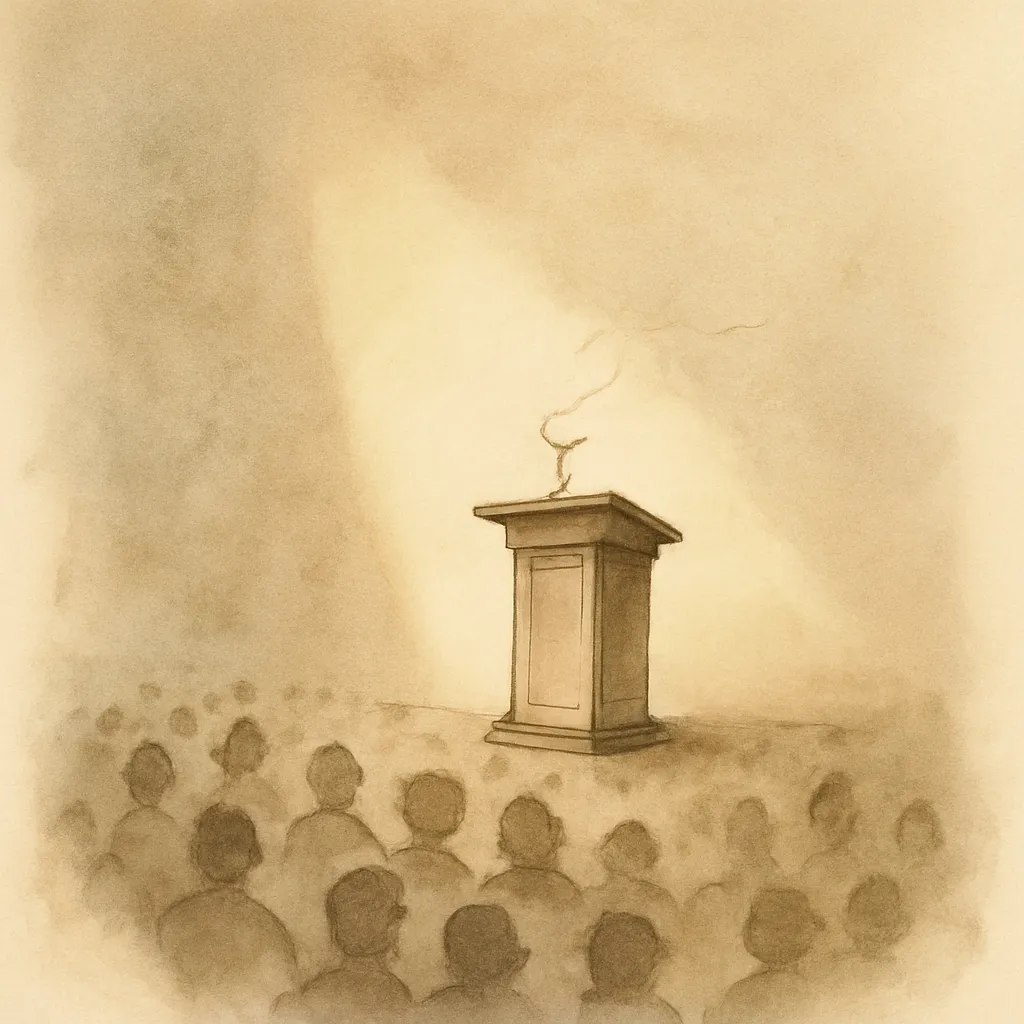
Russell expresses a deep appreciation for the art of oratory, recognizing its power to sway opinions and inspire action. He reflects on the importance of aligning personal beliefs with those of the audience, suggesting that successful public speaking requires a genuine connection with listeners. His admiration for eloquent speakers reveals a desire to embody that same persuasive power. Russell's exploration of oratory underscores its significance in political discourse, emphasizing the need for authenticity and emotional resonance in communication. This chapter serves as a reminder of the enduring impact of words and the responsibility that comes with wielding them in the public sphere.
12.Literature as a Reflection of Society
In his reflections on literature, Russell acknowledges its profound influence on shaping cultural narratives and societal values. He contrasts his early exposure to literature with the contemporary landscape, lamenting the decline of genuine intellectual engagement. Russell critiques the superficiality of modern discourse, emphasizing the need for depth and authenticity in literary pursuits. He draws attention to the role of literature in fostering empathy and understanding, asserting that it serves as a mirror to society’s complexities. This chapter advocates for a return to meaningful literary engagement as a means of cultivating a more informed and compassionate citizenry.
13.Service: A Life of Purpose
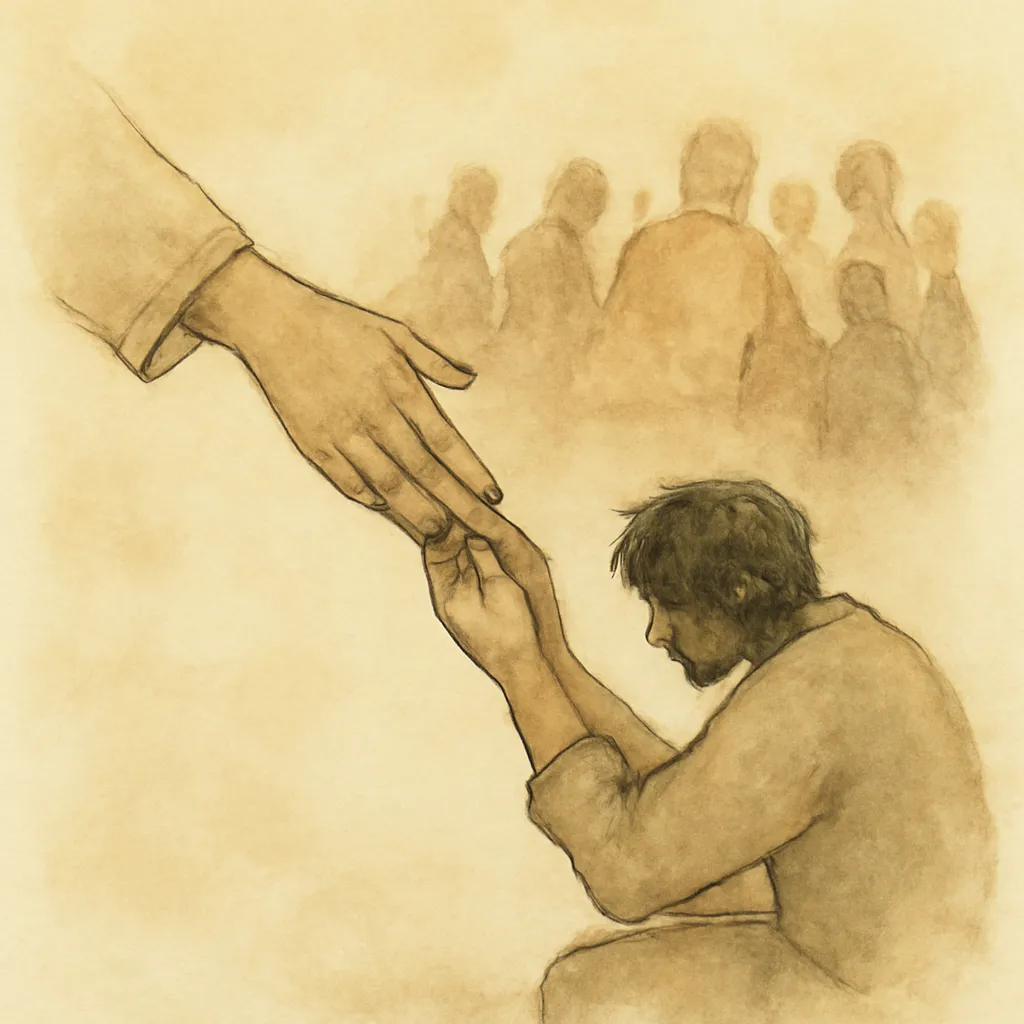
Russell reflects on the concept of service as a guiding principle in his life, rooted in the teachings of his upbringing. He emphasizes the importance of social responsibility and the moral imperative to assist those in need. His experiences of witnessing charitable efforts within his community instill a sense of duty to contribute positively to society. Russell’s advocacy for social service highlights the interconnectedness of individual actions and collective well-being. This chapter serves as a powerful reminder of the potential for personal agency to effect change, encouraging readers to embrace service as a path to fulfillment and purpose.
14.Faith and the Church: A Lifelong Journey
In his final reflections, Russell explores the enduring significance of faith and the Church in his life. He articulates a deep-seated pride in the English Church, viewing it as a vital institution for spiritual and communal identity. His experiences of worship and engagement with the Church's teachings underscore the importance of faith in shaping moral character and guiding personal choices. Russell's commitment to the Church reflects a broader exploration of spirituality and the quest for meaning in an ever-changing world. This conclusion invites readers to consider their own spiritual journeys and the role of faith in navigating life's complexities.