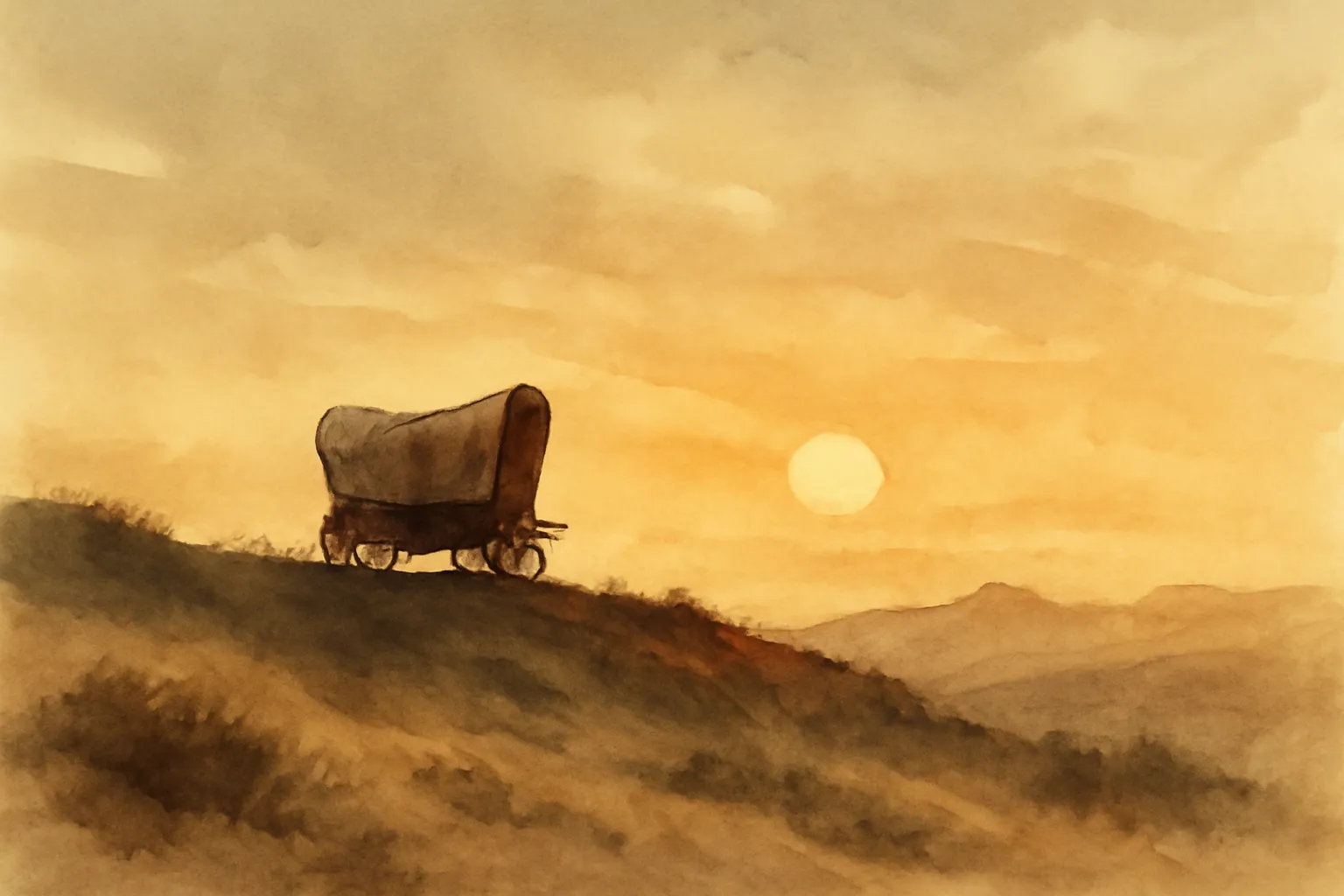
1.The Call of the West: A Young Pioneer’s Journey
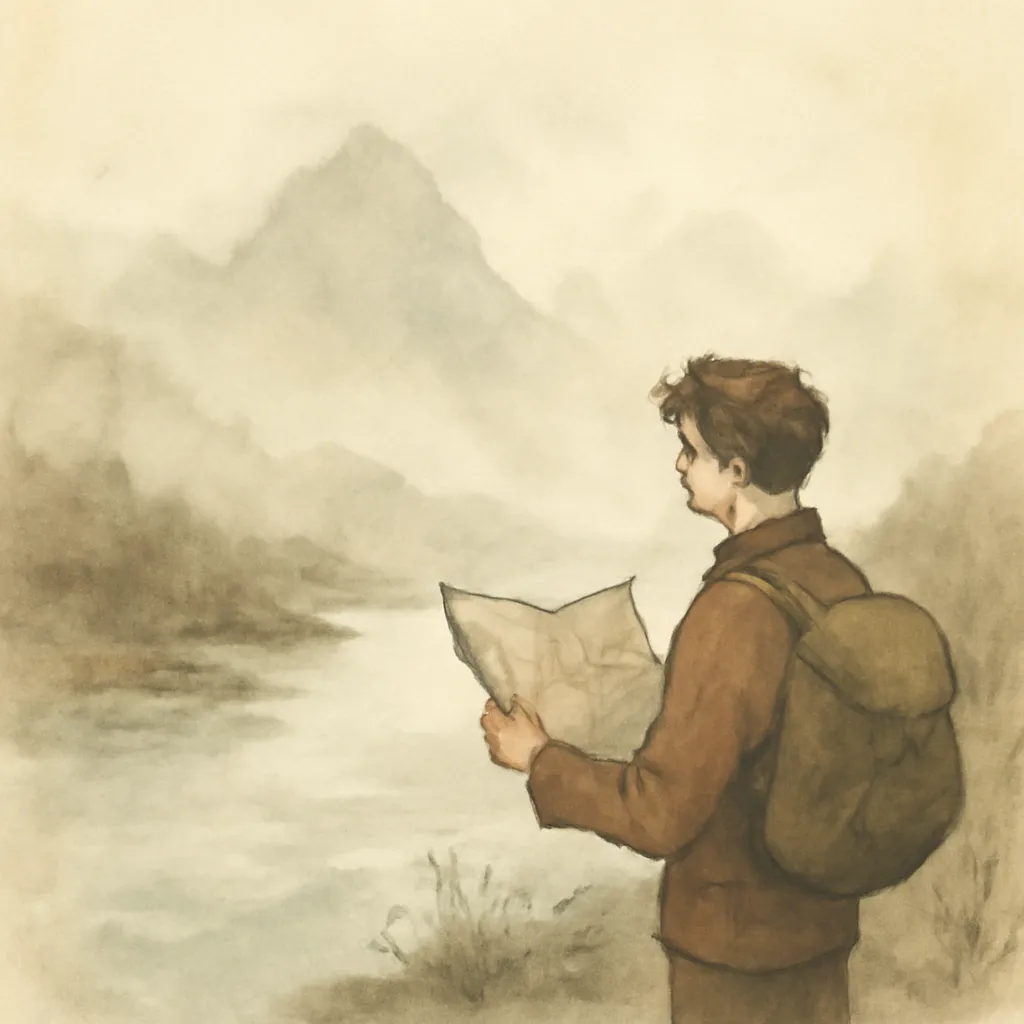
Folsom's voyage to the Northwest commenced when he was just nineteen years old, landing at Prairie du Chien in 1836. His initial experience serves as a microcosm of the broader pioneer journey, characterized by excitement and uncertainty. Here, Folsom masterfully illustrates the emotional landscape of adventure—an eager desire for exploration mixed with the daunting reality of navigating an unknown world. He describes the solitude and trepidation he faced as he embarked on this journey alone, after his companion could not join him due to financial constraints. This transition from the familiar comforts of home to the rugged realities of frontier life marks a significant turning point in his life. Folsom recalls his mother’s poignant advice to respect oneself to earn respect, highlighting how personal values guided him through challenges. His narrative emphasizes that the pioneer experience was not merely about physical travel; it was also about personal growth and the forging of identity in a new world.
2.Frontier Life at Prairie du Chien
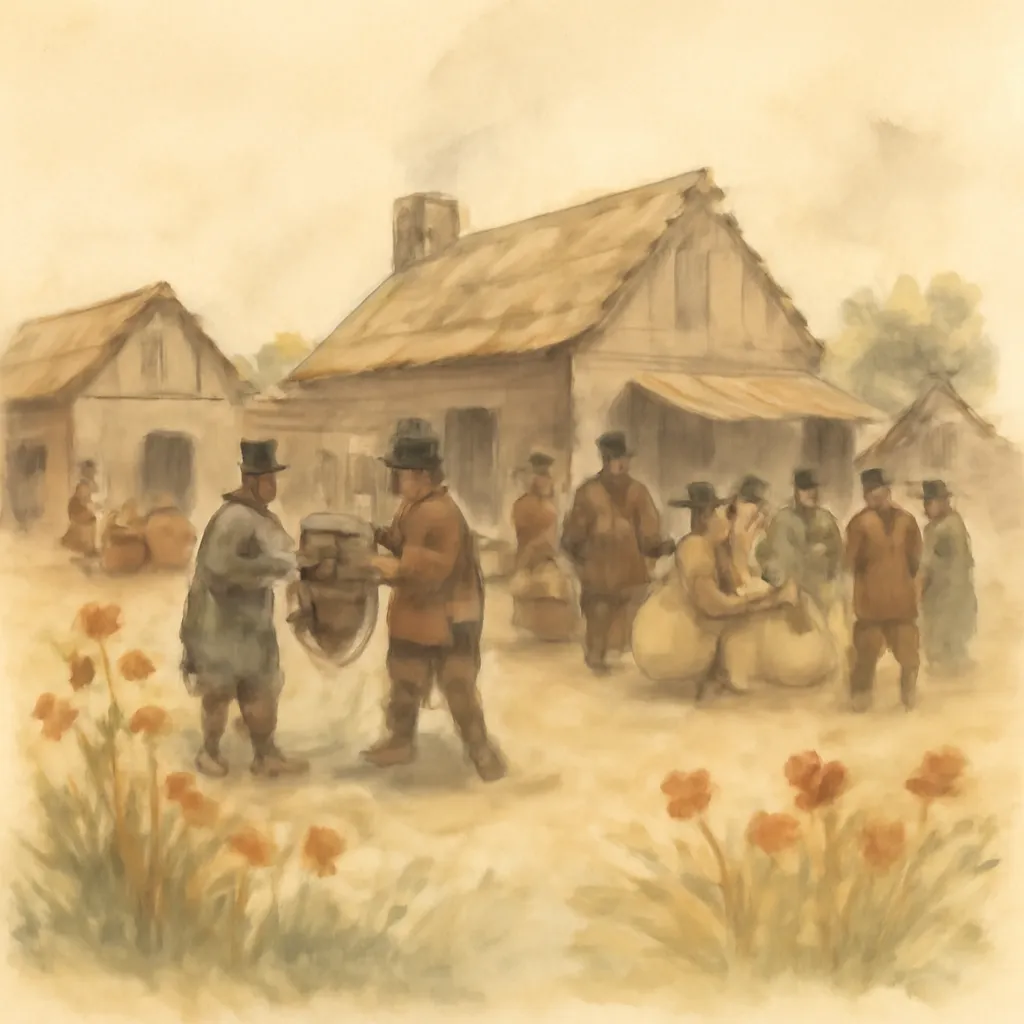
Upon arriving at Prairie du Chien, Folsom was met with a vibrant yet precarious community composed of settlers, soldiers, and Indigenous peoples. He details the early organization of this settlement which, while small, had a significant impact on the broader developments in the region. His accounts of daily life reveal the struggles of establishing order amidst chaos, particularly when it came to justice and governance. Folsom describes early attempts at law enforcement and the formation of a rudimentary judicial system that reflected the settlers' need for security amid ongoing conflicts with Native American tribes. He recounts instances of Indian troubles, showcasing the tension between settlers and Indigenous peoples. These interactions were complex, often marked by misunderstanding and conflict, but they also included moments of trade and cooperation. Folsom's reflections on these dynamics underscore the importance of diplomacy and understanding in the formation of a community, revealing that the foundation of civilization is built on both conflict and collaboration.
3.The Evolution of Stillwater: A Growing Community
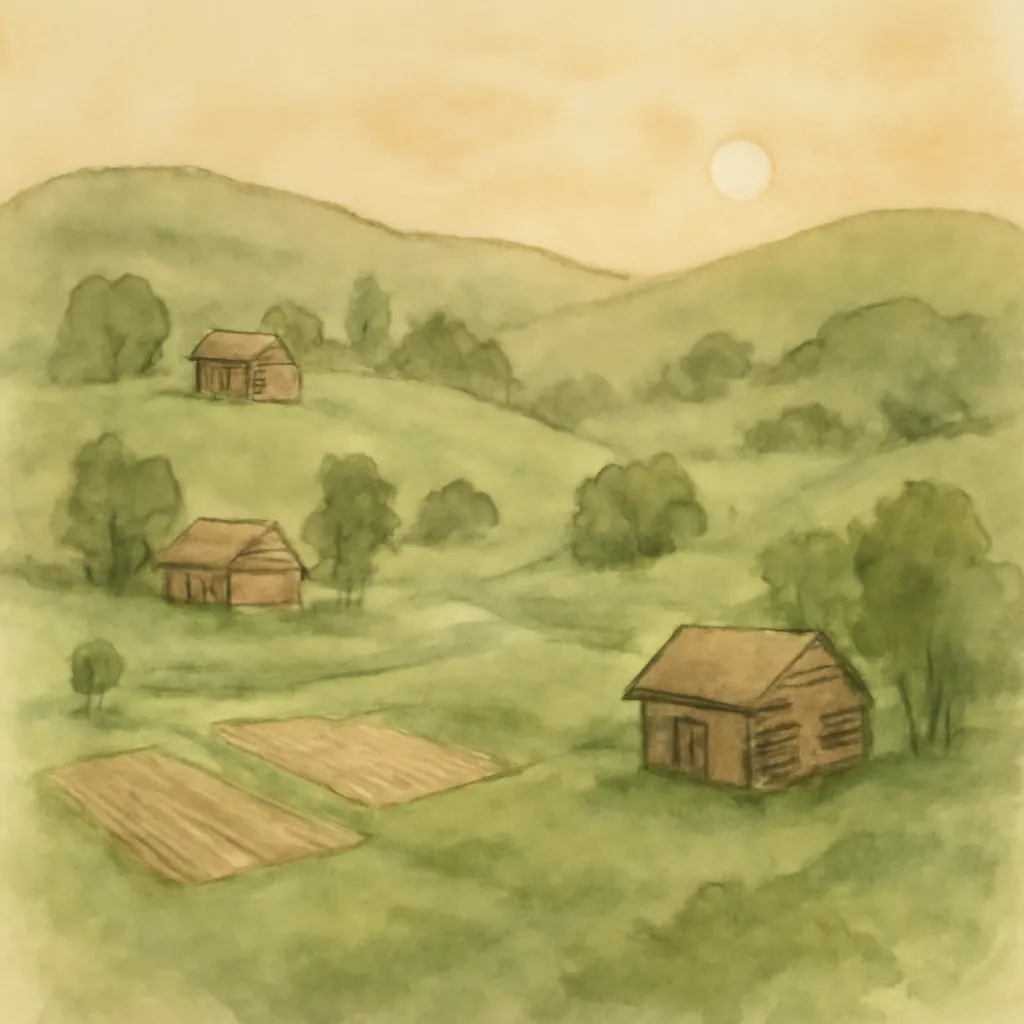
Folsom's relocation to Stillwater in 1844 marks a pivotal chapter in his narrative, showcasing the transformation of a fledgling settlement into a vibrant community. He vividly describes the natural beauty of the surroundings and the initial scarcity of resources, illustrating the rugged charm of frontier life. As settlers arrived, Folsom notes the establishment of vital infrastructures, such as the first sawmill, which not only served practical purposes but also symbolized the ambitions of the community. His narrative captures the spirit of cooperation that characterized these early settlers, as they collaborated to build homes and establish businesses. This section of Folsom's work highlights the significance of local governance and the establishment of social norms, depicting how the people of Stillwater formed a cohesive unit despite their diverse backgrounds. The growth of Stillwater reflects a broader trend of urbanization in the Northwest, emphasizing how communities were built through collective efforts and a shared vision for the future.
4.Pioneer Resilience and Ingenuity
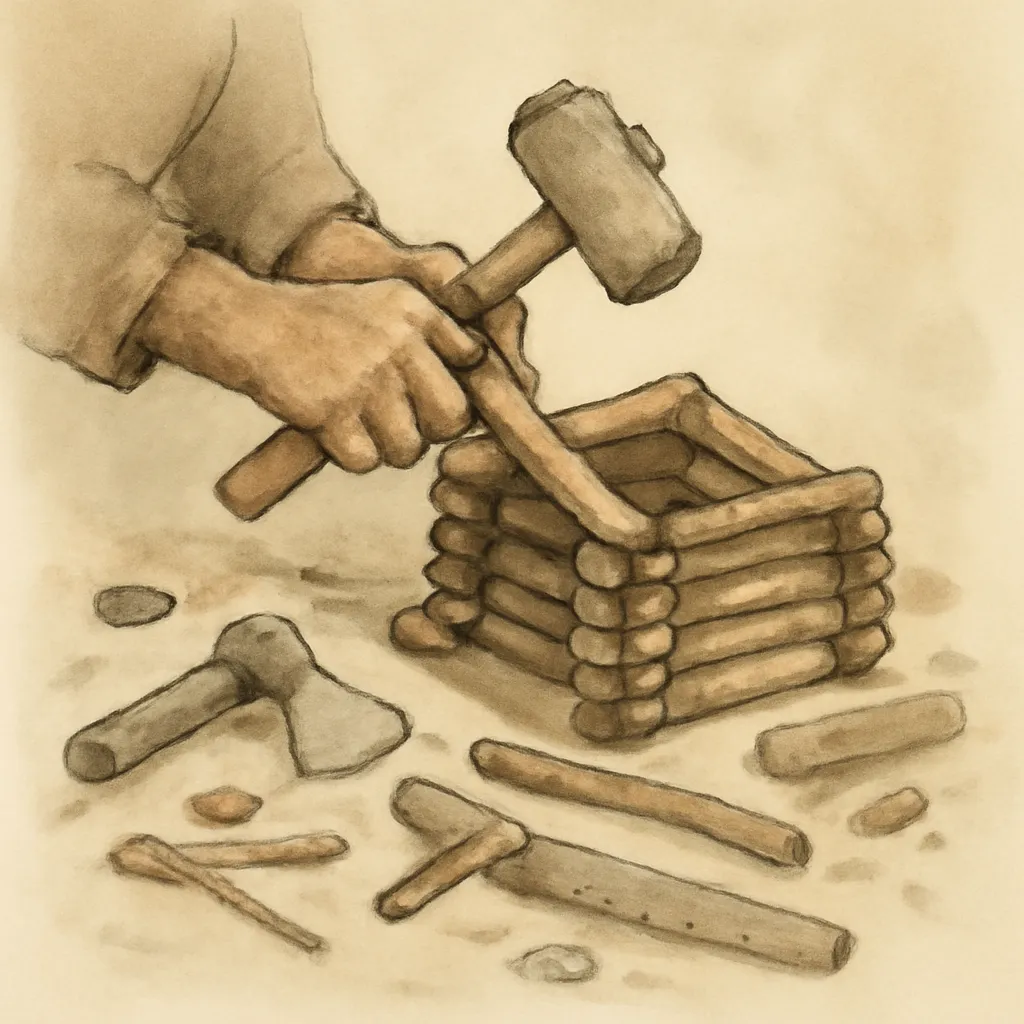
Throughout his account, Folsom emphasizes the resilience and ingenuity of the pioneers, showcasing how they adapted to the harsh realities of frontier life. He recounts various incidents that highlight their resourcefulness, from constructing log cabins to devising new methods of farming that were suited to the terrain. One poignant example involves the collaborative efforts of neighbors who came together to assist one another in building homes, underscoring the importance of community solidarity in overcoming common challenges. Folsom also highlights the settlers’ ingenuity in dealing with the unpredictability of weather, crop failures, and the threat of conflict with Native Americans. Their ability to innovate, whether through new agricultural techniques or by leveraging local resources, reflects a deep commitment to establishing a stable life in a volatile environment. Folsom’s anecdotes serve as reminders of the human capacity to adapt and thrive, illustrating that the pioneer spirit was defined by creativity and perseverance in the face of adversity.
5.The Emergence of Governance and Law
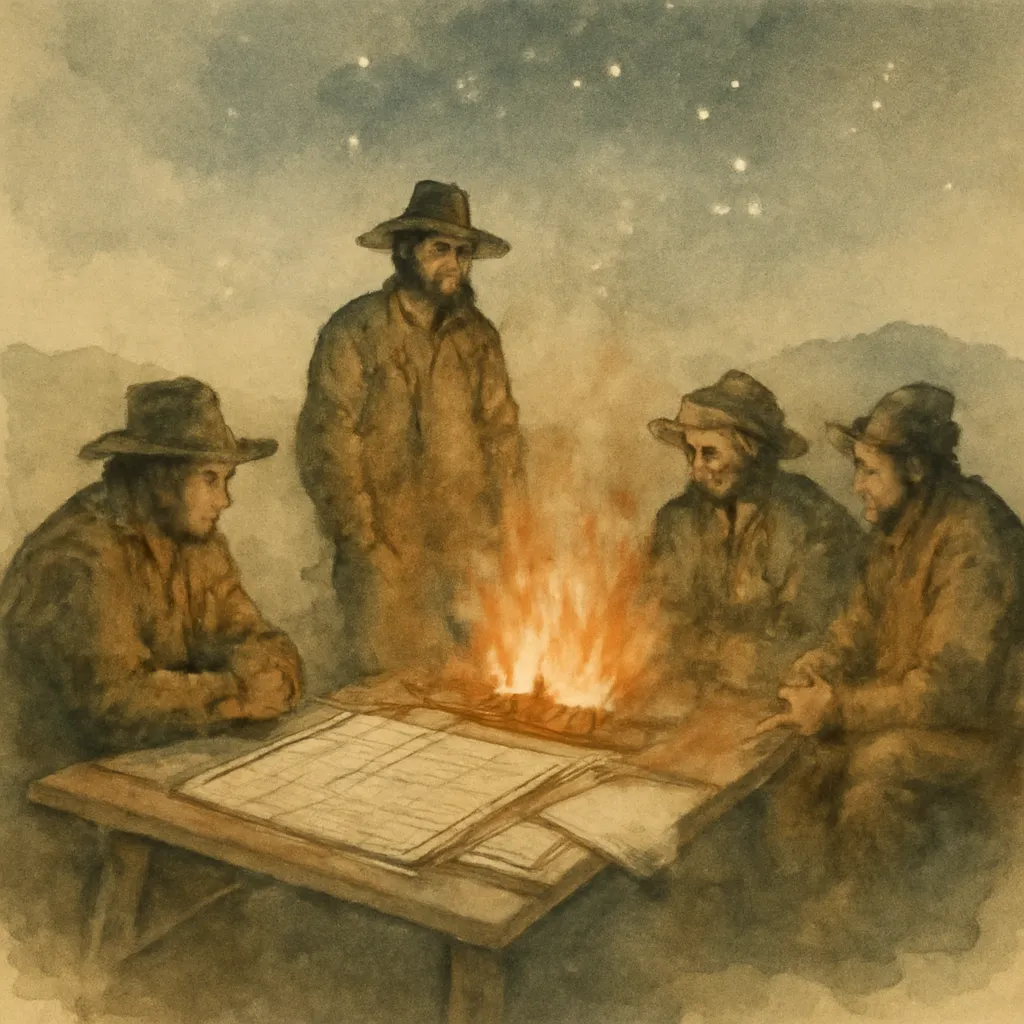
As communities formed, the need for structured governance became increasingly apparent. Folsom documents the establishment of territorial and state governments, marking a significant evolution from the chaotic, lawless frontier to a more organized society. He recalls the initial meetings of local commissioners and the formation of laws, detailing how settlers sought to create a just and orderly environment. This transition was not without its challenges, as Folsom describes the complexities of governance, particularly in relation to Indigenous treaties and rights. The settlers grappled with the dual need for law and order while also navigating the delicate relationships they held with Native tribes. Folsom's reflections on early law enforcement highlight the difficulties faced by settlers in maintaining peace and the often-ambiguous nature of justice during this tumultuous period. The establishment of a legal framework not only facilitated community growth but also laid the groundwork for the eventual statehood of Minnesota.
6.Cultural Diversity: A Tapestry of Peoples
Folsom’s narrative reflects the rich cultural diversity that characterized the Northwest, particularly in areas like St. Croix County. He captures the interactions between settlers of various European backgrounds and Native American tribes, revealing both collaboration and strife. Folsom emphasizes the importance of cultural exchange, illustrating how settlers learned from Native practices, particularly in agriculture and resource management. The complexity of these relationships is evident as he recounts both the peaceful trade and the conflicts that arose from misunderstandings and territorial disputes. He provides insights into the lives and customs of Indigenous peoples, emphasizing their resilience and adaptability in the face of encroaching settlers. This cultural interplay illustrates how the region’s history was shaped by multiple narratives, each contributing to the social fabric of the community. Folsom’s observations serve as a reminder of the need for understanding and empathy in a diverse society, highlighting that the pioneers’ journey was not just about land but also about the relationships forged in the process.
7.Economic Transformation: From Subsistence to Industry
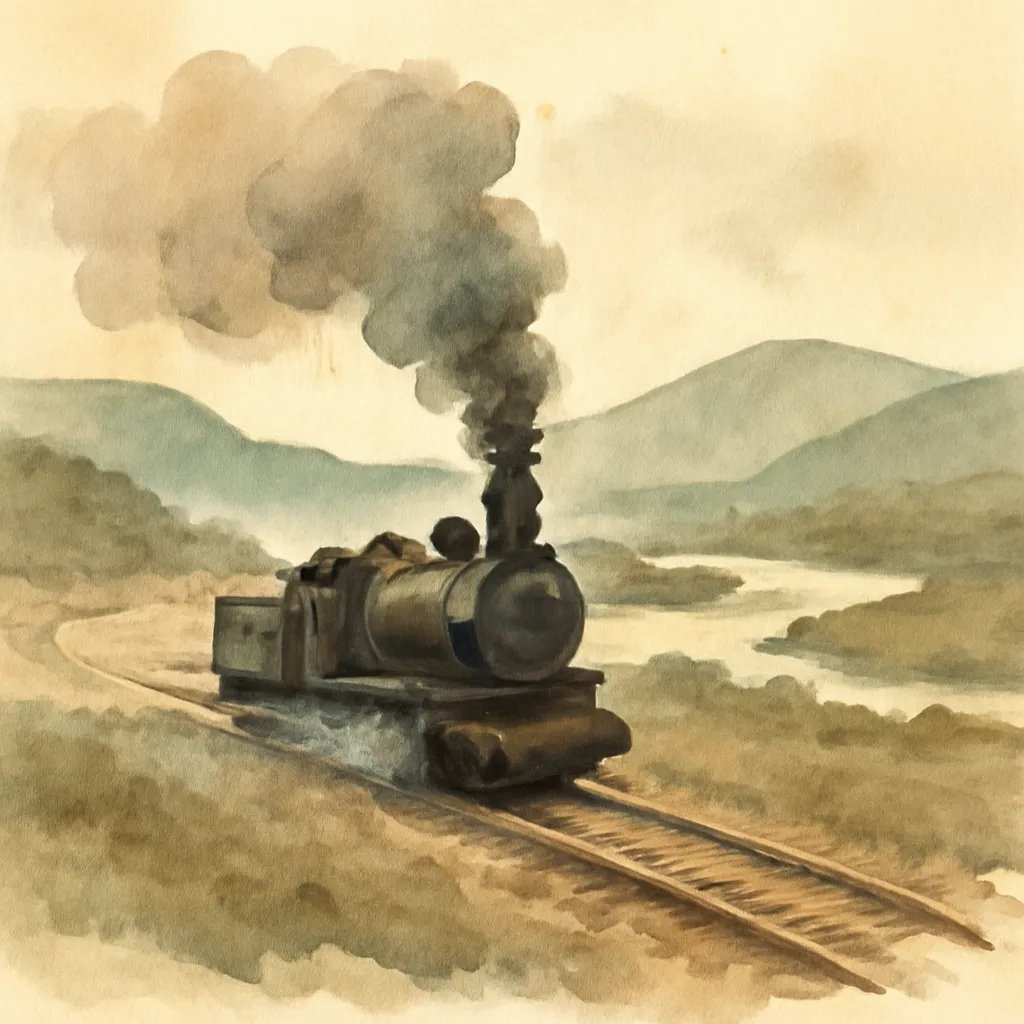
The economic landscape of the Northwest transformed dramatically throughout Folsom’s fifty-year account, moving from subsistence farming to a burgeoning economy characterized by diverse industries. He details the advent of railroads and steamboats, which revolutionized transportation and opened new markets for goods and services. Folsom documents the rise of lumber and agriculture as cornerstones of the local economy, highlighting the entrepreneurial spirit of settlers who capitalized on the region’s natural resources. He recounts stories of individuals who ventured into various businesses, from trading posts to milling operations, showcasing their significant contributions to community development. This economic expansion not only changed the physical landscape but also reshaped social dynamics, as wealth created new social classes and economic opportunities. Folsom’s observations provide a nuanced understanding of how economic growth was intertwined with personal ambition and collective effort, illustrating that prosperity was often rooted in collaboration and shared success.
8.Personal Reflections: The Legacy of a Pioneer

Folsom’s personal reflections throughout 'Fifty Years In The Northwest' add depth to his historical narrative, providing readers with insights into his thoughts and feelings as he navigated the challenges of pioneer life. His storytelling is imbued with a sense of nostalgia and pride, as he recounts both the struggles and triumphs experienced during his lifetime. He emphasizes the importance of recording these histories for future generations, ensuring that the voices and experiences of early settlers are not lost to time. Folsom reflects on the camaraderie and shared values that defined the pioneer community, highlighting the friendships and connections that were forged through adversity. His legacy as an observer and participant in the Northwest’s transformation is significant, as he provides a voice for those who lived through this remarkable period. Through his reflections, Folsom conveys an underlying message about the importance of remembering our past and honoring the resilience of those who came before us.
9.Lessons from the Frontier: Timeless Insights
Folsom's account offers valuable lessons that resonate today, particularly regarding themes of resilience, community, and adaptability. The challenges faced by early settlers underscore the human capacity to endure and thrive in the face of adversity. Folsom’s narrative emphasizes the importance of community support, illustrating how collective efforts can lead to significant progress. Additionally, the complexities of cultural interactions remind readers of the necessity of empathy and understanding in a diverse society. As modern readers engage with Folsom’s story, they are encouraged to reflect on their own experiences and the historical parallels that exist within their lives. The lessons drawn from Folsom’s observations are timeless, emphasizing that the spirit of resilience and cooperation remains crucial in navigating contemporary challenges. Ultimately, his work is a call to honor the past while inspiring future generations to cultivate the same pioneering spirit.