1.The Divine Dialogue of St. Augustine
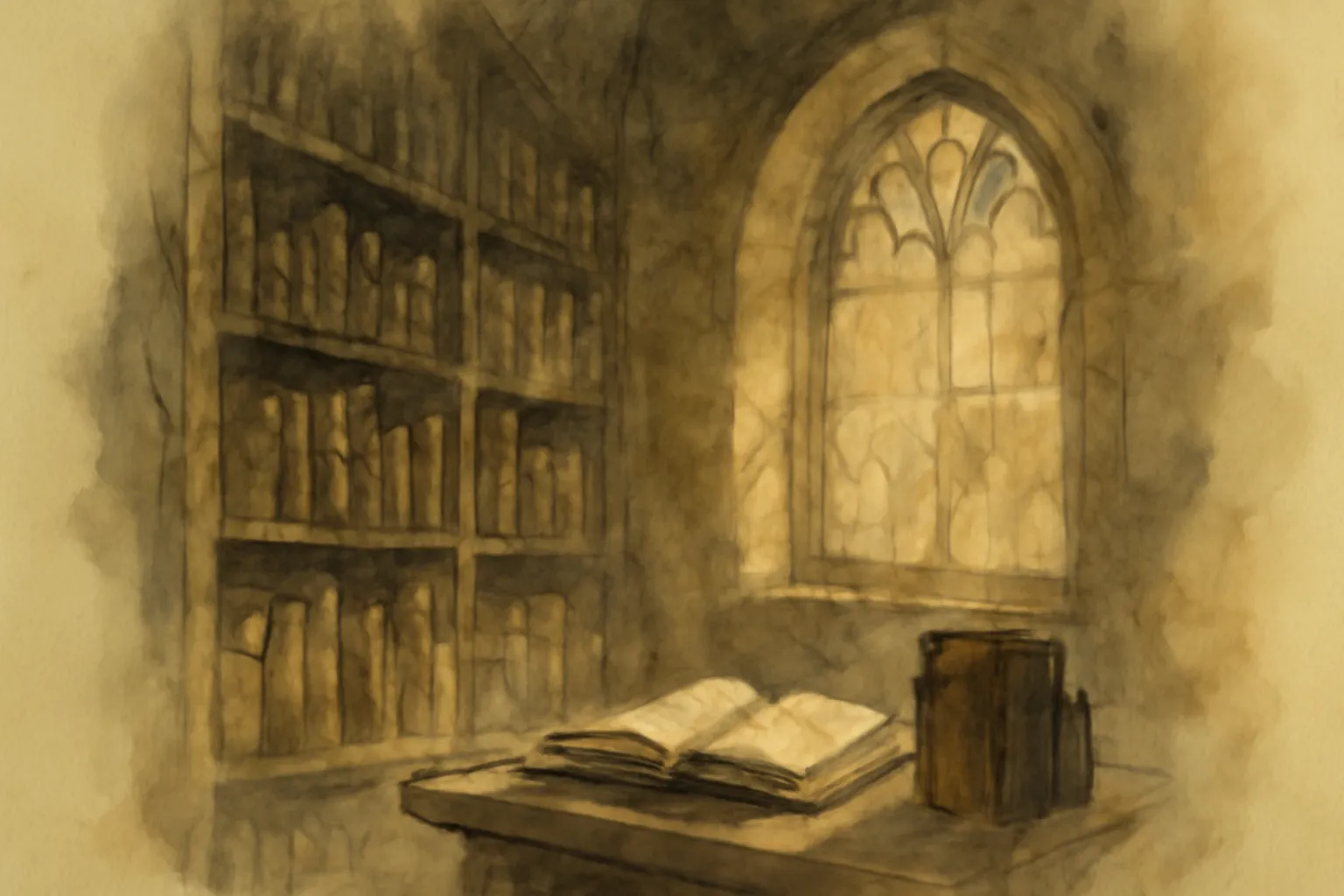
St. Augustine's 'Confessions' stands as the first autobiography, notable for its direct address to God, which sets it apart from later works. This unique structure transforms the narrative into a spiritual journey that serves as both introspection and supplication. Augustine’s reflections on sin, grace, and redemption highlight the complexity of human existence and the quest for divine understanding. He articulates a profound inner conflict, revealing how self-awareness can lead to both enlightenment and turmoil—his search for truth unfolds amidst the chaos of his past sins. This dialogue with God serves as a penance, a means of grappling with his past while seeking forgiveness and clarity. Augustine's work establishes a precedent for future autobiographies, blending personal narrative with theological exploration, encouraging readers to view their own lives as part of a larger spiritual narrative.
2.Rousseau's Defiant Self-Consciousness
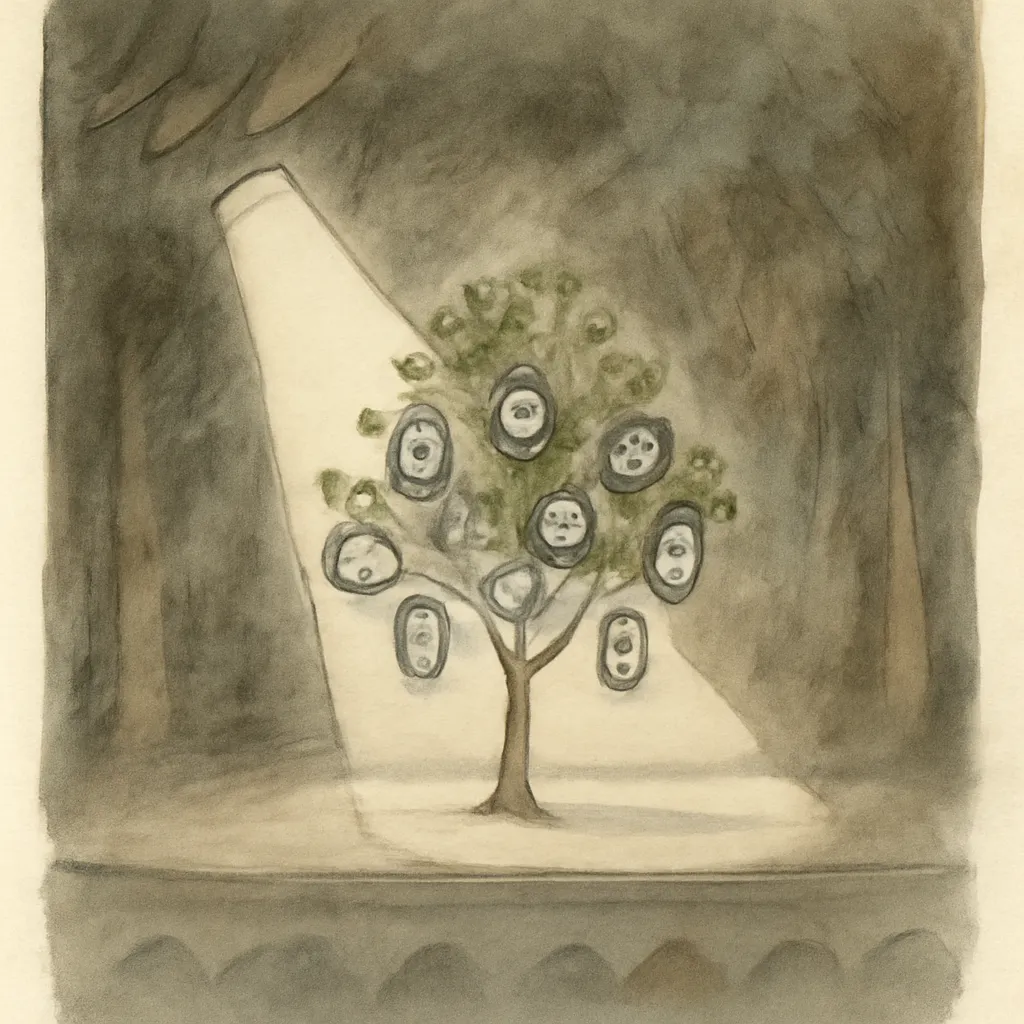
Jean-Jacques Rousseau's autobiographical writings exemplify a deep-seated anxiety about societal judgment. He perceived the world as a stage, where every passerby scrutinized him with critical eyes, complicating his self-expression. This constant pressure fueled his desire to articulate his inner thoughts, not necessarily to justify his actions but to alleviate the burden of others' perceptions. Rousseau's 'Confessions' reflect this struggle, as he lays bare his vulnerabilities, contradictions, and moral dilemmas. His narrative is both a confession and a defense, inviting readers to empathize with his plight and recognize the universal tension between individuality and social expectation. Through his candidness, Rousseau illustrates how self-exposure can be both liberating and terrifying, highlighting the intrinsic human desire to be understood while confronting the fears of judgment and alienation.
3.Cellini's Trumpeting Voices
Benvenuto Cellini's autobiography is a vivid account of an artist's life marked by vibrant creativity and personal triumphs. He writes not merely for self-reflection but to convey the grandeur of his experiences, aiming to impress upon the reader the significance of his achievements. Cellini's narrative is infused with an almost theatrical flair, as he recounts his exploits with pride and a sense of vindication. His work serves as a testament to the artist's need for recognition and validation, revealing the interplay between creativity and ego. Through his vibrant storytelling, Cellini captures the essence of Renaissance ambition and the relentless pursuit of excellence. His life is portrayed as a series of dramatic episodes that not only illustrate his artistic prowess but also his turbulent personality, showcasing how the artist must navigate the duality of creation and self-affirmation. Ultimately, Cellini's autobiography reflects the human desire for immortality through one's work, an aspiration to be remembered beyond death.
4.Casanova: A Life of Passion and Adventure
Giacomo Casanova's memoirs are often dismissed as mere tales of seduction; however, they are rich in cultural and historical significance. His writings provide an intimate glimpse into 18th-century European society, offering insights into its politics, arts, and social dynamics. Casanova's life was characterized by a passionate embrace of existence, where every experience was an opportunity for exploration—adventure was a currency he spent liberally. He approached life with curiosity, and his memoirs reflect this zest for living, allowing readers to experience the vibrant tapestry of his encounters. By recounting his interactions with prominent figures like Voltaire and Rousseau, Casanova weaves a narrative that transcends personal biography, becoming a chronicle of an era. His work invites readers to consider the broader implications of their personal histories, blending intimate details with universal themes. Through Casanova, we see the interplay of desire, intellect, and the art of storytelling, demonstrating how personal narratives can illuminate the complexities of human relationships and societal norms.
5.The Accidental Artistry of Charles Lamb
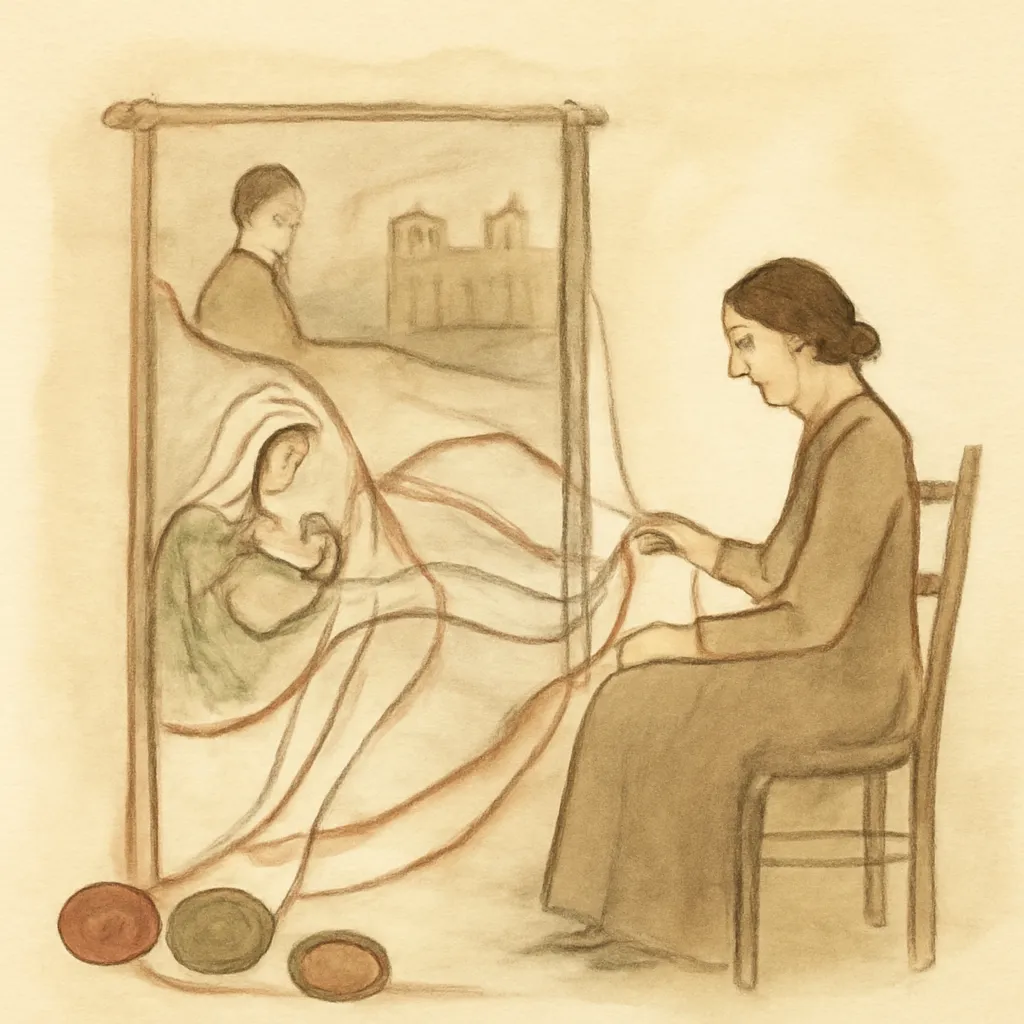
Charles Lamb's literary journey was marked by a serendipitous approach to writing, where his finest works emerged from casual reflections rather than deliberate efforts. Lamb's essays, particularly those under the pseudonym Elia, reveal a deep love for the familiar and the nostalgic. His writing is characterized by an exploration of memory, where he often dwells on the past and infuses his prose with a sense of wonder and appreciation for life's simple pleasures. Lamb possesses a remarkable ability to capture the essence of human experience, with its joys and sorrows, making his writing resonate on a profound level. The charm of his essays lies in their conversational tone and introspective quality, which invites readers into his world of thoughts and recollections. Through his reflections, Lamb offers insights into the human condition, celebrating the beauty found within the ordinary. His works exemplify how the accidental can lead to artistry, emphasizing the spontaneity of creativity, and inviting readers to reflect on their lives and the stories that shape them.
6.The Religion of Letters

Lamb's relationship with religion is intertwined with his identity as a man of letters. He expresses a preference for the sentiment of religion over dogmatic belief, finding spirituality in literature and human connections. This perspective highlights the role of art and literature as vehicles for exploring profound truths, allowing for a more personal interpretation of faith. Lamb's essays reveal a deep appreciation for the beauty of existence, suggesting that the act of writing itself can be a form of worship. He often contemplates the natural world and human relationships as reflections of divine grace, suggesting that everyday experiences hold spiritual significance. This interplay between faith and creativity invites readers to consider the spiritual dimensions of their own artistic pursuits. Lamb's belief in the intrinsic value of literature as a means of connecting with something greater underscores the importance of the written word in our quest for understanding and meaning.
7.The Complexity of Lamb's Genius
Lamb's writing is a testament to the complexity of his character, marked by both brilliance and eccentricity. His prose is imbued with a sense of spontaneity, often reflecting a desultory thought process that meanders through ideas and emotions. This unpredictability is a hallmark of his genius, allowing for a rich tapestry of insights to emerge. Lamb's letters and essays embody a unique blend of wit, insight, and vulnerability, making his work deeply engaging and relatable. His struggles with mental health and personal challenges add layers to his narrative, revealing the human experience behind the art. By embracing his flaws and idiosyncrasies, Lamb invites readers to appreciate the beauty found in imperfection, demonstrating that true artistry often arises from the chaos of life. His ability to articulate the complexities of the human spirit reminds us that vulnerability can be a source of strength and connection.
8.Casanova's Intellectual Pursuits in Retirement
In his later years at Dux, Casanova continued to engage with the world through writing, producing a diverse array of manuscripts that reflect his insatiable curiosity. His intellectual endeavors ranged from philosophical dialogues to treatises on mathematics, showcasing a mind that remained active and vibrant despite physical limitations. Writing became a means of combating melancholy, allowing him to channel his passions into creative expression. This period of prolific output reveals Casanova's belief in the power of words to transcend personal struggles and connect with broader ideas. His commitment to documenting his life and thoughts underscores the significance of autobiography as a form of self-exploration and legacy-building. Through his writings, Casanova offers a model of how to embrace life's complexities while remaining true to one's intellectual spirit, reminding us that the pursuit of knowledge and creativity can provide solace and fulfillment even in the face of adversity.
9.The Art of Biography as a Reflection of Life
Symons argues that biography serves not only to document lives but also to illuminate the intricacies of human experience. The lives of figures like Donne and others demonstrate how personal narratives intertwine with historical contexts, creating a rich tapestry of meaning that engages readers on multiple levels. Biography as a literary form allows for exploration beyond mere facts, delving into the emotional and philosophical dimensions of existence. Symons highlights the artistry involved in crafting a biography that resonates with readers, emphasizing the need for empathy and understanding in capturing the essence of a life. This perspective encourages readers to appreciate the stories behind the stories, recognizing the shared humanity that connects us all. Through the lens of biography, we can reflect on our own lives and the narratives we construct, forging deeper connections with both the past and the present.
10.The Legacy of Autobiographical Literature
The works examined in 'Figures of Several Centuries' collectively illustrate the enduring power of autobiographical writing. These narratives invite readers to engage with the complexities of identity, memory, and the human experience, allowing for a deeper understanding of oneself and others. Autobiography serves as a bridge between the past and present, enabling individuals to confront their histories while seeking understanding and connection. The legacies of figures like Augustine, Rousseau, Cellini, Casanova, and Lamb remind us that storytelling is a fundamental aspect of being human. Their lives are filled with triumphs and tribulations, offering valuable insights into the universal struggles of existence. By exploring these autobiographies, readers are encouraged to reflect on their own stories and the ways in which they navigate the world, fostering a sense of shared experience and collective identity that transcends time and culture.