1.The Intersection of Science and Adventure
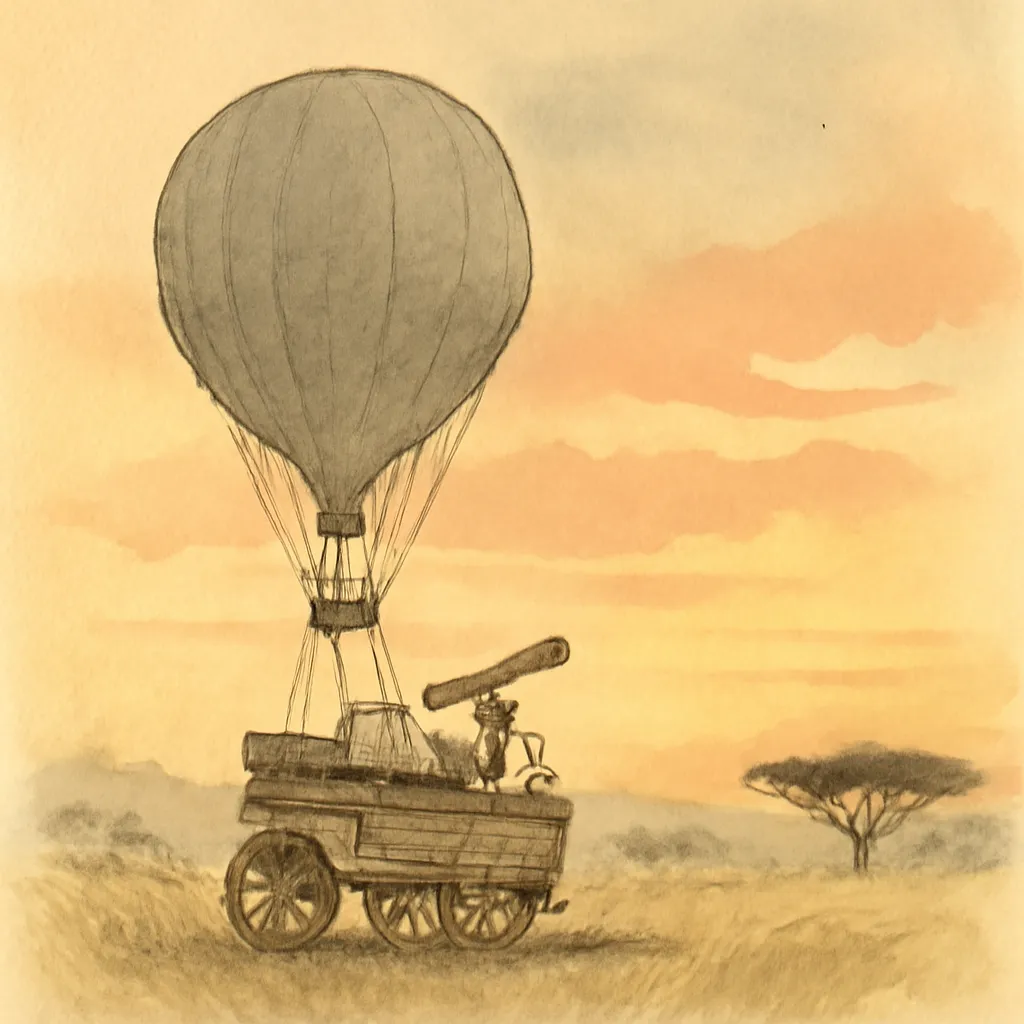
Dr. Samuel Ferguson's balloon expedition embodies the melding of scientific inquiry and adventurous spirit typical of the 19th century. Verne meticulously describes the principles of ballooning, including hydrogen's properties and the calculations necessary for a successful flight. Ferguson explains how he can manage altitude through a system of ballast and valves, enthralling his companions and readers alike. This grounding in scientific fact serves a dual purpose: it lends credibility to the narrative while demonstrating the era's fascination with technological advancements. Ferguson’s confidence in his calculations emphasizes the prevailing belief in human ingenuity and the capacity to overcome natural barriers. For instance, he provides detailed accounts of the combustion process that generates steam for propulsion, reinforcing the message that exploration is as much about intellectual rigor as it is about courage and daring.
2.Satirizing Exploration Narratives
Verne's narrative functions as a poignant satire of the sensationalized travel accounts popular in his time. By exaggerating the exploits and encounters of Ferguson and his companions, he critiques the tendency of real explorers to embellish their stories for fame. The humor in their misadventures, such as mistaken identities or encounters with curious natives, reflects the absurdity inherent in the pursuit of glory through exploration. This satirical lens encourages readers to question the authenticity of travel narratives and the motives behind them. For example, the locals’ initial reverence for the balloon as a divine object underlines the cultural misunderstandings prevalent in exploration, highlighting how explorers often viewed foreign cultures through a lens of condescension and ignorance. Verne’s playful critique of these themes serves to illuminate the tension between genuine discovery and the performative aspects of exploration.
3.Friendship as the Core of the Journey
The bond between Dr. Ferguson, Dick Kennedy, and Joe underscores the importance of camaraderie in facing the trials of exploration. Each character brings a unique perspective: Ferguson as the visionary leader, Kennedy as the hesitant realist, and Joe as the optimistic servant. Their interactions reveal the dynamics of friendship, showcasing how differing viewpoints can enhance the overall experience of an adventure. For instance, while Kennedy frequently questions the viability of their journey, Joe’s steadfast faith in Ferguson's plans provides a counterbalance that fosters resilience. This nuanced portrayal of friendship highlights that exploration is not just a solo endeavor but rather a collaborative effort that thrives on trust and support. Verne illustrates how the trio’s mutual encouragement enables them to confront various challenges, reinforcing the idea that human connections are vital for overcoming adversity.
4.Geographical Accuracy and Educational Value
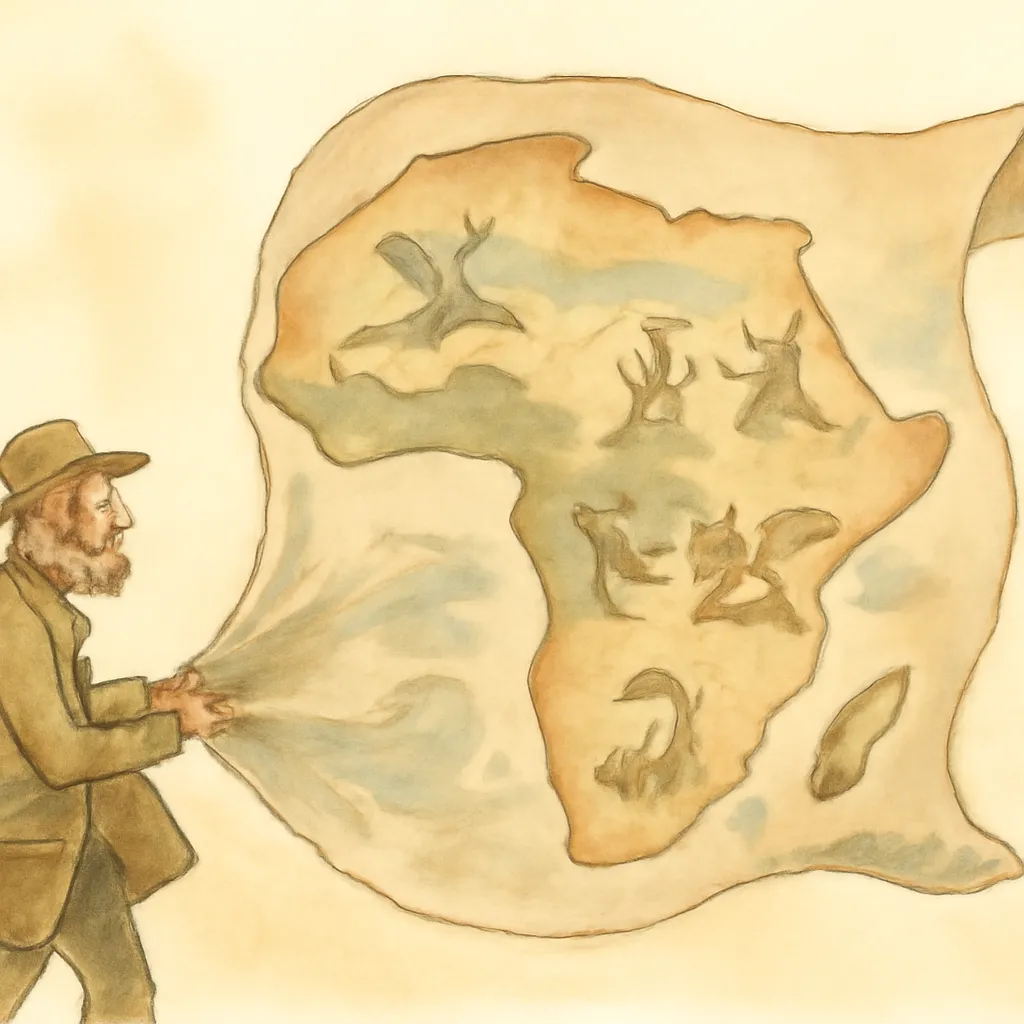
Verne's commitment to geographical accuracy enriches the narrative and enhances reader engagement with real-world contexts. The novel serves as an educational tool, providing insights into Africa's geography, wildlife, and the historical context of exploration. By incorporating references to actual explorers and their contributions, such as Dr. Barth and Livingstone, Verne situates his fictional adventure within the broader framework of historical discovery. This blending of fact and fiction invites readers to appreciate the complexities of African geography while also entertaining them with imaginative scenarios. For example, the characters discuss the significance of various expeditions, offering readers a glimpse into the challenges faced by real explorers. This approach not only educates but also instills a sense of wonder about the natural world and the human spirit's capability to explore it.
5.Nature's Unpredictability and Its Lessons
The travelers' journey through Africa is marked by the unpredictable forces of nature that complicate their plans and test their resilience. Verne vividly illustrates how the balloon navigates various weather conditions, emphasizing the duality of nature as both a source of beauty and danger. For instance, when they encounter storms, Ferguson's calmness contrasts sharply with his companions' anxiety, highlighting the need for composure amid chaos. This theme resonates deeply, serving as a metaphor for life’s inherent uncertainties. The characters' ability to adapt to shifting circumstances reinforces the idea that exploration requires not only courage but also flexibility and resourcefulness. Verne's depiction of nature's capriciousness reminds readers of humanity's vulnerability and the importance of respecting the natural world.
6.Cultural Encounters and Misinterpretations
The interactions between the travelers and various African tribes underscore the complexities and misunderstandings that arise during cross-cultural encounters. Verne portrays these interactions with both humor and sensitivity, reflecting the curiosity and misperceptions that characterize such exchanges. For example, the initial awe of the locals witnessing the balloon provides a poignant commentary on the potential for misunderstanding in cross-cultural contexts. These moments highlight the challenges explorers face when navigating foreign cultures and the importance of approaching such encounters with humility and respect. Verne's nuanced portrayal of indigenous peoples counteracts the often simplistic or prejudiced views held by Western explorers, encouraging readers to appreciate the richness of African cultures and the need for accurate representation.
7.The Quest for Knowledge and Enlightenment
At the heart of 'Five Weeks in a Balloon' lies a celebration of the quest for knowledge and the spirit of enlightenment that drives exploration. The characters' journey symbolizes humanity's inherent desire to learn and discover the unknown. Verne captures this pursuit beautifully, illustrating how the travelers' experiences lead to personal and collective growth. Through their encounters with diverse landscapes and cultures, they gain insights not only about Africa but also about themselves. This theme resonates deeply with readers, inspiring them to embrace their own quests for knowledge and understanding. Verne's portrayal of exploration as a means of enlightenment encourages readers to pursue their curiosities and recognize the value of continuous learning.
8.Technology's Role in Exploration
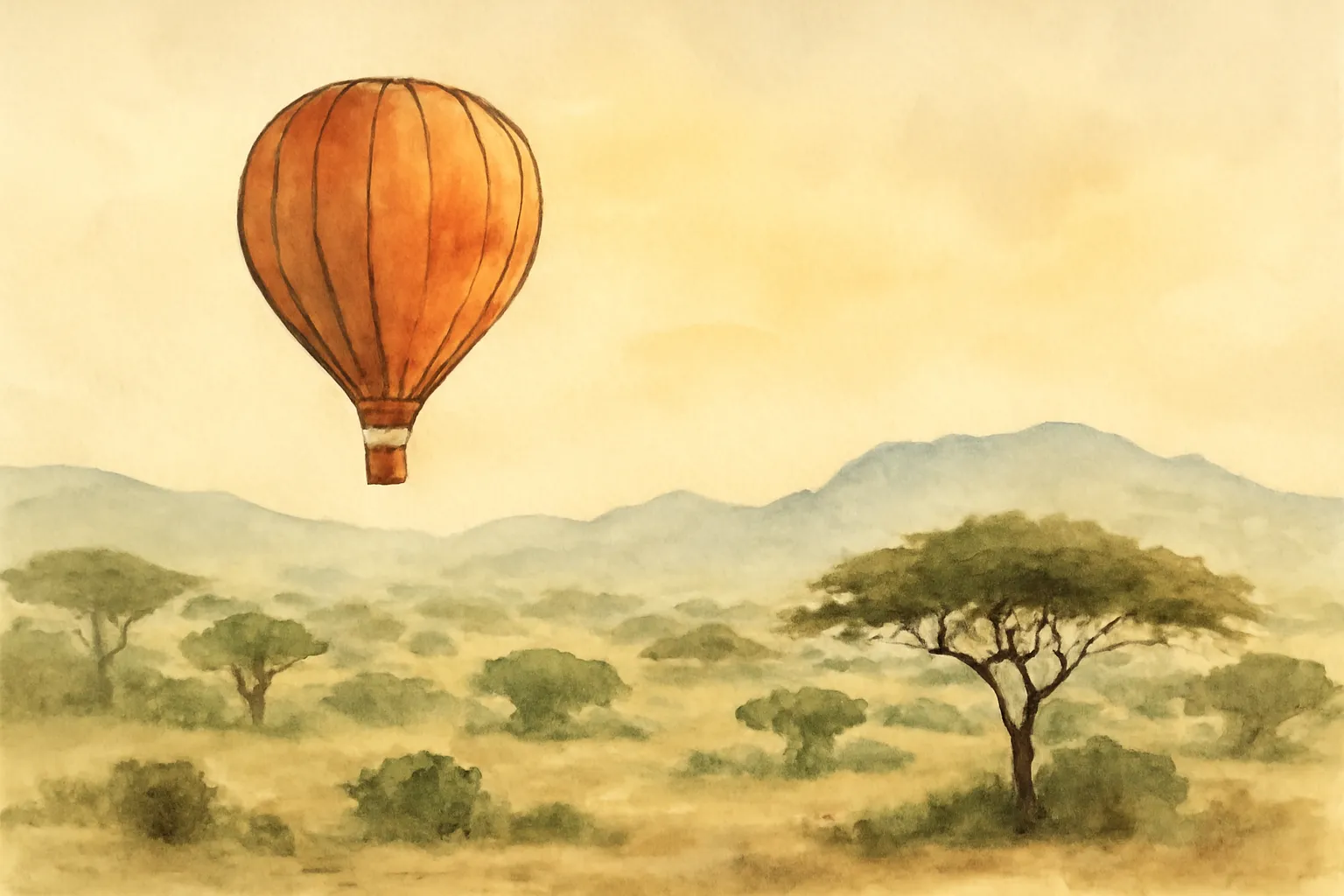
The use of the balloon signifies the pivotal role of technology in the age of exploration. Verne highlights the balloon as a technological marvel that enables the characters to traverse vast distances and access remote areas of Africa. This representation of technology reflects the optimism of the era regarding human ingenuity and scientific progress. Ferguson’s meticulous designs and calculations showcase the possibilities technology affords to explorers, emphasizing that such advancements can facilitate unprecedented journeys. However, Verne also illustrates the risks associated with reliance on technology, as the balloon's performance is subject to the whims of weather. Through this duality, Verne invites readers to reflect on the relationship between technological advancements and the responsibilities they entail, emphasizing that while technology can expand horizons, it also requires careful management and respect.
9.Self-Discovery Through Adventure
As the travelers embark on their physical journey across Africa, they simultaneously undergo a process of self-discovery that reveals their true natures. The challenges they face prompt each character to confront their fears, beliefs, and values. For instance, Kennedy's skepticism about their endeavor evolves as he witnesses the realities of exploration, leading him to reassess his views on risk and adventure. Joe’s unwavering optimism and loyalty ultimately serve as a source of strength for the group, showcasing how personal qualities can shine through adversity. This theme of self-discovery emphasizes that exploration is not solely about external landscapes but also about internal transformations. Verne’s depiction of this journey encourages readers to consider their own experiences of growth and reflection in the face of challenges.
10.Legacy of Exploration: Reflection and Responsibility
Verne's narrative reflects on the legacy of exploration and its impact on our understanding of the world. By weaving together historical references and fictional adventures, he highlights the significance of past explorers while also critiquing the consequences of their actions. The novel serves as both a tribute to these pioneers and a commentary on the moral implications of their endeavors. Verne’s exploration of the ethical dimensions of colonization and cultural interactions prompts readers to engage critically with the histories of exploration. This reflection on legacy invites readers to recognize the complexities involved in the pursuit of knowledge and the responsibilities that accompany such journeys. Ultimately, Verne's work encourages a more nuanced understanding of exploration, urging readers to consider the long-term effects of discovery on both people and places.