1.The Journey Begins: From Paris to America
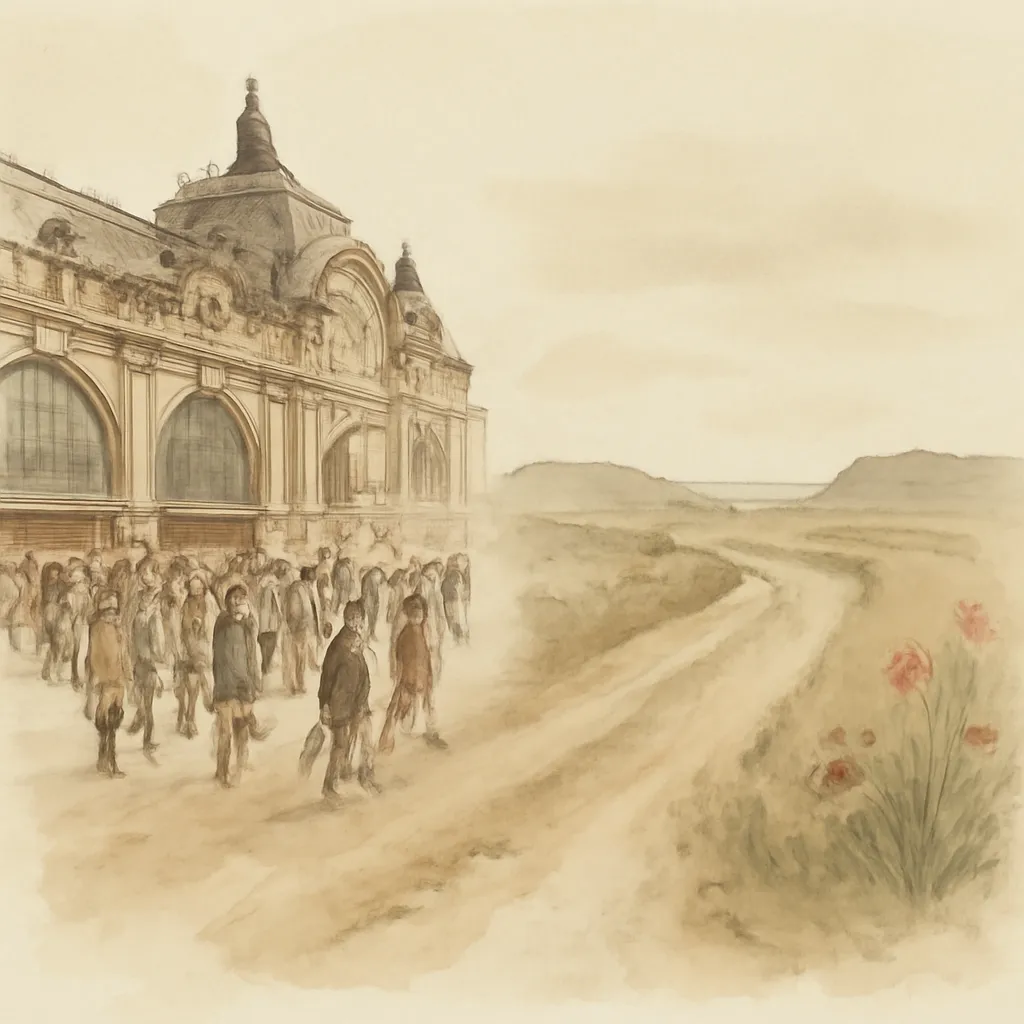
Twain’s adventure starts in Paris, where he prepares for his lecture tour. The transition from European comforts to the roughness of America sets the stage for the humorous tone of the narrative. Traveling across the United States, Twain encounters the vastness and diversity of the country, filled with quirky characters and absurd situations. His description of the suffocating smoke from forest fires in British Columbia adds a layer of humor to the discomforts of travel, where he characterizes the experience as a comedic trial. This initial leg of the journey is marked by Twain’s signature wit as he reflects on the chaos and unpredictability of life while preparing for his world tour. The absurdities of dealing with his own health issues, particularly a carbuncle, humorously highlight the trials of travel and the emotional resilience required in the face of adversity. Twain's experience serves as an allegorical reminder that the journey often holds as much significance as the destination.
2.Crossing the Pacific: Anticipation and Reality
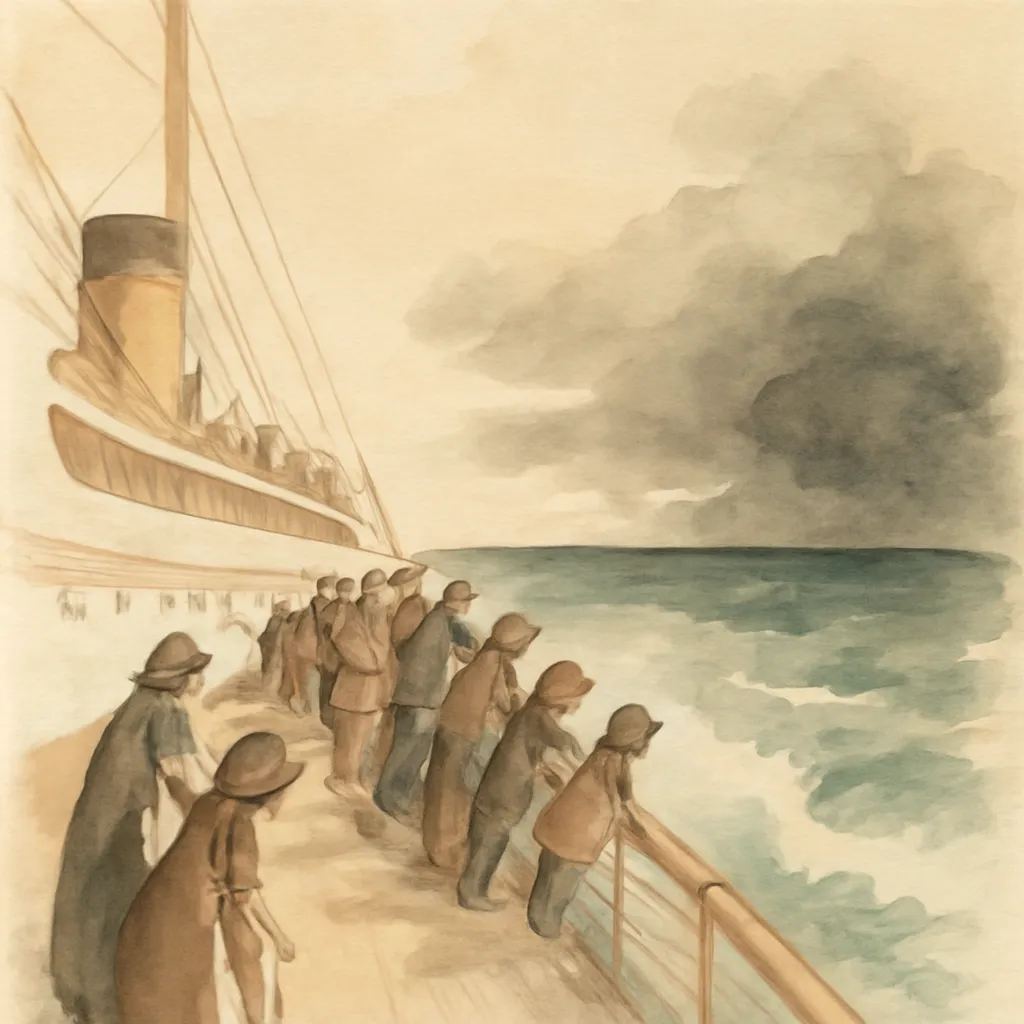
As Twain and his companions set sail from Victoria on the Warrimo, the excitement of crossing the Pacific Ocean is palpable. Twain’s detailed observations of life on the ship reveal both the joy and discomfort of sea travel, showcasing the camaraderie among passengers while critiquing the ship's poor amenities, such as the flimsy steamer chairs that comically fail under the passengers' weight. Those chairs, a metaphor for the insufficient preparation faced during travel, symbolize the greater challenges ahead. The voyage becomes a microcosm of human interaction, where the diverse personalities on board produce a rich tapestry of stories, from boisterous storytellers to the silent observer. Twain paints a vivid picture of crossing the equator, highlighting the excitement and trepidation that come with such a significant milestone. His reflections on this journey become an exploration of identity – how travel shapes who we are, and how the act of moving from one place to another is often laden with cultural significance and personal transformation.
3.Honolulu: Paradise and Its Illusions
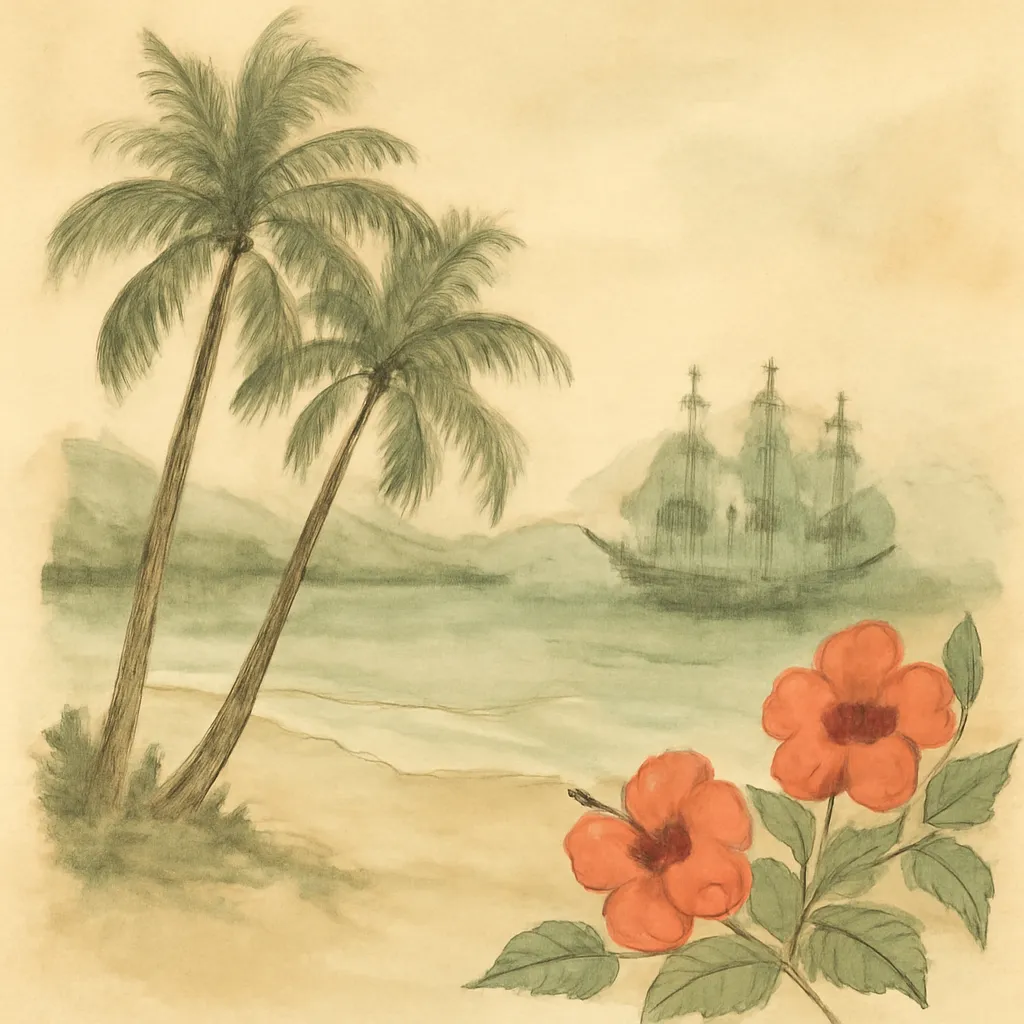
Upon reaching Honolulu, Twain is filled with nostalgia and admiration for the islands, which he views as a paradise. His reflections on the historical significance of the islands, particularly King Kamehameha’s unification of Hawaii, reveal the complex interplay between Western influence and native culture. Twain's admiration for Kamehameha highlights the extraordinary nature of his leadership; he embraced certain aspects of Western civilization while attempting to retain his cultural identity. However, Twain also critiques the missionaries who, while ostensibly seeking to civilize the Kanakas, often obstructed genuine understanding and engagement with the local culture. This ongoing tension between admiration and critique emphasizes the broader themes of cultural collision and the consequences of colonialism. Twain's longing for the untouched beauty of the islands speaks to the universal desire for paradise, even as he acknowledges its fragility and the inevitable changes brought by outside influences.
4.Labor and Exploitation: The Kanaka's Dilemma
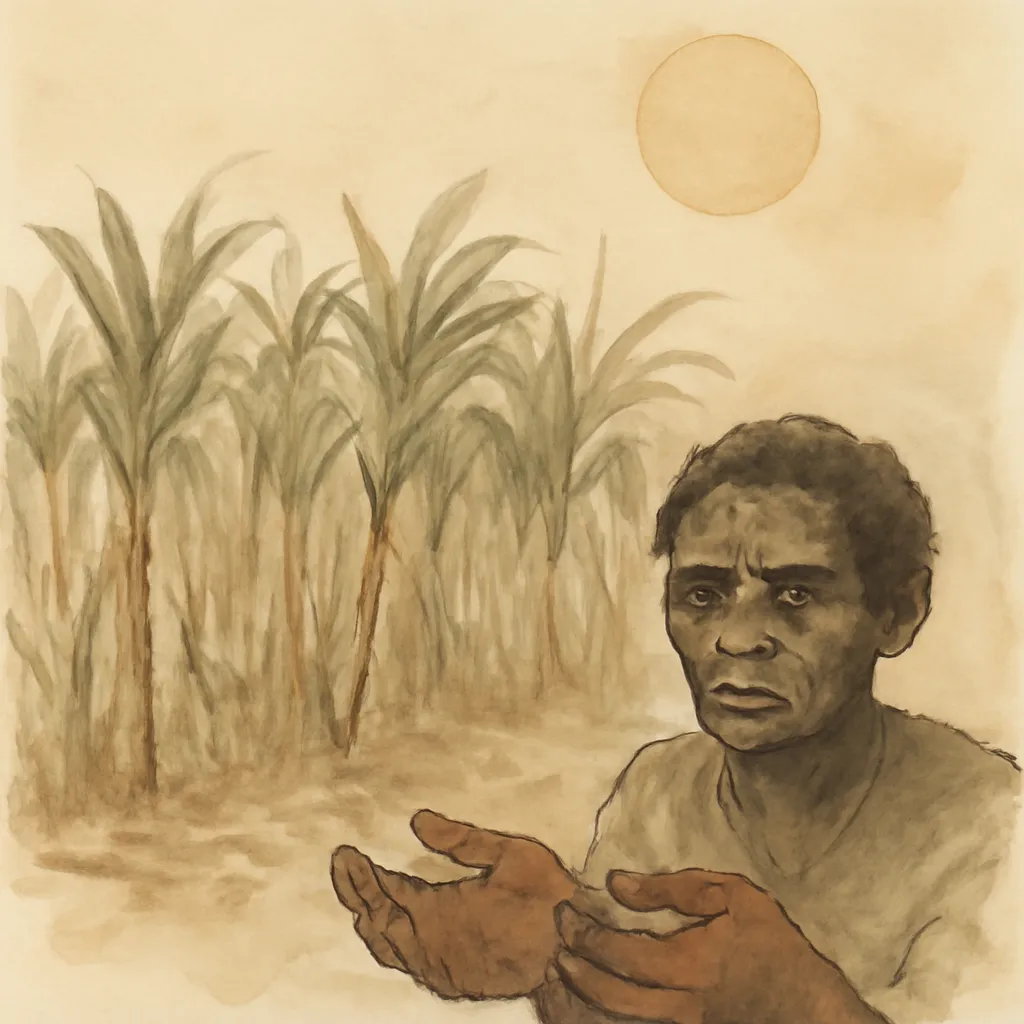
In his examination of the sugar plantations in Queensland, Twain delves into the exploitation of the native Kanakas, who find themselves caught in the web of colonial ambitions and their own cultural identity. He offers a stark critique of the recruitment process, where Kanakas are lured from their idyllic lives to endure punishing labor in harsh conditions on foreign plantations. Twain provides a detailed account of the economic motivations behind these practices, revealing the colonial mindset that treats individuals as commodities rather than human beings. The contrasting realities of life in the islands and the grueling labor in Queensland highlight the moral dilemmas inherent in colonial labor systems. The absurdity of drawing people from their peaceful existence to subject them to exploitation serves as a powerful commentary on the ethical implications of colonialism. Twain's empathy for the Kanakas, paired with his sharp wit, exposes the exploitation hidden beneath the veneer of progress, challenging readers to confront the uncomfortable truths of their own histories.
5.Fiji: A Tapestry of Culture and Contradictions
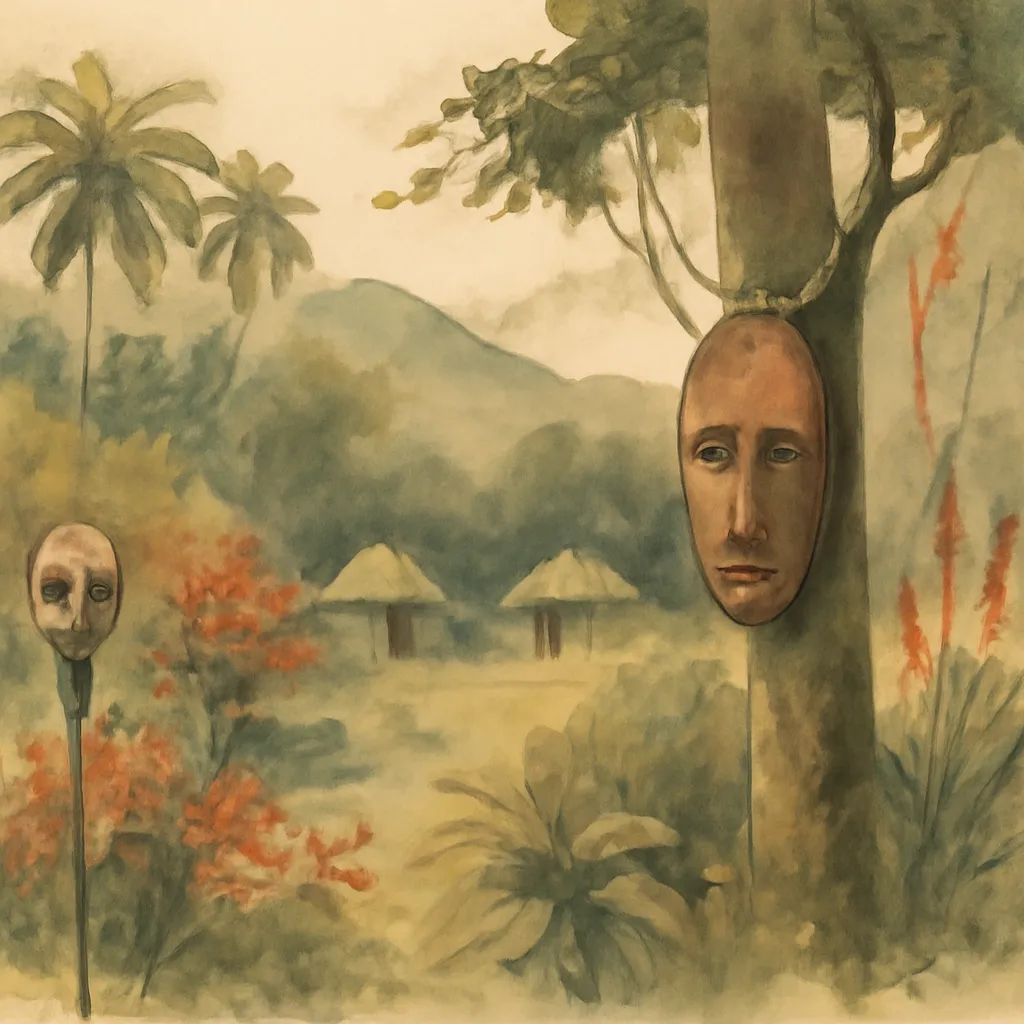
In Fiji, Twain encounters a vibrant culture marked by both beauty and brutality. The islands' natural splendor is juxtaposed with the historical realities of cannibalism and colonial oppression. Twain describes the idyllic landscape, rich in flora and fauna, while reflecting on the complexities of Fijian society, including traditions that would be deemed savage by Western standards. He admires the Fijians’ rich customs and traditions, which provide valuable insights into their identity and resilience. However, Twain does not shy away from critiquing the colonial presence that disrupts their way of life and injects confusion into their cultural narratives. This duality of admiration and critique underscores the complexities of cultural exchange, where beauty and brutality coexist. Twain’s vivid descriptions serve to humanize the Fijian people, challenging stereotypes and encouraging a deeper understanding of their cultural heritage. His reflections reveal how colonialism often distorts perceptions, leading to a loss of genuine cultural appreciation and mutual respect.
6.Australia: The Land of Opportunities and Injustices
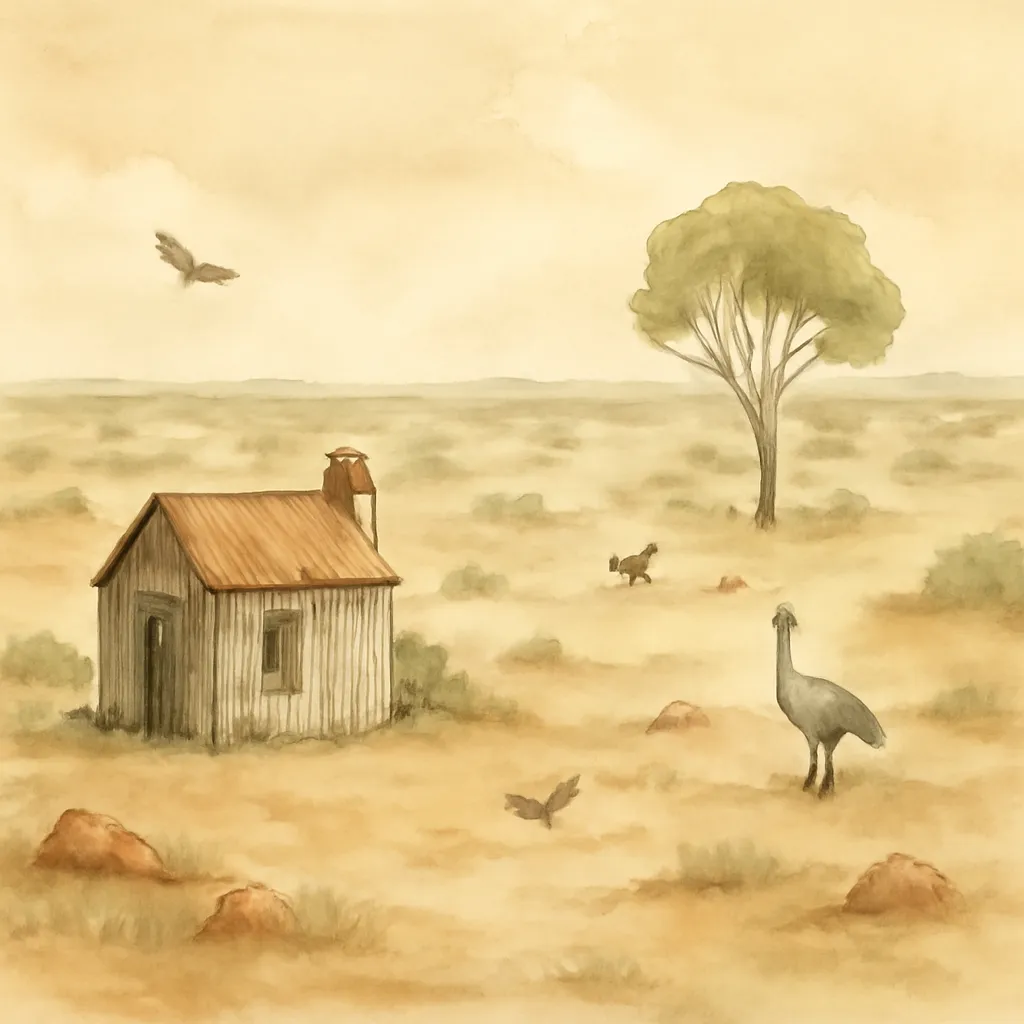
As Twain arrives in Australia, he is struck by its vastness and diversity, from the unique wildlife to the peculiarities of daily life. His exploration of the treatment of convicts highlights the harsh realities of the penal system, illustrating the brutal punishments that were commonplace during the colonial era. Twain recounts instances of extreme discipline, emphasizing the moral implications of such punitive measures. His descriptions of convicts wearing heavy chains and suffering severe punishments provide a stark contrast to the burgeoning society around them. Twain’s insights reveal a duality in colonial Australia: a land of opportunity and prosperity juxtaposed with the injustices faced by its most marginalized inhabitants. This exploration serves as a microcosm for the broader themes of colonialism, justice, and human rights, prompting readers to consider the ethical ramifications of a system that prioritizes control over compassion. Twain's humor shines through as he navigates these serious themes, making them accessible and thought-provoking.
7.The Power of Hospitality: Finding Connection

Throughout his travels, Twain is consistently met with the warm hospitality of English-speaking colonies. His experiences in Sydney and Melbourne illustrate the kindness and generosity that characterize these societies. Twain contrasts this hospitality with the more formal and reserved nature of urban life in America and Europe, revealing how cultural contexts shape social interactions. His observations highlight the significance of hospitality as a form of connection and community, emphasizing how gestures of kindness can transcend cultural differences. Through his encounters, Twain underscores the notion that genuine kindness fosters bonds among diverse individuals, reinforcing the idea that compassion is a universal human trait. This theme of hospitality serves as a reminder of the common humanity that exists despite varying backgrounds, encouraging readers to appreciate the value of openness and generosity in fostering relationships, especially in a world often divided by cultural boundaries.
8.The Absurdity of Human Nature: A Mirror of Society
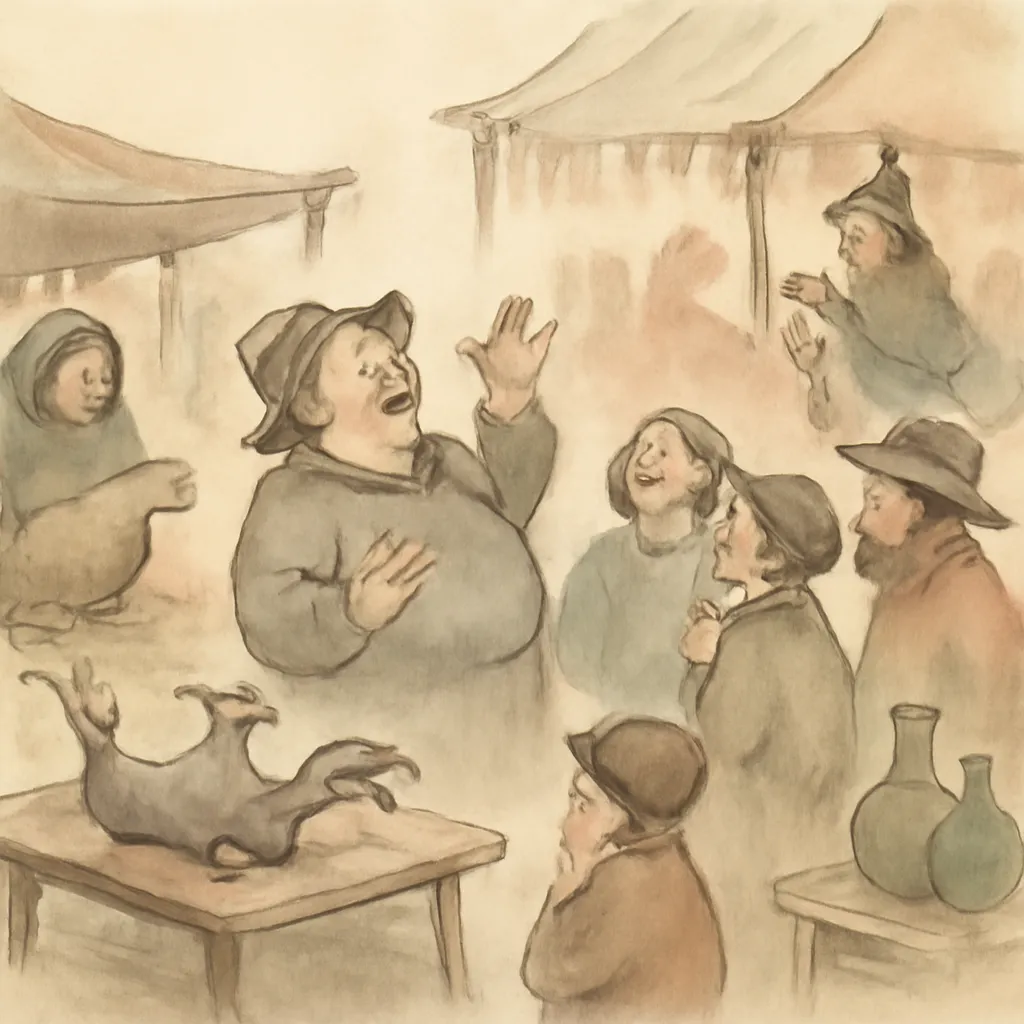
At its core, 'Following the Equator' serves as a commentary on the absurdities of human nature. Twain's keen observations reveal the quirks and foibles of individuals he encounters along his journey, from exaggerated tales of fellow passengers to the peculiarities of local customs. His humorous anecdotes about the absurdities of life, such as the exaggerated claims of 'boomerang liars', highlight the often ridiculous aspects of human interaction. Yet, beneath the humor lies a profound exploration of morality, ethics, and the complexities of the human condition. Twain’s reflections prompt readers to consider their own beliefs and societal norms, challenging them to confront the absurdities within themselves. This duality of humor and seriousness enriches the narrative, making it a timeless exploration of what it means to be human. Twain’s ability to find humor in the mundane invites readers to reflect on their own experiences, ultimately revealing the shared vulnerabilities that connect us all.
9.Nature's Role: The Interplay Between Environment and Humanity
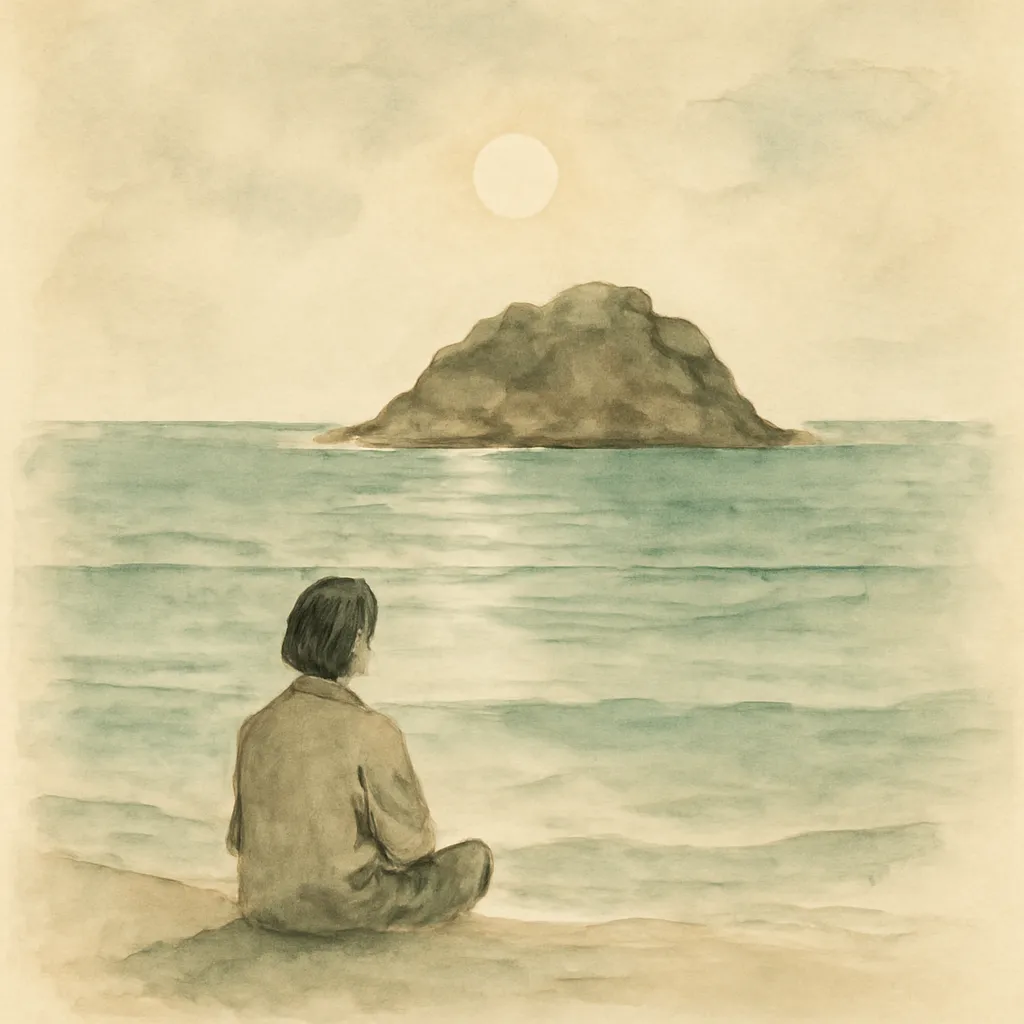
Nature plays a significant role in Twain's narrative, serving as both a backdrop and a character in its own right. His descriptions of the Pacific Ocean, the islands, and the Australian landscape evoke a sense of wonder and appreciation for the natural world. Twain’s encounters with wildlife, such as the phosphorescent porpoises and the majestic landscapes, highlight the beauty and complexity of nature. However, he also reflects on the impact of human activity on these environments, raising questions about conservation and responsibility. This interplay between nature and humanity underscores the necessity of preserving the planet while celebrating its beauty. Twain’s reverence for nature invites readers to examine their relationship with the environment, urging an understanding of the interconnectedness of all life. His vivid imagery and passionate descriptions reveal how nature can inspire a sense of respect and responsibility, prompting a call to protect the fragile ecosystems we often take for granted.
10.Reflections on Travel and Transformation
Twain's journey is not just a physical one; it is also a transformative experience that prompts deep introspection. As he traverses different cultures and landscapes, he reflects on his own beliefs and values, challenging himself to grow and evolve throughout the voyage. Travel becomes a metaphor for personal growth, as Twain navigates the complexities of identity and belonging, prompting readers to consider their own journeys. His encounters with diverse peoples and customs expand his worldview, encouraging a deeper understanding of both self and others. This theme of transformation resonates throughout the narrative, illustrating how travel can shape one’s perspective and foster empathy. Twain's reflections underscore the idea that the act of traveling is not merely about seeing new places but also about understanding oneself and the diverse tapestry of the human experience.