1.The Quest for Identity
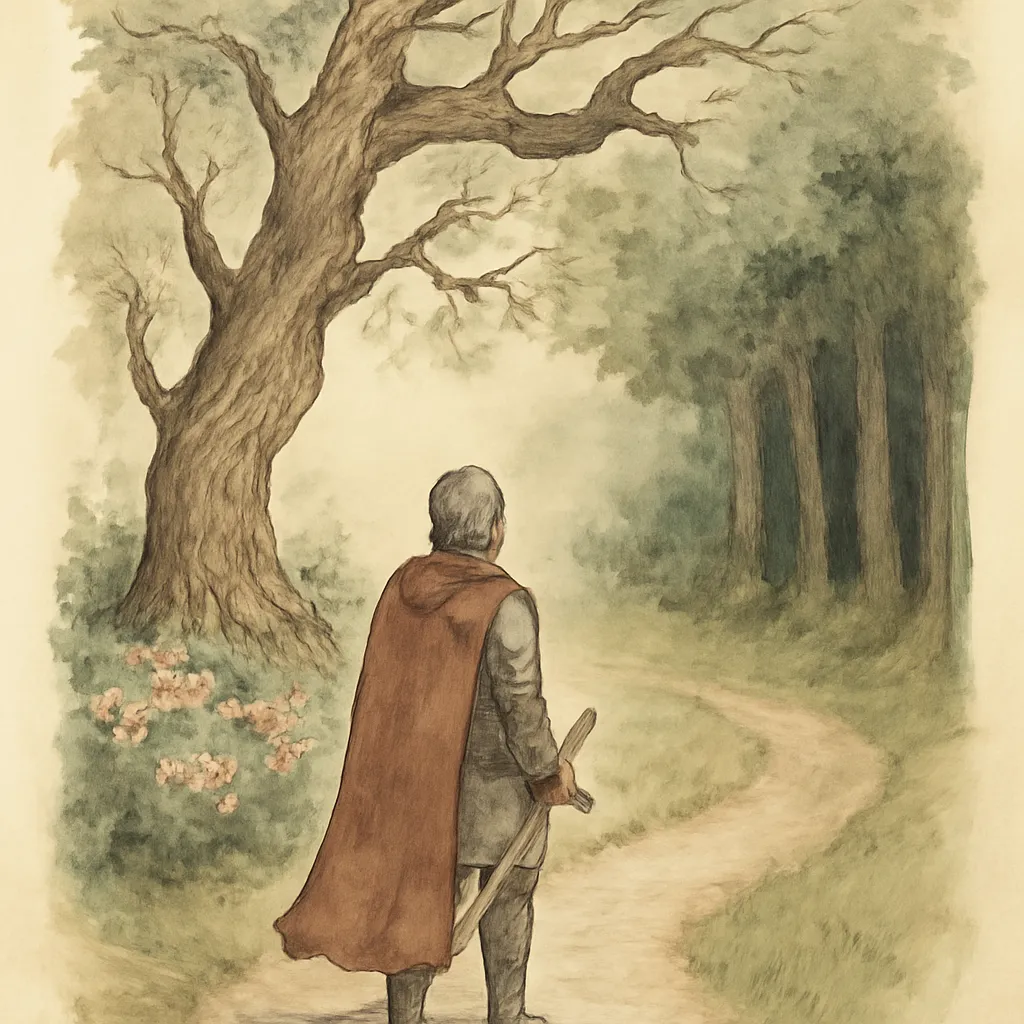
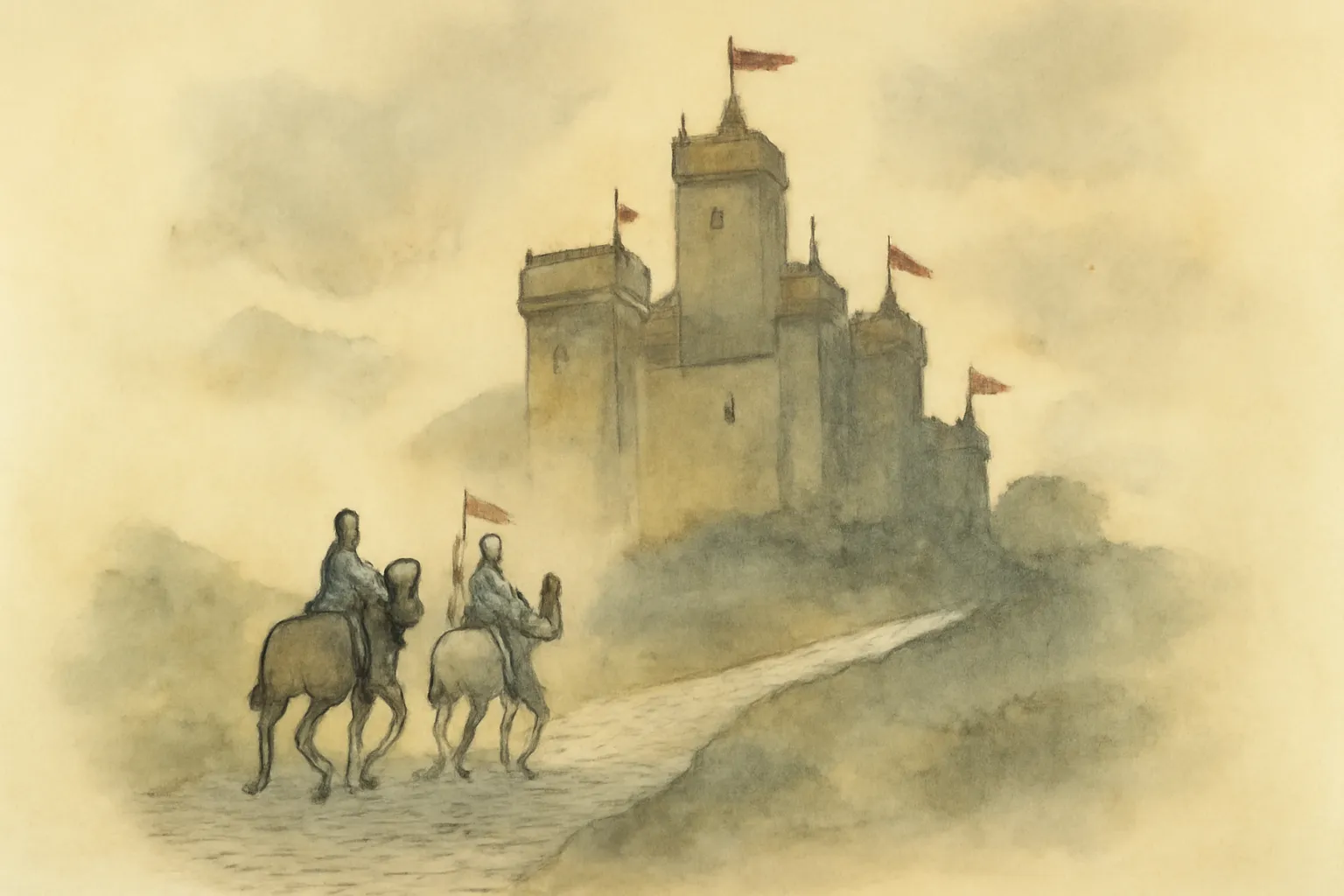
In 'Erec et Enide', the protagonist Erec embarks on a journey of self-discovery as he navigates the challenges of love and knighthood. The narrative illuminates how marriage to Enide intertwines identity with romantic partnership, pushing Erec to confront external pressures and his own values. As Erec faces various trials, including one where he must defend his wife's honor, he learns that true identity is shaped through experiences, choices, and the people we love. This quest for identity reflects a universal theme—how relationships can force individuals to explore their depths, leading to personal transformations that resonate with contemporary readers. Chrétien's portrayal of Erec's evolution from a complacent knight to one who embraces his responsibilities highlights the importance of introspection in defining oneself. Through Erec's journey, the text suggests that understanding oneself often requires stepping into the complexities of love and duty, showcasing that our identities are intricately linked with those we choose to love and serve.
2.The Nature of Love
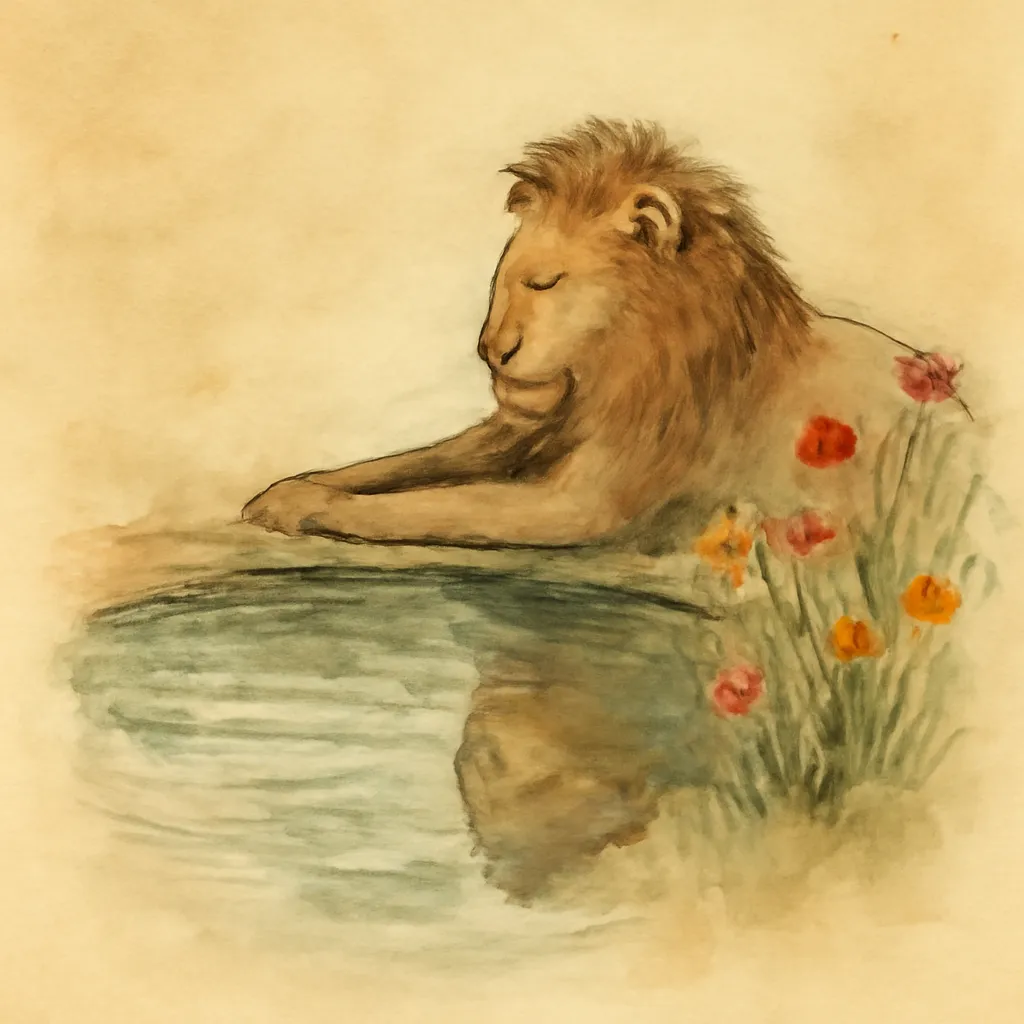
Love in Chrétien's romances is depicted as a potent, transformative force that compels characters to act courageously or foolishly. In 'Yvain, or The Knight with the Lion', Yvain's love for Laudine becomes the driving force of his redemption arc. His initial abandonment of her leads to a series of misfortunes, emphasizing that love requires commitment and fidelity. As Yvain confronts his feelings and seeks to regain her trust, the narrative illustrates how love is not merely an emotion but a catalyst for growth and self-awareness. The trials Yvain faces highlight the duality of love, which can incite both strength and vulnerability. Chrétien's exploration of love's complexities encourages readers to reflect on their own relationships and the responsibilities that come with loving someone deeply. The text shows that love can inspire actions of bravery, as Yvain not only seeks to conquer physical adversaries but also must overcome his own emotional failings to prove himself worthy of Laudine's affection. This portrayal of love as a transformative journey reaffirms its central role in shaping character and destiny.
3.Chivalric Values and Honor
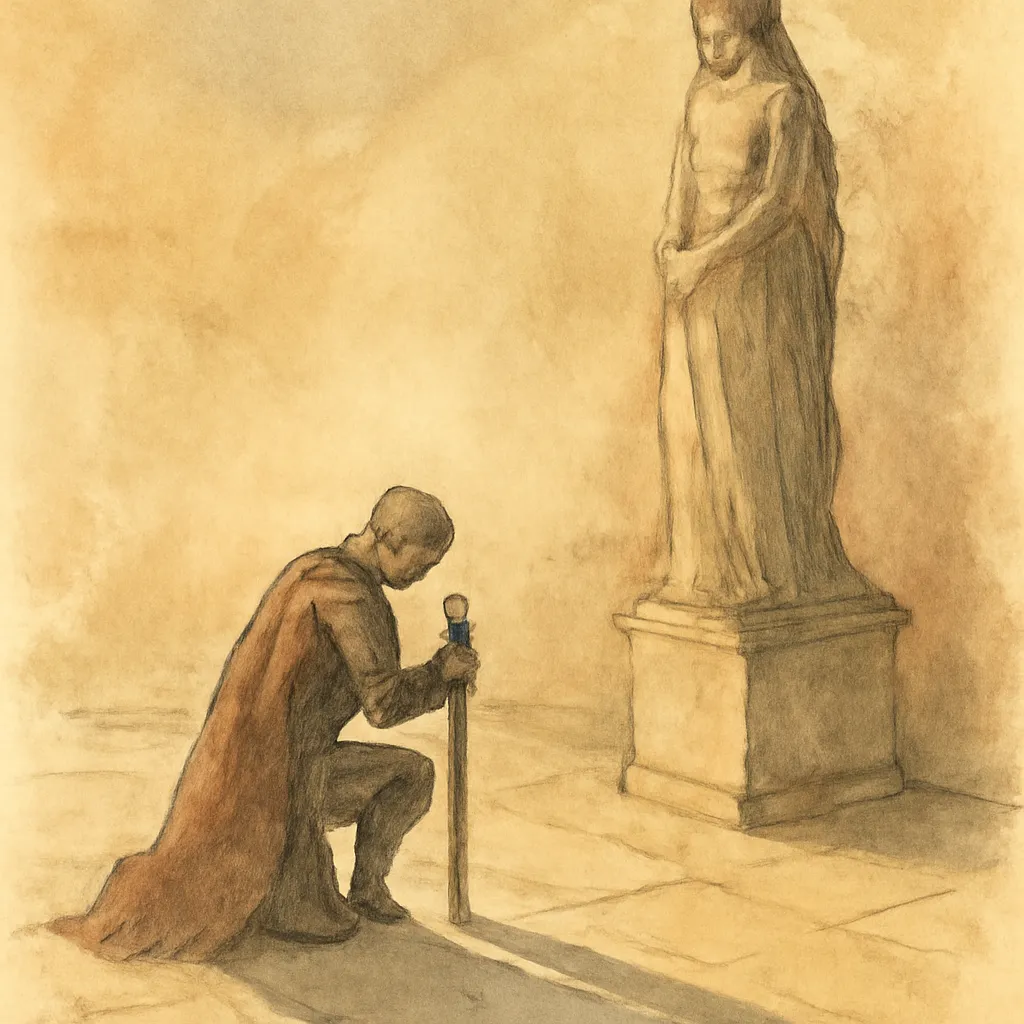
Chivalry is central to Chrétien's narratives, dictating the actions and motivations of knights. The ideologies surrounding honor, loyalty, and bravery shape the quests and conflicts in each romance. In 'Lancelot, or The Knight of the Cart', Lancelot’s journey to rescue Guinevere becomes a profound exploration of chivalric values. His willingness to endure humiliation and danger for love illustrates a paradox of knightly honor, where personal sacrifice is necessary to uphold one's reputation. Despite falling into a love affair that defies the expected norms of chivalry, Lancelot remains committed to the ideals of courtly love and bravery. This tension reveals that true honor is not always black and white; it often involves navigating the gray areas of human emotion and societal expectations. The narrative complicates the notion of chivalry by showcasing how Lancelot's love leads him into morally ambiguous situations, challenging the reader to consider the sacrifices made in the name of love and honor. Chrétien's work ultimately suggests that true chivalric valor encompasses both the pursuit of noble deeds and the willingness to confront personal shortcomings.
4.The Role of Women
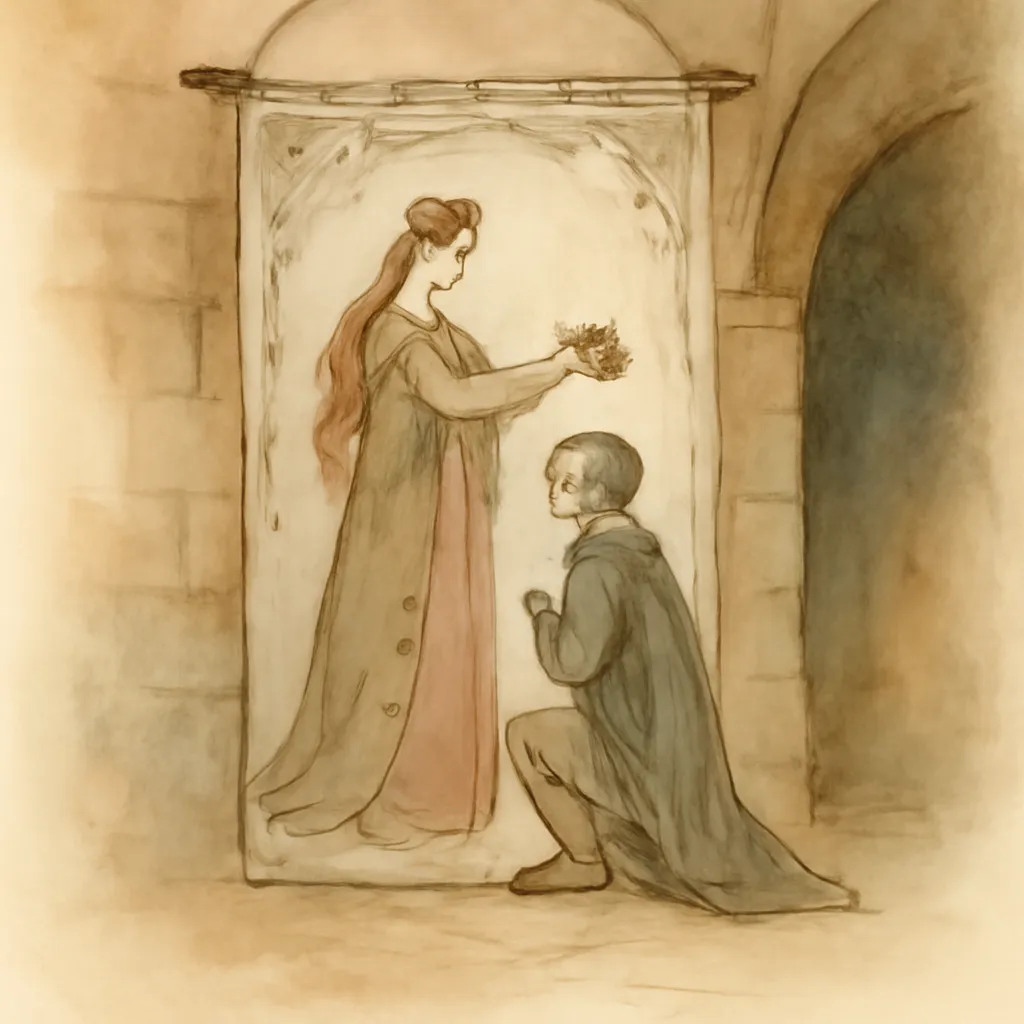
Women in 'Four Arthurian Romances' are depicted with depth, often serving as both muses and powerful influences in the knights' journeys. Characters like Enide and Laudine embody a kind of idealized femininity, yet they also possess autonomy and agency that significantly impact the narratives. In 'Erec et Enide', Enide's loyalty and wisdom are pivotal in guiding Erec toward personal growth and honor. Rather than being mere prizes to be won, these women challenge the knights, urging them to rise to their best selves. This dual role complicates traditional depictions of women in medieval literature, suggesting that their voices and choices are vital to the chivalric narrative. In 'Yvain', for instance, Laudine’s reaction to Yvain’s actions serves as a mirror reflecting his flaws. By showcasing strong female characters who influence the course of events, Chrétien invites readers to reconsider gender dynamics and the importance of women in shaping heroic tales. The romances illustrate that the path to honor and redemption is often intertwined with the perspectives and experiences of women, thereby enriching the narrative and deepening the emotional stakes.
5.Adventure as a Path to Growth

Every knight's adventure serves not just as a quest for glory but as a journey towards personal growth and self-realization. In 'Cligés', the protagonist's travels lead him to confront his emotions for Fenice and the societal constraints surrounding their love. The adventures unfold as challenges that test the knights’ resolve, moral integrity, and emotional depth. For Cligés, his quest is not solely about winning battles; it’s about understanding love and loyalty amidst adversity. His experiences reveal that true adventure lies in the emotional and moral challenges faced along the way, rather than in external victories. The narrative emphasizes that the trials the knights endure are reflective of internal struggles, where every encounter becomes an opportunity for introspection and growth. This perspective is vital as it underscores that personal journeys often parallel the physical adventures knights undertake—both demand courage, resilience, and an openness to change. Ultimately, Chrétien suggests that the essence of knightly valor isn't solely found in combat but in the transformative power of the experiences encountered on the path to self-discovery.
6.The Influence of Fate

Fate plays a significant role in shaping the destinies of characters in Chrétien's romances, intertwining their choices with themes of predestination and chance. In 'Yvain', the protagonist's journey reflects the belief that while knights strive for agency, they are also subject to forces beyond their control. Yvain’s encounters often seem guided by fate, suggesting that the outcome of love and honor often lies in the hands of destiny. This interplay between fate and free will invites readers to explore the extent to which our lives are determined by our actions versus external circumstances. The narrative invokes a sense of humility, reminding us that despite our best efforts, certain outcomes may remain influenced by forces beyond our comprehension. For instance, the consequences of Yvain's initial failure to fulfill his promise to Laudine lead to a series of events that spiral beyond his control, illustrating how fate can intertwine with personal responsibility. This exploration of fate compels readers to contemplate their own lives—how much of our destiny is shaped by our choices versus the whims of fate, and how our understanding of love and honor might be influenced by this dynamic.
7.Friendship and Loyalty
The bonds of friendship and loyalty among knights are crucial in shaping their identities and decisions throughout Chrétien's tales. In 'Lancelot', the relationships formed between knights reveal the importance of loyalty to both comrades and their ideals. Lancelot’s strong friendship with Gawain and his other comrades underscores a critical aspect of chivalry: that true friendship involves mutual support and sacrifice. When personal relationships are threatened by romantic entanglements, the narratives explore the tension between romantic love and platonic loyalty, ultimately arguing that camaraderie is a vital part of the knightly ethos. The narrative intricately weaves tales of brotherhood and betrayal, showcasing how loyalty can be tested by the very love that binds knights to their quests. For example, Lancelot’s complex relationship with Gawain highlights the often fraught nature of knightly bonds, as loyalty to one’s friend can clash with loyalty to one’s heart. These friendships enrich the narrative, illustrating that the chivalric code extends beyond romantic pursuits to encompass brotherhood and respect, reinforcing the communal aspects of knightly life.
8.Conflict Between Love and Duty
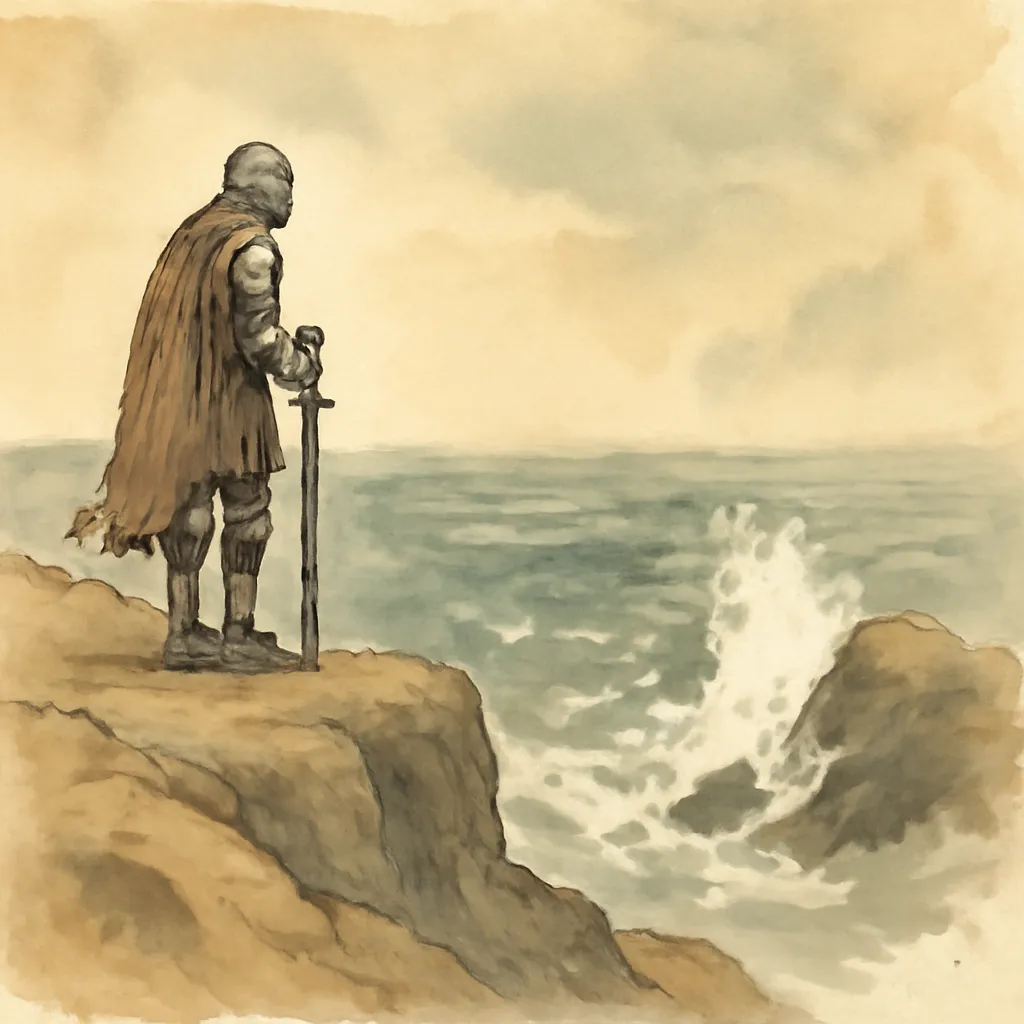
Throughout the romances, characters grapple with the tension between their romantic desires and their responsibilities as knights. This theme is vividly illustrated in 'Lancelot', where Lancelot's love for Guinevere frequently puts him in conflict with his duties to King Arthur. The narrative portrays how the pursuit of love can complicate loyalty and honor, leading to dilemmas that challenge the knights' integrity. Lancelot's internal struggles reveal the sacrifices one must make when navigating the complex landscape of love and duty, making his character relatable to anyone who has faced similar dilemmas. This exploration of love against the backdrop of duty emphasizes that the path to fulfillment is often fraught with difficult choices and moral quandaries. In Lancelot’s case, his affair with Guinevere, while passionate, ultimately leads to strife and conflict within the Round Table. Chrétien masterfully depicts how these conflicts can lead to personal tragedy, inviting readers to consider the moral complexities of their own desires and responsibilities.
9.The Power of Redemption
Redemption emerges as a powerful theme in Chrétien's romances, where characters often seek forgiveness and a chance to restore their honor. Yvain’s quest for redemption after abandoning his wife serves as a poignant example of this theme. His journey illustrates that redemption is not easily attained; it requires self-reflection, humility, and the willingness to confront past mistakes. Yvain's efforts to win back Laudine highlight that the path to redemption is fraught with challenges but ultimately leads to personal growth and reconciliation. This exploration of redemption invites readers to acknowledge their own flaws and strive for forgiveness, suggesting that the journey toward amending wrongs is a universal human experience. Yvain’s path shows that redemption is not just about regaining love; it’s about understanding the impact of one’s actions and taking responsibility for them. The narrative suggests that the potential for redemption lies within everyone, emphasizing the importance of perseverance and sincerity in seeking forgiveness.
10.The Legacy of Arthurian Romance
Chrétien de Troyes' 'Four Arthurian Romances' has left an enduring legacy, shaping the genre of chivalric romance for centuries. His intricate storytelling, rich character development, and exploration of timeless themes have influenced countless authors and artists throughout history. The ideals of knightly conduct, the complexities of love, and the moral dilemmas faced by his characters continue to resonate with readers today. By intertwining adventure with emotional depth, Chrétien not only entertains but also provokes thought about the nature of honor, love, and the human condition. The romances reflect the evolving understanding of these themes, ensuring that Chrétien's work remains relevant and impactful across generations, shaping our cultural narratives around love and chivalry. Ultimately, the legacy of Chrétien's work lies in its ability to transcend its historical context, speaking to universal human experiences and maintaining its place in the literary canon as a foundational text in the understanding of romantic and chivalric literature.