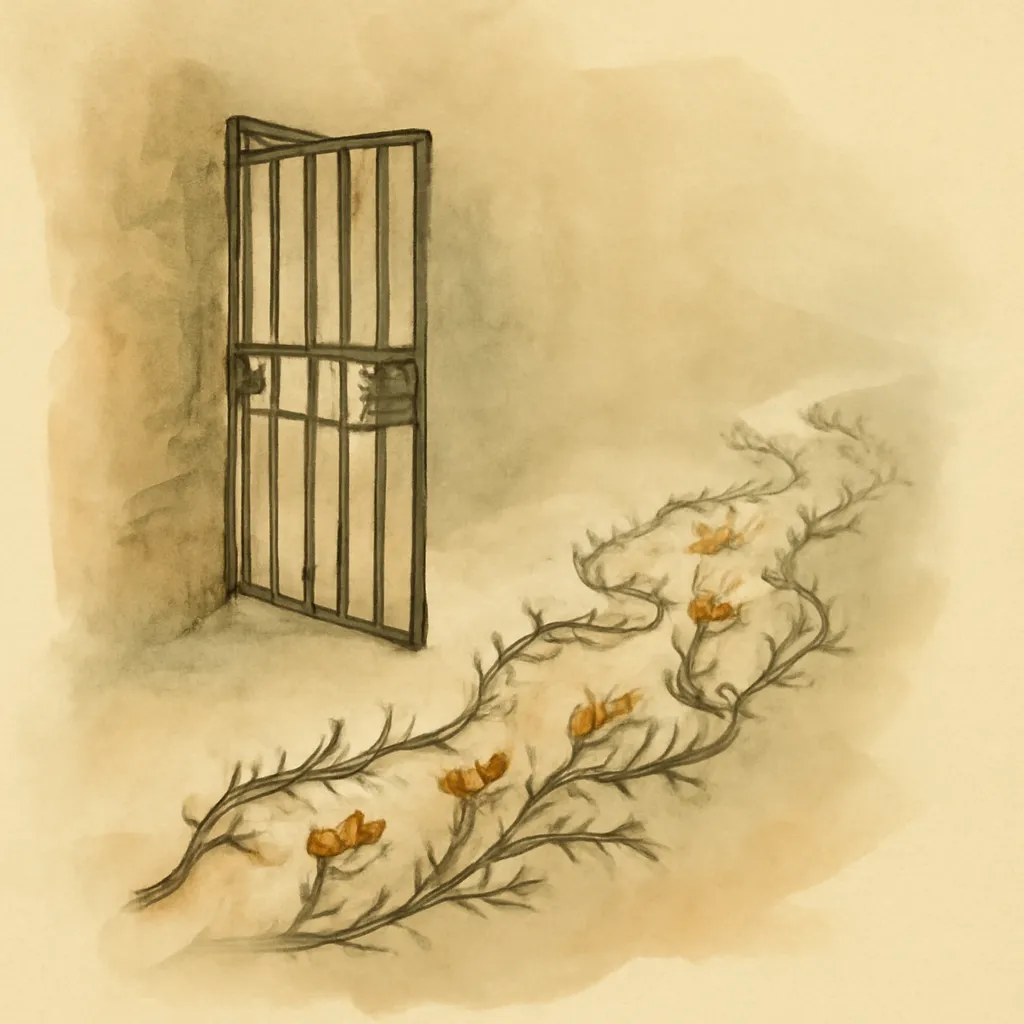
1.The Genesis of Martyrdom
The history of Christian martyrdom can be traced back to the very beginnings of the faith, with the martyrdom of Stephen, the first Christian martyr, serving as a critical touchstone. Stephen's stoning by the Sanhedrin exemplified the violent opposition faced by early Christians, who were often seen as a threat to established religious and political orders. This initial act of violence set a precedent, leading to a wave of persecutions that would engulf countless followers of Christ. Foxe emphasizes that the roots of persecution lie not only in the hearts of those who oppose Christianity but also in the inherent struggle between truth and falsehood. The martyrdoms of figures like James, Peter, and Paul further illustrate the extreme lengths to which adversaries would go to suppress the burgeoning faith, thereby establishing a pattern of suffering that would resonate throughout history.
2.The Ten Primitive Persecutions
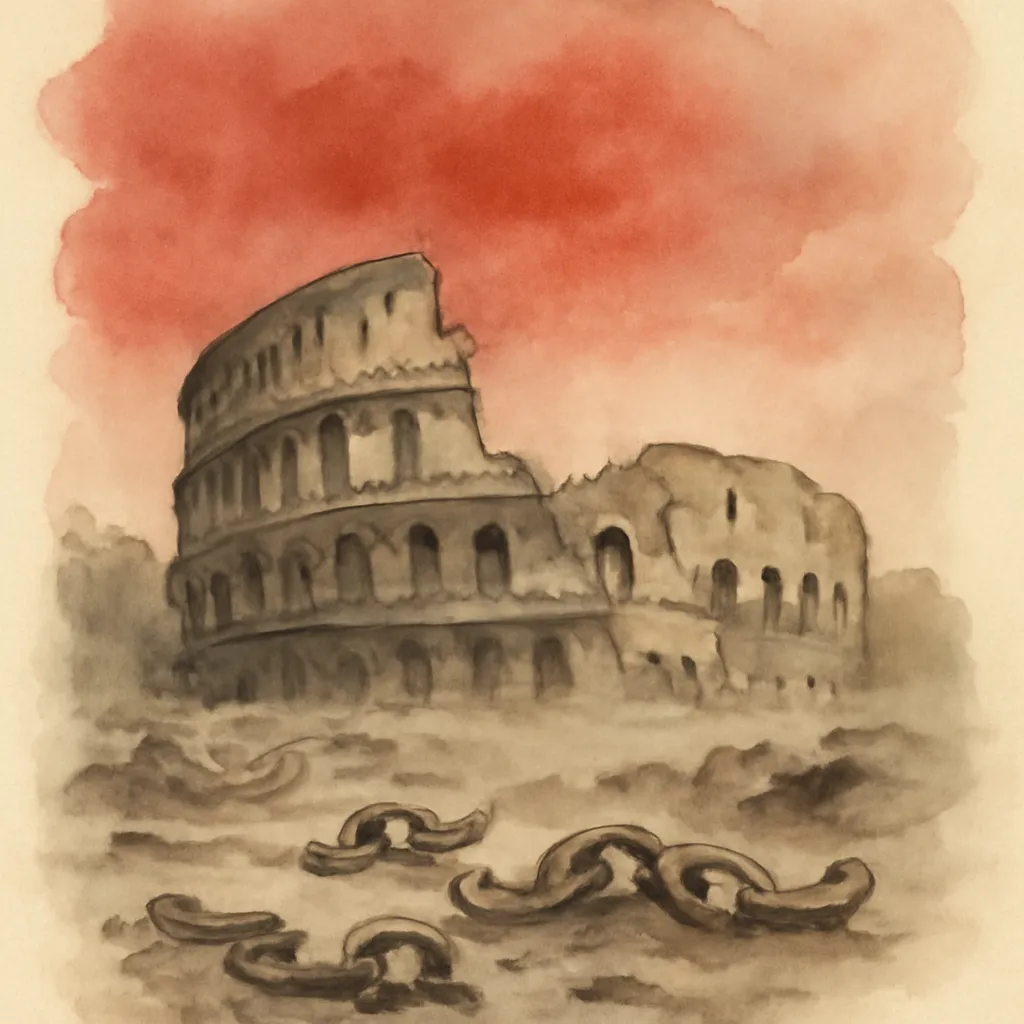
Foxe outlines ten significant persecutions faced by Christians in the Roman Empire, each marked by escalating brutality and systematic oppression. The first persecution under Nero in A. D. 67 is particularly notorious; Nero's attempt to deflect blame for the Great Fire of Rome onto Christians led to horrific tortures, including being sewn into animal skins and set upon by dogs. Subsequent persecutions under emperors like Domitian and Trajan were characterized by similar cruelty, with Christians being executed en masse for their refusal to renounce their faith. Each persecution not only resulted in the loss of countless lives but also galvanized the Christian community, often leading to a stronger commitment to their faith. Foxe's detailed accounts reveal how these early Christians, despite facing death, maintained their beliefs, highlighting the paradox of persecution strengthening rather than weakening the resolve of the faithful.
3.Persian Persecutions: A Different Battlefield
The persecution of Christians in Persia showcases the geographical and ideological spread of religious intolerance beyond the Roman Empire. Foxe details the fears of pagan priests who felt threatened by the growing influence of Christianity, leading to state-sanctioned violence against believers. The Persian emperor, influenced by these priests, unleashed a wave of brutality that resulted in the martyrdom of many prominent Christians. This persecution underscored the universal nature of the struggle for religious freedom, as believers faced similar threats regardless of their geographical location. Foxe's narrative emphasizes that persecution is not confined to one region or era but is a recurring theme in the history of faith, prompting readers to consider the broader implications of religious oppression across cultures.
4.The Rise of Papal Persecution
As Christianity became intertwined with political power, the papacy emerged as a significant force of persecution against dissenters. Foxe vividly recounts the plight of the Waldenses and Albigenses, who faced brutal crackdowns for their rejection of papal authority and corruption. The papal church, rather than embodying the principles of mercy and love espoused by Christ, resorted to violence and coercion to maintain its grip on power. This period, often labeled as the 'dark ages,' saw countless individuals executed for their beliefs, with the Inquisition serving as a particularly infamous institution for rooting out heresy. The irony of a church that preached tolerance yet practiced persecution is a central theme in Foxe's work, inviting readers to reflect on the moral implications of such hypocrisy.
5.The Inquisition: A Systematic Approach to Suppression
Foxe provides a harrowing account of the Inquisition, an institution designed to root out heresy through fear and brutality. The establishment of the Inquisition marked a significant turning point in the history of religious persecution, as it institutionalized the persecution of those deemed heretics. The infamous inquisitors, armed with unchecked power, employed torture and execution as tools of intimidation and control. Foxe details the experiences of individuals like Nicholas Burton, who faced cruel fates at the hands of the Inquisition, showcasing the lengths to which the church would go to suppress dissent. This systematic approach to persecution not only devastated lives but also instilled a pervasive atmosphere of fear that stifled free thought and expression, illustrating the dangers of absolute power in the hands of religious authorities.
6.The Impact of the Reformation
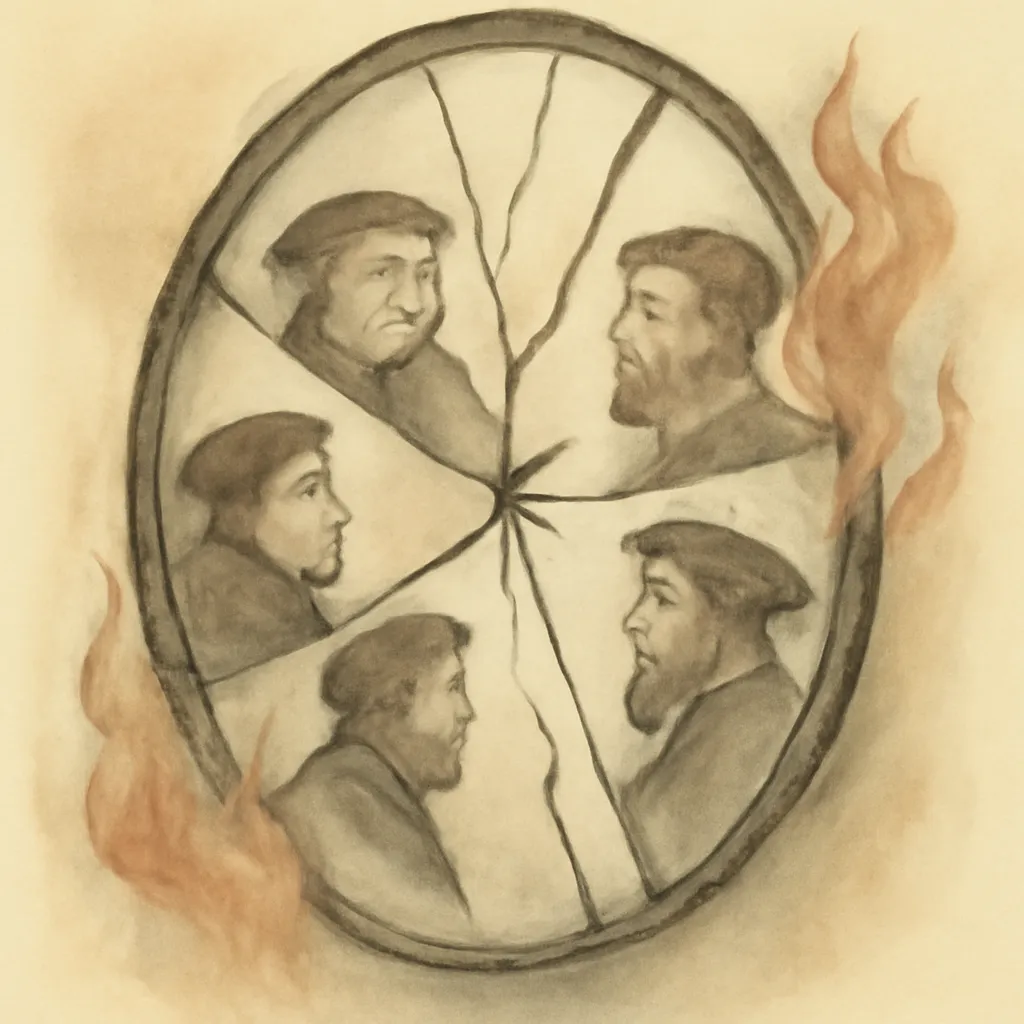
The Protestant Reformation catalyzed a shift in the landscape of religious persecution, as reformers like Martin Luther and John Calvin challenged the established church's authority. Foxe illustrates how this movement ignited fierce opposition from the papacy, leading to renewed waves of persecution against reformers and their followers. The papal response was characterized by violence, including the execution of reformers and the brutal suppression of Protestant communities. The resulting conflicts, such as the wars of religion, illustrate how the Reformation's call for reform and return to biblical principles not only faced fierce resistance but also led to significant bloodshed. This tumultuous period underscores the reality that the quest for religious reform often entailed great personal sacrifice, as individuals risked their lives for the sake of their beliefs.
7.The Suffering of Individual Martyrs
Throughout his historical narrative, Foxe highlights the personal stories of individual martyrs who exemplified extraordinary courage and faith in the face of persecution. The accounts of figures like John Huss and George Wishart serve to humanize the broader historical narrative, providing readers with relatable and poignant examples of faith under fire. These individuals, often facing public execution, demonstrated remarkable resolve and unwavering commitment to their beliefs, inspiring generations of believers. Their stories illuminate the emotional and spiritual dimensions of martyrdom, showcasing the profound impact of faith on personal identity and community solidarity. Foxe’s emphasis on these personal narratives invites readers to connect with the martyrs on a deeper level, fostering empathy and understanding for those who have suffered for their convictions.
8.Contemporary Persecutions
Foxe's work extends into more recent history, addressing the ongoing struggles faced by Christians in various parts of the world, including the West Indies, Switzerland, and India. The accounts of missionaries like Asaad Shidiak and the trials faced by Baptist missionaries in Burma illustrate that the spirit of persecution remains alive in contemporary society. These modern examples serve to remind readers that the fight for religious freedom is far from over, as individuals continue to suffer for their beliefs. By including these narratives, Foxe emphasizes the cyclical nature of persecution, urging readers to remain vigilant in the face of intolerance. This historical continuity reinforces the necessity of advocating for religious liberty and the protection of individual rights, as the lessons of the past remain relevant in today’s world.
9.The Role of Government in Religious Persecution
Foxe draws attention to the complicity of governments in the persecution of Christians, highlighting how political power has often been wielded to suppress dissenting beliefs. Various emperors and rulers throughout history have used their authority to enact brutal measures against Christians, often justifying such actions under the guise of maintaining social order or national security. This dynamic illustrates the dangerous intersection of religion and politics, as government-sanctioned persecution can lead to widespread suffering and injustice. Foxe's exploration of this theme challenges readers to consider the implications of state power in matters of faith, emphasizing the importance of safeguarding religious liberties against governmental overreach. The historical examples provided serve as cautionary tales of the potential consequences when religion and politics become entangled.
10.The Legacy of Martyrdom
The enduring legacy of the martyrs chronicled in Foxe's work extends beyond their immediate sacrifices; it resonates through history, shaping the trajectory of religious thought and practice. Martyrdom has historically served as a catalyst for social change, inspiring movements for freedom and justice. Foxe illustrates how the stories of these martyrs have galvanized subsequent generations to stand firm in their convictions, fostering a spirit of resilience and courage in the face of adversity. Their legacies remind believers of the cost of discipleship and the importance of standing up for one's faith, even in the face of potential death. This legacy also prompts contemporary readers to consider their own responsibilities in advocating for religious freedom and tolerance, as the fight for justice remains an ongoing battle.