1.The Pursuit of Knowledge as a Double-Edged Sword
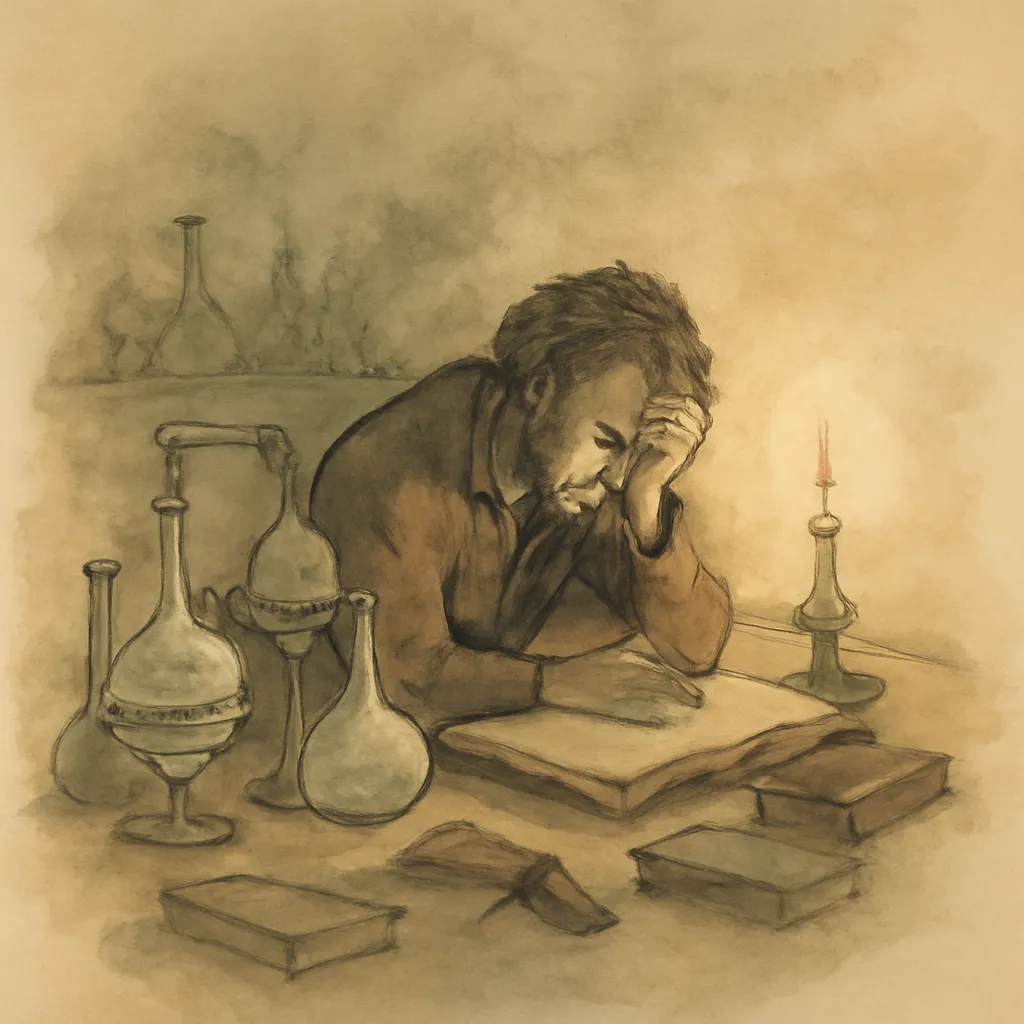
Victor Frankenstein's quest for knowledge drives the narrative, showcasing the Enlightenment-era belief in the power of science. Initially, Victor's ambition leads him to study natural philosophy and chemistry, disciplines that promise to unlock the secrets of life. However, his relentless pursuit blinds him to the ethical implications of his work. When he successfully animates a creature, rather than experiencing joy, he is filled with horror and regret. This pivotal moment illustrates the core idea that the pursuit of knowledge, while noble, can lead to dire consequences when it disregards moral responsibility. Shelley's message resonates today, reminding readers that scientific advancement must be tempered with ethical considerations.
2.Isolation and Alienation: The Human Condition
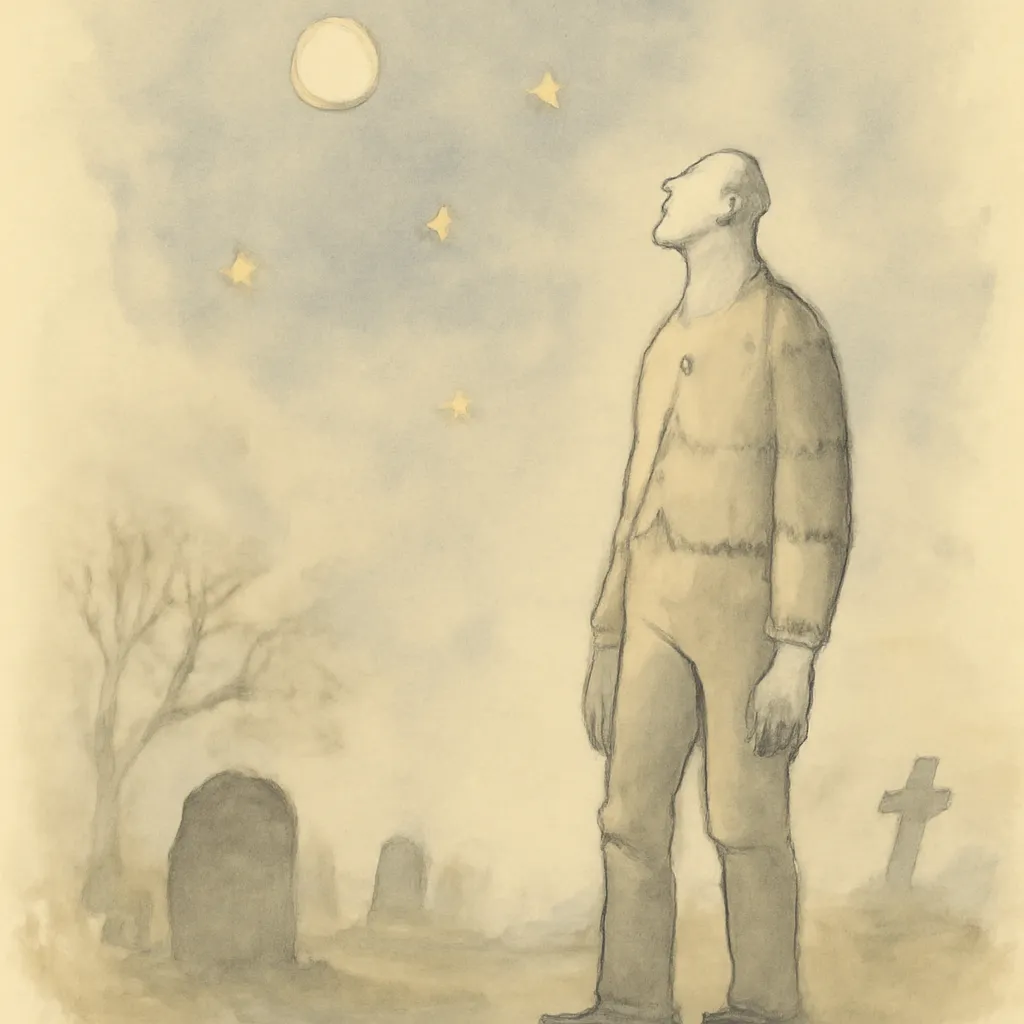
Both Victor Frankenstein and his creature experience profound isolation, emphasizing the theme of alienation. Victor's obsessive pursuit of knowledge distances him from family and friends, leading to his eventual mental and emotional breakdown. He becomes increasingly isolated, retreating into himself as he grapples with guilt and remorse for creating the monster. Conversely, the creature, despite its initial innocence, is shunned by society due to its grotesque appearance. This rejection drives the creature towards despair and vengeance, highlighting how isolation can distort one's nature and lead to destructive behavior. Shelley's exploration of isolation serves as a poignant commentary on the human need for connection and acceptance.
3.The Nature of Humanity: Creator vs. Creation
The relationship between Victor and the creature raises profound questions about what it means to be human. Victor, as the creator, initially sees himself as superior to his creation, yet he ultimately fails to take responsibility for it. The creature, though physically monstrous, exhibits human emotions such as love, longing, and despair. Instead of being a mere abomination, it seeks companionship and understanding, revealing the complexities of its character. This inversion challenges the reader to reconsider the definitions of monstrosity and humanity. Shelley suggests that it is not one's appearance that defines humanity, but rather one's capacity for empathy and moral understanding.
4.The Consequences of Playing God
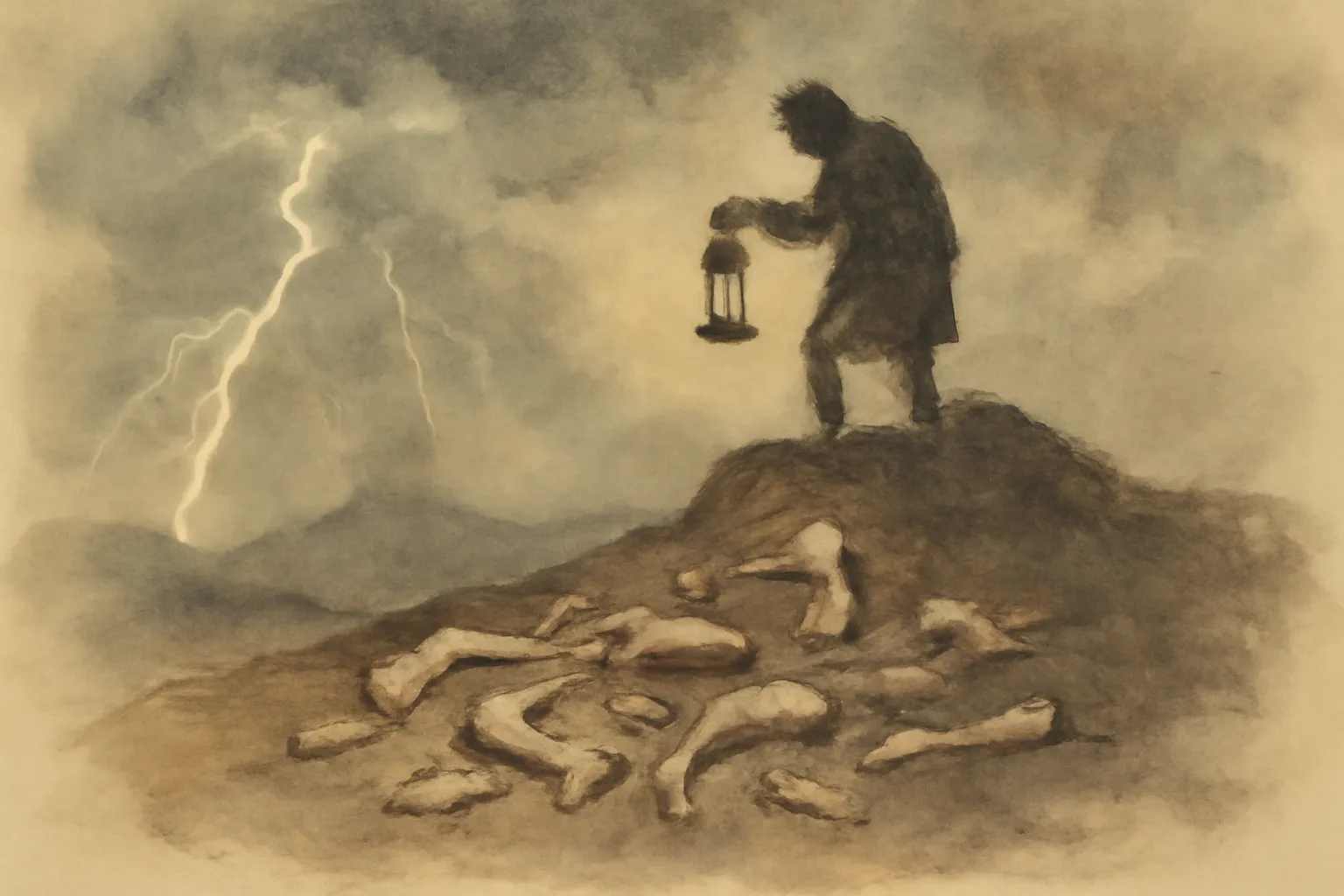
Victor Frankenstein's ambition to create life embodies the archetypal 'playing God' narrative. His desire to overcome death and create a new form of life reflects humanity's age-old yearning for power over nature. However, the consequences of his actions are catastrophic, leading to the death of his loved ones and ultimately to his own demise. Shelley's cautionary tale warns against the hubris of attempting to usurp the natural order. The monster, born from Victor's ambition, becomes a manifestation of his guilt and the consequences of unchecked scientific experimentation. This theme resonates with contemporary issues in bioethics and genetic engineering, urging a thoughtful examination of humanity's role in creation.
5.The Search for Acceptance and Belonging
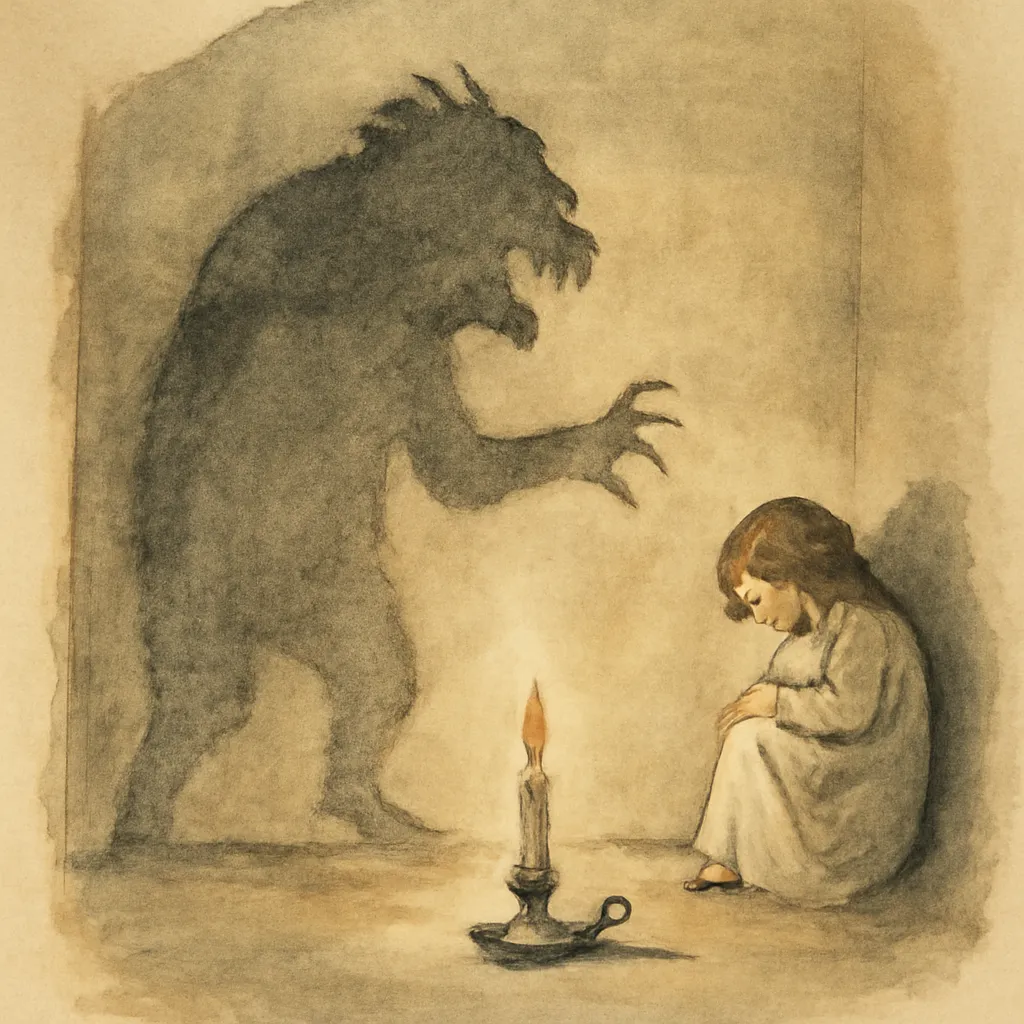
The creature's desperate quest for acceptance underscores the fundamental human desire to belong. Initially, it yearns for companionship and love, resembling a child seeking parental care. However, its repeated rejections by humans lead to feelings of anger and betrayal. The creature's transformation from a benign being into a vengeful figure highlights how societal rejection can corrupt innate goodness. This theme is particularly relevant in discussions about social acceptance, prejudice, and the impact of isolation on mental health. Shelley's portrayal of the creature serves as a powerful reminder of the importance of compassion and understanding towards those who differ from societal norms.
6.The Role of Women: A Reflection on Gender Dynamics
Shelley's 'Frankenstein' also offers a critique of the gender dynamics of its time. The female characters, such as Elizabeth Lavenza and Justine Moritz, are often portrayed as passive victims, reflecting the limited roles available to women in the 19th century. Their fates are directly tied to the actions of male characters, emphasizing how women's agency is often overshadowed by male ambition and folly. This portrayal invites readers to consider the consequences of a patriarchal society on women's lives. The novel subtly critiques the way women's voices are marginalized, raising questions about gender equality and the need for female empowerment in both literature and society.
7.The Influence of Nature on the Human Psyche
Nature plays a significant role in 'Frankenstein', serving as both a backdrop and a character in its own right. The sublime landscapes of the Swiss Alps and the desolate Arctic reflect the emotional states of the characters, particularly Victor and the creature. For Victor, nature often provides solace and a temporary escape from his guilt and despair. However, as his mental state deteriorates, nature's beauty becomes a source of torment, mirroring his inner turmoil. Shelley's vivid descriptions of the natural world emphasize the Romantic ideal that nature is a powerful force that can inspire, heal, or destroy. This connection between nature and human emotion invites readers to reflect on their own relationship with the natural world.
8.The Power of Revenge and Its Consequences
Revenge is a central theme in the novel, particularly in the creature's response to its suffering. After facing constant rejection and cruelty, the creature vows to avenge itself against Victor, believing that only through revenge can it find peace. This cycle of vengeance ultimately leads to tragedy, as both Victor and the creature become ensnared in a destructive pursuit of retribution. Shelley's exploration of revenge highlights its futility and the deep emotional scars it leaves behind. The novel serves as a cautionary tale about the destructive power of vengeance, urging readers to seek understanding and reconciliation instead of retaliation.
9.The Tragic Flaw: Hubris and Its Downfall
Victor Frankenstein embodies the tragic hero archetype, with his hubris serving as his fatal flaw. His overreaching ambition leads him to defy the natural order, resulting in catastrophic consequences. Shelley's portrayal of Victor's downfall serves as a timeless reminder of the dangers of excessive pride and ambition. As he grapples with the consequences of his creation, Victor's torment underscores the idea that unchecked ambition can lead to self-destruction. This theme resonates across literature and history, reminding readers of the importance of humility and the need to recognize one's limitations in the face of the unknown.
10.The Legacy of 'Frankenstein': Cultural Impact and Relevance
Since its publication, 'Frankenstein' has left an indelible mark on literature and popular culture. The themes of creation, responsibility, and the quest for identity resonate across generations, influencing countless adaptations in film, theater, and literature. Shelley's exploration of ethical dilemmas surrounding scientific advancement remains relevant today, particularly in discussions about artificial intelligence and genetic engineering. The novel continues to provoke thought and debate, urging society to reflect on the moral implications of its technological pursuits. 'Frankenstein' serves as a powerful reminder of the enduring nature of human questions about creation, existence, and the responsibilities that come with both.