1.The Perils of Unchecked Ambition
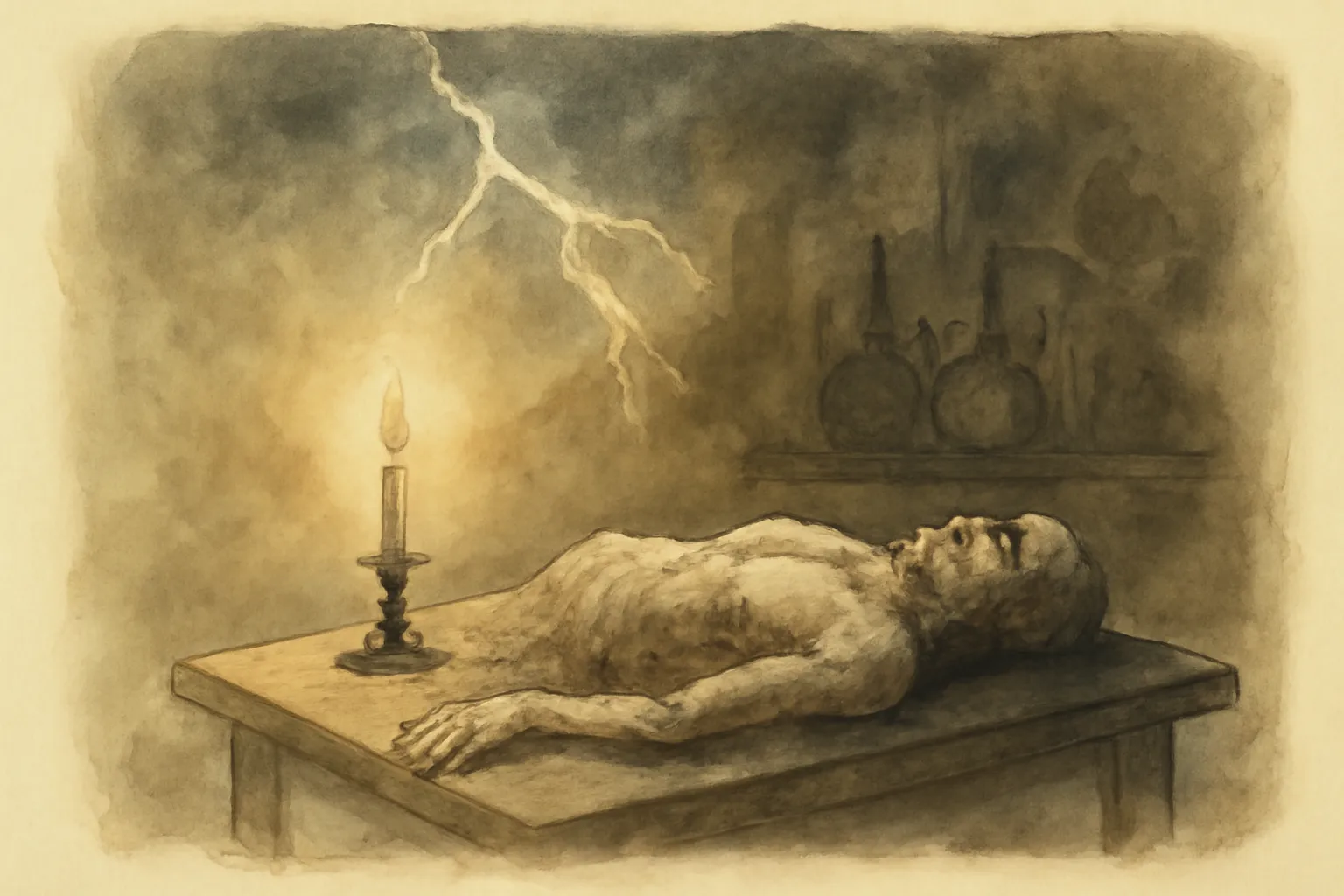
Victor Frankenstein’s relentless pursuit of scientific discovery leads him to create life, but his obsession blinds him to the consequences of his actions. Shelley's novel warns that the pursuit of knowledge, when divorced from ethical considerations and humility, can result in unintended suffering. Victor's downfall is not just due to his scientific prowess, but his failure to foresee or take responsibility for the outcome of his experiment.
2.Responsibility and Abandonment
A central tragedy of the novel is Victor’s abandonment of his creation. The creature, intelligent and sensitive, is left to navigate a hostile world alone. Shelley uses this to critique the failure to take responsibility for one's creations—be they scientific, social, or personal. The monster’s misery and violence are direct results of Victor’s neglect, raising questions about the obligations creators owe to their creations.
3.The Search for Identity and Belonging
The creature’s journey is, at heart, a search for acceptance and love. Rejected by his creator and society, he becomes increasingly isolated and desperate. Shelley explores how social exclusion and lack of empathy can deform even the most innocent beings, suggesting that monstrosity is often a product of society rather than nature.
4.Nature Versus Nurture
Frankenstein’s creature is not born evil; his initial impulses are for kindness and connection. Shelley’s narrative probes whether evil is innate or shaped by experience. The monster’s descent into violence is portrayed as a consequence of repeated rejection and cruelty, making the novel an early exploration of psychological development and the impact of environment on character.
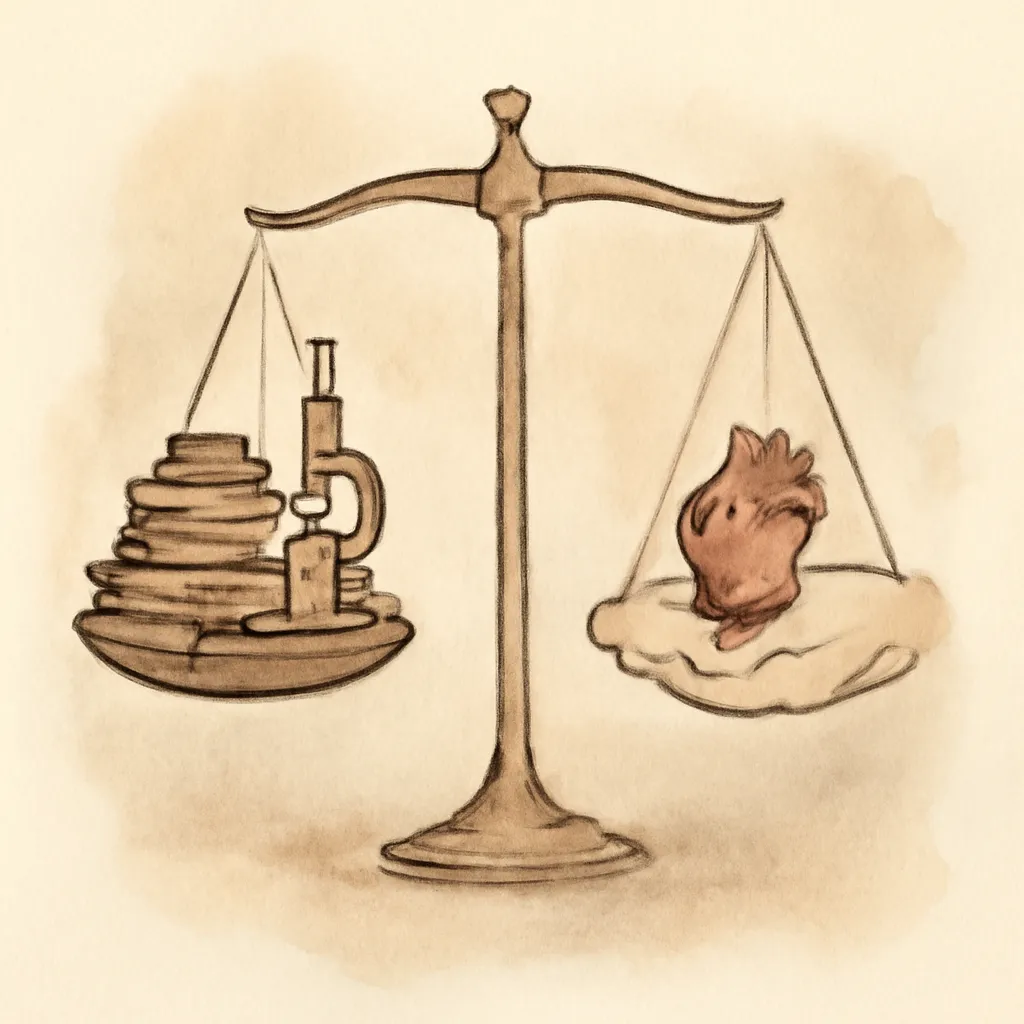
5.The Limits and Ethics of Science
Written during the dawn of the Industrial Revolution, Frankenstein reflects anxieties about rapid scientific progress. Shelley questions whether humans should pursue all that is scientifically possible, or whether there are moral boundaries that should not be crossed. The novel remains relevant as society grapples with new technologies and their ethical implications.
6.Alienation and the Human Condition
Both Victor and his creation experience profound alienation—Victor from his family and peers due to his obsession, and the creature from all humanity. Shelley uses their parallel suffering to reflect on loneliness, the need for connection, and the tragic consequences when these needs are unmet.