1.The Impact of the Norman Conquest on Language and Literature
The Norman Conquest of 1066 marked a pivotal turning point in English linguistic and literary history. Following this event, the English language experienced a significant disruption, as Anglo-Saxon was sidelined in favor of Norman French among the elite. This bifurcation resulted in two distinct languages within England: French for the upper classes and English for the lower. Over the next few centuries, English evolved dramatically, shedding its complex grammar and inflections. By the mid-14th century, the English that emerged was a simplified version infused with French vocabulary. This transformation not only altered the language but also influenced literature, as poets and writers began to incorporate these new linguistic elements, enriching the narrative style and expanding the thematic scope of their works.
2.Chaucer's Enduring Influence
Geoffrey Chaucer is often hailed as the father of English literature, and for good reason. His works, particularly 'The Canterbury Tales,' exemplify the richness of the English language in its newly evolved form. However, the century following Chaucer's death in 1400 was marked by a literary drought, with few poets emerging who could match his genius. Imitators attempted to replicate his style, but they lacked the depth and innovation that Chaucer brought to his writing. The period gave rise to lesser-known figures like Thomas Occleve and John Lydgate, whose contributions, while noteworthy, did not reach the heights of Chaucer's artistry. Chaucer's influence extended beyond England, inspiring Scottish poets like James I, who adopted his techniques and themes, demonstrating the far-reaching impact of Chaucer's work on subsequent generations.
3.The Elizabethan Age: A Flourishing of Poetry
The Elizabethan Age, often considered the zenith of English poetry, was characterized by a remarkable outpouring of creativity and intellectual vigor. Beginning with Edmund Spenser's 'Shepheard's Calendar' in 1579, this era produced a wealth of poetic talent, including luminaries such as William Shakespeare and John Milton. The literature of this time reflects a unique blend of national identity and artistic expression, with themes of love, power, and nature interwoven into the fabric of society. The influence of Queen Elizabeth I was palpable, as her patronage and presence inspired poets to create works that celebrated her reign. The Elizabethan poets embraced a lush, imaginative style, leaving a legacy that would resonate throughout the ages, establishing a standard for future literary endeavors.
4.The Transition to the Age of Milton
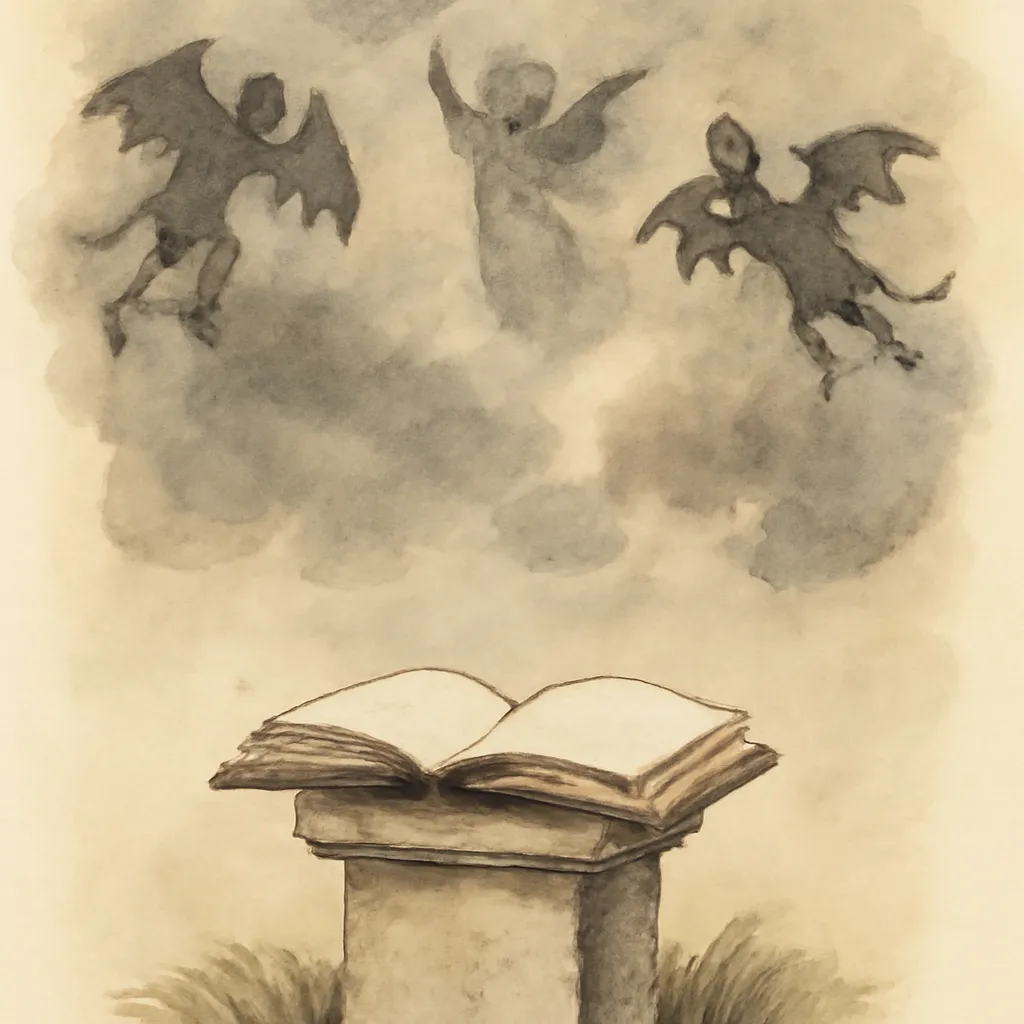
Following the Elizabethan period, the literary landscape underwent a transformation during the Age of Milton. This era was marked by a shift in tone and subject matter, reflecting the political and religious turmoil of the time. Milton emerged as a towering figure, with his epic works like 'Paradise Lost' encapsulating the complexities of faith, free will, and human nature. The literature of this period was shaped by the civil strife and the rise of Puritanism, which influenced writers to engage with themes of morality and governance. Unlike the exuberance of the Elizabethan poets, Milton's work delves into profound philosophical and theological questions, showcasing the deepening of literary exploration during this time. The transition from the Elizabethan to the Stuart period illustrates the adaptability of English literature in response to changing societal currents.
5.The Restoration Era: A Shift Towards Prose
The Restoration of the monarchy in 1660 heralded a new chapter in English literature, characterized by a significant shift from poetry to prose. The exuberant spirit of the previous age gave way to a more skeptical, critical approach, reflecting the disillusionment of a society recovering from civil war. Writers such as John Dryden emerged, blending wit and satire with a focus on social commentary. The literature of this time was heavily influenced by French styles, as exiled writers returned with new tastes and techniques. The rise of coffeehouses as centers of literary and political discourse marked a transformation in how literature was consumed and discussed. While the era produced fewer poetic masterpieces, it laid the groundwork for modern prose and the exploration of complex characters and societal issues.
6.Romanticism: A Return to Nature and Emotion
The late 18th century witnessed the emergence of Romanticism, a movement that sought to reclaim the emotional intensity and natural beauty often lost in the preceding age. This shift was catalyzed by the upheaval of the French Revolution, which inspired writers to explore themes of individualism, nature, and the sublime. Poets like William Wordsworth and Samuel Taylor Coleridge embraced the beauty of the English landscape and the power of human emotion, setting a stark contrast to the rationalism of the Enlightenment. The Romantic poets celebrated the untamed aspects of nature, drawing inspiration from the wild and the heroic simplicity of life. This era marked a profound departure from the focus on societal manners and conventions, inviting readers to engage with the deeper truths of existence and the human experience.
7.The Proliferation of Periodicals and the Rise of the Novel
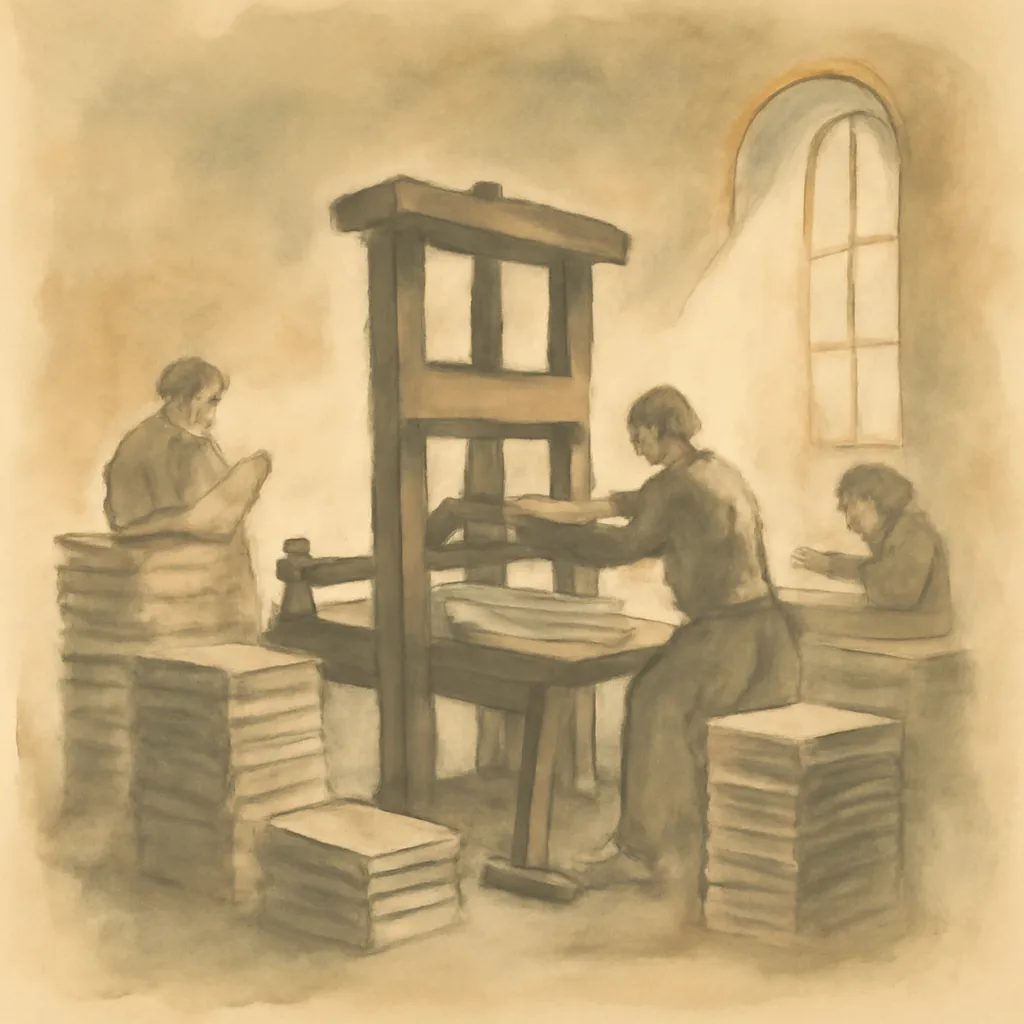
The early 19th century saw an explosion of literary activity, driven by advancements in communication and the rise of periodicals. The establishment of influential journals like the Edinburgh Review and the London Quarterly provided platforms for writers to reach wider audiences. This era gave birth to the modern novel, which became the dominant form of literary expression, paralleling the societal shift toward individual experience and realism. Authors like Charles Dickens, William Makepeace Thackeray, and George Eliot emerged as key figures, crafting intricate narratives that explored the complexities of life in a rapidly changing society. The novel's ability to reflect the nuances of everyday experiences allowed it to resonate with readers on a personal level, cementing its place in the literary canon. This proliferation of literature not only enriched the cultural landscape but also democratized access to storytelling.
8.The Enduring Legacy of Key Literary Figures
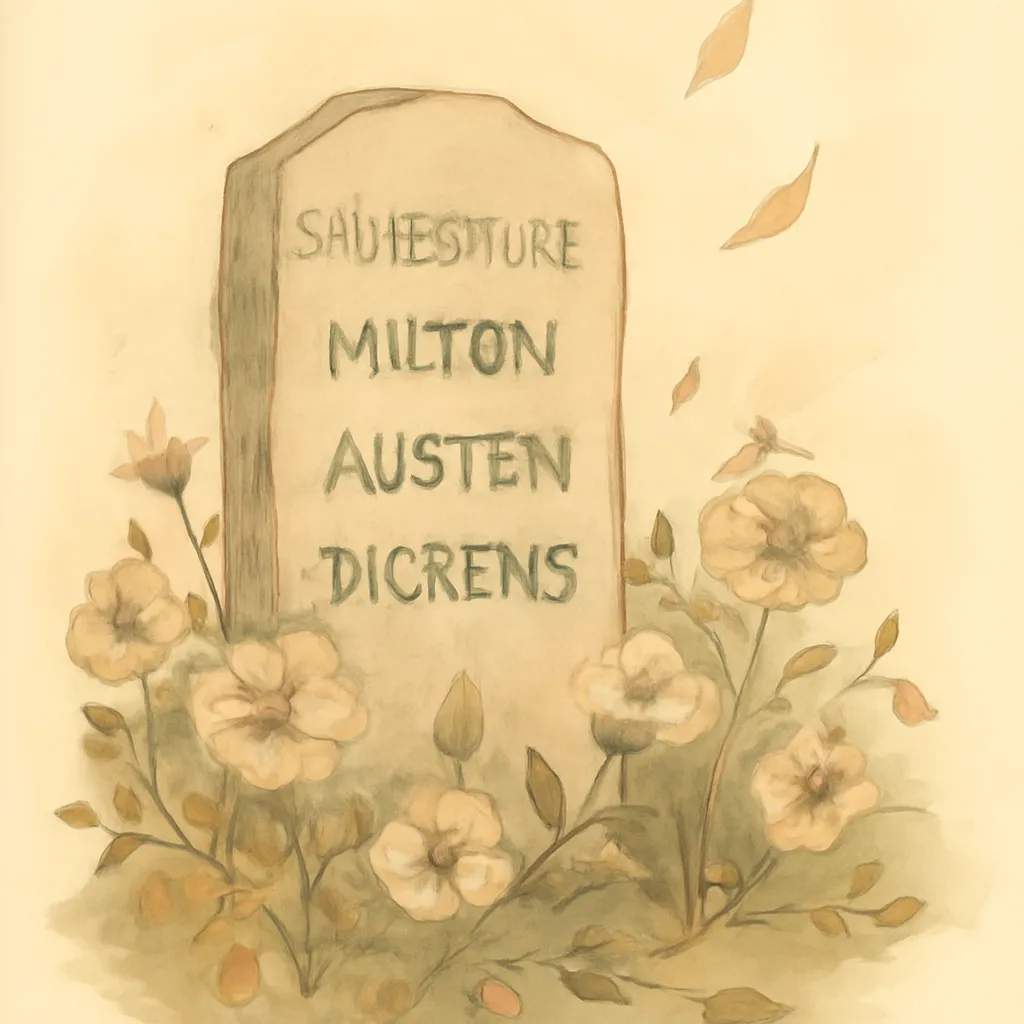
Throughout the development of English literature, certain authors have left indelible marks that continue to influence writers and readers alike. Figures like Shakespeare, Milton, and Chaucer set high standards for artistic expression, while their themes of love, power, morality, and human nature resonate through the ages. Their works have been interpreted, adapted, and celebrated in countless ways, reflecting the timeless nature of their insights. The rise of 19th-century novelists such as Dickens and Eliot brought new dimensions to character development and social critique, shaping the expectations of literary narratives. The legacy of these writers serves as both a foundation and a challenge for contemporary authors, who draw inspiration from their pioneering approaches while striving to carve out their unique voices. The interplay between past and present in literature underscores the evolving nature of storytelling and its capacity to address the human condition.
9.The Cultural Context and Historical Influences on Literature
Understanding English literature requires a keen awareness of the cultural and historical contexts that shaped its evolution. Each literary period reflects the societal values, conflicts, and transformations of its time, from the feudal structures following the Norman Conquest to the individualism celebrated during the Romantic era. Political upheavals, such as the English Civil War and the French Revolution, prompted writers to grapple with themes of authority, justice, and personal freedom. The interplay between literature and social change is evident in how authors responded to the challenges of their eras, often using their works as a means of critique or reflection. This dynamic relationship enriches the reading experience, allowing audiences to engage not only with the text but also with the broader human narrative that informs it.
10.The Transition from Poetry to Prose: A Reflection of Societal Change
The gradual shift from poetry to prose throughout English literary history mirrors the changing dynamics of society itself. As the nation grappled with political unrest and social upheaval, the literary form evolved to better reflect the complexities of human experience. The Restoration era's focus on satire and critique in prose indicated a society in search of clarity amidst chaos, while the Romantic period's embrace of emotional depth and natural imagery revealed a longing for connection with the world. This transition highlights how literature adapts to capture the zeitgeist, serving as both a mirror and a catalyst for societal change. The rise of the novel as the predominant literary form illustrates this evolution, as authors began to explore the intricacies of individual lives and the moral dilemmas faced in an increasingly urbanized world.