1.The Birth of the Gun Club
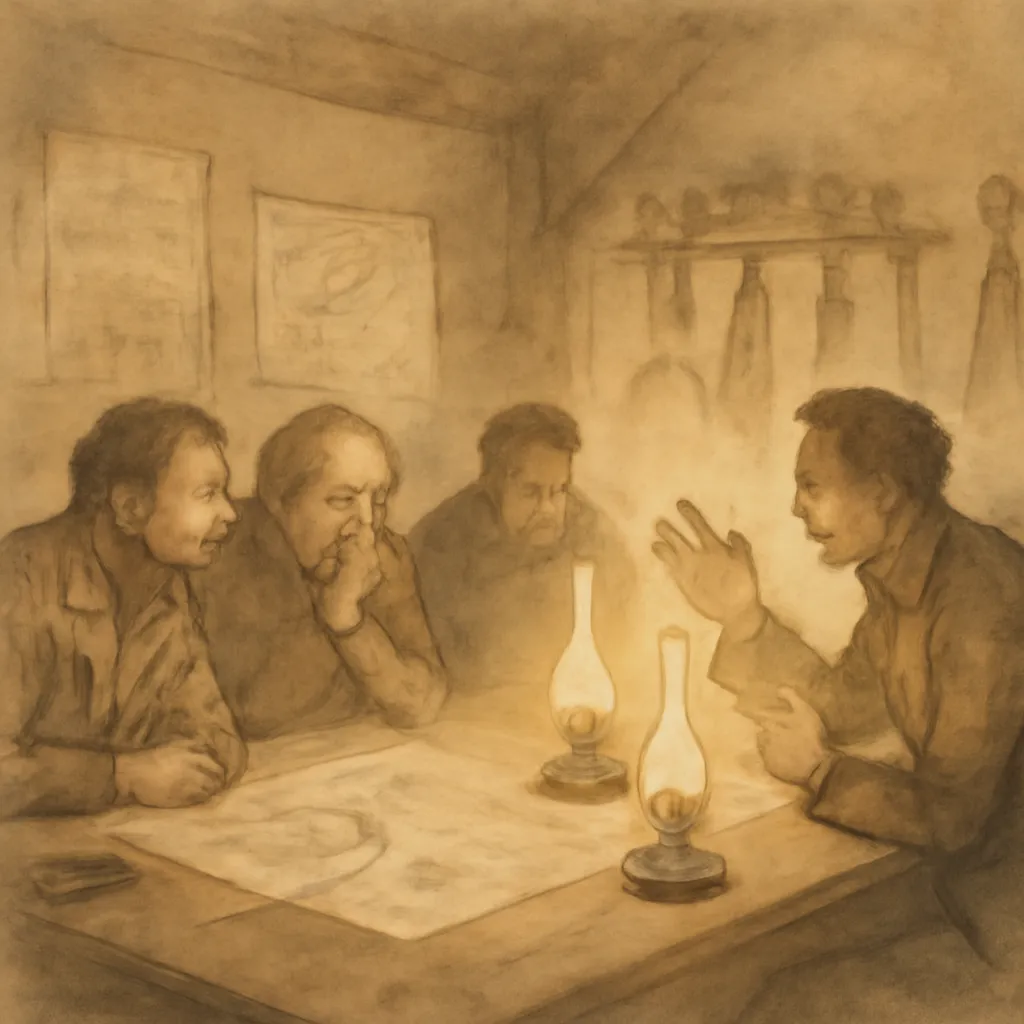
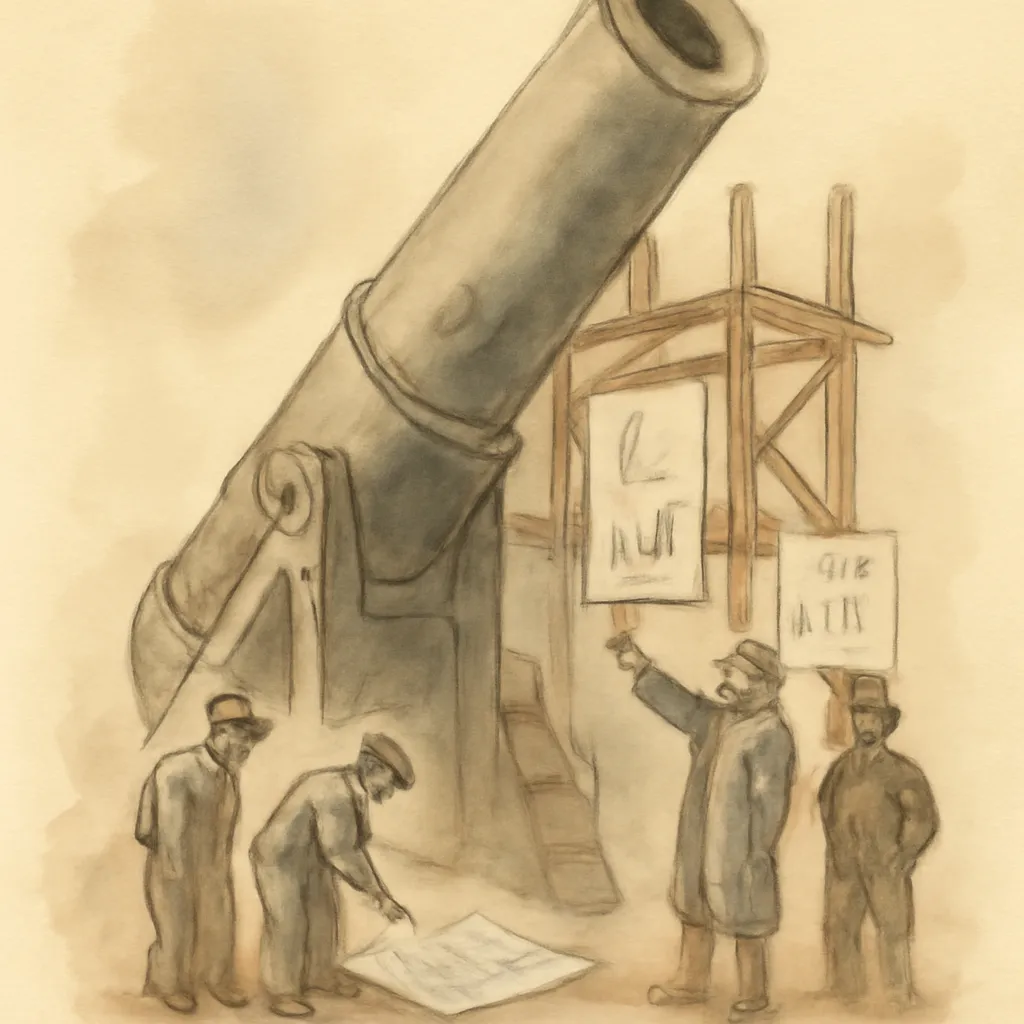
The story begins during the War of the Rebellion, a time when Americans were deeply invested in military technology and innovation. In Baltimore, the Gun Club emerges as a response to this fervor, attracting a diverse membership of inventors, mechanics, and military enthusiasts. With over 1,800 members in just a month, the club quickly becomes a hub for ambitious ideas focused on artillery and gunnery. The Gun Club's formation highlights the American spirit of collaboration and ingenuity, as members pool their resources and expertise to tackle grand challenges. This collective effort encapsulates the essence of American innovation, where even tradesmen could aspire to greatness through shared ambition and scientific exploration.
2.President Barbicane's Bold Proposal
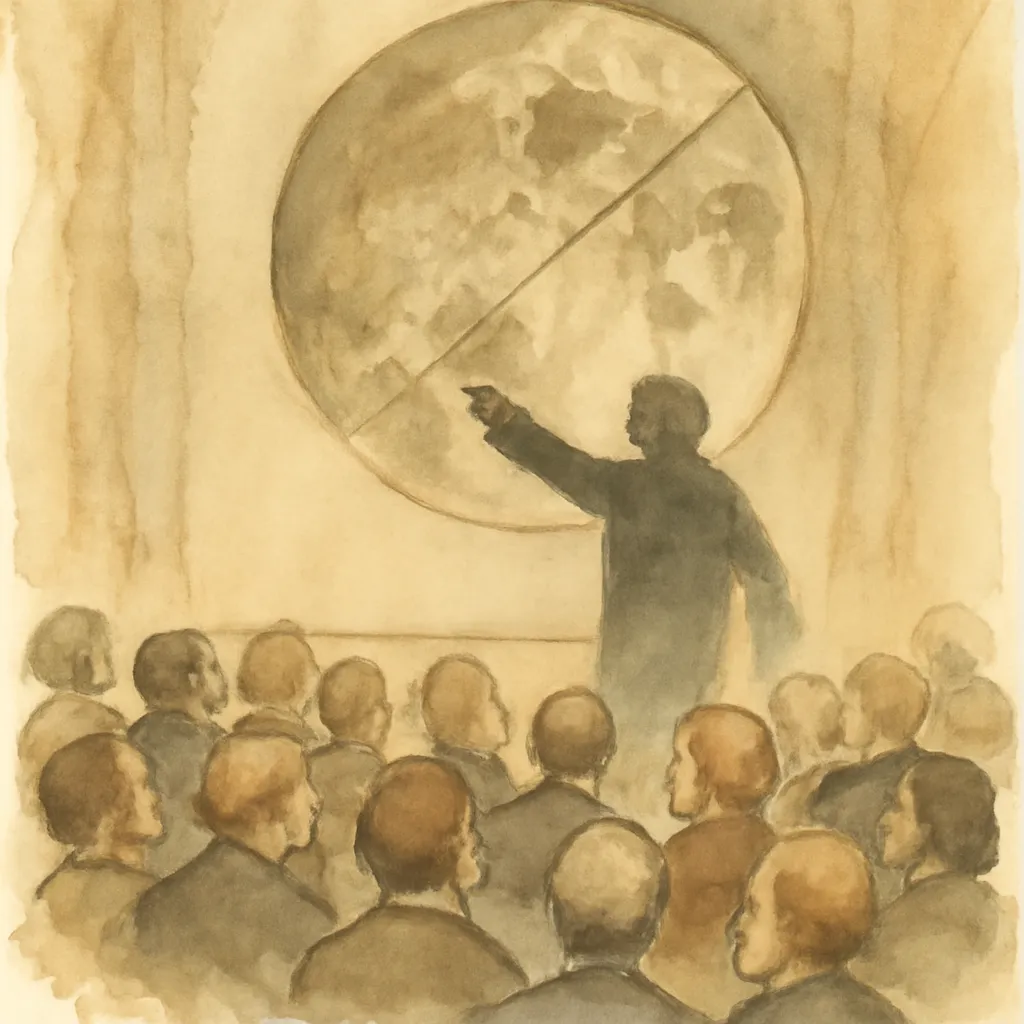
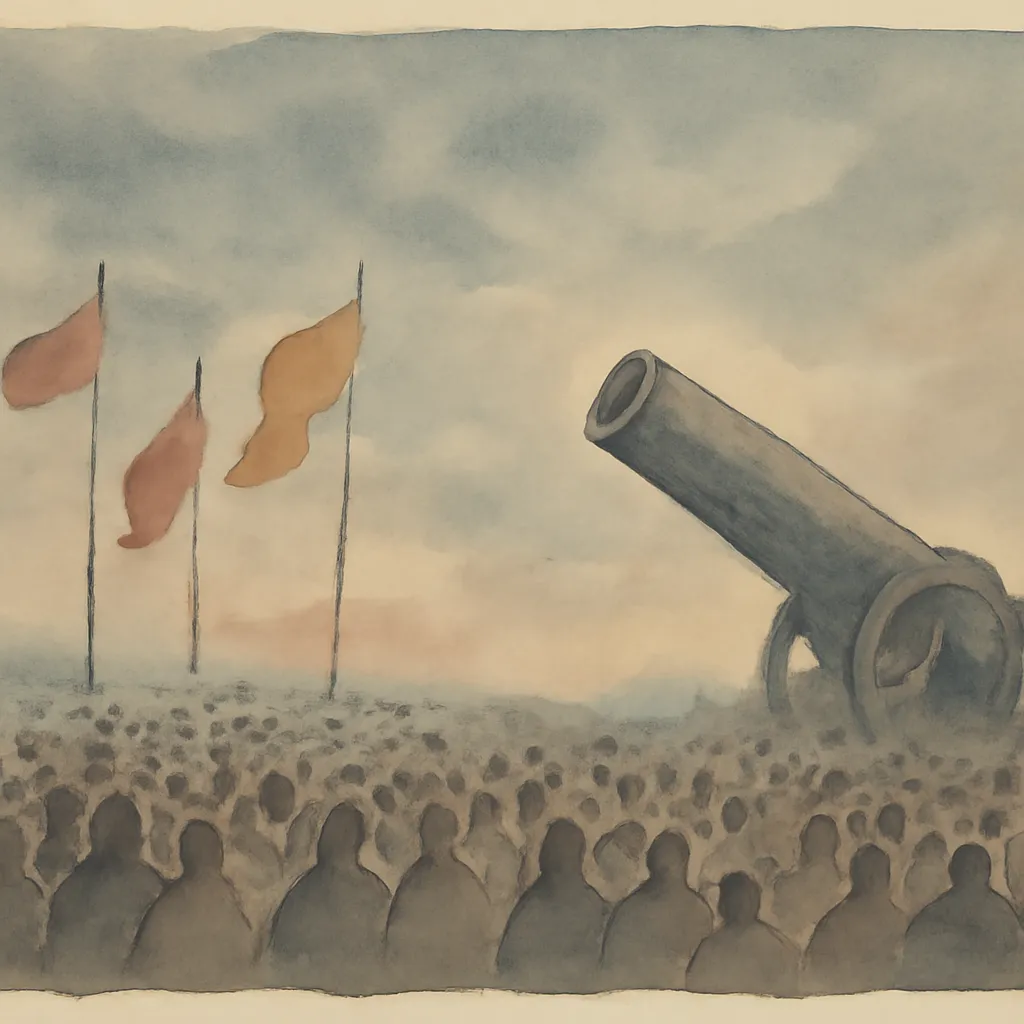
President Barbicane, the leader of the Gun Club, proposes an audacious plan: to launch a projectile to the moon. His declaration ignites a wave of enthusiasm among club members and the public, demonstrating the contagious nature of visionary ideas. The scene at the Gun Club's meeting hall is electric, filled with excitement and disbelief as members react to the proposal. Barbicane's calm demeanor amidst the chaos reflects his confidence in the feasibility of the project. This moment captures the essence of human ambition, where the boundaries of possibility are pushed, and the impossible becomes a topic of serious discourse. The proposal not only serves as a catalyst for action but also as a reflection of the cultural zeitgeist of the era, embodying the yearning for exploration and discovery.
3.Scientific Consultation and Selenomania
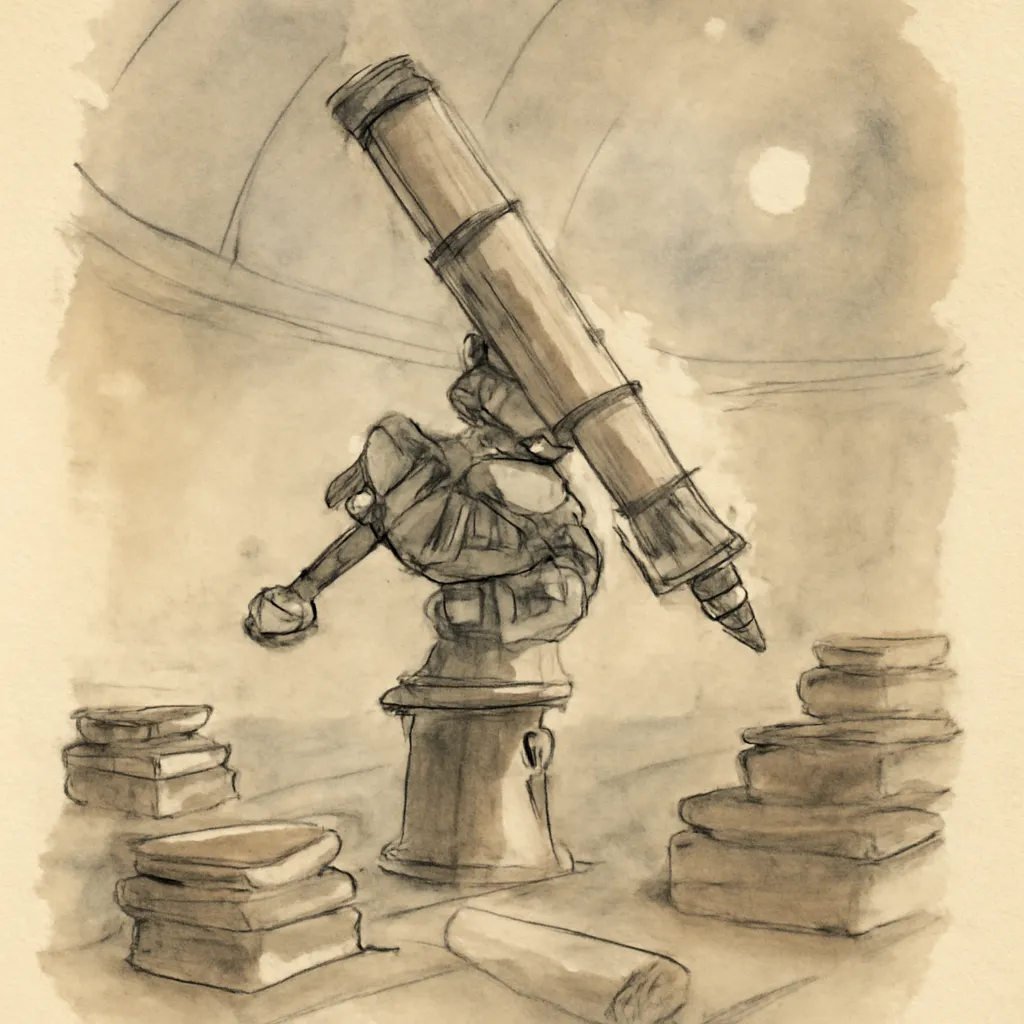
Following the announcement of the moonshot plan, Barbicane seeks the expertise of astronomers at the Observatory of Cambridge to address crucial questions about the feasibility of the mission. Their response confirms that launching a projectile to the moon is indeed possible, igniting a nationwide frenzy known as selenomania—a collective obsession with the moon. This phenomenon showcases the interplay between science and public fascination, as people eagerly absorb astronomical knowledge and engage in discussions about the moon's mysteries. The excitement surrounding the moon encourages a revival of interest in astronomy and the sciences, illustrating how a bold idea can inspire widespread curiosity and learning. The Gun Club's mission becomes a symbol of hope and progress, representing humanity's desire to reach beyond its terrestrial limits.
4.The Mechanics of the Cannon
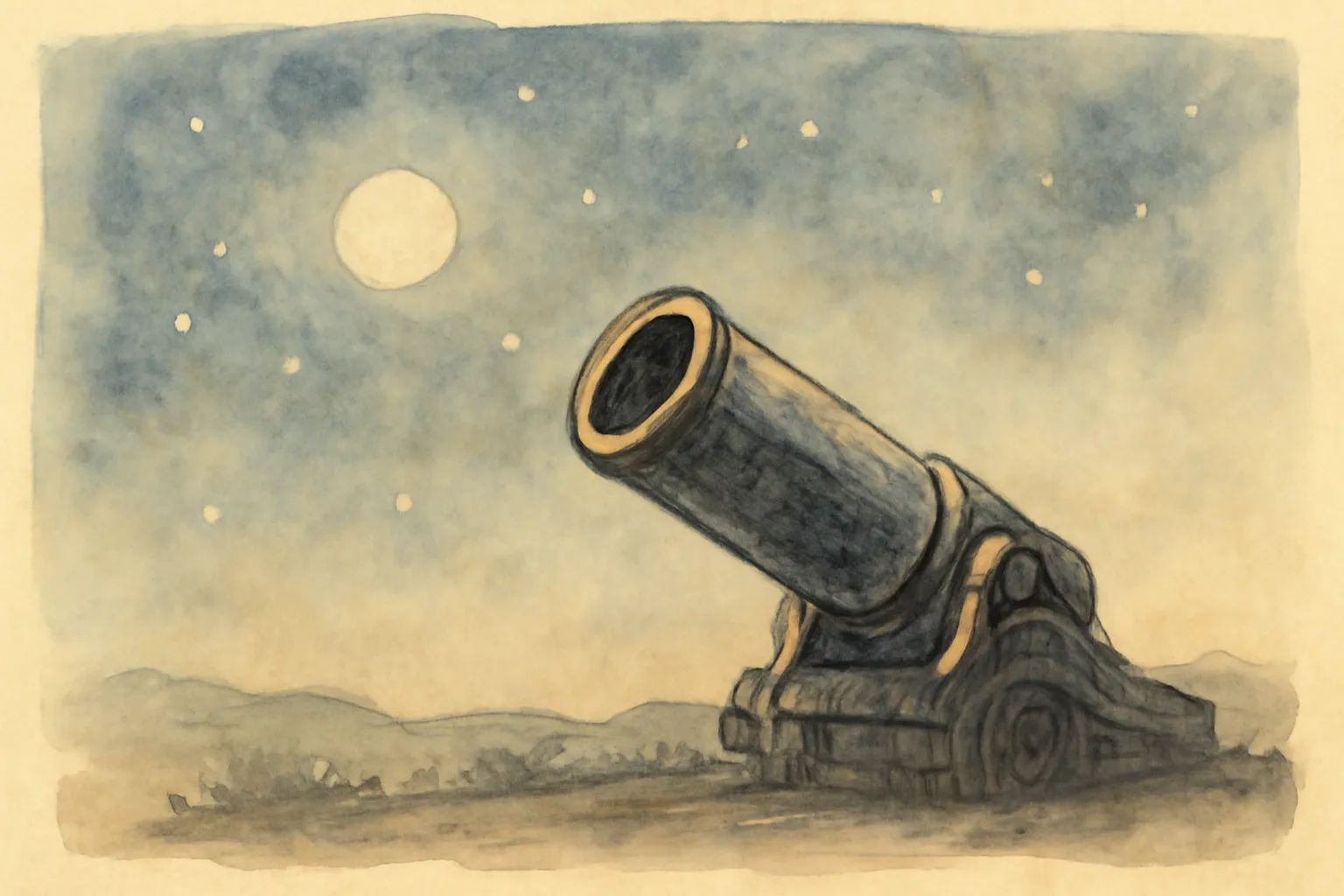
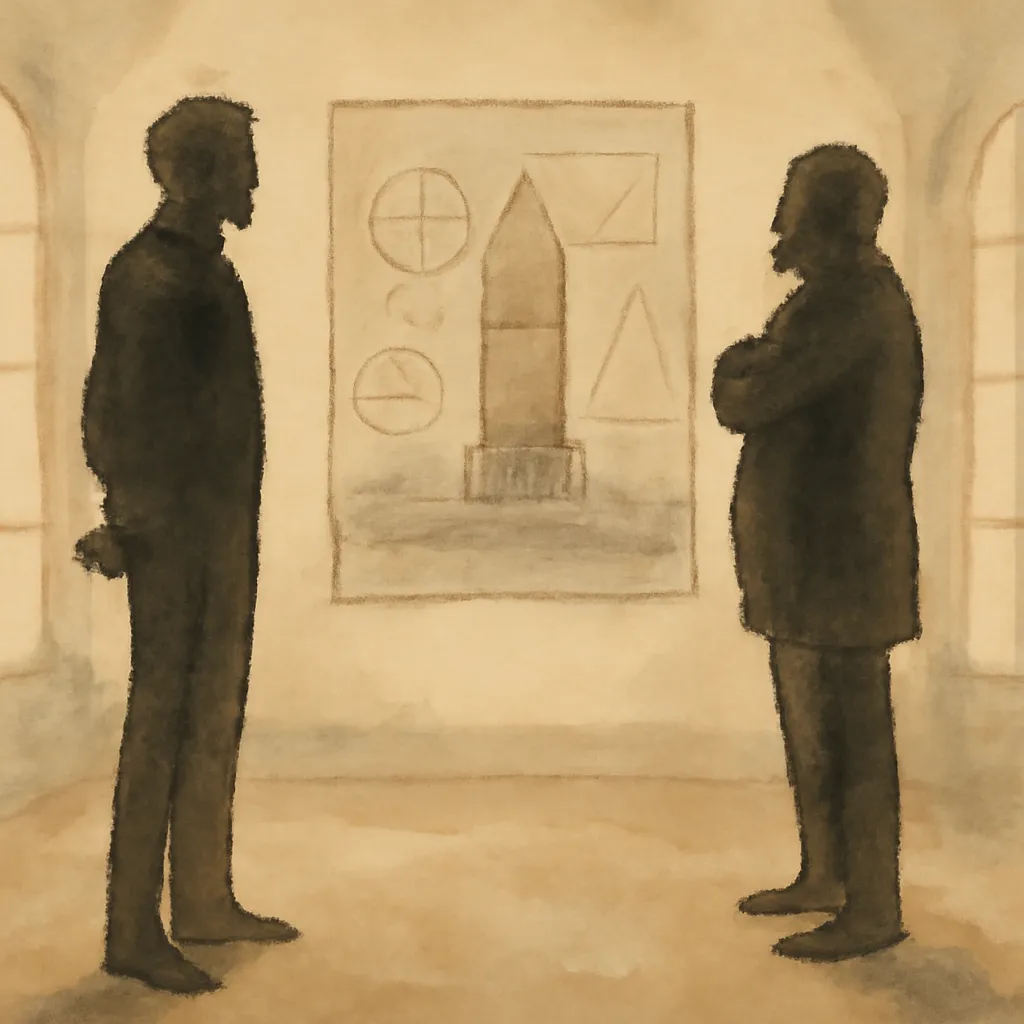
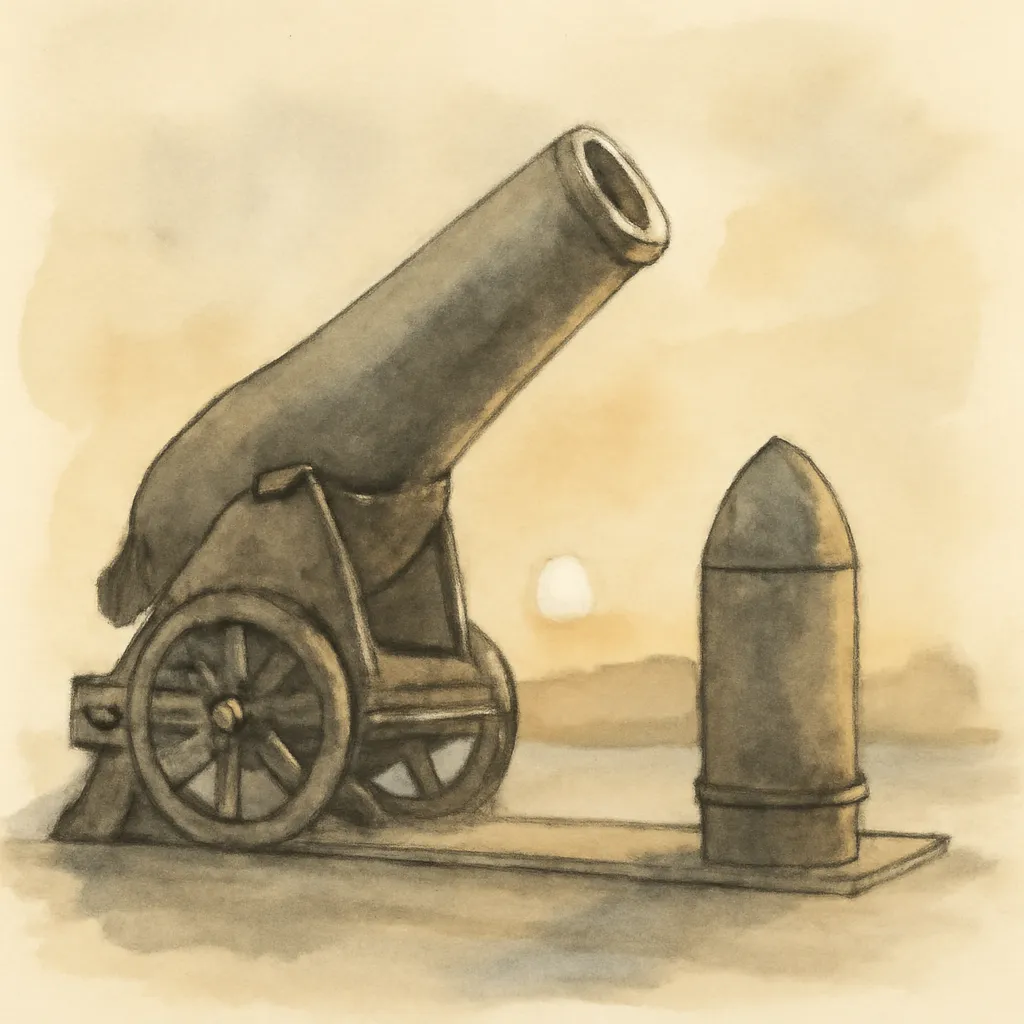
As the project progresses, the Gun Club faces significant engineering challenges, particularly concerning the construction of the cannon that will launch the projectile. Barbicane emphasizes the importance of the projectile's design, arguing that its dimensions will dictate the cannon's requirements. This focus on design reveals the intricate relationship between technology and human ambition. The discussions around the cannon's mechanics delve into topics such as the resistance of air, gravitational forces, and the required velocity for a successful launch. Through these technical deliberations, Verne illustrates the complexities of scientific inquiry and the necessity of precision in engineering. The meticulous planning and problem-solving efforts serve as a testament to the determination and ingenuity of the Gun Club members, showcasing their unwavering commitment to the moonshot endeavor.
5.The Role of Gunpowder
A pivotal aspect of the cannon's design involves the selection and quantity of gunpowder necessary for propulsion. The Gun Club's committee examines historical data on gunpowder usage, drawing parallels between traditional artillery and their grand project. This exploration of gunpowder reflects the historical significance of explosive materials in warfare and innovation. Major Elphinstone, a key member of the committee, provides insights into the efficiency of gunpowder and its critical role in achieving the desired velocity. The discussions surrounding gunpowder highlight the intersection of science and practicality, as the members consider the risks and benefits of using such volatile substances. Verne's attention to detail in this area emphasizes the importance of understanding the materials and technologies that enable groundbreaking advancements.
6.The Rivalry with Captain Nicholl
Amidst the excitement of the moonshot project, a rivalry emerges between President Barbicane and Captain Nicholl, a fellow inventor who challenges the feasibility of the endeavor. Nicholl's skepticism not only serves as a foil to Barbicane's optimism but also reflects broader societal debates about innovation and its limits. Their rivalry intensifies as Nicholl publicly criticizes the project and even bets against its success. This dynamic adds an element of drama to the narrative, showcasing the competitive spirit that often accompanies groundbreaking ideas. Verne uses this rivalry to explore themes of ambition, pride, and the nature of scientific discourse. The tension between the two inventors illustrates the challenges faced by pioneers in their quest for recognition and validation, further enriching the story's exploration of human ambition.
7.Choosing the Launch Site
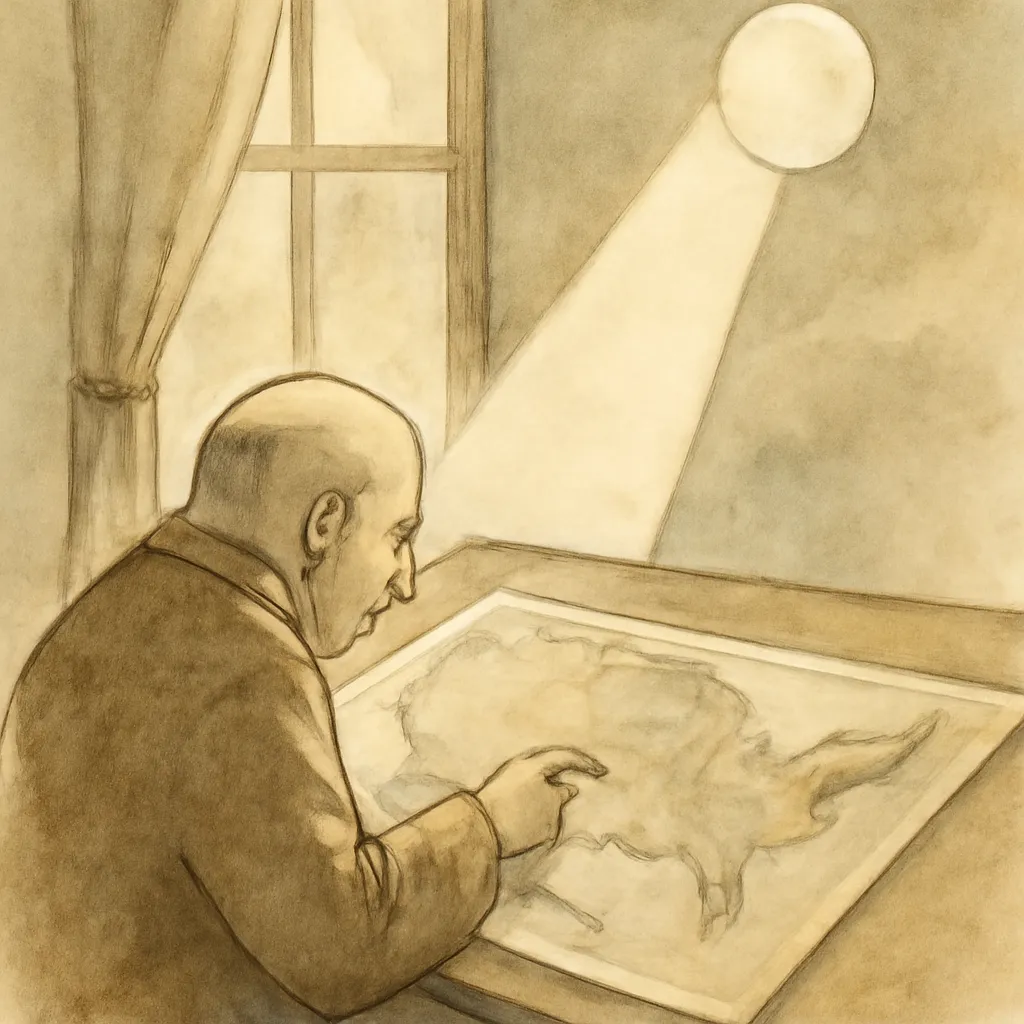
As the project gains momentum, the Gun Club must select an ideal location for the cannon's construction and launch. Barbicane presents a map of the United States to the club, emphasizing that the site must be within the latitudinal range where the moon can be directly targeted. The decision ultimately falls between Florida and Texas, igniting a rivalry between towns eager to host the groundbreaking experiment. This geographical consideration highlights the importance of location in engineering projects and the strategic planning required to achieve success. The competitive spirit among the townsfolk serves as a microcosm of the larger national pride at stake in the mission. Verne's depiction of this rivalry adds a layer of excitement and anticipation, as communities rally around the ambitious goal of reaching the moon.
8.The Financial Challenge
Securing funding for the ambitious moonshot project proves to be a significant hurdle. Barbicane recognizes that the financial requirements far exceed the capacity of any single individual or state. In a bold move, he opens up the project to international subscription, framing it as a global endeavor that transcends borders. This appeal resonates with a worldwide audience, as many people are eager to contribute to the historic mission. The response is overwhelming, with funds pouring in from various nations, illustrating the universal fascination with exploration and discovery. Verne's portrayal of this fundraising effort underscores the collective human desire to participate in monumental achievements, highlighting the interconnectedness of global aspirations. The successful subscription not only provides the necessary resources but also fosters a sense of camaraderie among those invested in the mission.
9.The Arrival of Michel Ardan
As the launch date approaches, an unexpected twist occurs when Michel Ardan, a French adventurer, expresses his desire to travel inside the projectile. His bold proposition adds a new dimension to the mission, transforming it from a scientific experiment into a daring adventure. Ardan's enthusiasm and charisma captivate both the Gun Club members and the public, further igniting interest in the project. His presence introduces themes of courage, exploration, and the human spirit's yearning for the unknown. The idea of human passengers traveling to the moon elevates the mission's stakes and transforms it into a symbol of human possibility. Verne uses Ardan's character to embody the adventurous spirit of the age, emphasizing the importance of individual agency in the pursuit of extraordinary goals.
10.The Design of the Projectile
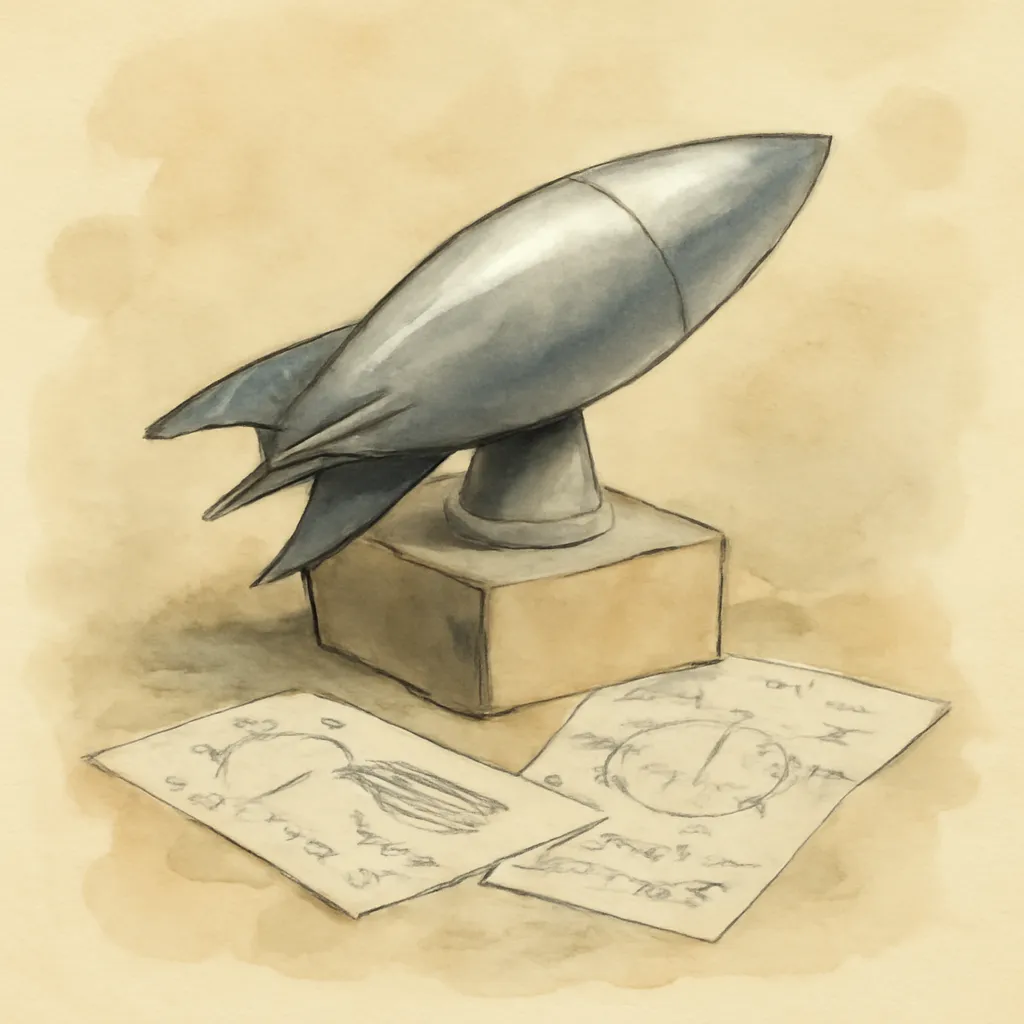
With the cannon's construction underway, the focus shifts to the design of the projectile itself—an intricate vehicle intended to carry the adventurers on their lunar journey. Verne details the innovative engineering behind the projectile, emphasizing the need for safety and comfort for the travelers. The design incorporates various features, such as a water bed to absorb shock and a series of escape tubes for potential emergencies. This careful consideration of the travelers' experience reflects the broader themes of human ingenuity and the lengths to which engineers will go to ensure success. Verne's attention to detail in the projectile's design serves to highlight the complexities of space travel, foreshadowing the challenges that await the adventurers. The meticulous planning underscores the narrative's central message: that human ambition can overcome even the most daunting obstacles.
11.The Anticipation of Launch Day
As launch day approaches, the excitement and tension among the Gun Club members and the public reach a fever pitch. The final preparations for loading the cannon and ensuring the projectile's readiness are fraught with challenges. Barbicane's leadership is put to the test as he navigates the logistical complexities of the operation, ensuring that every detail is accounted for. Verne captures the atmosphere of anticipation, illustrating how the entire nation is invested in the success of the mission. The palpable excitement serves as a reminder of the power of collective ambition and the human desire to explore the unknown. This buildup to launch day encapsulates the novel's central themes of innovation, collaboration, and the relentless pursuit of the extraordinary.