1.The Contrast of Journeys
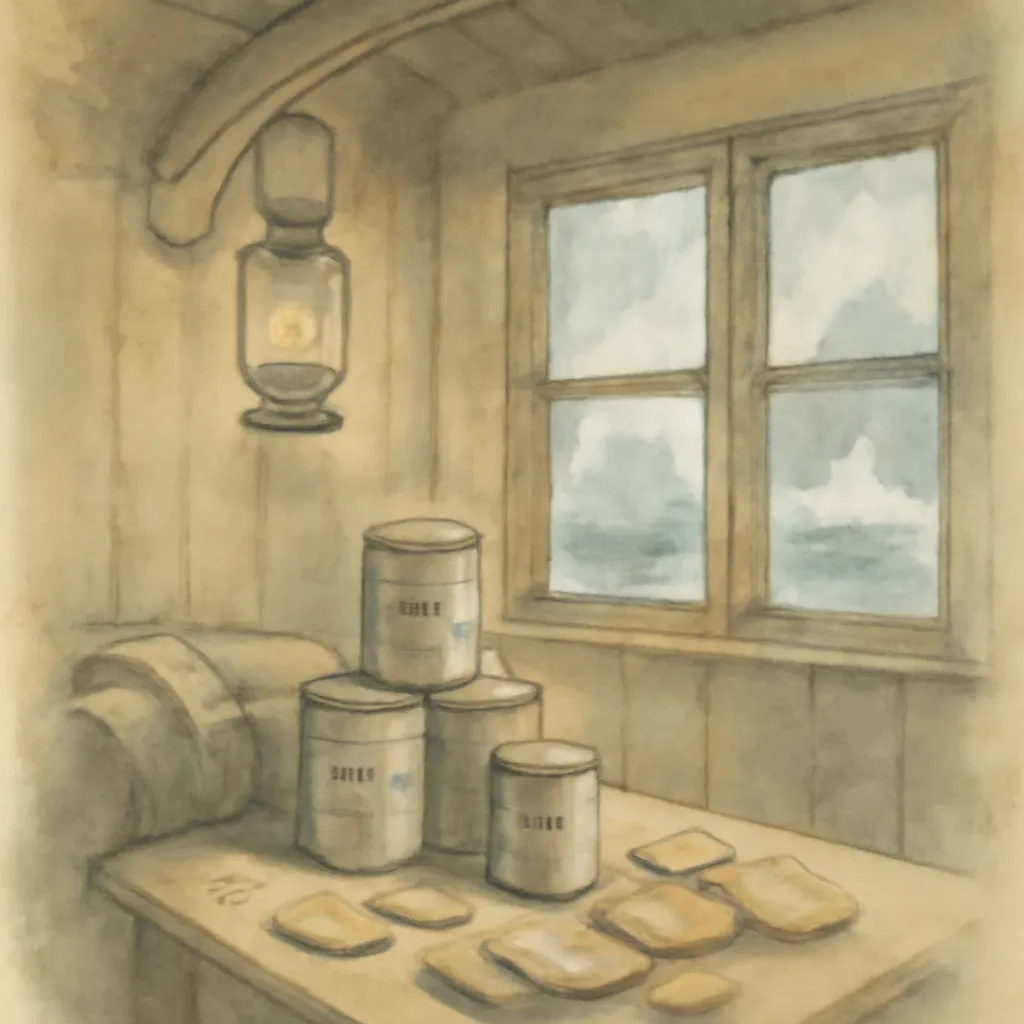
Murdoch begins his narrative by contrasting his current voyage to India with a previous adventure in the Antarctic. He vividly recalls the austere life aboard a whaling ship, where the menu was limited to salt beef, hard biscuits, and even penguin, creating a stark image of early 20th-century exploration. This voyage was characterized by isolation, danger, and the raw beauty of uncharted territories. In contrast, his journey to India unfolds aboard a luxurious P. & O. liner, resembling a floating hotel filled with passengers indulging in elaborate meals and comforts. This juxtaposition highlights not only the evolution of travel but also the different experiences of exploring remote, uninhabited lands versus encountering culturally rich, populated regions. Murdoch’s longing for the genuine adventure of the Antarctic is tempered by the chaos and comfort of modern travel, framing his reflections on exploration as both an artistic and emotional pilgrimage.
2.The Departure from Edinburgh
Murdoch's journey begins in Edinburgh, a city steeped in nostalgia and personal significance. As he prepares to leave, he notes that the act of departure intensifies his appreciation for his hometown, filled with picturesque streets and a unique character. The melancholy of saying goodbye is underscored by the heavy load of baggage, both literal and metaphorical, he carries with him. This baggage symbolizes the weight of expectations, memories, and artistic aspirations. He reflects on the vibrancy of Edinburgh—its 'Auld Reekie' atmosphere, the streets under electric light, and the fleeting moments shared with locals—capturing the bittersweet essence of parting. Murdoch's farewell sets the stage for his explorations, suggesting that while the physical journey is significant, the emotional landscape of leaving home is equally profound.
3.The Majesty of the Sea
As the ship sails away from England, Murdoch reflects on the beauty and majesty of the sea, which becomes a central theme in his narrative. The changing colors of the ocean and its moods resonate with his artistic sensibilities, inspiring a sense of wonder and introspection. He describes the misty grey decks and the shimmering reflections that enhance the atmosphere, connecting this experience to the historical navigators of old who braved the same waters. The sea serves as both a barrier and a bridge—isolating him from home yet linking him to the vastness of the world. Murdoch's contemplation of the sea’s beauty not only enriches his observations but also informs his artistic practices, leading him to see the ocean not merely as a backdrop but as a vital element influencing the human experience.
4.First Impressions of India
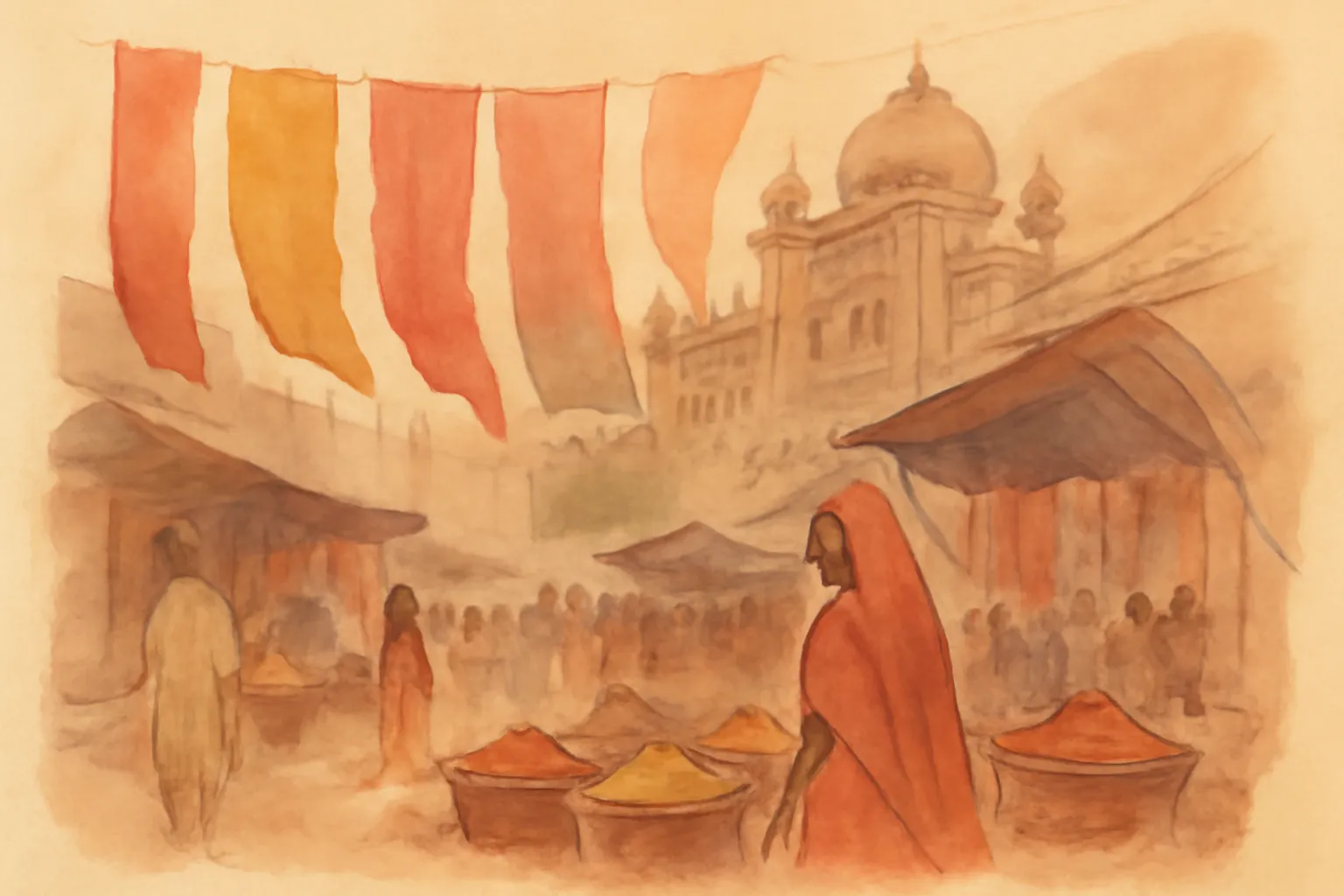
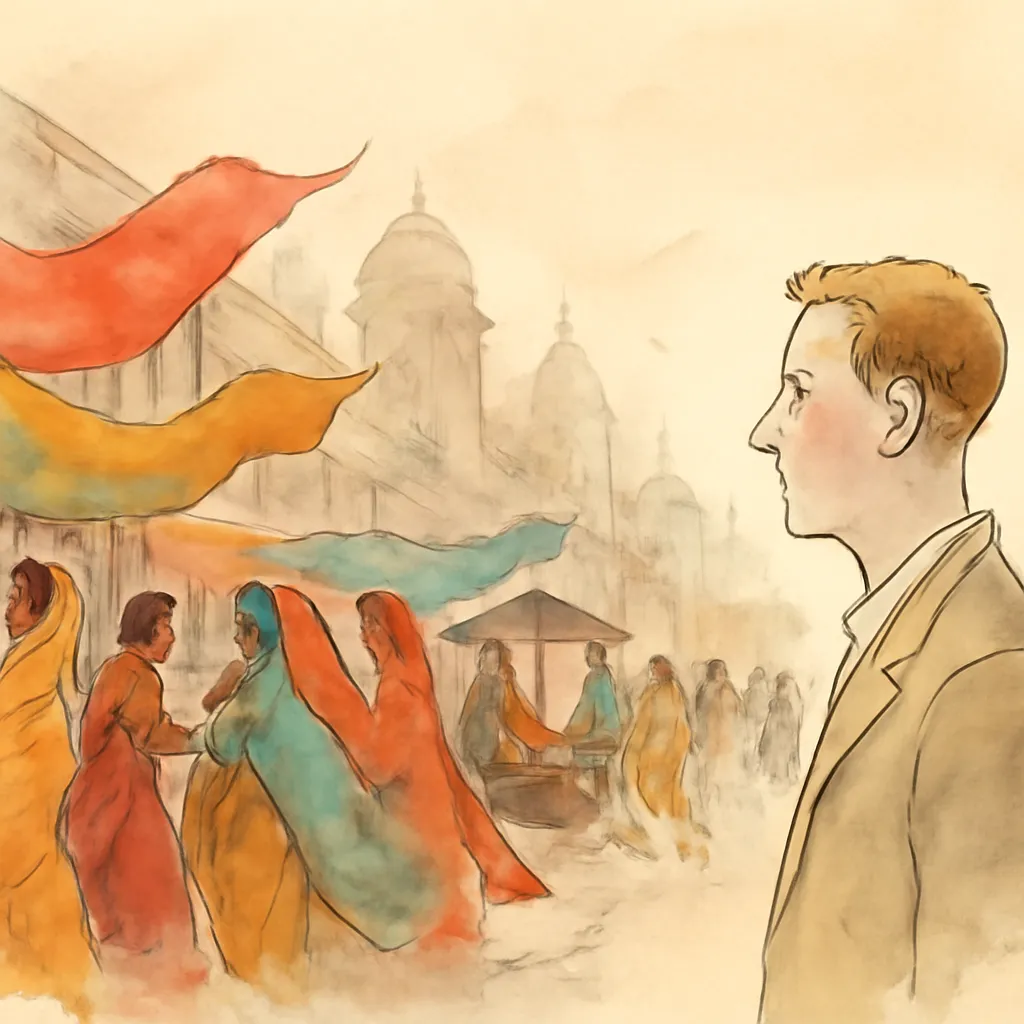
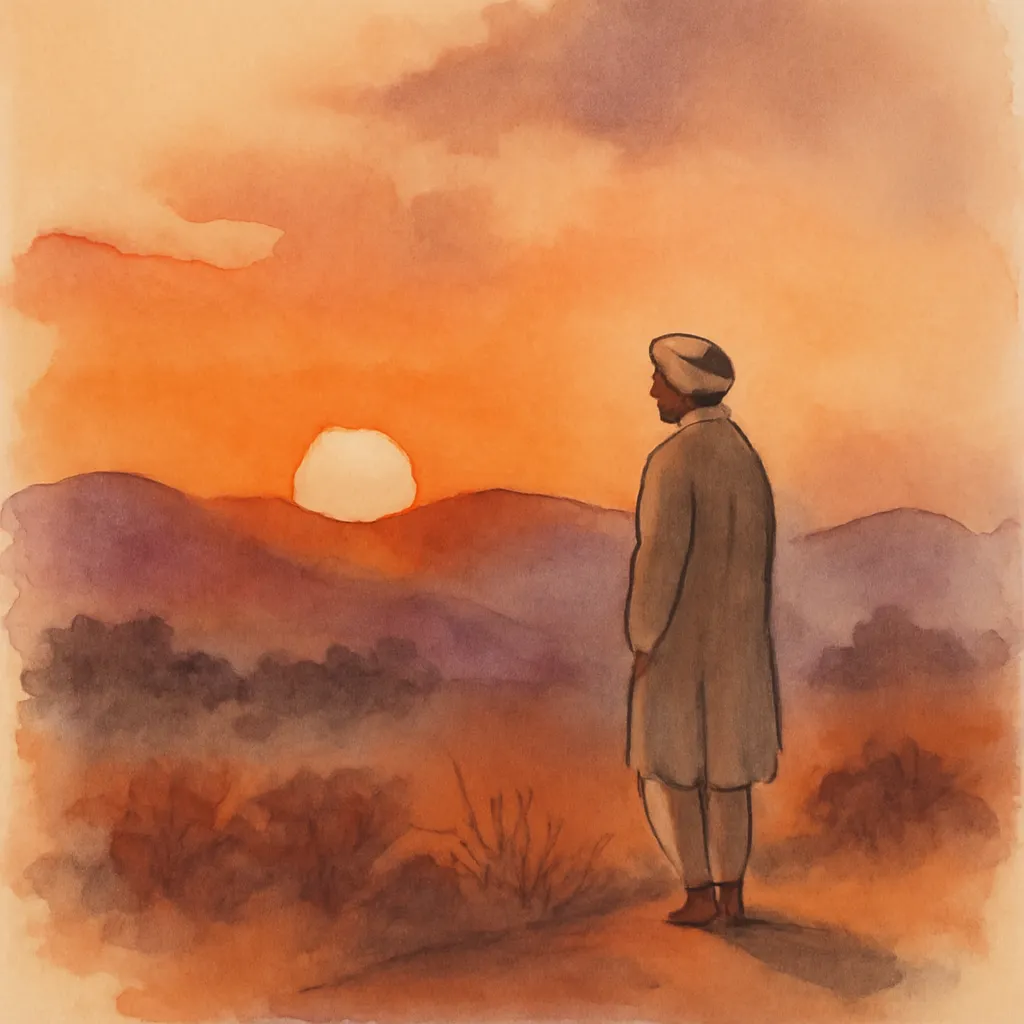
Upon his arrival in India, Murdoch is immediately enveloped by a sensory overload that encapsulates the richness of the culture. The vibrant colors, sounds, and smells of Bombay confront him, creating a sharp contrast with the familiar landscapes of Scotland. The royal receptions he witnesses, complete with illuminations and gunfire, signify the British colonial presence and the grandiosity of imperial spectacles. However, amidst the spectacle, he becomes acutely aware of the disparities between the 'great people' and the everyday lives of the 'little people' around him. This duality of admiration and critique informs his understanding of India as a land filled with beauty yet marked by stark inequalities. This initial impression shapes his journey, prompting him to explore not just the allure of India but its complexities and contradictions.
5.The Cultural Tapestry of Bombay
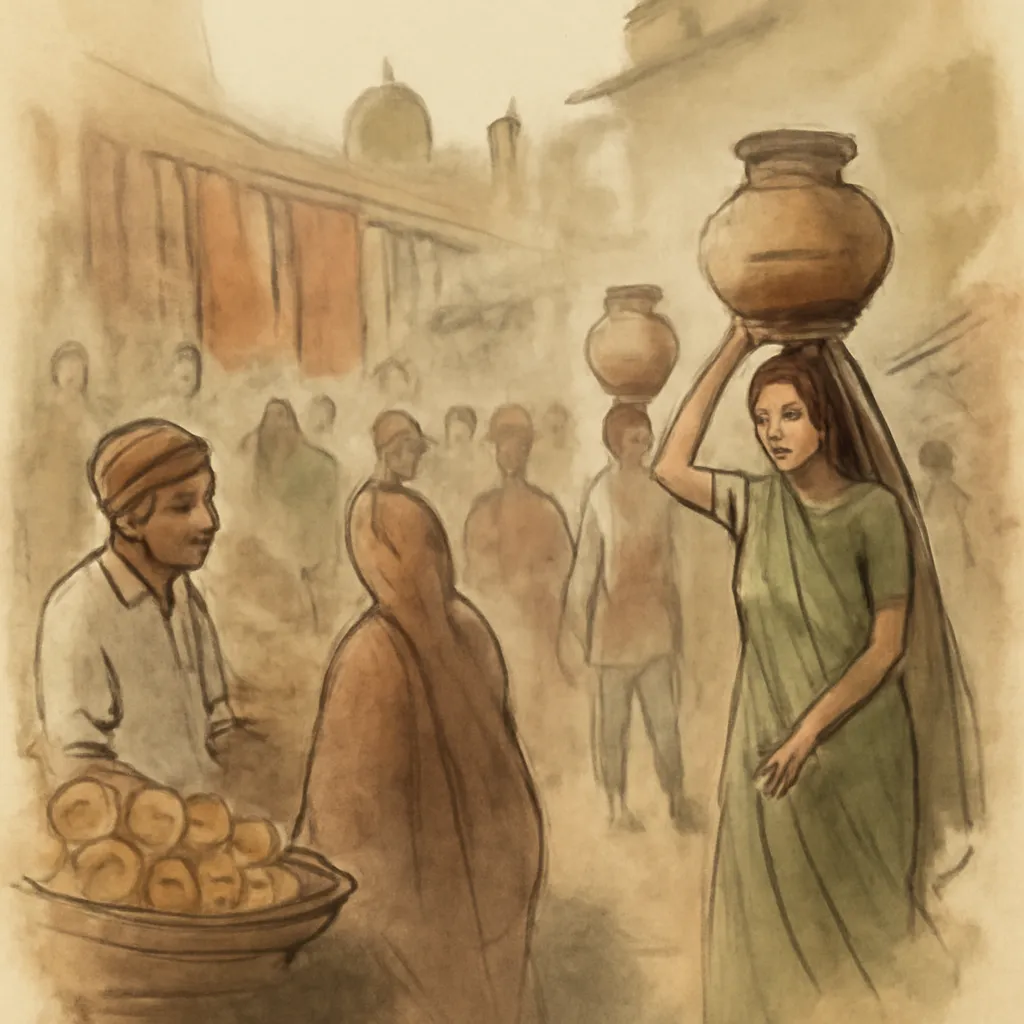
In Bombay, Murdoch immerses himself in the local culture, capturing the city's vibrancy through its people and their daily lives. He describes the bustling streets filled with vendors, water carriers, and a diverse array of inhabitants, each contributing to the rich tapestry of urban life. The contrasts between colonial architecture and the chaotic charm of local bazaars highlight the complex interplay between British rule and Indian culture. Murdoch’s observations lead him to appreciate the nuances of social interaction, with moments of joy and sorrow intertwined in the fabric of daily existence. He recognizes that these interactions reflect broader themes of colonialism, identity, and the human experience, challenging simplistic narratives of the colonial encounter. Through his art and writing, he seeks to convey a deeper understanding of the cultural richness that defines Bombay.
6.The Allure of the Jungle
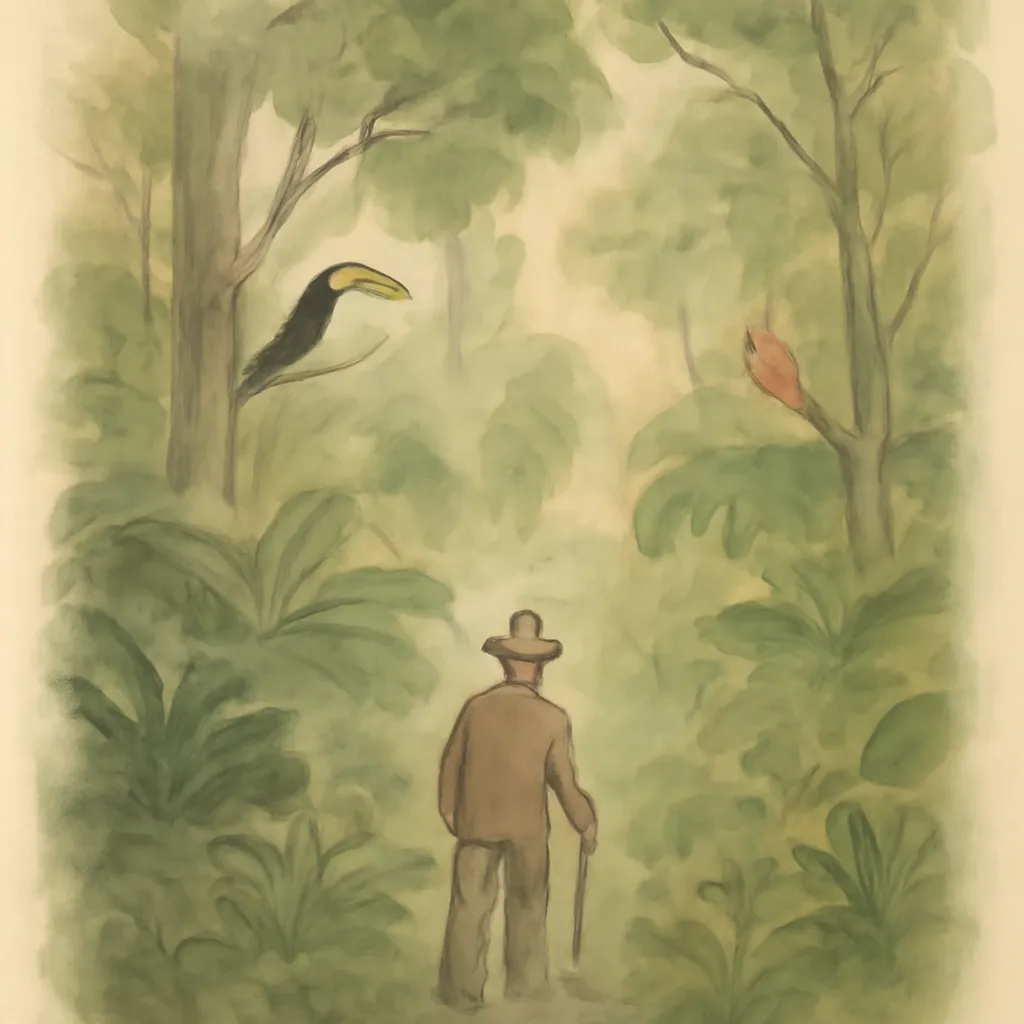
As Murdoch ventures into the Indian interior, the jungle presents itself as both a place of beauty and a symbol of the unknown. The lush landscapes, filled with diverse wildlife and dense foliage, evoke a sense of adventure and intrigue. Murdoch’s descriptions of the jungle reflect his desire to capture its essence, portraying it as a living entity that shapes the lives of those who inhabit it. He conveys a sense of wonder at the natural world, yet acknowledges its dangers and challenges. The jungle becomes a metaphor for his journey of self-discovery, as he navigates not only the physical terrain but also the complexities of identity and belonging. This exploration reinforces his commitment to understanding the environment that influences the culture and traditions of the people he encounters.
7.Reflections on Colonial Life
Throughout his journey, Murdoch grapples with the implications of colonialism, examining how it affects both the colonizers and the colonized. He observes British expatriates navigating their lives in India, often caught between a sense of privilege and the realities of their colonial status. Murdoch reflects on the tensions inherent in their existence, where comfort is tempered by the complexities of cultural exchange and the moral dilemmas of imperialism. His critical lens prompts readers to consider the ethical dimensions of colonialism, as he acknowledges the beauty and richness of Indian culture while also confronting the underlying injustices. This nuanced perspective elevates his travelogue beyond mere observation, transforming it into a thoughtful exploration of power dynamics and cultural identity.
8.The Enchantment of Local Customs
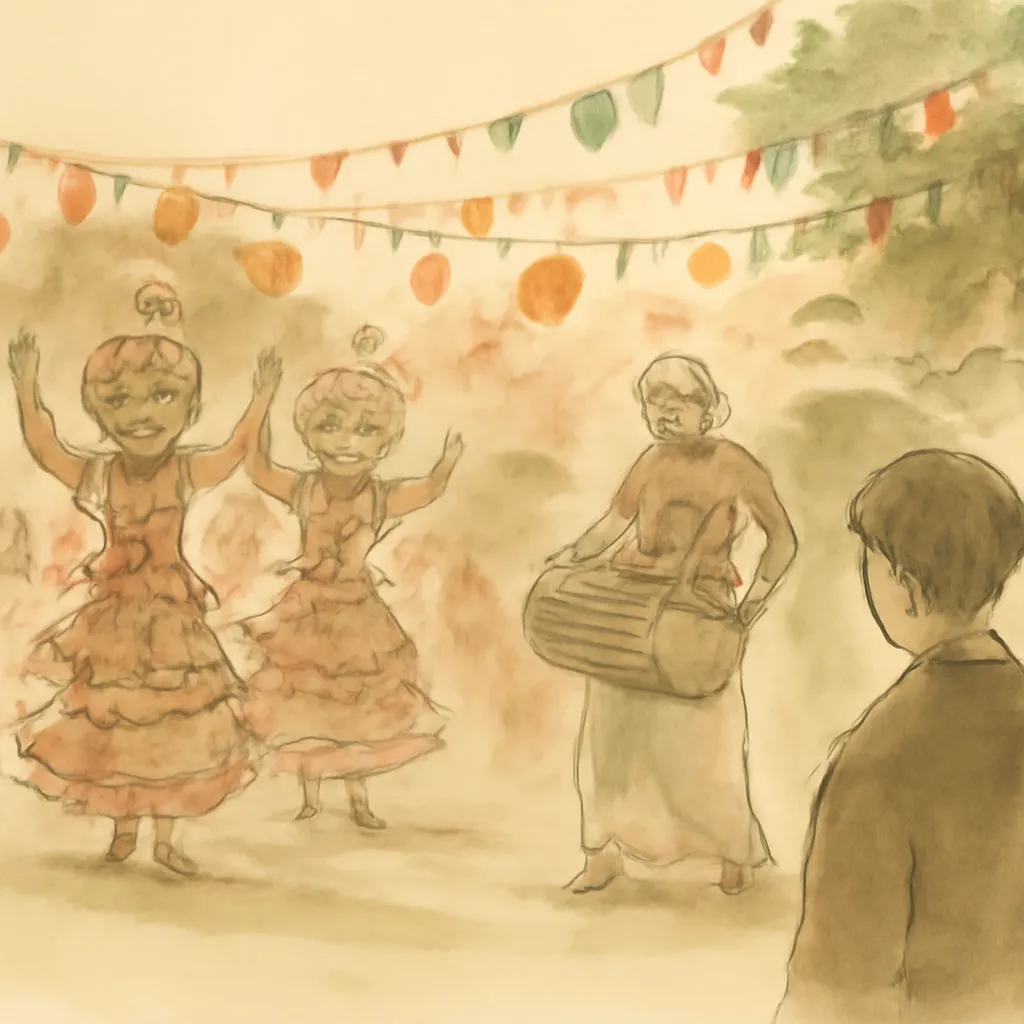
As Murdoch delves into local traditions, he finds enchantment in the everyday lives of Indian people. From the rituals of water carriers to the vibrancy of local festivals, he documents the richness of Indian culture with a reverence that transcends mere observation. His sketches and narratives become a celebration of diversity, capturing moments of joy, resilience, and communal spirit. This engagement with local customs fosters a connection with the land and its people, challenging the notion of the 'other' and inviting readers to appreciate the beauty within cultural differences. By immersing himself in the customs and traditions of Indian society, Murdoch underscores the importance of empathy and understanding in bridging cultural divides, reinforcing the idea that appreciation of diversity enriches the human experience.
9.The Impact of Art and Observation
Art emerges as a central theme throughout Murdoch's journey, serving both as a means of expression and a tool for understanding the world around him. He reflects on the act of observation, recognizing its role in shaping his experiences and artistic output. The landscapes, people, and cultural nuances he encounters inform his sketches, which transform into a visual diary of his travels. Murdoch emphasizes that art has the power to transcend language and cultural barriers, enabling connections that go beyond verbal communication. His journey becomes not just a physical exploration but an artistic endeavor that illuminates the shared humanity present in diverse societies, reinforcing the bond between art and life in the context of colonial India.
10.The Journey's End: A Synthesis of Experiences
As Murdoch's travels draw to a close, he reflects on the cumulative experiences that have shaped his understanding of India and Burmah. The journey is portrayed as a transformative process, where moments of beauty and discomfort coexist, leading to a deeper appreciation for the complexities of life. He synthesizes his observations into a broader commentary on the relationship between East and West, emphasizing the need for mutual respect and understanding in an increasingly interconnected world. Murdoch’s closing thoughts invite readers to consider their own journeys—both physical and metaphorical—and the ways in which they engage with diverse cultures. This synthesis of experiences reinforces the idea that travel is not just about exploring new places but also about personal growth and understanding the intricate web of human experience.