1.The Invention of GDP
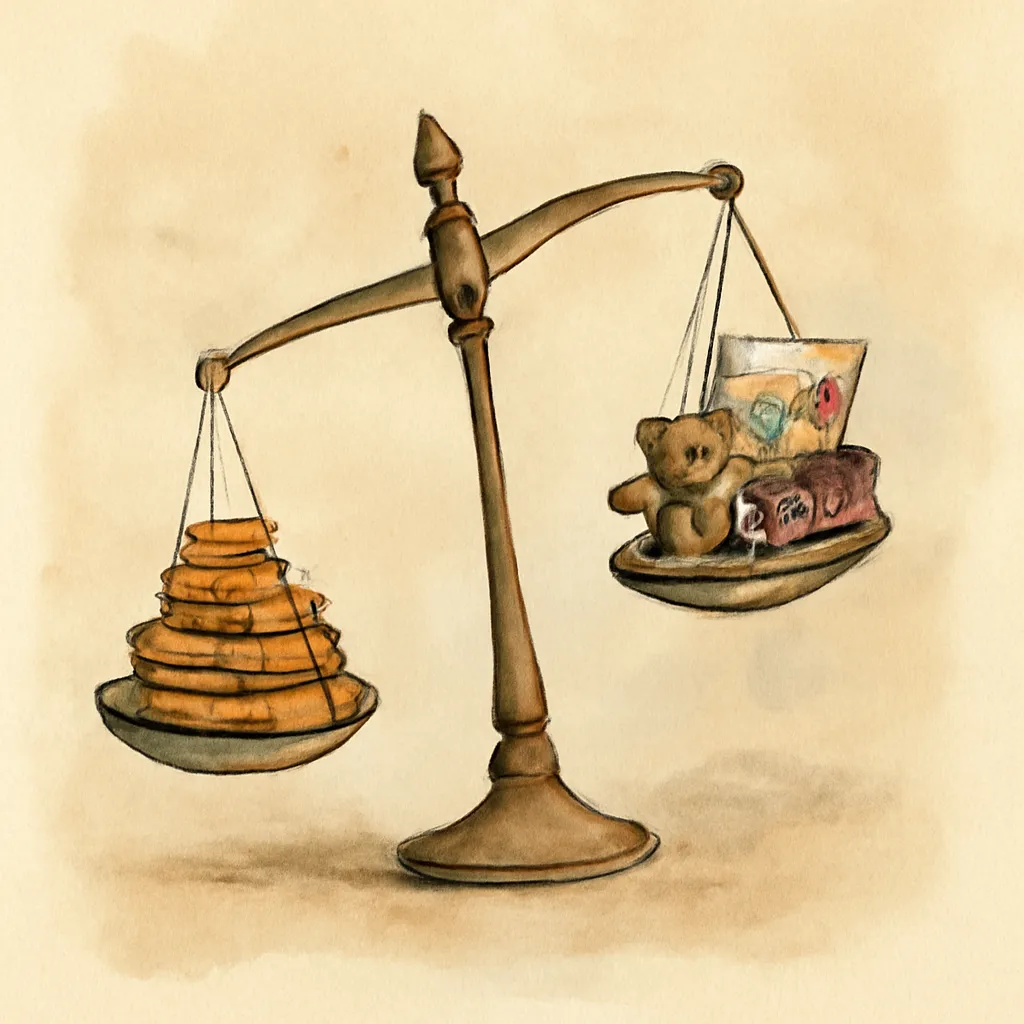
Coyle traces GDP’s origins to the Great Depression and World War II, when governments urgently needed a way to measure economic activity. GDP was never designed as a perfect yardstick of welfare or progress, but as a tool for managing national economies in crisis. This historical context explains both its strengths and its persistent blind spots.
2.What GDP Measures—and Ignores
GDP captures the market value of goods and services produced in a country, but it leaves out much that matters: unpaid work, environmental costs, and the informal economy. Coyle argues that this narrow focus can distort policy and public debate, as activities that boost GDP may not always improve wellbeing.
3.GDP’s Political Power
Over time, GDP became not just an economic tool but a political weapon. Governments chase GDP growth to signal success, sometimes at the expense of broader social goals. Coyle highlights how this obsession can lead to perverse incentives, such as prioritizing short-term growth over sustainability or equality.
4.The Challenge of Measuring Modern Economies
As economies evolve—becoming more digital, globalized, and service-oriented—GDP struggles to keep up. Coyle explains how the rise of intangible assets, digital goods, and cross-border flows make traditional measurement increasingly inadequate, raising questions about how we define and value economic progress.
5.Beyond GDP: Rethinking Progress
Coyle doesn’t advocate abandoning GDP, but she insists on recognizing its limits. She surveys alternative measures—like wellbeing indexes and green accounting—arguing that a richer understanding of prosperity requires multiple indicators. The book invites readers to think critically about what societies should value and how to measure it.
6.Why GDP Still Matters
Despite its flaws, Coyle defends GDP’s continued relevance. It remains a vital, if imperfect, tool for macroeconomic management and international comparison. The key, she suggests, is to use GDP wisely and in context, rather than treating it as the sole arbiter of national success.