
Economic history · Economics, history · Econometrics
GDP: A Brief but Affectionate History by Diane Coyle — Summary, Key Ideas & Quotes
2014177 pages✦ 3-min Big ideas
Rate it
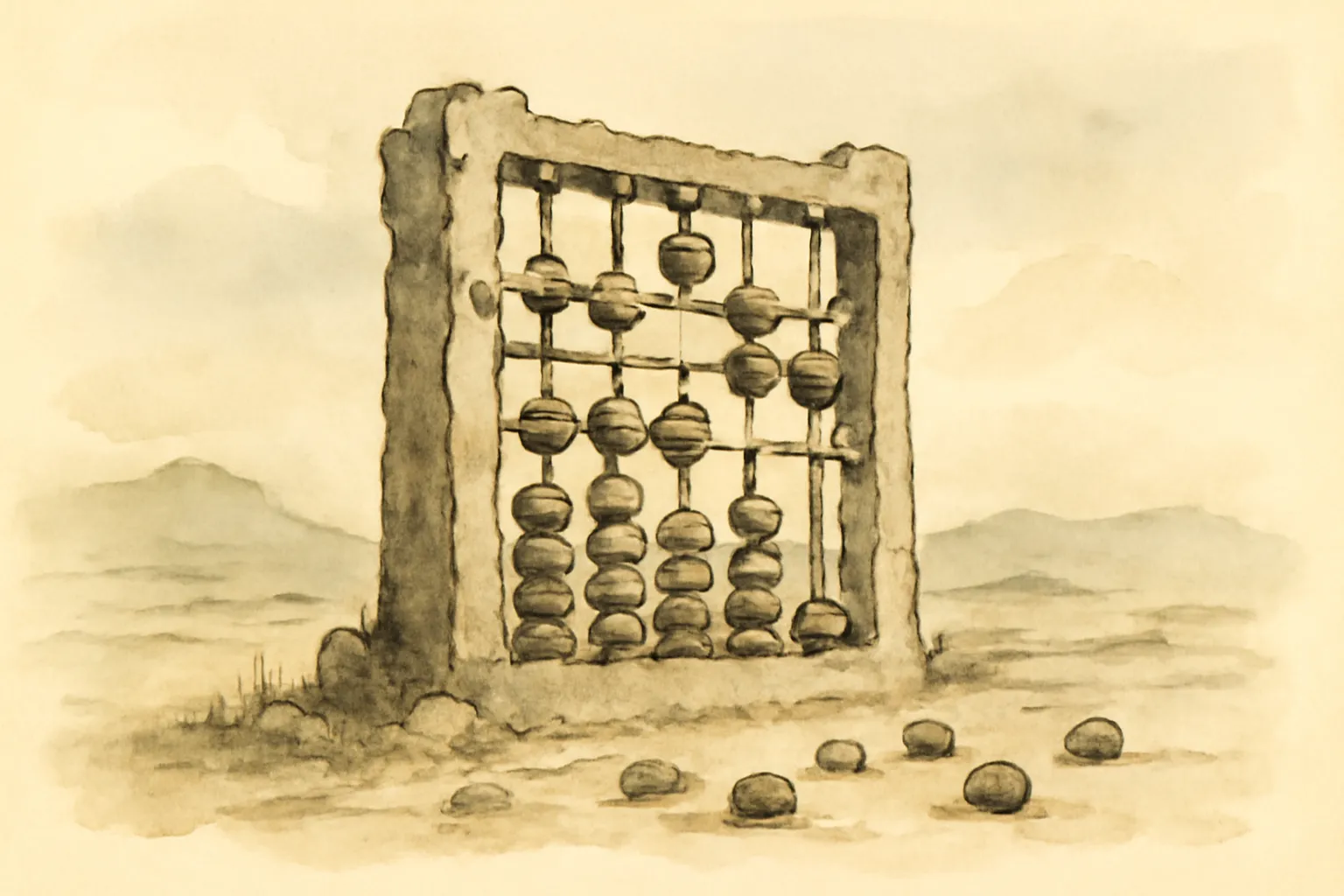
Coyle traces GDP’s origins to the Great Depression and World War II, when governments urgently needed a way to measure economic activity. GDP was never designed as a perfect yardstick of welfare or progress, but as a tool for managing national economies in crisis. This historical context explains both its strengths and its persistent blind spots.
GDP captures the market value of goods and services produced in a country, but it leaves out much that matters: unpaid work, environmental costs, and the informal economy. Coyle argues that this narrow focus can distort policy and public debate, as activities that boost GDP may not always improve wellbeing.