Economic history · Economics · Finance
The Ascent of Money by Niall Ferguson — Summary, Key Ideas & Quotes
2008445 pages✦ 3-min Big ideas★ 4.0 (13)
Rate it
Niall Ferguson follows the money to tell the human story behind the evolution of finance, from its origins in ancient Mesopotamia to the latest upheavals on what he calls Planet Finance.Bread, cash, dosh, dough, loot, lucre, moolah, readies, the wherewithal: Call it what you like, it matters. To Christians, love of it is the root of all evil. To generals, it's the sinews of war. To revolutionaries, it's the chains of labor. But in The Ascent of Money, Niall Ferguson shows that finance is in fact the foundation of human progress. What's more, he reveals financial history as the essential backstory behind all history.Through Ferguson's expert lens familiar historical landmarks appear in a new and sharper financial focus. Suddenly, the civilization of the Renaissance looks very different: a boom in the market for art and architecture made possible when Italian bankers adopted Arabic mathematics. The rise of the Dutch republic is reinterpreted as the triumph of the world's first modern bond market over insolvent Habsburg absolutism. And the origins of the French Revolution are traced back to a stock market bubble caused by a convicted Scot murderer.With the clarity and verve for which he is known, Ferguson elucidates key financial institutions and concepts by showing where they came from. What is money? What do banks do? What's the difference between a stock and a bond? Why buy insurance or real estate? And what exactly does a hedge fund do?This is history for the present. Ferguson travels to post-Katrina New Orleans to ask why the free market can't provide adequate protection against catastrophe. He delves into the origins of the subprime mortgage crisis.Perhaps most important, The Ascent of Money documents how a new financial revolution is propelling the world's biggest countries, India and China, from poverty to wealth in the space of a single generation—an economic transformation unprecedented in human history.Yet the central lesson of the financial history is that sooner or later every bubble bursts—sooner or later the bearish sellers outnumber the bullish buyers, sooner or later greed flips into fear. And that's why, whether you're scraping by or rolling in it, there's never been a better time to understand the ascent of money.
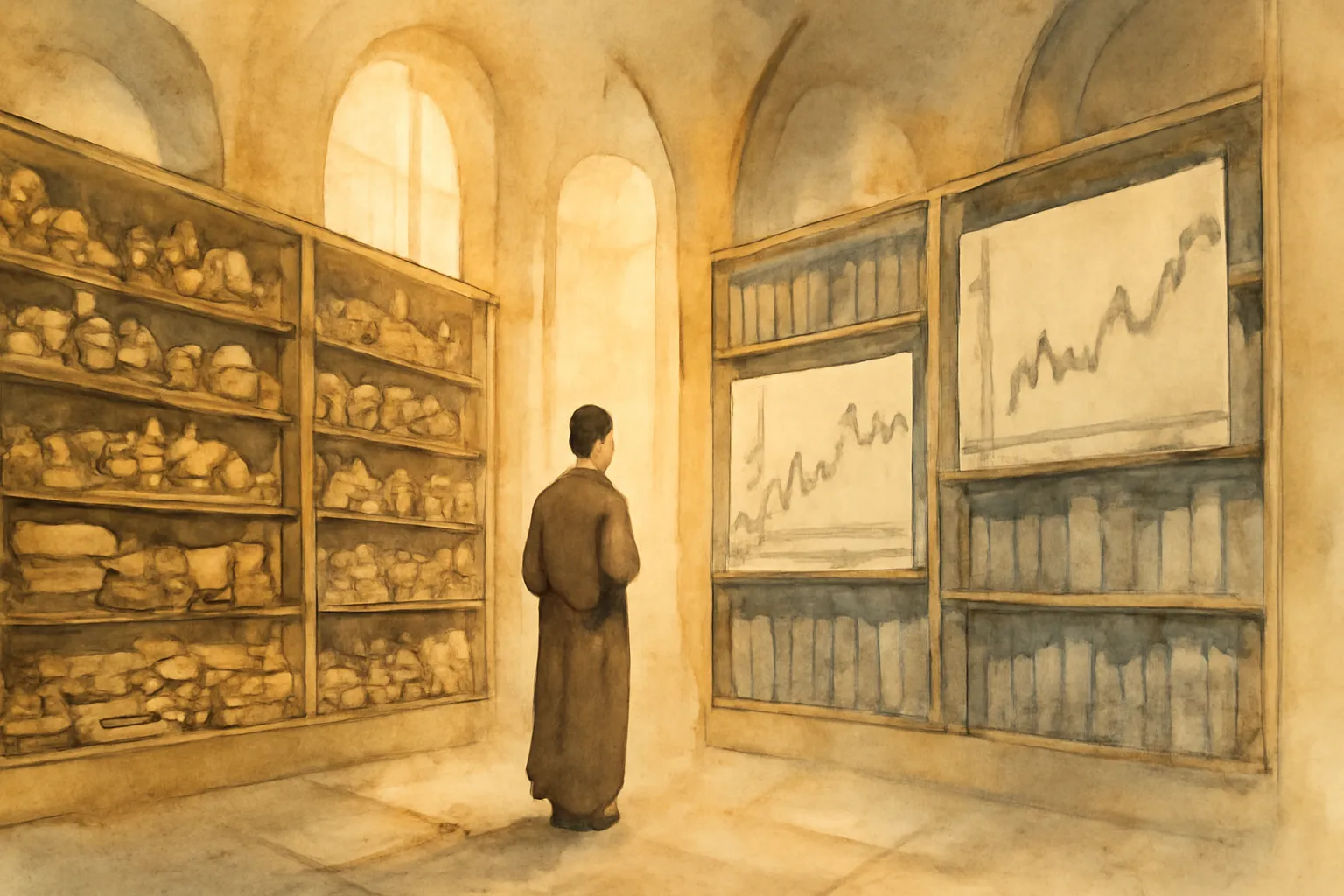
Ferguson argues that financial innovation is not a sideshow to history but its main stage. From ancient Mesopotamian clay tablets recording debts to today’s global derivatives markets, the evolution of money, credit, and banking has been central to the rise and fall of civilizations. By tracing this thread, Ferguson reframes familiar historical events—wars, revolutions, renaissances—as inseparable from the financial systems that funded or destabilized them.
The book shows how breakthroughs like double-entry bookkeeping, joint-stock companies, and insurance transformed economies and societies. But with innovation comes risk: bubbles, panics, and crashes are recurring features of financial history. Ferguson demonstrates that the same tools that enable prosperity can also sow the seeds of crisis, making financial literacy crucial for individuals and nations alike.
“Behind each great historical phenomenon there lies a financial secret.”
“The ascent of money has been essential to the ascent of man.”