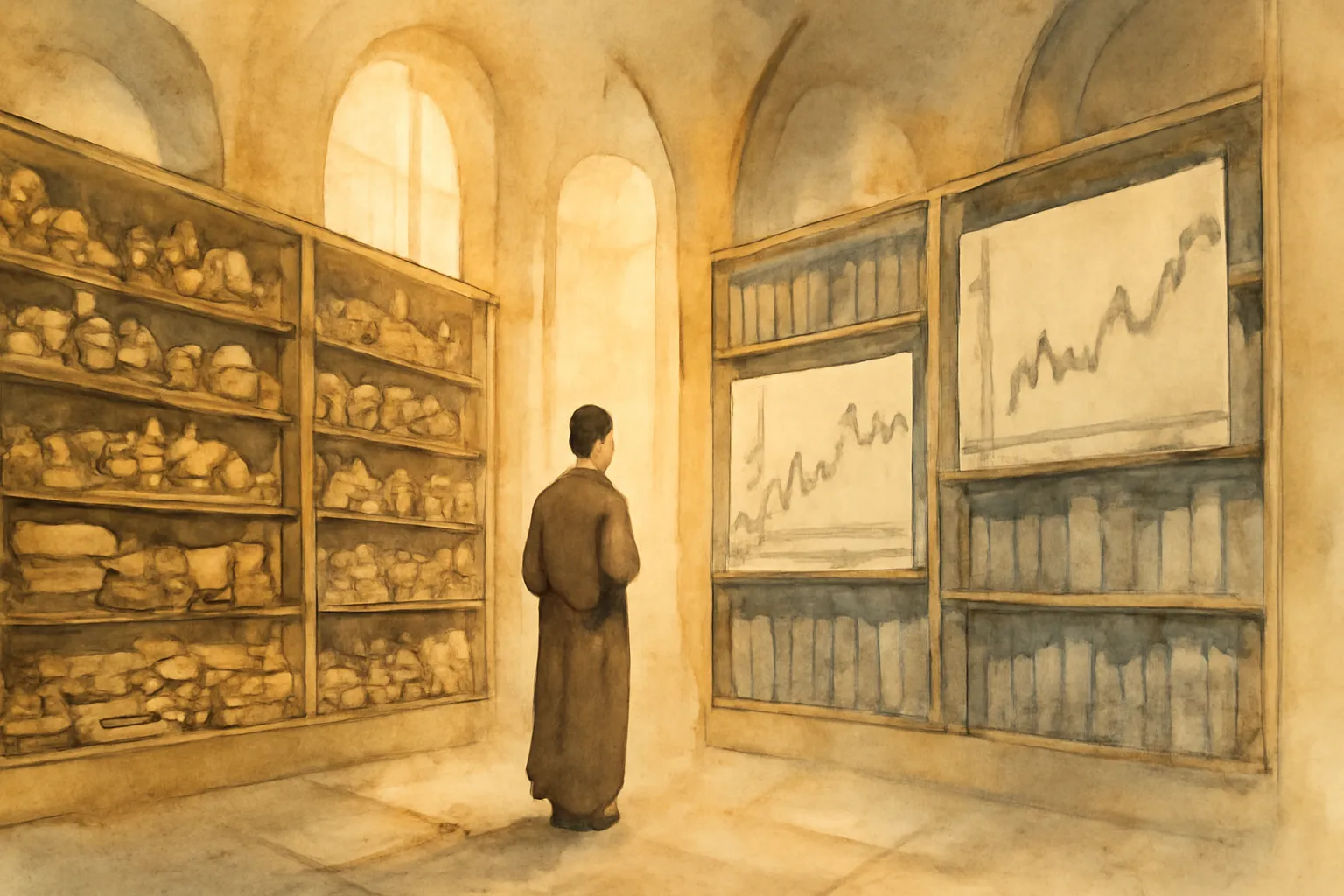
1.Finance as the Engine of History
Ferguson argues that financial innovation is not a sideshow to history but its main stage. From ancient Mesopotamian clay tablets recording debts to today’s global derivatives markets, the evolution of money, credit, and banking has been central to the rise and fall of civilizations. By tracing this thread, Ferguson reframes familiar historical events—wars, revolutions, renaissances—as inseparable from the financial systems that funded or destabilized them.
2.The Power and Peril of Financial Innovation
The book shows how breakthroughs like double-entry bookkeeping, joint-stock companies, and insurance transformed economies and societies. But with innovation comes risk: bubbles, panics, and crashes are recurring features of financial history. Ferguson demonstrates that the same tools that enable prosperity can also sow the seeds of crisis, making financial literacy crucial for individuals and nations alike.
3.Money as a Social Technology
Ferguson emphasizes that money is more than coins or notes—it's a set of shared beliefs and systems that enable trust and cooperation among strangers. This social technology allows for complex trade, investment, and the pooling of risk, but it also depends on confidence, which can be fragile. Understanding the psychological and cultural dimensions of finance is as important as grasping the math.
4.Finance and Inequality
The ascent of money has not benefited everyone equally. Ferguson explores how access to credit, investment opportunities, and financial tools has shaped global disparities. He highlights both the emancipatory potential of finance—enabling entrepreneurship and social mobility—and its role in deepening inequality, especially when speculation and exploitation go unchecked.
5.Globalization and Financial Interdependence
Ferguson traces the integration of world markets, showing how financial flows have bound nations together—and made them vulnerable to each other's crises. From the rise of the Rothschilds to the 2008 subprime meltdown, he illustrates how local events can have global repercussions, making financial history essential for understanding our interconnected world.
6.Lessons from Financial Crises
A recurring theme is that financial crises are not aberrations but inherent to the system. Ferguson dissects past bubbles and crashes—from the South Sea Bubble to the Great Depression and the 2008 crisis—revealing patterns of human behavior, regulatory failure, and the dangers of collective euphoria. The book urges readers to learn from history to avoid repeating its mistakes.