History · Modern Military history · War
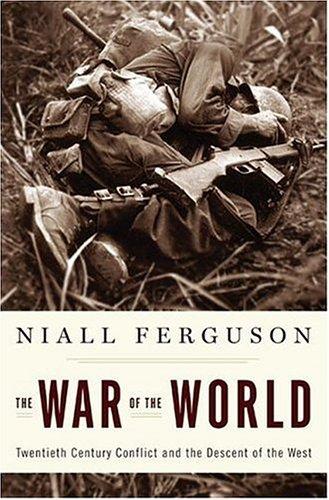
The War of the World: Twentieth-Century Conflict and the Descent of the West by Niall Ferguson — Summary, Key Ideas & Quotes
2006816 pages✦ 3-min Big ideas★ 4.5 (2)
Rate it
Historian Fergusson provides a revolutionary reinterpretation of the modern era that resolves its central paradox: why unprecedented progress coincided with unprecedented violence, and why the seeming triumph of the West bore the seeds of its undoing. From the conflicts that presaged the First World War to the aftershocks of the Cold War, the twentieth century was by far the bloodiest in all of human history. How can we explain the astonishing scale and intensity of its violence when, thanks to the advances of science and economics, most people were better off than ever before? Wherever one looked, the world in 1900 offered the happy prospect of ever-greater interconnection. Why, then, did global progress descend into internecine war and genocide? Drawing on a pioneering combination of history, economics, and evolutionary theory, Ferguson examines what he calls the age of hatred and sets out to explain what went wrong with modernity. --From publisher description.
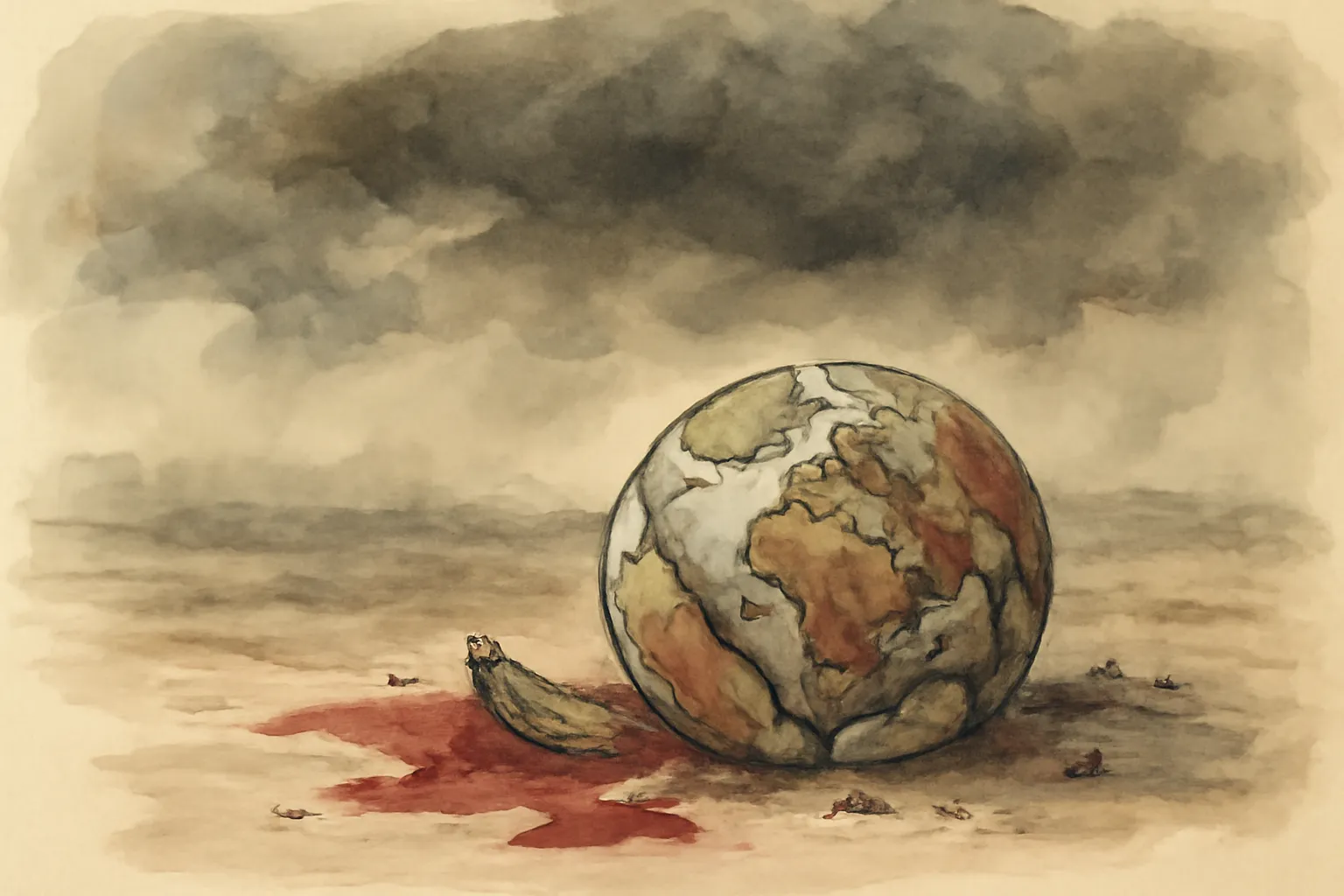
Ferguson argues that the twentieth century’s unprecedented violence was not a contradiction of modernity, but a product of it. The very forces—industrialization, nationalism, scientific advance—that promised peace and prosperity also enabled mass mobilization, total war, and genocide. Rather than viewing progress and violence as opposites, Ferguson shows how they were intertwined, with modern states wielding new technologies and ideologies to unleash destruction on an unimaginable scale.
A central thesis is that the breakdown of multiethnic empires (Austro-Hungarian, Ottoman, Russian) created power vacuums and unleashed ethnic hatreds. Ferguson details how the redrawing of borders and the rise of nation-states led to cycles of ethnic cleansing, civil war, and genocide, especially in Eastern Europe and Asia. He contends that the violence of the century cannot be understood without grappling with the deadly consequences of ethnic nationalism and imperial collapse.
“The twentieth century was, more than any preceding era, the age of hatred.”