1.The Paradox of Progress and Violence
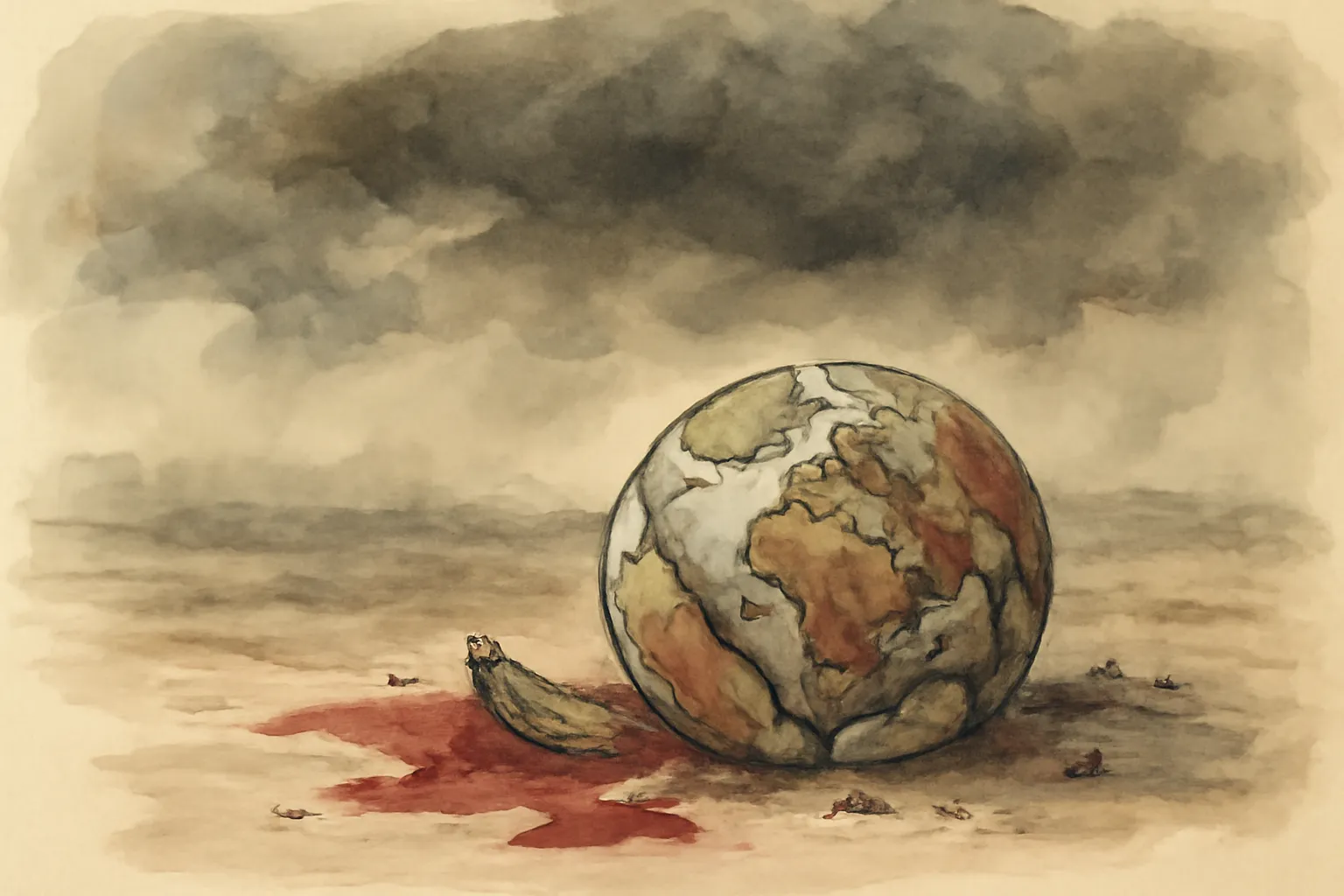
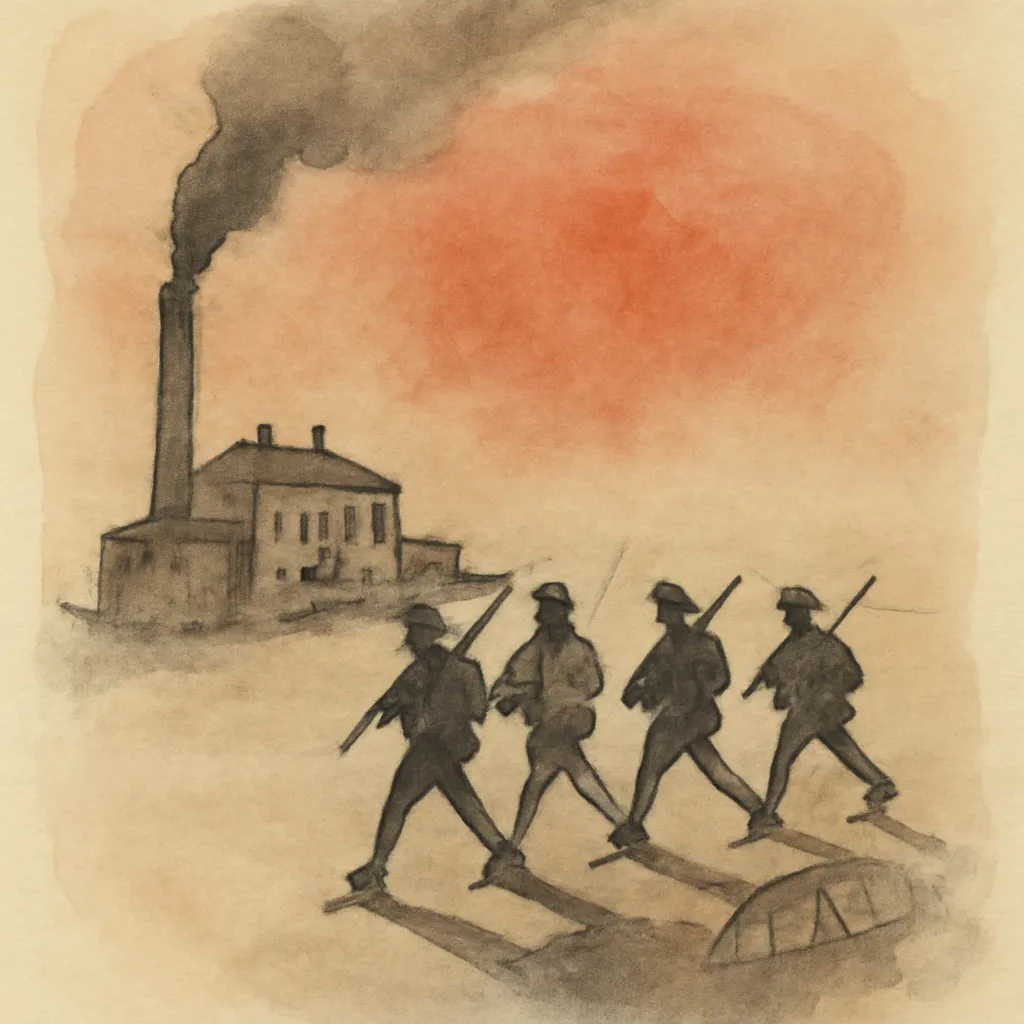
Ferguson argues that the twentieth century’s unprecedented violence was not a contradiction of modernity, but a product of it. The very forces—industrialization, nationalism, scientific advance—that promised peace and prosperity also enabled mass mobilization, total war, and genocide. Rather than viewing progress and violence as opposites, Ferguson shows how they were intertwined, with modern states wielding new technologies and ideologies to unleash destruction on an unimaginable scale.
2.Ethnic Conflict and the Collapse of Empires
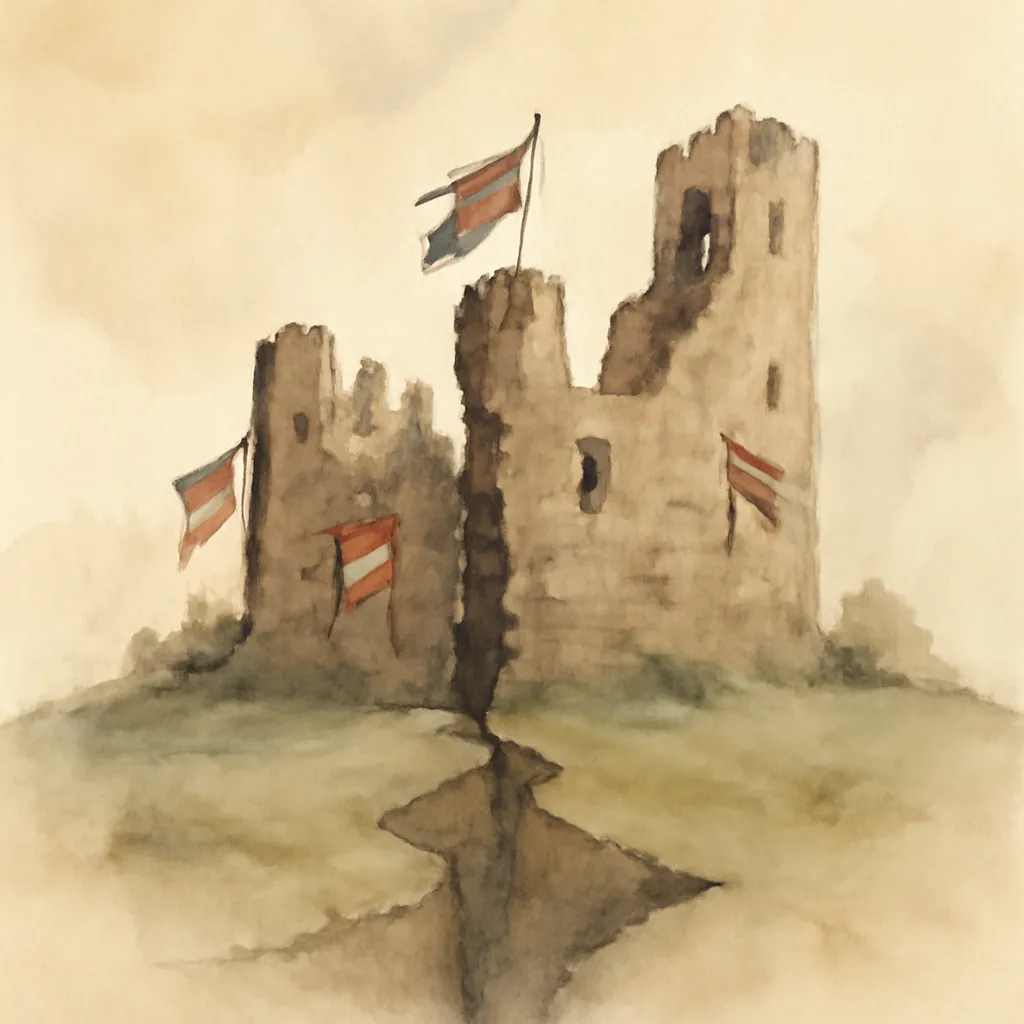
A central thesis is that the breakdown of multiethnic empires (Austro-Hungarian, Ottoman, Russian) created power vacuums and unleashed ethnic hatreds. Ferguson details how the redrawing of borders and the rise of nation-states led to cycles of ethnic cleansing, civil war, and genocide, especially in Eastern Europe and Asia. He contends that the violence of the century cannot be understood without grappling with the deadly consequences of ethnic nationalism and imperial collapse.
3.Economic Volatility and Political Extremism
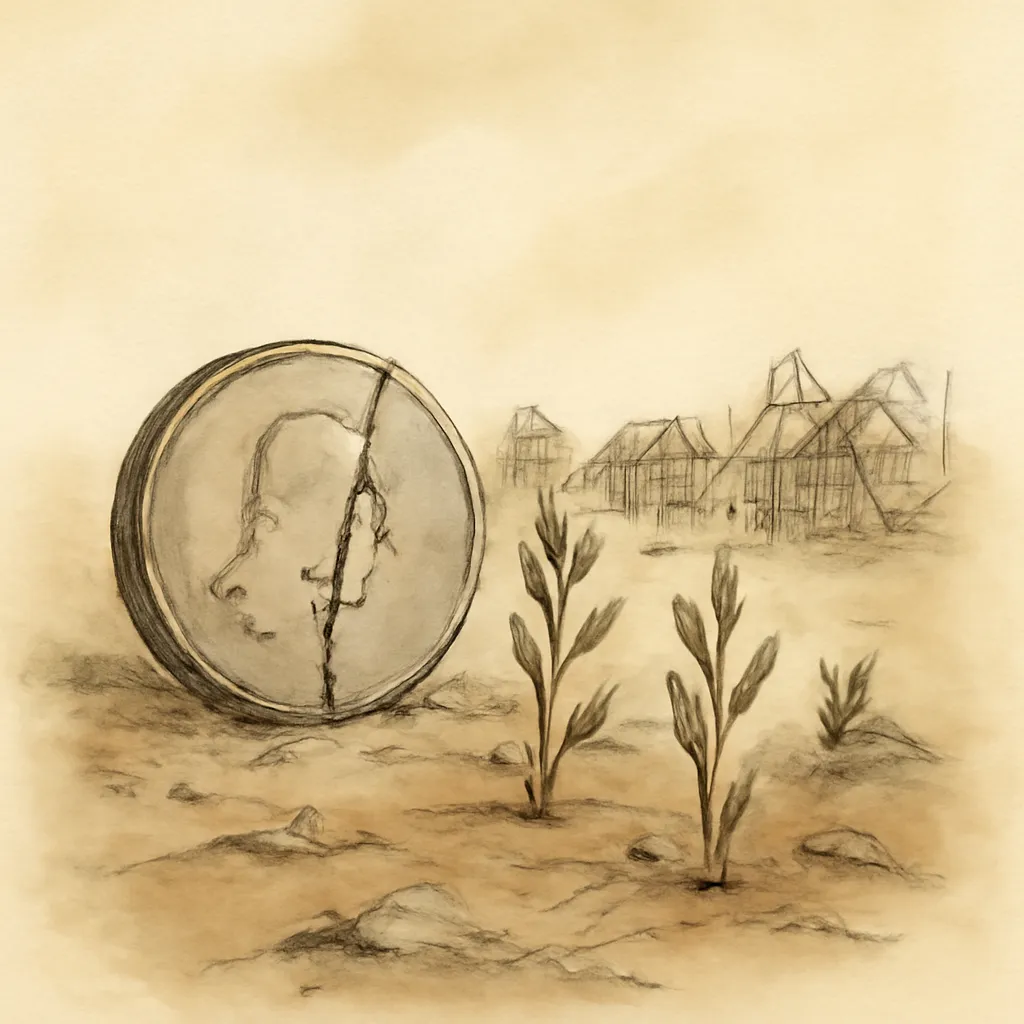
Ferguson links the economic instability of the era—hyperinflation, depression, and uneven development—to the rise of extremist ideologies and regimes. Economic shocks undermined liberal democracies and fueled support for fascism, communism, and militarism. The book suggests that economic crises were not just background noise but active catalysts for political radicalization and conflict.
4.The Role of Racism and Pseudo-Science
The book underscores how pseudo-scientific racism and social Darwinism permeated Western thought, justifying imperialism, segregation, and ultimately genocide. Ferguson shows that the most advanced societies were often the most susceptible to racist ideologies, which were weaponized by leaders to legitimize violence against perceived 'others.'
5.The Decline of Western Dominance
Ferguson challenges the notion that the West’s victory in the Cold War marked a triumph. Instead, he argues that the twentieth century saw the beginning of the West’s relative decline, as the costs of conflict, decolonization, and the rise of new powers (especially in Asia) eroded its global dominance. The seeds of this decline, he suggests, were sown by the very violence and upheaval that marked the era.
6.Contingency and the Role of Individuals
Rather than seeing history as inevitable, Ferguson emphasizes the role of contingency—chance, personality, and miscalculation. He highlights how individual leaders’ decisions, from the Kaiser to Stalin to Hitler, shaped the course of events, and how small incidents could trigger vast consequences. This focus on agency complicates deterministic readings of history.