First World War · World War I · Histoire
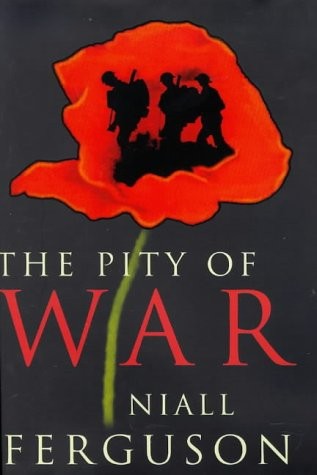
The Pity of War by Niall Ferguson — Summary, Key Ideas & Quotes
1998586 pages✦ 3-min Big ideas★ 4.0 (1)
Rate it
In *The Pity of War*, Niall Ferguson explodes the myths of 1914-18. He argues that the fatal conflict between Britain and Germany was far from inevitable. It was Britain's declaration of war that needlessly turned a continental conflict into a world war, and it was Britain's economic mismanagement and military inferiority that necessitated American involvement, forever altering the global balance of power. Ferguson vividly brings back to life one of the seminal catastrophes of the century, not through a dry citation of chronological chapter and verse, but through a series of chapters that answer the key questions: Why did the war start? Why did it continue? And why did it stop? How did the Germans manage to kill more soldiers than they lost but still end up defeated in November 1918? Above all, why did men fight?
Ferguson’s central argument is that World War I was not an unavoidable clash of empires, but rather the result of specific political decisions—most notably, Britain’s choice to intervene. He contends that the diplomatic crisis of 1914 could have been resolved without a global conflict, and that the war’s outbreak was not preordained by alliances or rivalries. This challenges the prevailing view of the war as a tragic but fated event, instead highlighting the agency and miscalculations of leaders, especially in London.
Ferguson argues that it was Britain’s entry into the war that transformed a continental struggle into a world war. He provocatively suggests that Britain’s intervention was a strategic blunder: by siding against Germany, Britain inadvertently prolonged the conflict, led to massive casualties, and ultimately undermined its own global position. Ferguson even speculates that a German victory might have resulted in a less disastrous twentieth century, upending the moral certainties often attached to the Allied cause.
“The greatest error of the age was to believe that the war was inevitable.”
“The war was not fought for democracy, but for the preservation of the British Empire.”