1.The War Was Not Inevitable
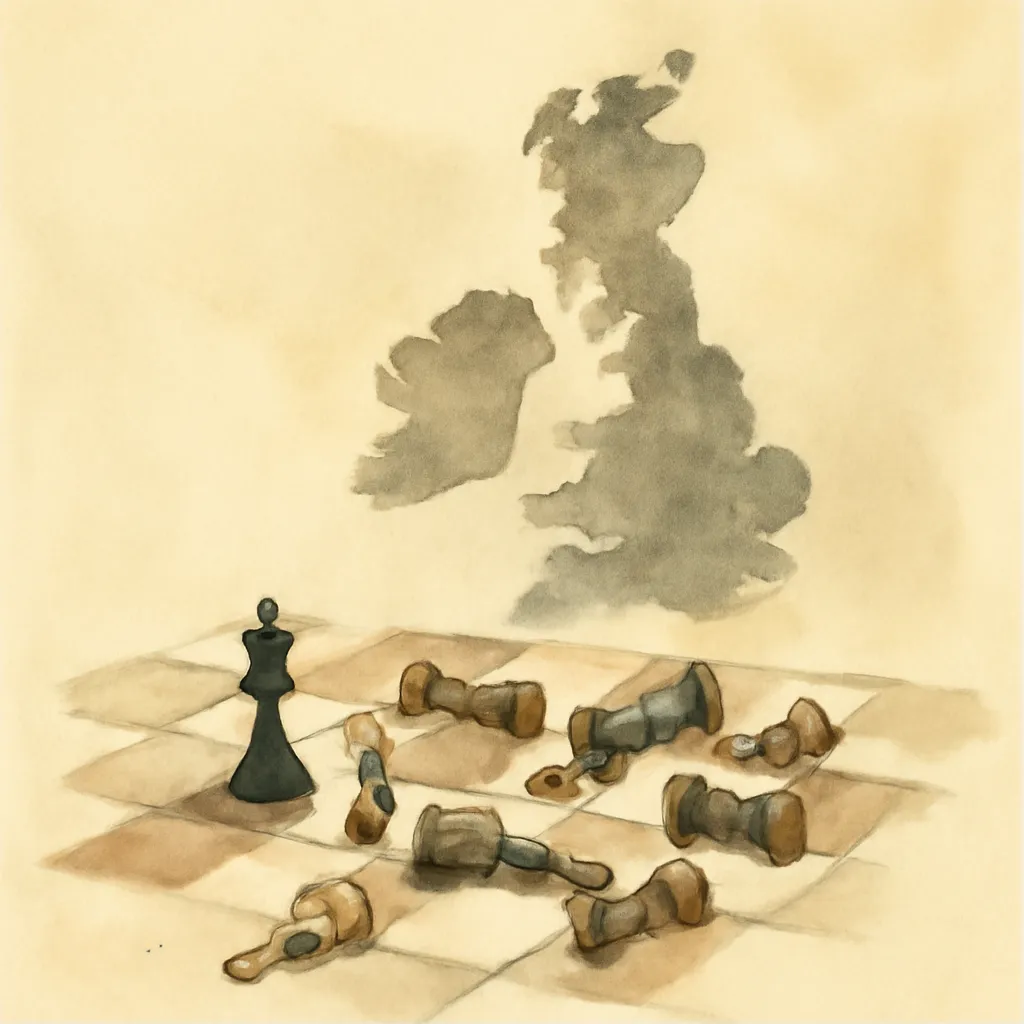
Ferguson’s central argument is that World War I was not an unavoidable clash of empires, but rather the result of specific political decisions—most notably, Britain’s choice to intervene. He contends that the diplomatic crisis of 1914 could have been resolved without a global conflict, and that the war’s outbreak was not preordained by alliances or rivalries. This challenges the prevailing view of the war as a tragic but fated event, instead highlighting the agency and miscalculations of leaders, especially in London.
2.Britain’s Pivotal Role and Strategic Error
Ferguson argues that it was Britain’s entry into the war that transformed a continental struggle into a world war. He provocatively suggests that Britain’s intervention was a strategic blunder: by siding against Germany, Britain inadvertently prolonged the conflict, led to massive casualties, and ultimately undermined its own global position. Ferguson even speculates that a German victory might have resulted in a less disastrous twentieth century, upending the moral certainties often attached to the Allied cause.
3.Economic Mismanagement and Military Inferiority
A key theme is Britain’s economic and military unpreparedness. Ferguson details how British financial policies and inefficient mobilization hampered the war effort, making the country dependent on American loans and support. He argues that the British army was outclassed by the Germans in terms of tactics and organization, and that these weaknesses contributed to the drawn-out stalemate and eventual need for U.S. intervention.
4.The Realities of Combat and Motivation
Ferguson delves into the psychology of soldiers, challenging the idea that men were simply duped or coerced into fighting. Through statistical analysis and personal accounts, he finds that most soldiers fought willingly, motivated by patriotism, camaraderie, and a sense of duty. This complicates the popular image of the war as a pointless slaughter imposed from above, suggesting a more nuanced understanding of why men endured the trenches.
5.Challenging the 'Lost Generation' Myth
The book questions the narrative that World War I wiped out an entire generation of young men. Ferguson uses demographic data to show that, while losses were horrific, the impact was uneven and often exaggerated in cultural memory. He argues that the myth of the 'lost generation' has distorted our understanding of the war’s demographic and social consequences.
6.The War’s Unintended Consequences
Ferguson explores how the war’s outcome reshaped the twentieth century, not just in terms of borders but in the rise of communism, fascism, and American global dominance. He suggests that the war’s prolongation and the punitive peace settlement laid the groundwork for even greater catastrophes, including World War II. The book thus invites readers to consider how different choices in 1914 might have altered the entire course of modern history.